Epic Ambition: Why Nitesh Tiwari’s ‘Ramayana: Part 1’ Could Redefine Global Indian Cinema
By CitiTimes Cinema & Culture Desk
Published November 4, 2026
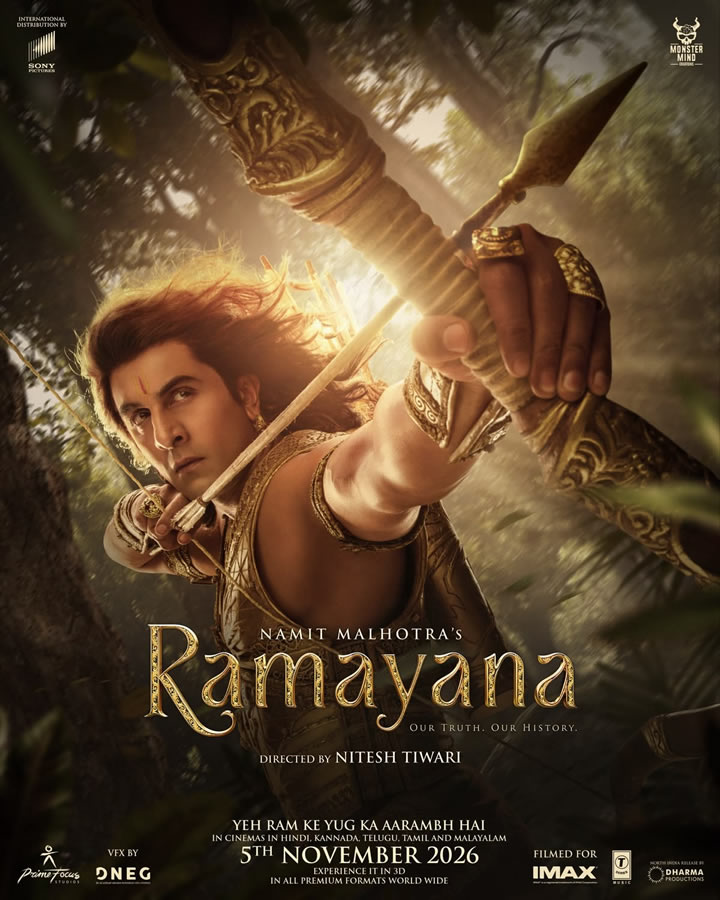
For decades, Indian cinema’s relationship with mythic storytelling has oscillated between television nostalgia and hyper-stylized modern spectacles. Yet, few projects in modern cinematic history have arrived carrying the sheer weight of expectation, cultural reverence, and financial gamble as director Nitesh Tiwari’s upcoming Ramayana: Part 1.
Premiering just days ago at the prestigious Academy Museum of Motion Pictures in Los Angeles—and set for a monumental worldwide rollout over Diwali—the first installment of this multi-part saga, internationally titled Ramayana: Rise of a Legend, is aiming to do far more than tell an ancient tale. It seeks to establish a global benchmark for Indian filmmaking.
Here is a closer look at the key pillars driving what may be the most ambitious cinematic event of the decade.
🎭 A Pan-Indian Casting Masterstroke
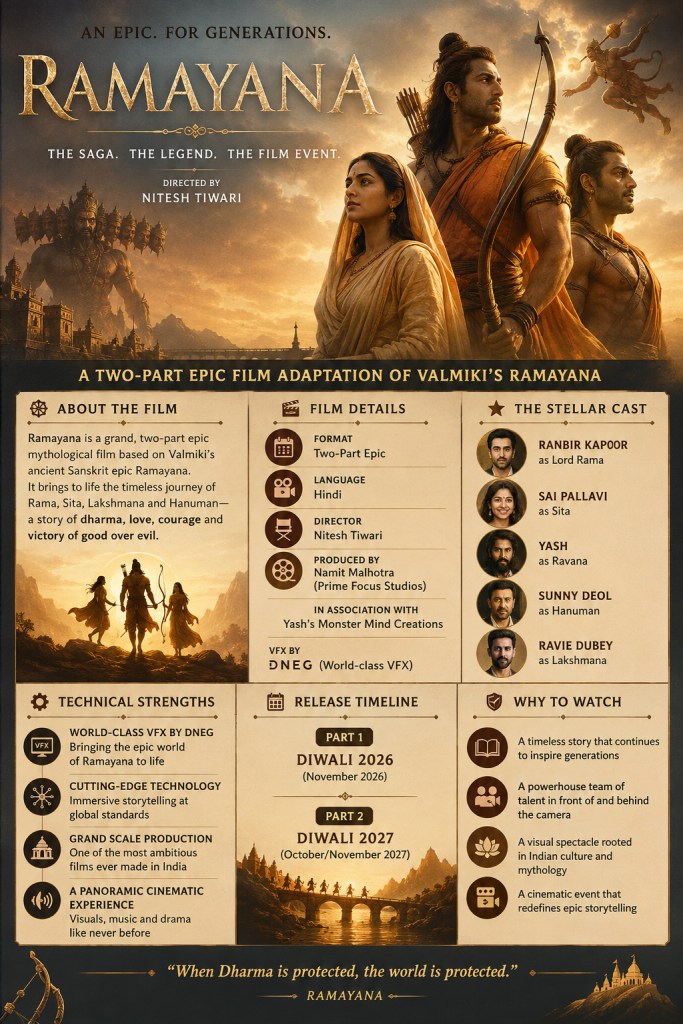
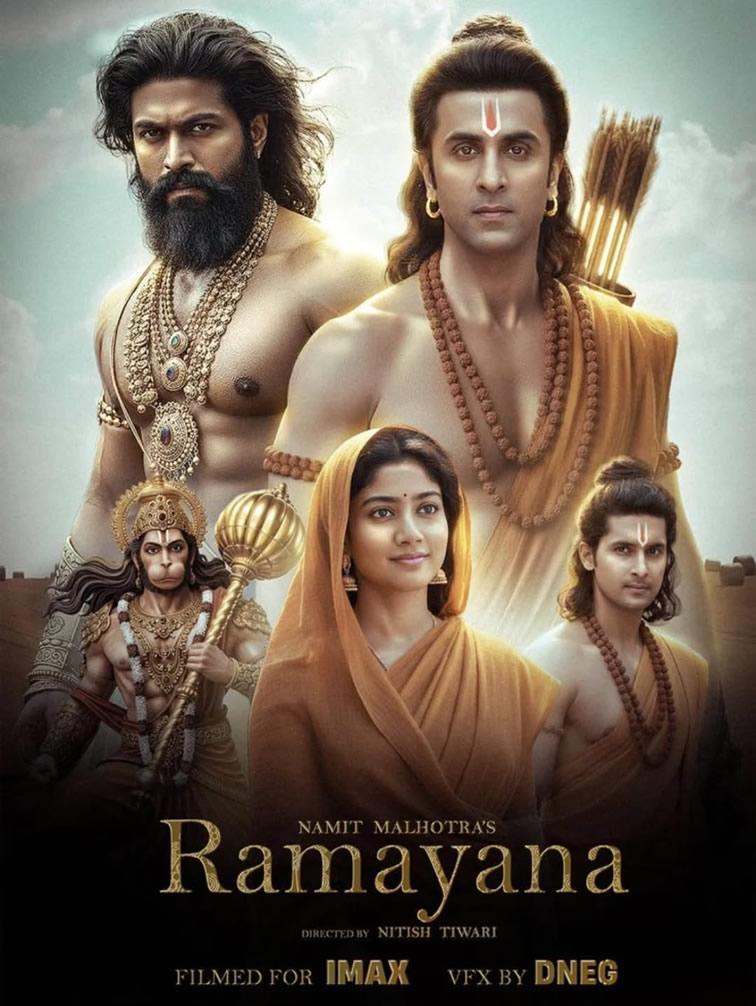
At the heart of any adaptation of Valmiki’s epic lies the challenge of casting figures deeply embedded in the cultural consciousness. Tiwari and his team have opted for a true pan-Indian ensemble, bridging industries and sensibilities to curate a powerhouse cast.
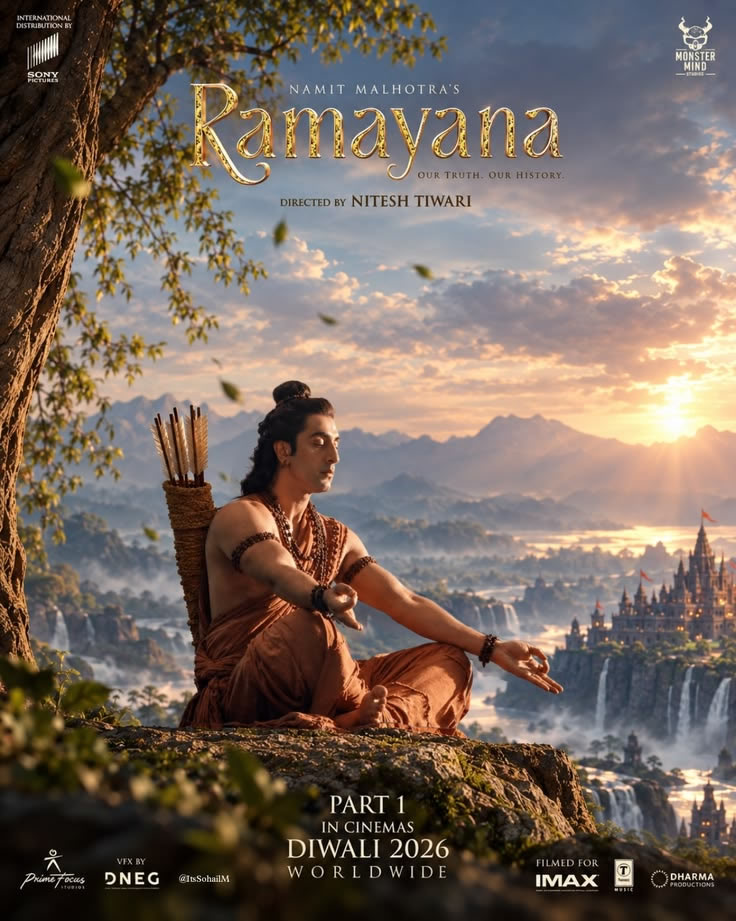
- Ranbir Kapoor takes on the pivotal dual roles of Prince Rama and Parashurama, bringing deep dramatic range to Rama’s early years and quiet resolve.
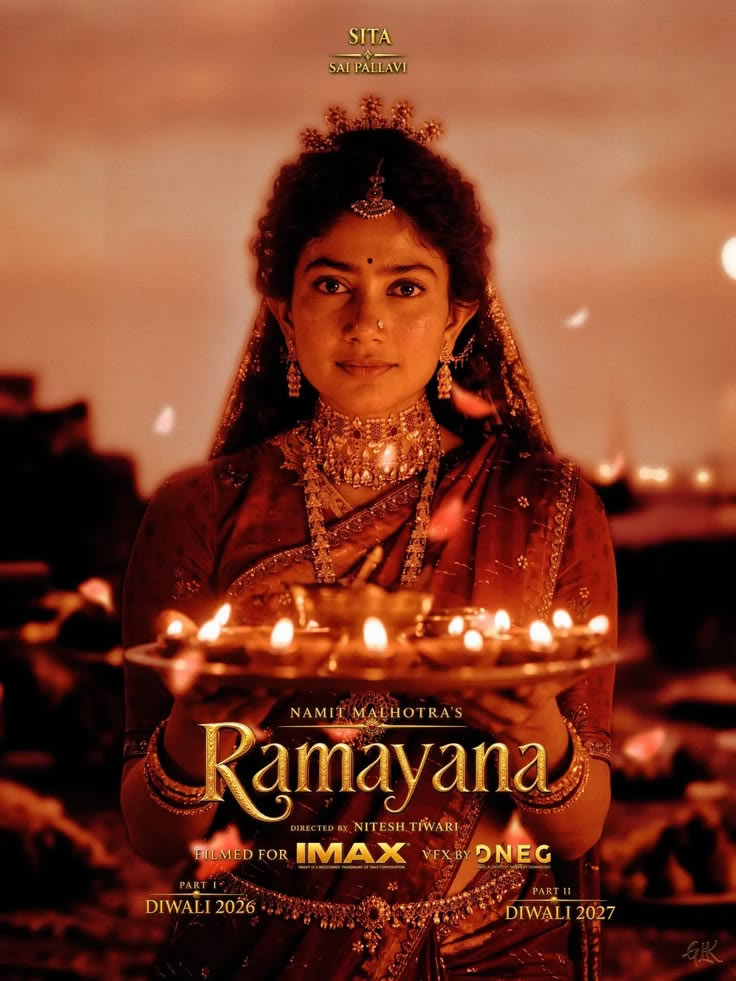
- Sai Pallavi, revered for her natural performance style, stars as Goddess Sita, anchoring the narrative’s emotional core.
- Yash makes his long-awaited Hindi film debut as the formidable Lanka King Ravana, promising a screen presence that matches the antagonist’s legendary aura.
- Sunny Deol steps into the role of Lord Hanuman, bringing gravitas and physical intensity to the revered figure.
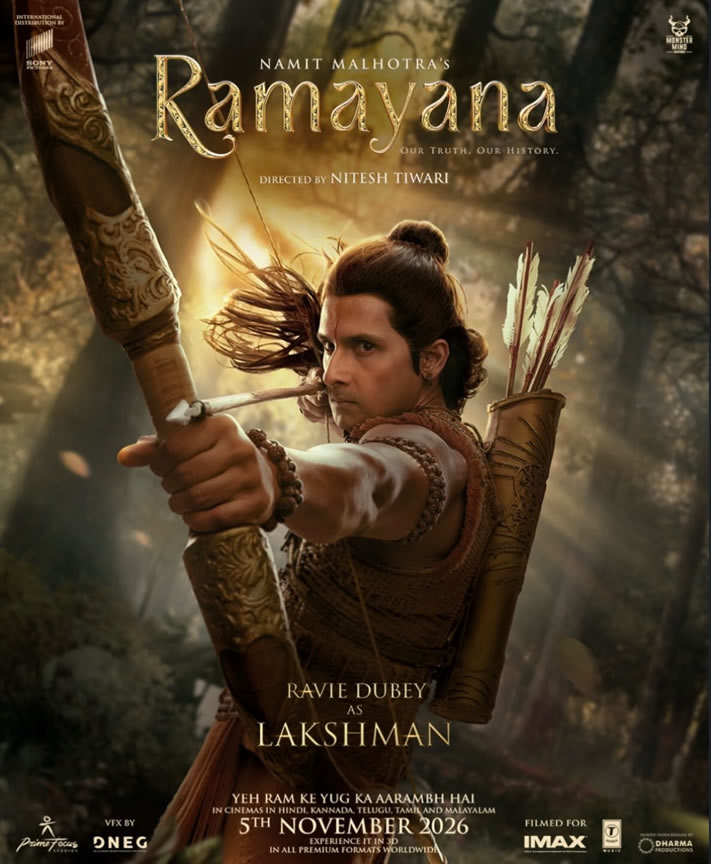
Supported by veteran talents including Arun Govil, Lara Dutta, Kunal Kapoor, and an evocative voice performance by Anupam Kher as Jatayu, the film’s casting reflects a deliberate blend of classical reverence and star power.
       [ Ramayana: Part 1 — Key Ensemble ]
┌─────────────────┬────────────────────────────────┐
│ Character       │ Actor                          │
├─────────────────┼────────────────────────────────┤
│ Prince Rama     │ Ranbir Kapoor                  │
│ Goddess Sita    │ Sai Pallavi                    │
│ King Ravana     │ Yash                           │
│ Lord Hanuman    │ Sunny Deol                     │
│ Lakshmana       │ Ravi Dubey                     │
└─────────────────┴────────────────────────────────┘
🎼 When Oscar Royalty Collides: Zimmer & Rahman
Perhaps the most unexpected yet thrilling announcement surrounding Ramayana is its musical score. In a historic cross-cultural pairing, two-time Oscar winner Hans Zimmer joins forces with India’s own Academy Award-winning maestro, A. R. Rahman.
This fusion of Western orchestral grandiosity—recorded at London’s AIR Studios—and classical Indian melodic structures crafted in Chennai creates an auditory landscape rarely heard in mainstream cinema. Paired with lyrical work by poet Dr. Kumar Vishwas, key tracks like the devotional “Jai Jai Ram” (featuring Arijit Singh and Shreya Ghoshal) and the thunderous “Ravana Tandav” (sung by Vishal Dadlani) provide the narrative with an unforgettable acoustic rhythm.
💻 Tech & Scale: Hollywood VFX Meets Indian Roots
To bring the mythic world of Ancient India to life without compromising on realism, producer Namit Malhotra enlisted DNEG, the eight-time Academy Award-winning visual effects powerhouse.
“The goal wasn’t just to make visual effects, but to construct a living, breathing mythological world grounded in scriptural detail.”
Production Highlights at a Glance
- 600+ Days of VFX: Dedicated post-production work focused on world-building, virtual sets, and intricate creature design.
- High-Octane Action: Choreographed by legendary stunt coordinator Guy Norris (Mad Max: Fury Road, The Suicide Squad).
- Immersive Formats: Set to become the first Indian feature film released in global ScreenX format, offering a 270-degree panoramic viewing experience.
- Budgetary Scale: With a reported combined budget of ₹4,000 crore (~$500M USD) across both parts, it stands as the most expensive Indian cinematic enterprise in history.

🌌 The Road Ahead
Part 1 focuses primarily on Prince Rama’s formative years, his marriage to Sita, their subsequent forest exile, and the crucial introduction of Hanuman. By deliberately pacing the narrative across two films, Tiwari and co-writer Shridhar Raghavan have allowed room for character depth and scriptural accuracy—drawing even from ancient texts like the Vashisht Yoga Shastras—rather than rushing toward the eventual climax.
As Ramayana: Part 1 prepares to light up screens globally this Diwali, it carries the hopes of an industry eager to show that Indian cinema can produce world-class mythological sagas that can compete on any international stage.