
A Six-Month Silence: How a Conflict of Laws Left Panjab University in a Bind
Panjab University (PU) faces a curious legal predicament—one that highlights the tension between university governance and overarching government oversight.
At the heart of the issue is Section 33 of the Panjab University Act, 1947, a sweeping provision that grants the Central Government ultimate authority over the institution. But as a recent conflict between university regulations and the governing Act sits unanswered on the Registrar’s desk, big questions arise about compliance, accountability, and administrative hesitation.
Here is what Section 33 entails and what is unfolding at Panjab University.
What is Section 33 of the Panjab University Act, 1947?
Titled “Powers of Government,” Section 33 sets out the Central Government’s (defined under Section 2(b)) overriding regulatory powers over the university’s decisions, proceedings, and policies. It functions as an ultimate compliance watchdog through two primary sub-sections:
- Sub-section (1): Enforcement & Annulment Power
- Empowers the Central Government to ensure that every action, resolution, or decision by the university strictly adheres to the 1947 Act and its regulations.
- Gives the Government authority to officially annul (strike down) any university proceeding that strays outside the statutory framework.
- Sub-section (2): Judicial Immunity
- Shields executive actions taken under Sub-section (1) from being challenged or litigated in any court of law, granting the Government virtually unfettered authority to override university administration.
Six Months On: Panjab University Yet to Respond to Ministry Over Act-Regulation Conflict
While the law clearly establishes the Central Government’s supreme authority, a practical test of this regulatory power is currently playing out behind closed doors.
The Conflict
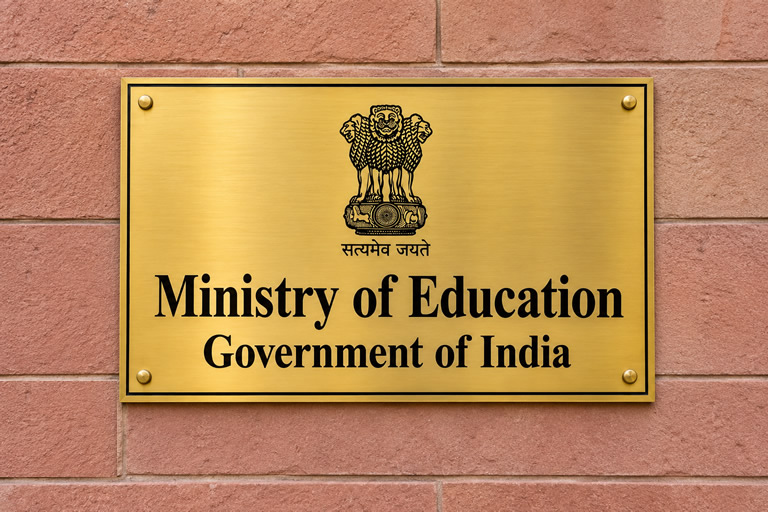
An independent consultant submitted a formal representation to the Ministry of Education (Department of Higher Education), pointing out a critical contradiction between an existing Panjab University regulation and the overarching Panjab University Act of 1947.
The Ministry’s Move
Highlighting a statutory discrepancy, the Ministry forwarded the representation to the University Registrar, noting that the University Calendar fails to enforce the Act’s 1948 cut-off year for Lahore graduates, and requested urgent clarification.
The Standoff
Despite the urgency, more than six months have passed, and the university administration has provided neither an official response nor any acknowledgment of the Ministry’s communication. The protracted silence suggests an administrative dilemma, leaving the university unsure of how to justify a regulation that appears to conflict with its parent Act.
“The university administration appears caught in a legal dilemma with no clear answer in sight.”
What Comes Next?
With a pending response and Section 33 looming in the background, Panjab University faces a choice: proactively align its regulations with the 1947 Act or risk the Central Government exercising its power to annul them.
As the six-month mark passes, all eyes remain on the Registrar’s office for an official position on this regulatory mismatch.
“Six months after the Ministry requested a response, Panjab University remains silent—leaving a clear conflict between its internal rules and the 1947 Act completely unanswered.”
“When internal university regulations clash with parent acts, prolonged administrative silence only invites executive intervention.”
“Section 33 gives the Central Government the absolute power to strike down non-compliant university proceedings—shielded completely from judicial review.”

