
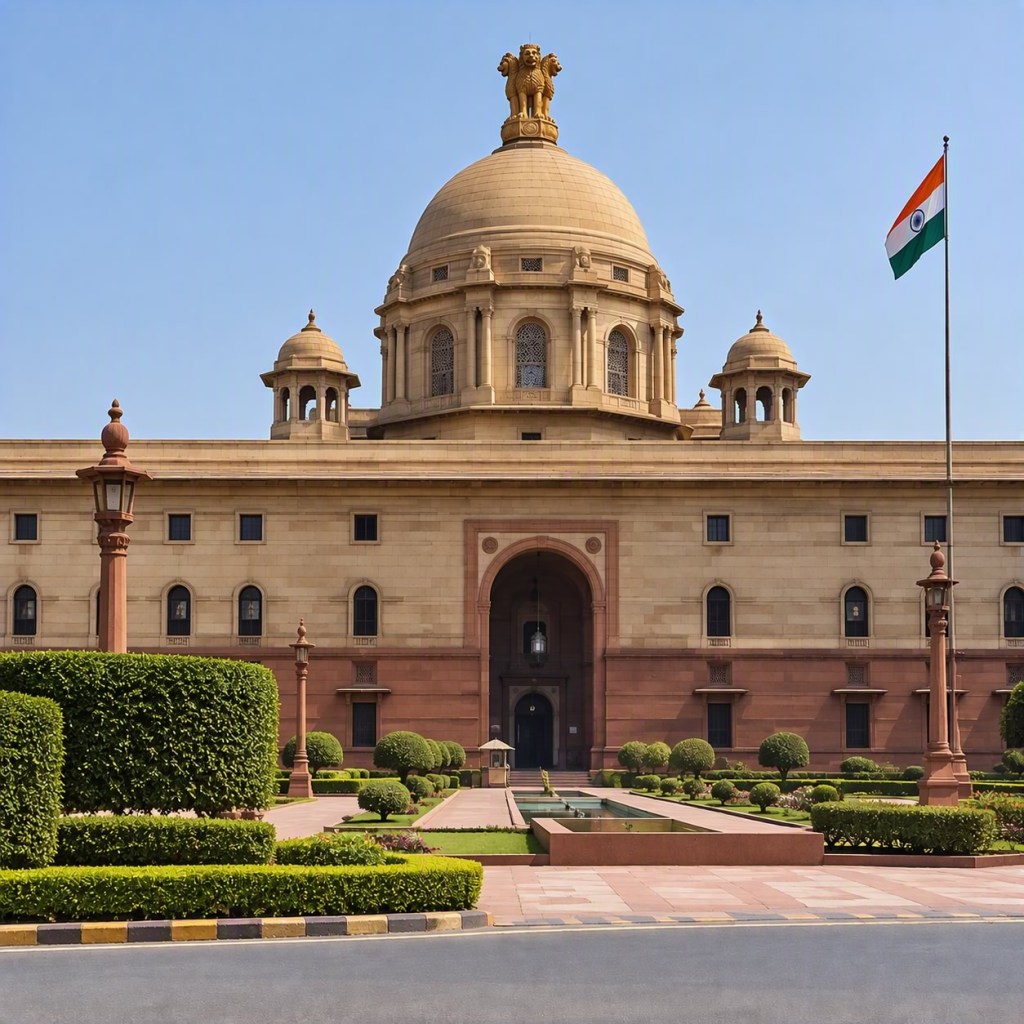
Governance in Transition: Panjab University Awaits New Senate and Vice-Chancellor
Panjab University stands at a pivotal administrative juncture after its Senate elections concluded. As the institution moves to constitute its newly elected Senate, a simultaneous leadership vacuum has temporarily paused key governance functions, highlighting the central role of statutory bodies in the university’s decision-making framework.
RTI Query Highlights Governance Challenges
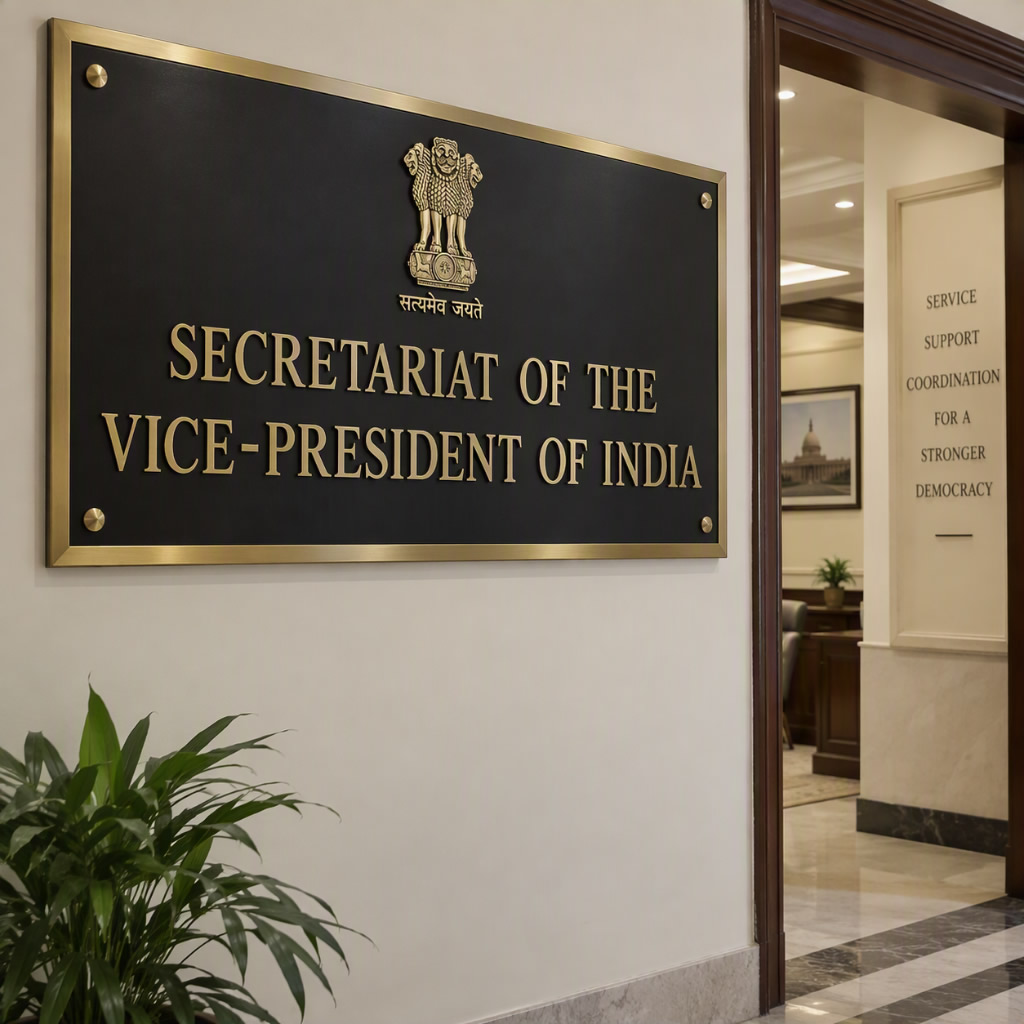
An independent consultant recently submitted a Right to Information (RTI) request to the office of the Vice President of India concerning issues related to Panjab University’s Senate elections. The Vice President’s Secretariat subsequently forwarded the matter to the university’s Vice-Chancellor, noting that Panjab University maintains the relevant records and is the appropriate authority to address the inquiry directly. The Secretariat’s response is available here.
However, developments on campus have complicated the situation. Although the Senate election process has concluded, the newly elected Senate has not yet been formally constituted. At the same time, the Vice-Chancellor’s office remains vacant, leaving the university without a regular administrative head during a crucial transition period.
Why the Senate Matters
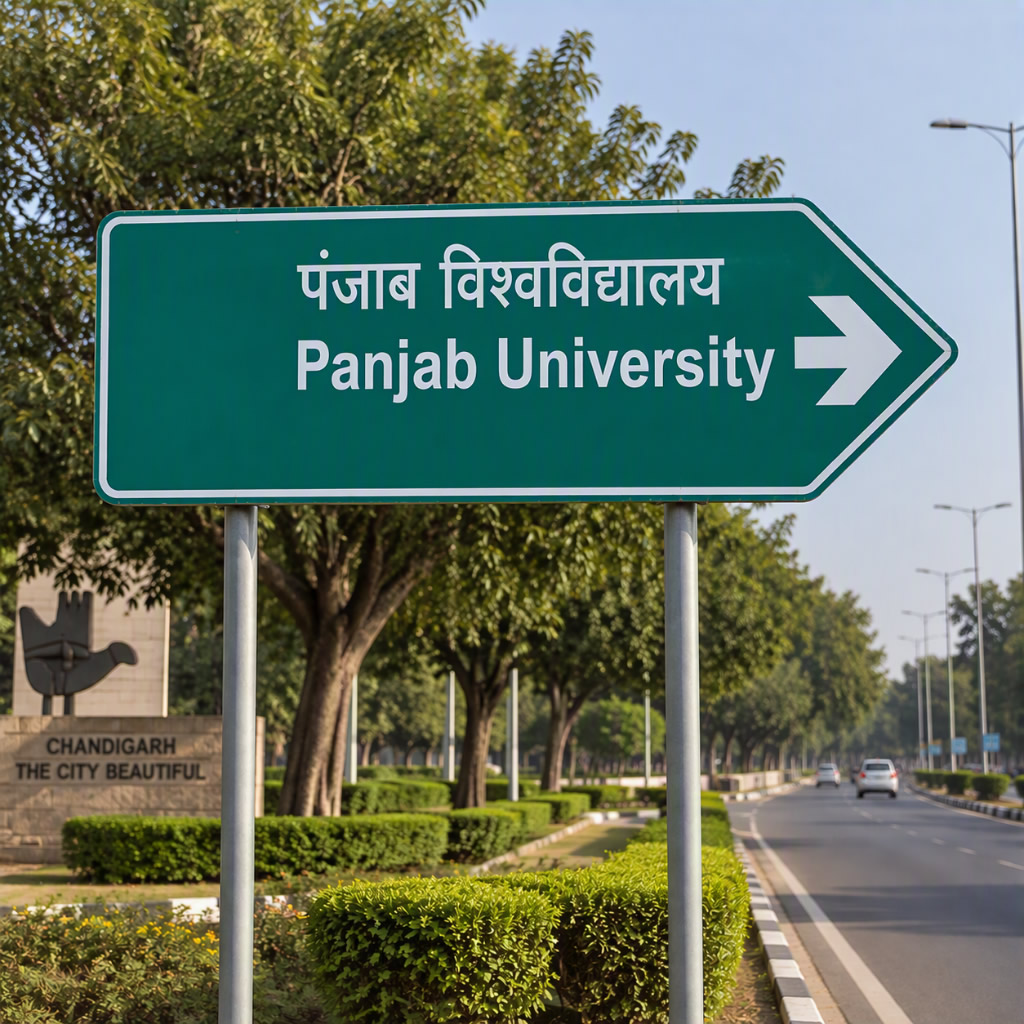
Under the Panjab University Act, 1947, the Senate serves as the university’s supreme governing and academic body. It plays a foundational role in shaping institutional policy, governance, and academic direction.
The consultant’s inquiry reportedly concerns statutory matters. Yet the university’s executive administration faces clear limitations in responding substantively. Without deliberation and approval from statutory bodies such as the Senate and the Syndicate, university officials cannot independently amend regulations, change policies, or issue definitive determinations on matters governed by university law.
This framework reflects the institution’s shared-governance system, where executive officers implement policy, but major statutory decisions require approval through established democratic and legal processes.
The Chancellor’s Constitutional Position
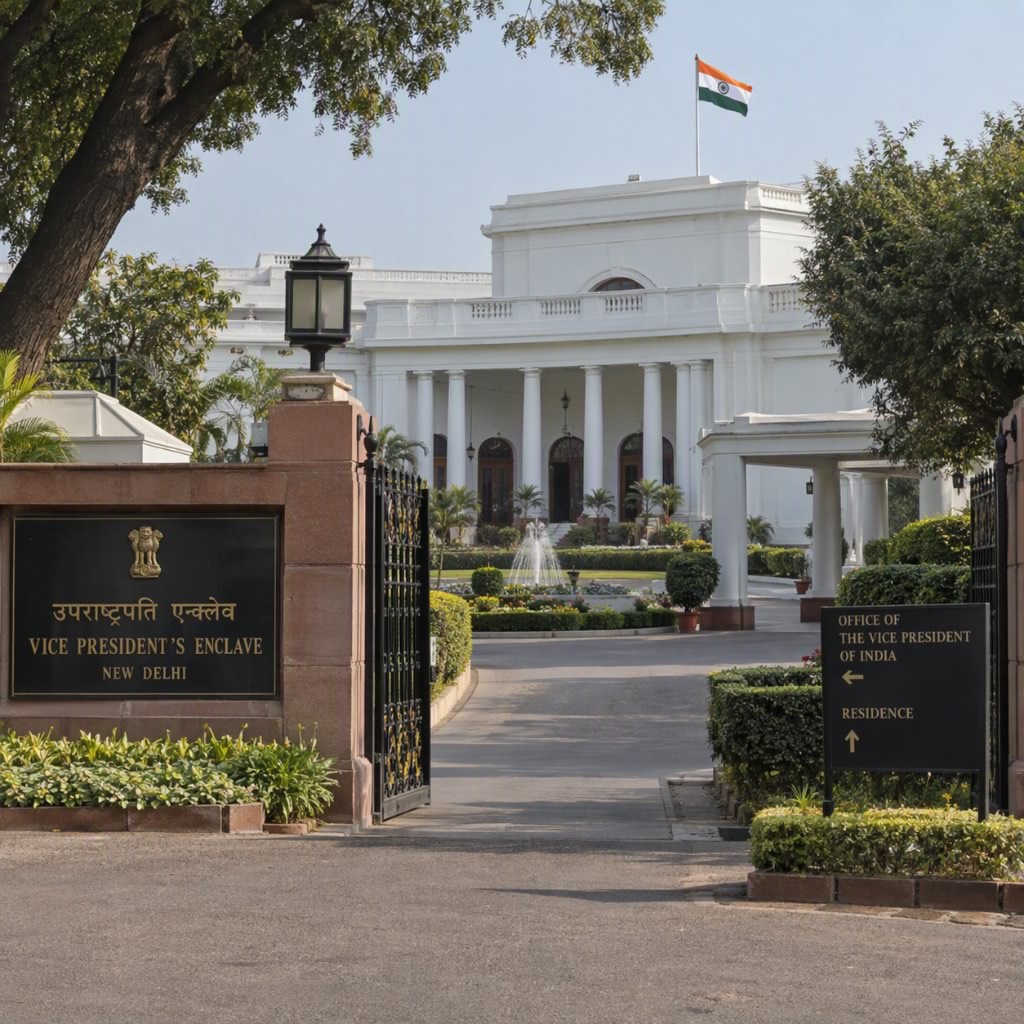
Panjab University’s governance structure makes the Vice President of India the ex officio Chancellor, the university’s highest ceremonial and statutory authority.
Although the Vice-Chancellor serves as the university’s chief academic and administrative executive, the Chancellor exercises important oversight responsibilities, including:
- Overseeing or approving the appointment of the Vice-Chancellor, generally through a search and selection process.
- Approving the constitution of the Senate and election-related processes.
- Presiding over significant university ceremonies and providing institutional guidance on major matters.
Recent exercises of these responsibilities have included approving Senate election processes, overseeing Vice-Chancellor transitions, and participating in major university inaugurations and ceremonial events.
An Institution in Interim Mode
The convergence of two developments—the formation of a new Senate and the absence of a regular Vice-Chancellor—has effectively placed the university in an interim governance phase.
While routine administrative functions continue, the current executive leadership cannot unilaterally address questions that require statutory interpretation, policy changes, or regulatory modifications. Such actions depend upon the formal functioning of the Senate and Syndicate, bodies that collectively embody the university’s legislative authority.
In practical terms, governance cannot fully resume until the institution’s democratic machinery is back in operation.
What Comes Next?
Stakeholders seeking official clarification on statutory matters may need to be patient. The next major milestones are:
- The formal constitution of the newly elected Senate.
- The appointment of a regular Vice-Chancellor.
- The resumption of Senate and Syndicate deliberations on governance matters.
Once these processes are completed, the university will be better positioned to consider and respond to substantive statutory inquiries through its established governance channels.
A Test of Institutional Governance
The current situation reminds us that universities are not governed solely through executive offices. At Panjab University, statutory bodies representing a broad range of academic and public stakeholders legitimize major decisions.
As the institution completes its transition, restoring a fully constituted Senate and permanent leadership will be essential not only for day-to-day administration but also to ensure that key governance questions receive the deliberation and authority they require.
Next Steps for the Consultant
The consultant’s inquiry raises statutory questions that extend beyond the university’s current executive administration’s authority. With the newly elected Senate not yet formally constituted and the Vice-Chancellor’s office currently vacant, no fully empowered governance framework exists to consider matters requiring statutory interpretation, policy review, or regulatory change.
Consequently, the Consultant will need to wait for the interim transition to conclude—specifically, the formal constitution of the new Senate and the appointment of a new Vice-Chancellor—before pursuing further official inquiries.
“Consultant’s inquiry concerns statutory issues that can only be addressed once Panjab University’s full governance structure is back in place.”
Note to Readers: This article is based on publicly available information and is meant for general information only. It is not legal advice or an official statement from the University or any government office. Readers should check official sources for the latest updates.

