
Lakmé Fashion Week 2026: Where Couture, Circularity and Culture Converge
From Manish Malhotra’s anticipated return and Péro’s craft-led opening to Amit Aggarwal’s futuristic finale, India’s premier fashion showcase promises a compelling mix of festive glamour, sustainable innovation and emerging creative talent.
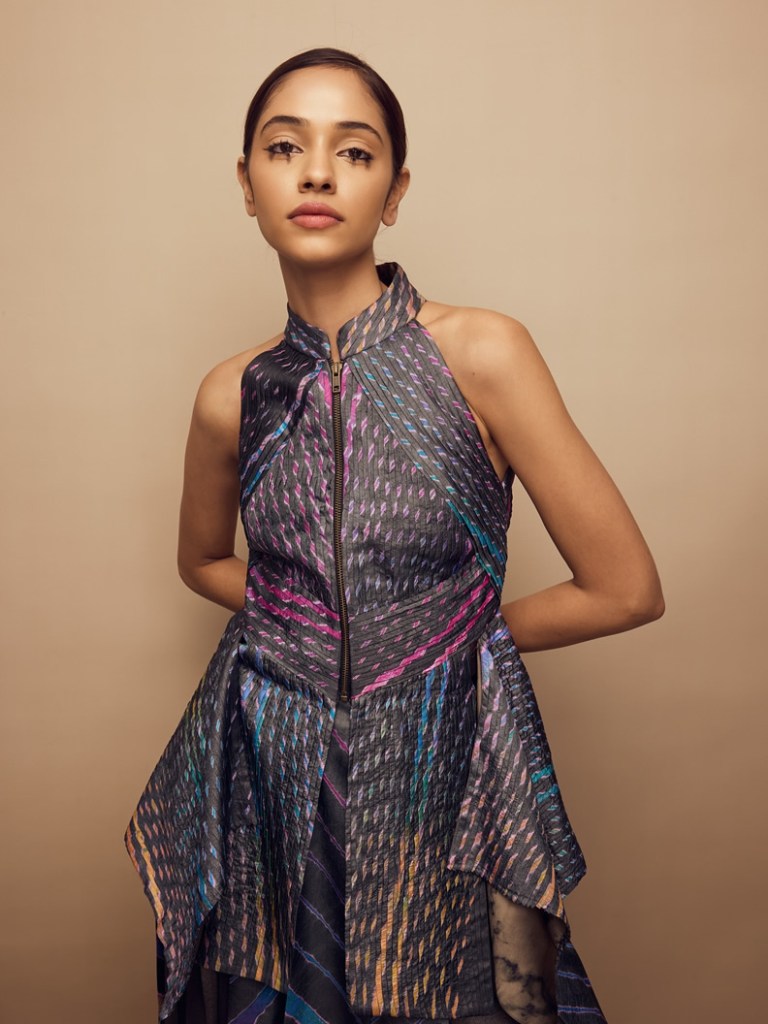
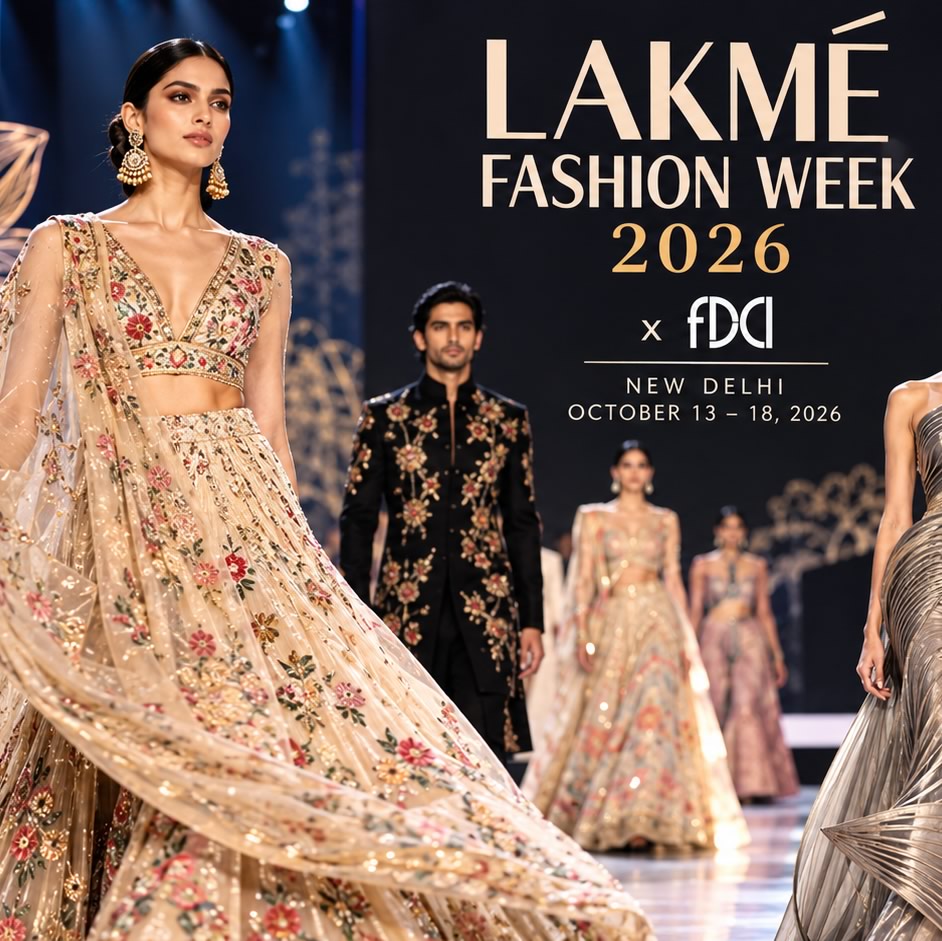
NEW DELHI, October 12, 2026 — Indian fashion is preparing for a defining six-day celebration as Lakmé Fashion Week x FDCI Winter/Festive 2026 returns to the capital from October 13 to 18, bringing together more than 50 designers and labels, including 16 debutants. With the iconic Taj Palace hosting the main runway shows from October 14, the upcoming edition promises to be more than a showcase of seasonal trends. It is a statement about the evolving identity of Indian fashion—where couture meets contemporary culture, traditional craftsmanship embraces material innovation, and sustainability becomes an increasingly important part of the industry’s creative vocabulary.
Now more than 25 years into its journey, Lakmé Fashion Week has established itself as an influential platform for Indian designers, luxury labels, emerging talent, and international creative exchange. This season, its expansive calendar brings together established couturiers, independent designers, sustainable-fashion pioneers and students ready to make their mark on the national stage.
The result is a fashion narrative that looks simultaneously backward and forward: rooted in India’s extraordinary textile heritage while responding to changing consumer expectations, global design conversations and the growing demand for more responsible production.
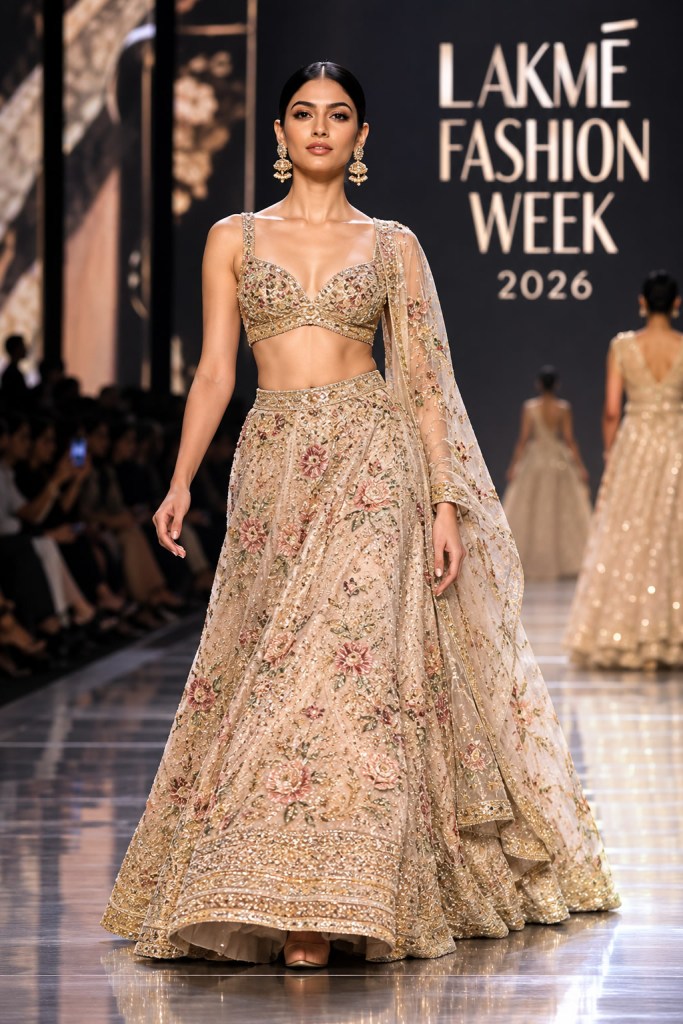
Péro Opens the Week with a Celebration of Craft
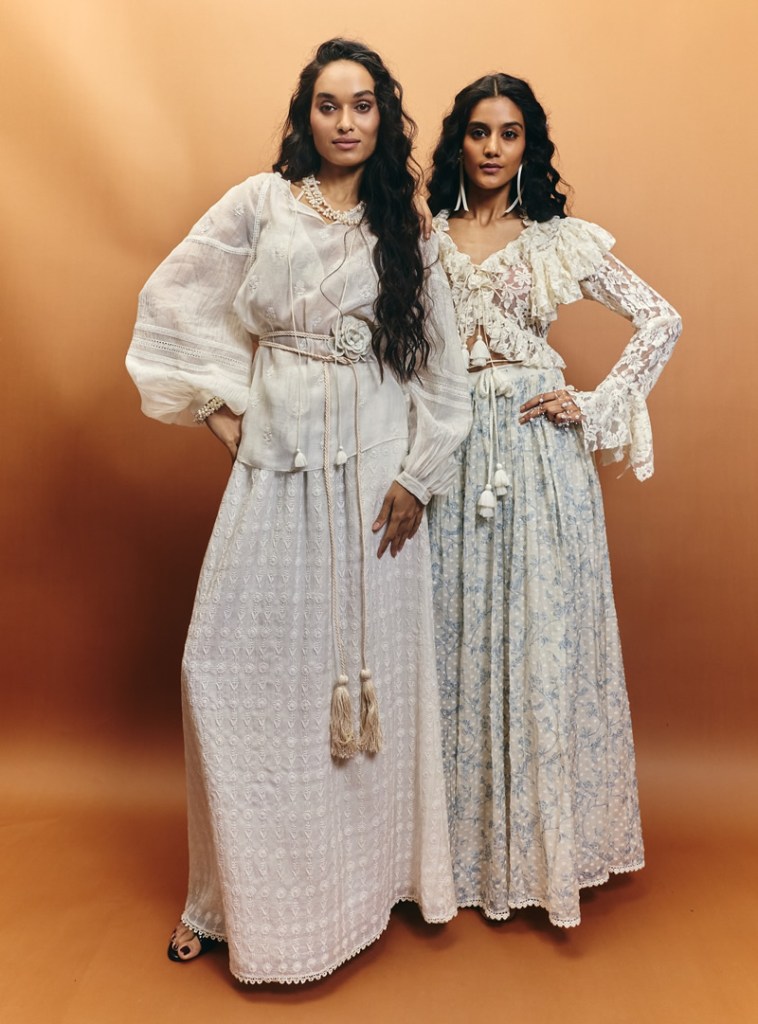
The opening runway sets the tone for the season, with Péro by Aneeth Arora, presented by Lakmé x Tira, bringing its distinctive world of hand-woven textures, artisanal techniques and whimsical storytelling to the forefront.
Péro’s design philosophy offers a refreshing counterpoint to fashion’s obsession with speed and constant reinvention. Its emphasis on handmade details, tactile materials, and thoughtful craftsmanship shows how heritage techniques can stay relevant without sacrificing contemporary appeal.
The opening showcase is therefore more than a ceremonial beginning. It signals the importance of individuality, textile traditions and the human stories embedded in clothing.
In an era when digital visibility often overshadows the process behind a garment, Péro’s craft-forward aesthetic reminds us that fashion’s enduring value lies as much in the hands that make it as in the image that ultimately reaches the runway.
Manish Malhotra Returns with Festive Grandeur
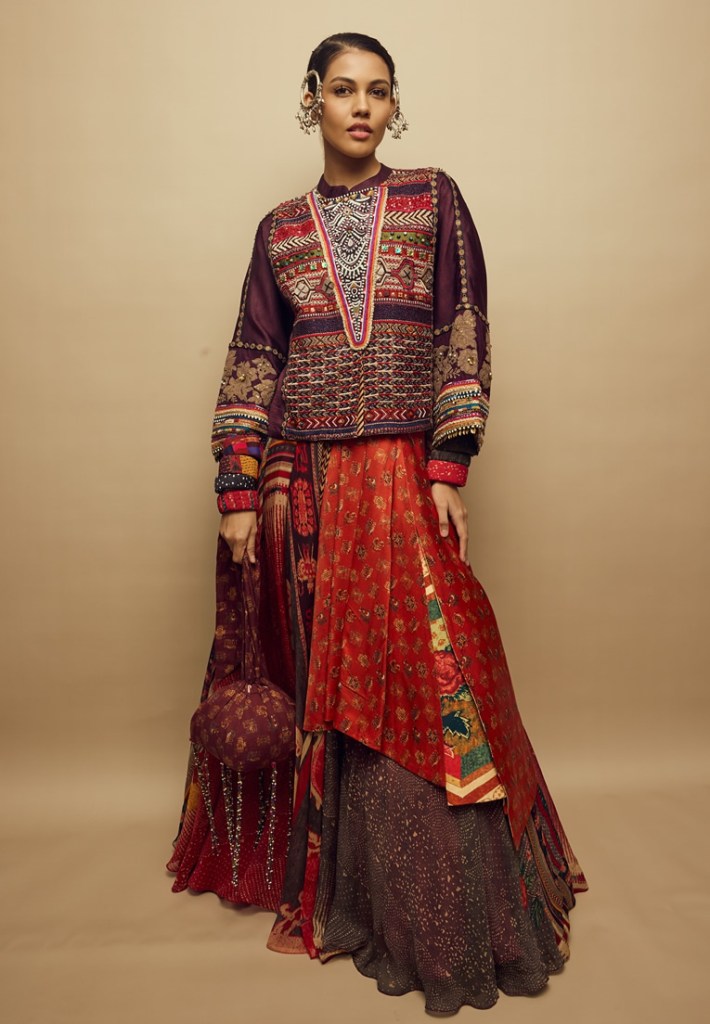
One of the week’s most anticipated moments will be Manish Malhotra’s return to the Lakmé Fashion Week stage after a three-year absence.
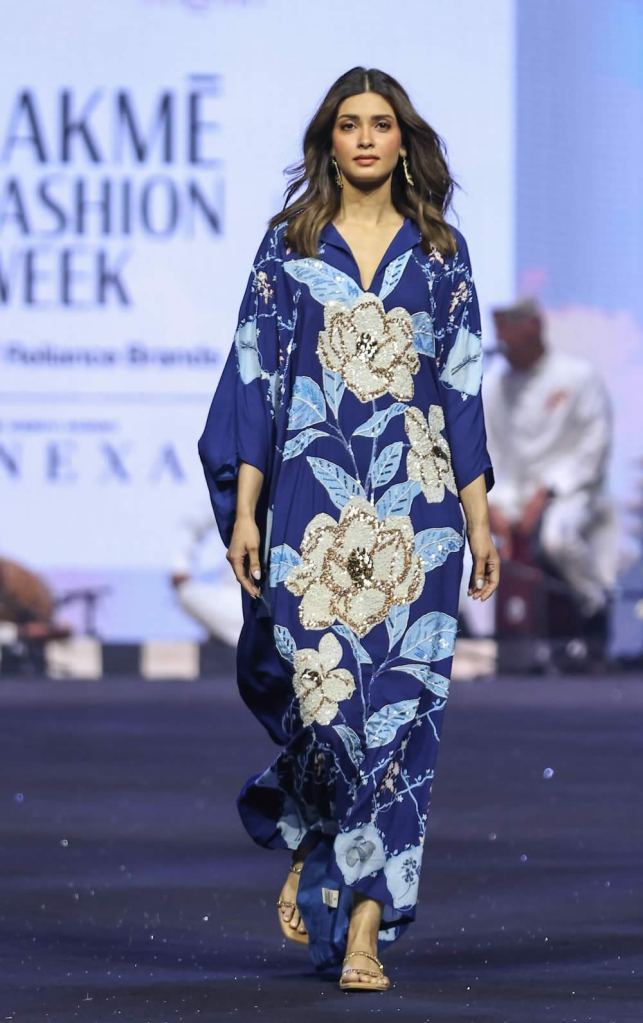
Presented by Maruti Suzuki NEXA, the celebrated couturier will unveil his Luxury Pret Festive Edit, bringing his signature understanding of Indian occasion wear to a contemporary festive wardrobe.
Malhotra’s return adds considerable star power to a schedule shaped by the demands of India’s wedding and celebration seasons. His design universe, defined by opulent embellishment, glamorous silhouettes, and cinematic sensibilities, holds a distinctive place in the country’s fashion landscape.
Yet the appeal of luxury festive dressing increasingly depends on versatility as well as spectacle. Contemporary consumers want pieces that deliver visual impact while adapting to changing occasions, styling preferences, and personal expression.
The Luxury Pret Festive Edit will be an opportunity to see how one of India’s most recognizable fashion names approaches that evolving balance between tradition, glamour, and modern luxury.
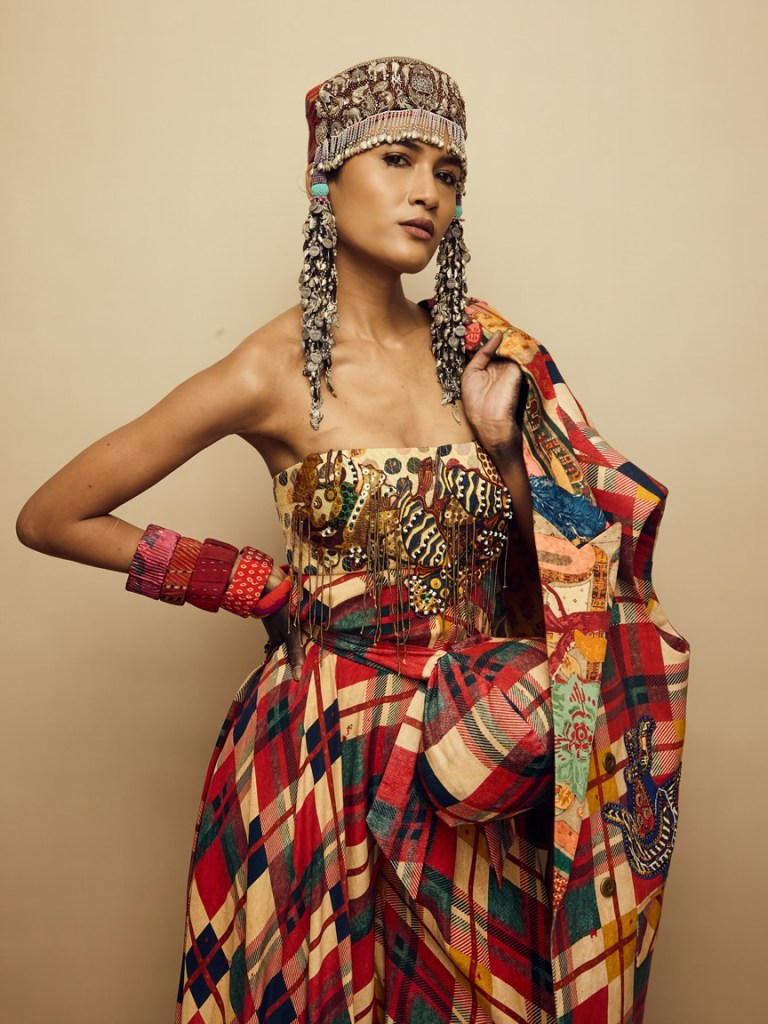
Amit Aggarwal to Close with a Futuristic Finale
If Péro establishes a connection with craft, the closing showcase promises to look toward the future.
AM.IT by Amit Aggarwal will headline the House of Lakmé Grand Finale on October 18, bringing the event to a close with a design language known for architectural forms, fluid draping and the interplay between industrial innovation and artisanal technique.
Aggarwal’s work challenges conventional expectations of how fabric should behave and how a silhouette should be constructed. His aesthetic frequently explores sculptural volume, unconventional material treatments and the relationship between fashion, art and engineering.
The finale is expected to provide a striking counterpoint to the week’s more traditional interpretations of festive dressing. It also reinforces an important characteristic of contemporary Indian fashion: its growing confidence in experimentation, material exploration and globally relevant design.
Together, the opening and closing showcases frame the week as a conversation between craftsmanship and innovation—two forces that need not compete, but can instead strengthen one another.
Established Masters, New Interpretations
Beyond its headline moments, the schedule brings together an impressive range of designers exploring India’s diverse fashion vocabulary.
Couture stalwarts Tarun Tahiliani and Suneet Varma of SV Label will bring their distinctive interpretations of elegance and celebratory dressing to the runway. Their participation reinforces the enduring appeal of refined craftsmanship, intricate detailing, and the grandeur of Indian occasion wear.
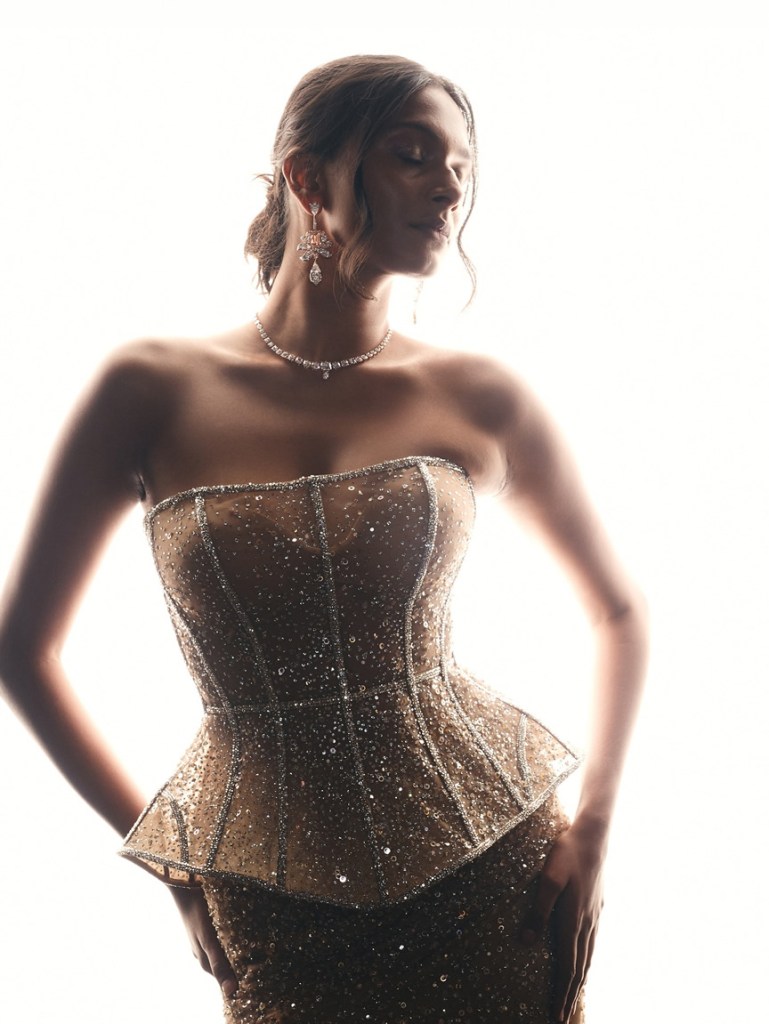
Namrata Joshipura, presented by OPPO, returns with her characteristic combination of contemporary tailoring and high-shine embellishment. Her aesthetic reflects the continuing evolution of modern evening wear, where strong silhouettes and expressive finishes can coexist with understated structure.
Elsewhere, Samant Chauhan presents a collectibles collaboration with Jaisalmer Crafted Bar, while Ashish N Soni, in collaboration with Arvind, brings his refined approach to structure and tailoring to the program.
Bridal fashion gets a dedicated spotlight through MAYA by Anushree Reddy, which partners with Lakmé Salon for a romantic presentation that blends couture and beauty. With weddings continuing to shape a significant part of India’s occasion-wear market, such showcases offer a glimpse into how designers are refreshing the visual language of bridal dressing.
The festive narrative extends to menswear, with showcases from TASVA, Ethnix by Raymond through its Wedding Stories presentation, Countrymade and Pawan Sachdeva. Their participation highlights the increasing diversity of men’s celebratory wardrobes, from traditional wedding attire to contemporary interpretations of Indian formalwear.
The wider designer roster includes PRAMA by Pratima Pandey, Rahul Singh, Sanjukta Dutta, Shahin Mannan, Siddhartha Bansal, Aikeyah, FARAK and Guapa. Together, these labels contribute to a program that spans varied aesthetics, regional influences and approaches to contemporary Indian design.
The broader message is clear: festive fashion is no longer a single visual category. It is an expanding space where personal identity, craftsmanship, experimentation, and cultural expression intersect.
Beyond Borders: Fashion as Cultural Diplomacy
International exchange adds another dimension to the 2026 edition.
The FDCI x Moscow Fashion Week collaboration will bring Russian designer Sergey Sysoev into dialogue with Indian designers including Samant Chauhan and Suneet Varma. Such exchanges create opportunities to explore how different design cultures interpret craftsmanship, contemporary luxury and the relationship between heritage and modernity.
The program also includes Eccellenza, a special showcase celebrating Italian craftsmanship in collaboration with the Italian Trade Agency and Confartigianato. Italy’s long-standing association with artisanal excellence, luxury manufacturing and material innovation makes this an opportunity to examine shared values across distinct fashion traditions.
Another notable presentation, The Fifth Season, turns attention to Ladakh, highlighting the region’s heritage, textiles and distinctive craftsmanship.
This focus is especially significant. India’s fashion identity cannot be reduced to a single aesthetic or a handful of metropolitan design centers. Its richness lies in the diversity of regional techniques, materials, communities and cultural histories that continue to inspire contemporary creators.
By bringing these influences into a national fashion platform, Lakmé Fashion Week can help widen the conversation about what Indian fashion represents—and who gets to shape its future.
Sustainability Moves from the Sidelines to the Spotlight
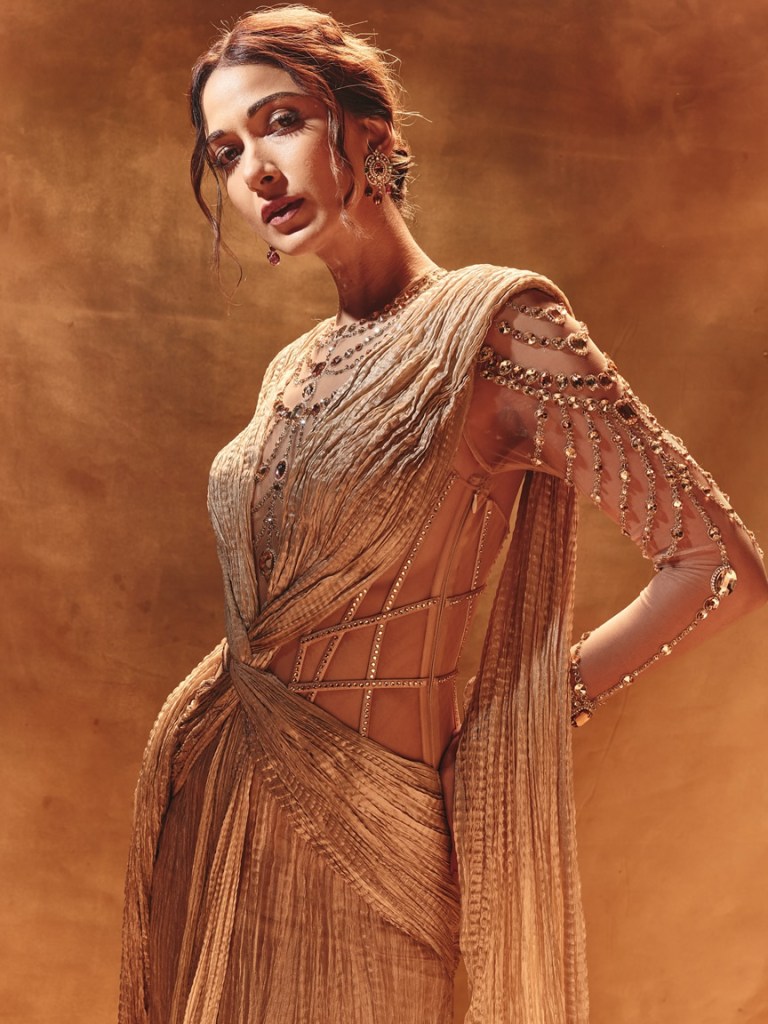
Perhaps the season’s most consequential theme is sustainability.
Fashion’s environmental footprint, resource consumption, and dependence on rapid production cycles have intensified calls for alternative approaches to designing, manufacturing, and consuming clothing. In this context, the industry’s challenge is not simply to promote sustainability as an attractive concept, but to translate it into practical design decisions and production methods.
The R|Elan Circular Design Challenge, organized in partnership with the United Nations in India, will hold its finale on October 13 at the Embassy of France. The showcase will spotlight international pioneers working toward more environmentally conscious approaches to fashion.
Its focus on circularity highlights the entire lifecycle of a garment: the materials used, the waste generated during production, opportunities for reuse and recycling, and the potential to extend a product’s useful life.
Another noteworthy collaboration brings streetwear label HUEMN together with R|Elan, combining an edgy urban aesthetic with innovative sustainable fabrics. The partnership illustrates how responsible material choices can enter contemporary fashion without losing the visual energy and cultural relevance that define streetwear.
Sustainability also appears across independent and artisanal platforms featuring Somya Goyal, Anurag Gupta | Artisanal, TIL, Mini Sondhi, and ORCR.
The key question is whether these initiatives can make circularity an integral part of fashion design rather than an occasional theme. Material innovation, waste-conscious construction, and the preservation of regional craft traditions all play a role, but their long-term significance will depend on how consistently they are adopted.
For the industry, the opportunity is substantial: to demonstrate that creativity and environmental responsibility can reinforce each other.
The Next Generation Takes Center Stage
A fashion week also measures the talent it helps bring into the industry. With 16 debutants among more than 50 participating designers and labels, the 2026 program places considerable emphasis on emerging creative voices.
NIF Global GenNext will feature labels including Day & Age, Subbah and Abhishek Chauhan Studio, giving newer designers a platform to present their ideas to a wider audience.
NEXA The Spotlight will showcase high-potential labels such as LineTribe and Richa Khemka, while FDCI x Pearl Academy First Cut will connect academic design talent with the professional runway.
These platforms matter because emerging designers often bring different perspectives on identity, gender, materials, consumer behavior, and the role of technology in fashion. Their work can challenge established conventions and introduce new visual languages that eventually influence the wider industry.
For young labels, however, runway visibility is only the beginning. Access to manufacturing, business mentorship, distribution, responsible sourcing and commercially viable production models can be equally important in turning creative promise into sustainable careers.
The real measure of a successful talent-development platform is therefore not merely how many new names appear on the runway, but how effectively those opportunities translate into lasting professional momentum.
The Trends to Watch: Craft, Structure and Circularity
Several broader directions are likely to shape the conversation around this edition.
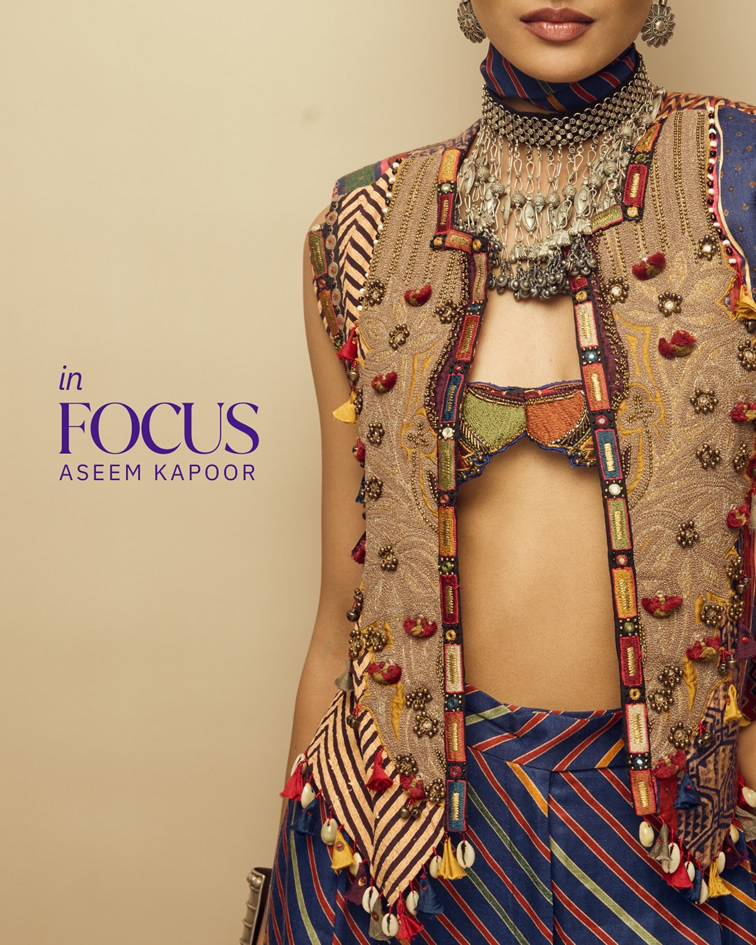
Crafted streetwear reflects the continuing convergence of relaxed utility, fluid tailoring and traditional textiles. The result is clothing that can draw on cultural heritage while fitting into contemporary urban lifestyles.
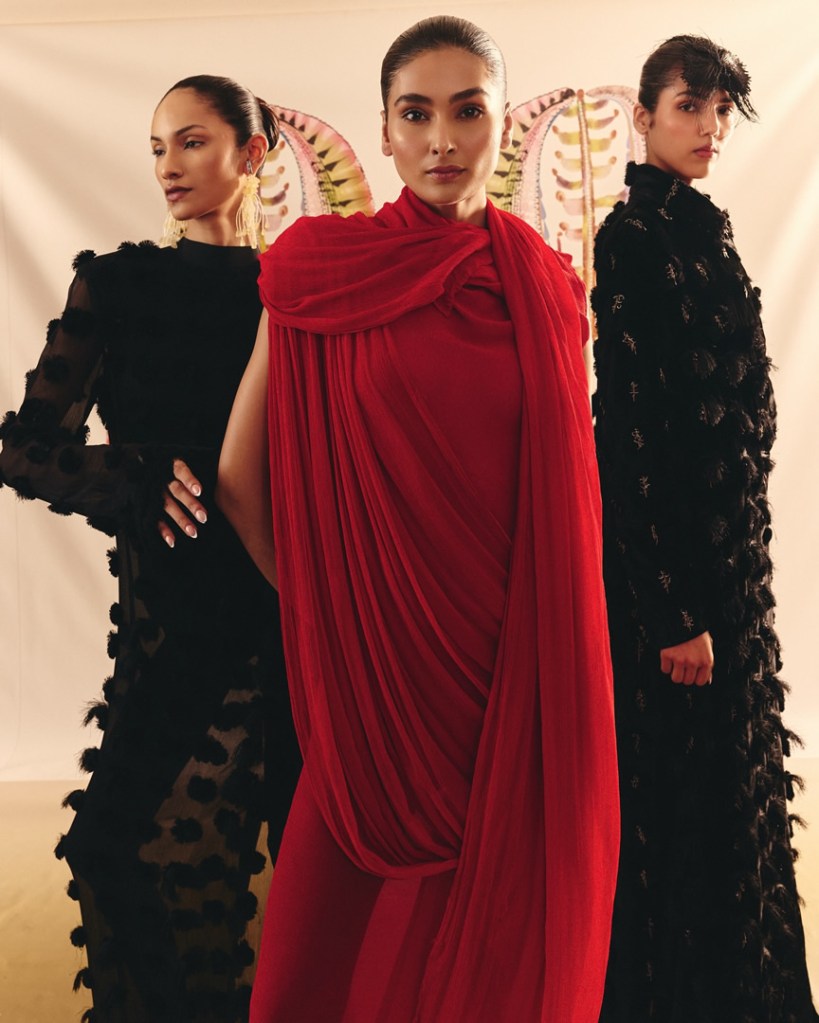
Structural elegance points toward architectural draping, carefully constructed silhouettes and traditional embroidery reinterpreted for modern festive dressing. Rather than treating heritage and experimentation as opposites, designers increasingly use both to create distinctive forms.
Circular design places renewed emphasis on recycled materials, waste-conscious cutting and the responsible use of resources. Its importance extends beyond individual collections: it invites the industry to reconsider how garments are designed, produced, valued and eventually reused.
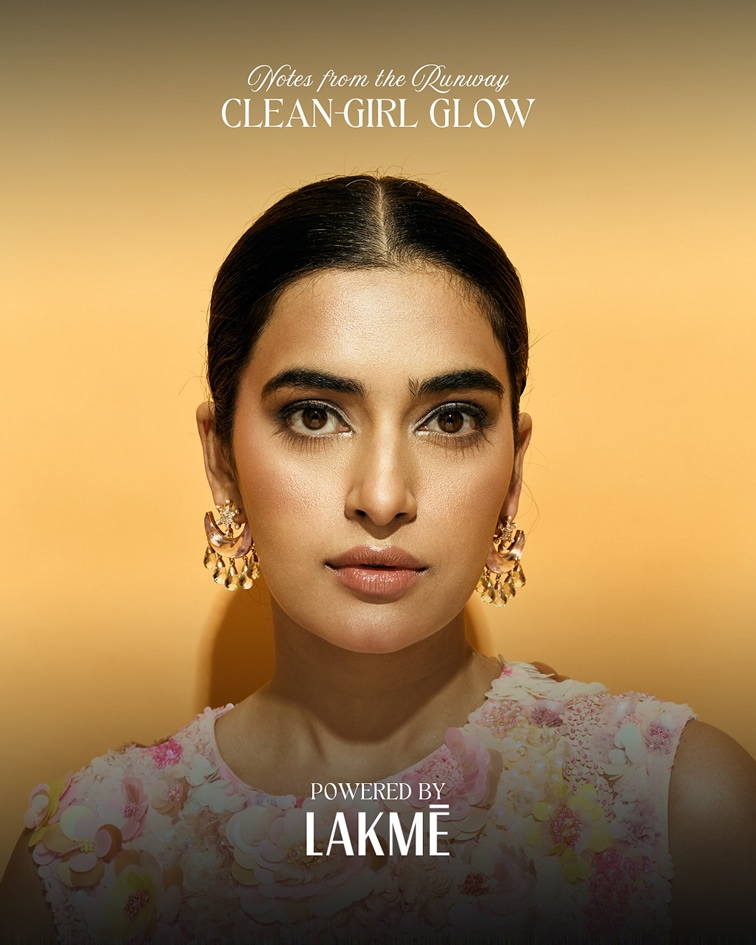
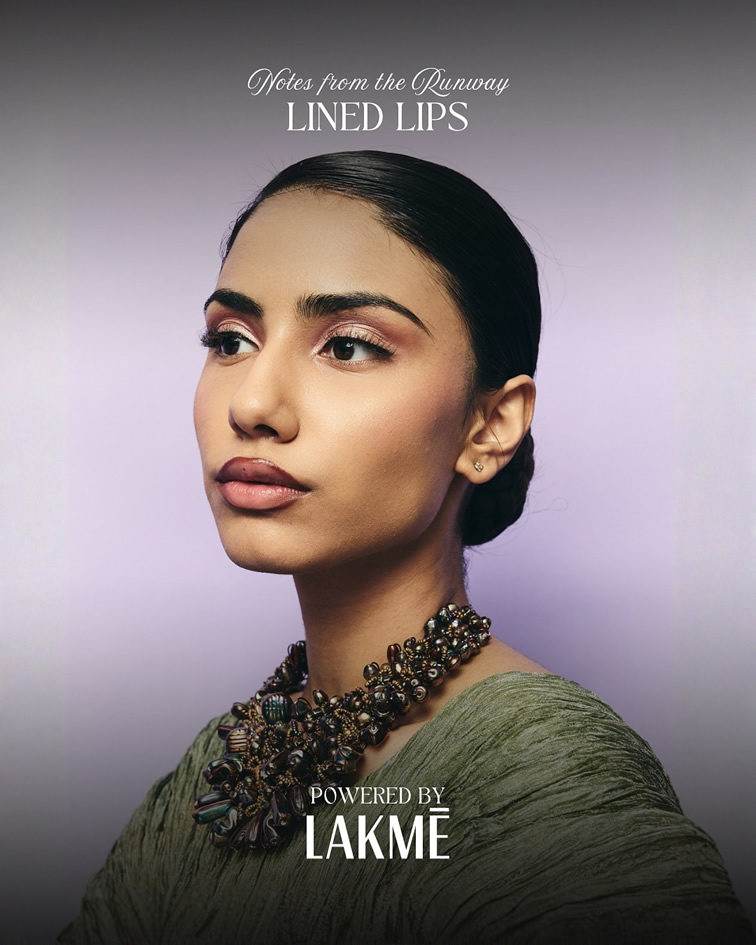
Beauty will complete the fashion narrative. Through the House of Lakmé, the season’s beauty direction is expected to emphasize fresh, luminous, skin-first looks that complement the clothing rather than overpower it. This approach aligns with the broader shift toward beauty that enhances individual expression while maintaining a polished, contemporary finish.
Taken together, these directions suggest a season in which fashion’s appeal will rest on more than dramatic silhouettes or celebrity moments. The conversation will also involve material intelligence, versatility, cultural identity, and the stories behind the clothes.
A Fashion Week with a Wider Purpose
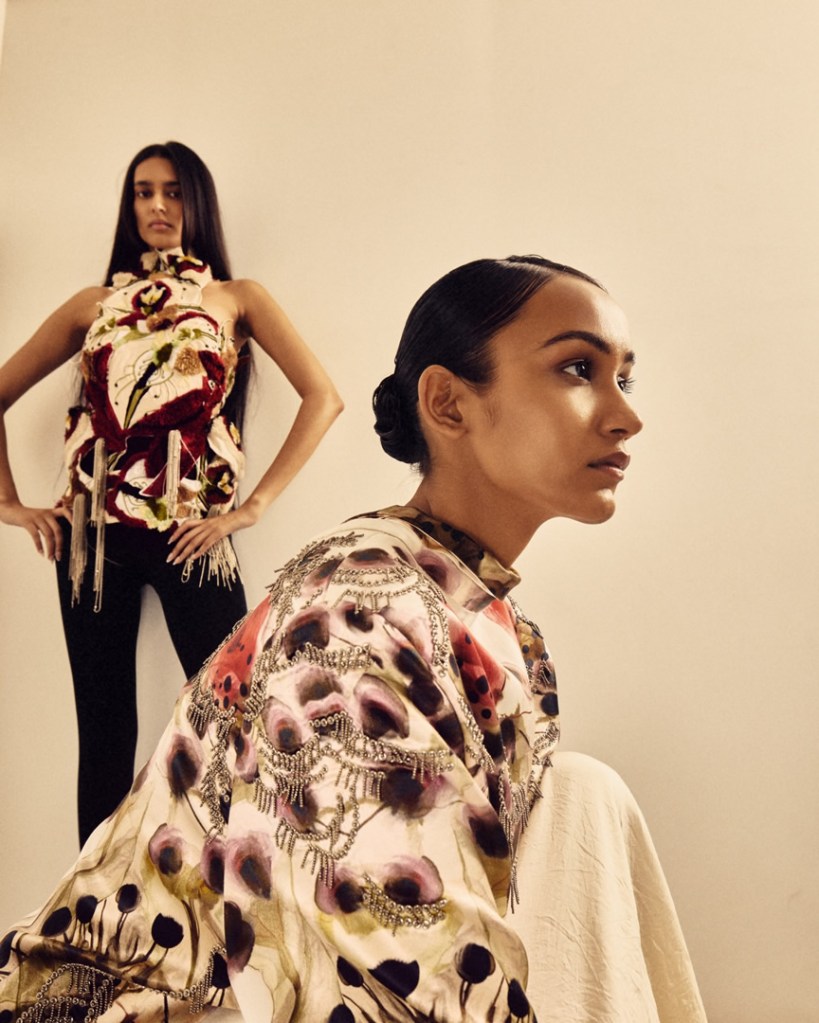
Lakmé Fashion Week x FDCI Winter/Festive 2026 arrives at a moment when Indian fashion is negotiating several identities at once: a custodian of extraordinary craft traditions, a growing force in contemporary global design, a commercial industry responding to changing consumer expectations, and a creative sector under increasing pressure to address sustainability.
Its program brings these ambitions into a single space.
Péro’s craft-led opening, Manish Malhotra’s anticipated return, the international exchanges, the spotlight on Ladakh’s heritage, the circular-design initiatives and Amit Aggarwal’s futuristic finale each represent a different facet of that evolving story.
The presence of emerging designers is equally important. The next chapter of Indian fashion will depend not only on established names continuing to innovate, but also on whether new talent receives the visibility, resources and opportunities required to build lasting careers.
Ultimately, the significance of this edition will be measured by more than the collections unveiled between October 13 and 18. It will lie in the ideas that move beyond the runway: renewed appreciation for craftsmanship, stronger pathways for young designers, meaningful international collaboration and a more serious commitment to responsible fashion.
For six days, New Delhi will become a meeting point for glamour, artistry and ambition. The larger challenge—and opportunity—is to ensure that the creativity on display helps shape an Indian fashion industry that is not only visually compelling, but culturally confident, commercially resilient and increasingly conscious of its impact.
Lakmé Fashion Week x FDCI Winter/Festive 2026 is set to be a celebration of where Indian fashion has been, where it stands today, and where it might go next.

