
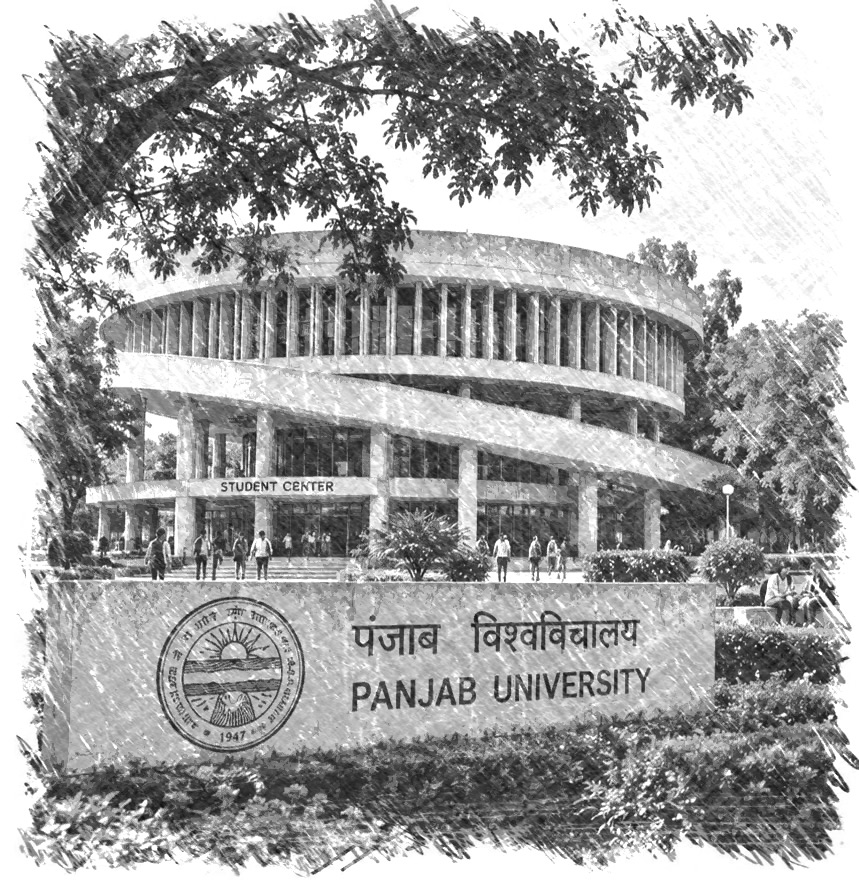
When Laws Clash, and the Senate is Silent
If you’ve been following the administrative heartbeat of Panjab University lately, you know that governance here is rarely just a matter of paperwork—it is a complex dance of statutes, elections, and legal oversight.
A fascinating structural scenario has recently unfolded: An independent consultant has flagged an inconsistency between a university regulation in the Calendar and the parent Panjab University Act, 1947, bringing it straight to the doors of the Ministry of Education. But there is a catch—at this exact moment, the university is between Senates, navigating the crucial phase of elections.
What happens when a central ministry flags a rule discrepancy, but there is no active Senate or Syndicate to fix it? Let’s break down how the law, institutional history, and democratic process handle this unique transitional puzzle.

Step 1: Who Has the Power to Fix University Rules?
Under the Panjab University Act, 1947, the Senate is the supreme governing and academic body. If a regulation printed in the University Calendar conflicts with the parent Act, the Act always wins. The Senate has the clear statutory power to amend or repeal these rules to bring them into alignment.
However, the parent Act also has teeth. Under Section 33, the Central Government (specifically the Department of Higher Education, Ministry of Education) holds supervisory authority. If the government notifies the university that a regulation is inconsistent, it has the ultimate power to require conformity—and even annul non-conforming rules by official notification if necessary.
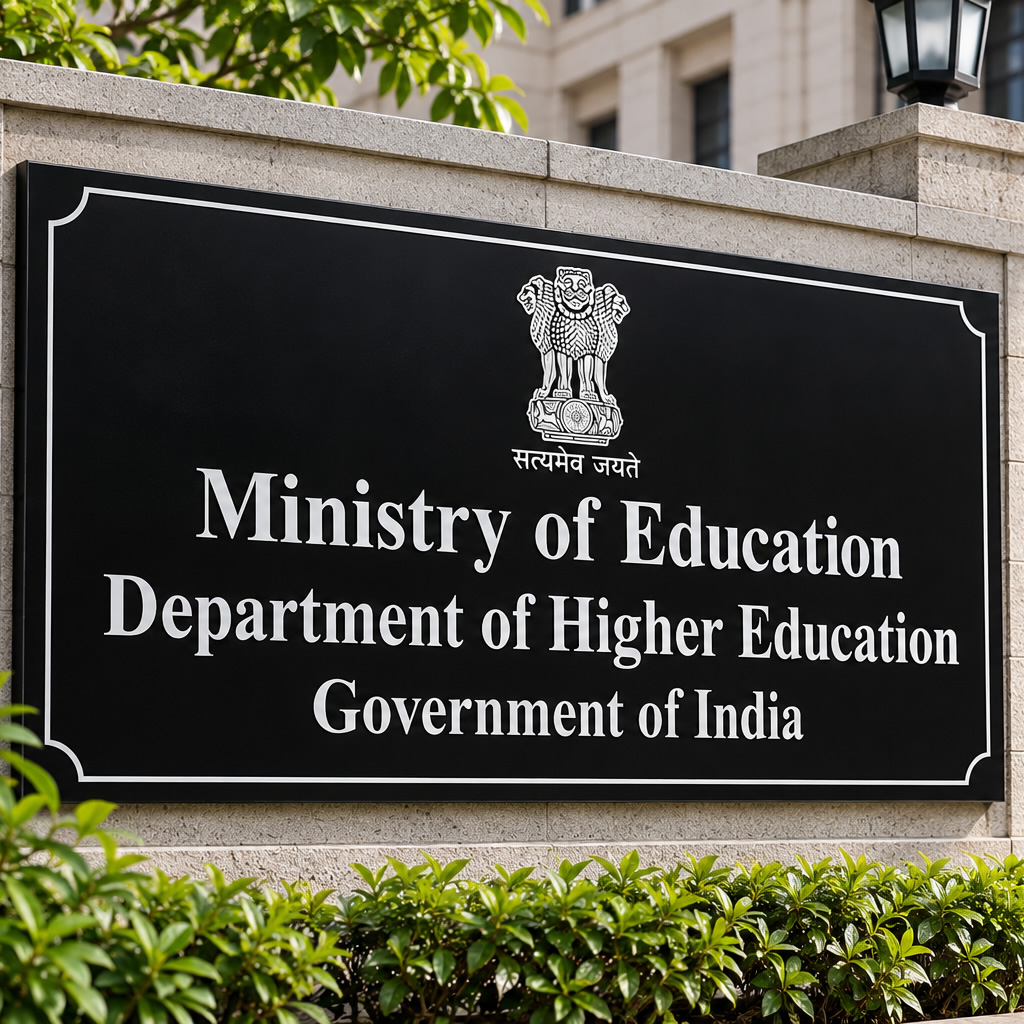
Step 2: The Independent Consultant’s Representation and the Current Vacuum
The current friction started when an independent consultant filed a formal representation with the Ministry of Education, pointing out a mismatch between a university regulation and the 1947 Act. Acting on this, the Ministry wrote to the University Registrar.
Ordinarily, the Registrar would place this before the Syndicate and Senate. But right now? The university has no active Senate or Syndicate because elections are currently underway.
Under university governance rules, administrative officers like the Registrar cannot unilaterally rewrite regulations, change policy, or make legislative fixes on their own. Without a functioning Senate, the current administration faces a temporary administrative pause.
Step 3: What History Tells Us About Panjab University’s “Transit Periods”
This isn’t the first time Panjab University has navigated a transitional governance window. Historically, hiatuses between Senate terms follow a familiar script:
- The Legislative Freeze: While day-to-day operations, student services, and routine administration hum along smoothly, major structural changes and Calendar amendments are strictly frozen. Executive administrators simply do not have the legal authority to legislate.
- The Holding Action: When external bodies raise compliance issues during a non-Senate period, the institutional response is typically a procedural holding action. The Registrar acknowledges the communication, notes the ongoing electoral process, and preserves the file.
- Respecting Democratic Continuity: While the Central Government theoretically holds reserve powers to intervene in emergencies, history shows that higher authorities generally prefer to let the democratic electoral process run its course, allowing the newly elected members to exercise their rightful statutory mandate.
The Road Ahead: What Happens Next?
Because of the ongoing elections, the university administration cannot immediately execute a substantive regulatory amendment.
Instead, the process looks like a paused film reel:
- The Acknowledgment: The administration records the Ministry’s communication and the consultant’s representation.
- The Waiting Period: The electoral machinery completes its work to form the new House.
- The Legislative Resolution: Once the Senate is fully elected, constituted, and operational, the Registrar will formally table the matter before it. The new Senate will then debate the inconsistency and pass the necessary amendments to bring the University Calendar back into perfect harmony with the 1947 Act.
In a historic institution like Panjab University, rule-making is built on checks, balances, and legal precision. Even when an administrative pause slows things down, the framework ensures that once the democratic house is back in session, the law will be set right.
“Without a functioning Senate, the university administration faces a temporary administrative pause. Executive officers cannot unilaterally rewrite regulations—the democratic house must be back in session for the law to be set right.”
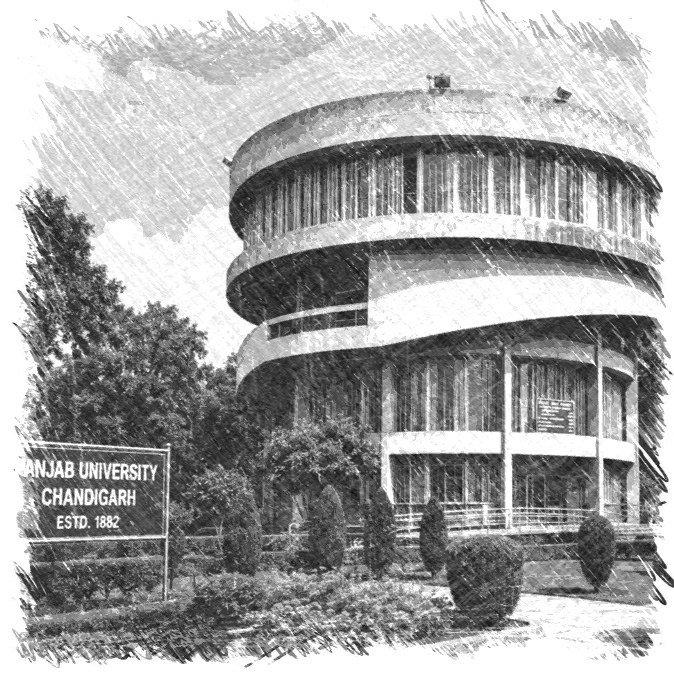
Panjab University (PU) is a prominent public state university in Chandigarh, India, funded by the State and Union governments. It originated from the University of the Punjab, founded in Lahore in 1882, and was established in 1947 following India’s partition. The university subsequently relocated to its current campus in Sector 14, Chandigarh.

