
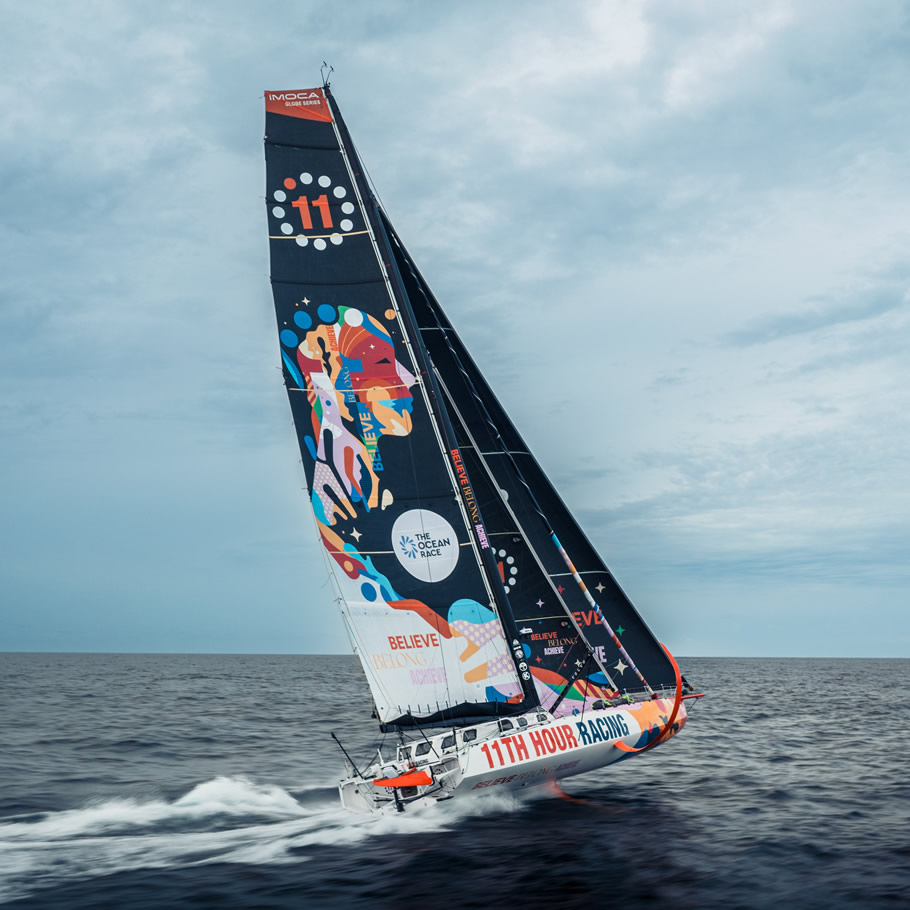
The Ocean Race Atlantic: Eight Days, Three Thousand Miles and a Glimpse of Sailing’s Future
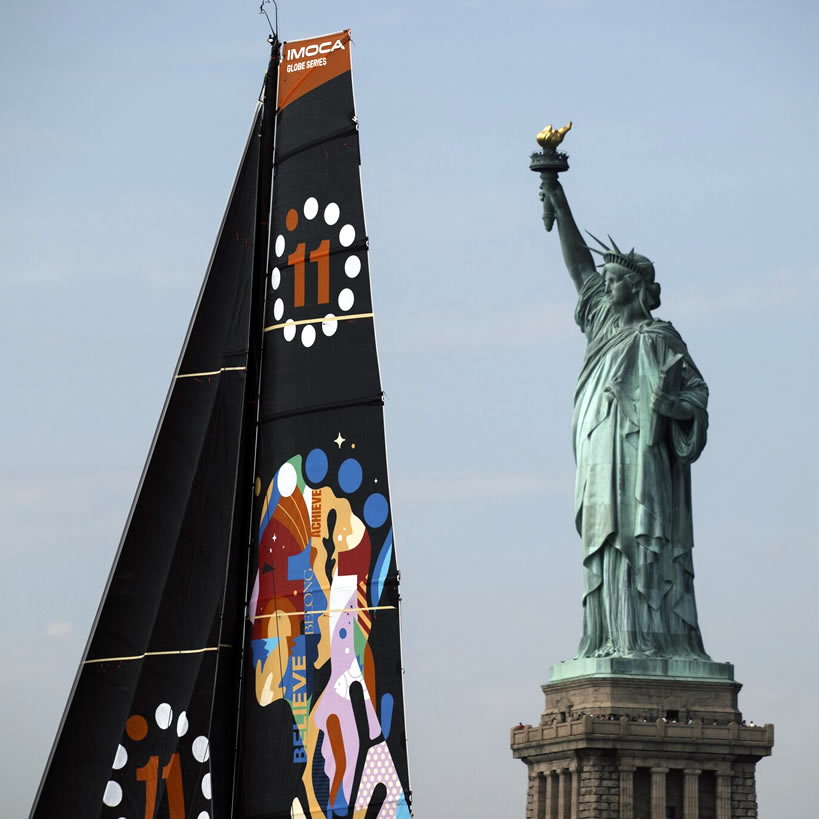
From the Statue of Liberty to the shores of Lorient, France, The Ocean Race Atlantic turned a transatlantic sprint into a dramatic showcase of speed, resilience, innovation and ocean responsibility.
There are races that are won at the finish line—and races that reveal themselves long before the boats get there.
The inaugural The Ocean Race Atlantic was both.
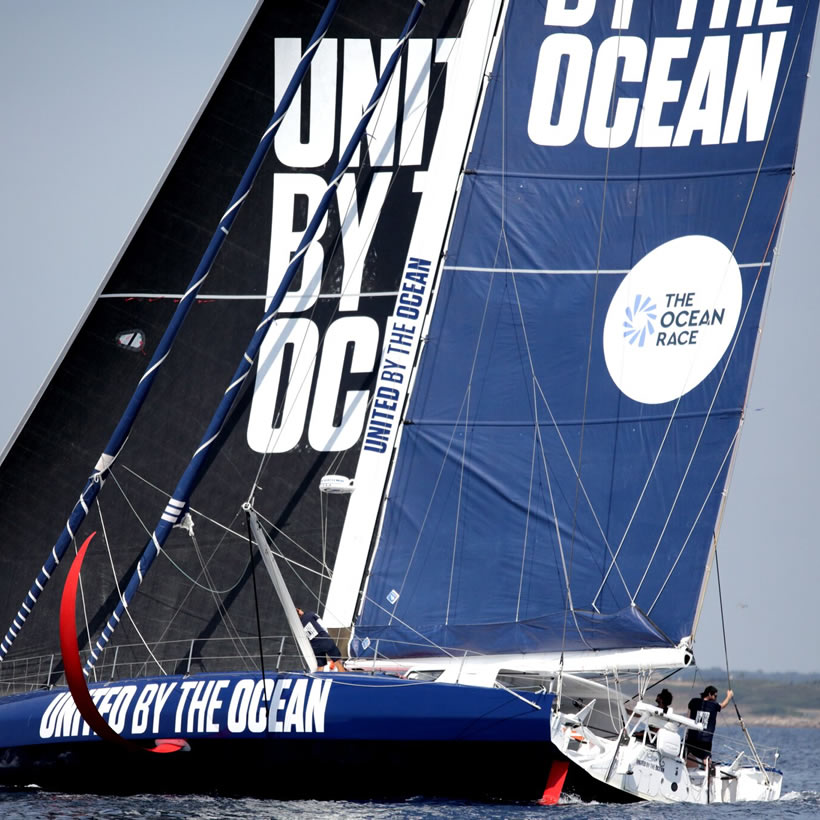
Six high-performance IMOCA foiling yachts left New York City for Lorient, France, covering roughly 3,000–3,200 nautical miles across the Atlantic. Less than ten days later, Paul Meilhat’s United by the Ocean emerged victorious after a breathtaking contest in which just 27 minutes separated the top four boats.
But the race’s significance went well beyond the final result.
For an organization with more than five decades of ocean-racing history, this was a historic departure: its first point-to-point transatlantic race and the first IMOCA competition featuring 100 percent mixed-gender crews. Each team sailed with two women and two men, alongside an onboard reporter. The event also introduced new ways of bringing audiences closer to the action, including daily “Super Sprint” contests, OnBoard Live programming and continuous deck-camera streaming.
The message was unmistakable: ocean racing is changing.
From New York to the Atlantic
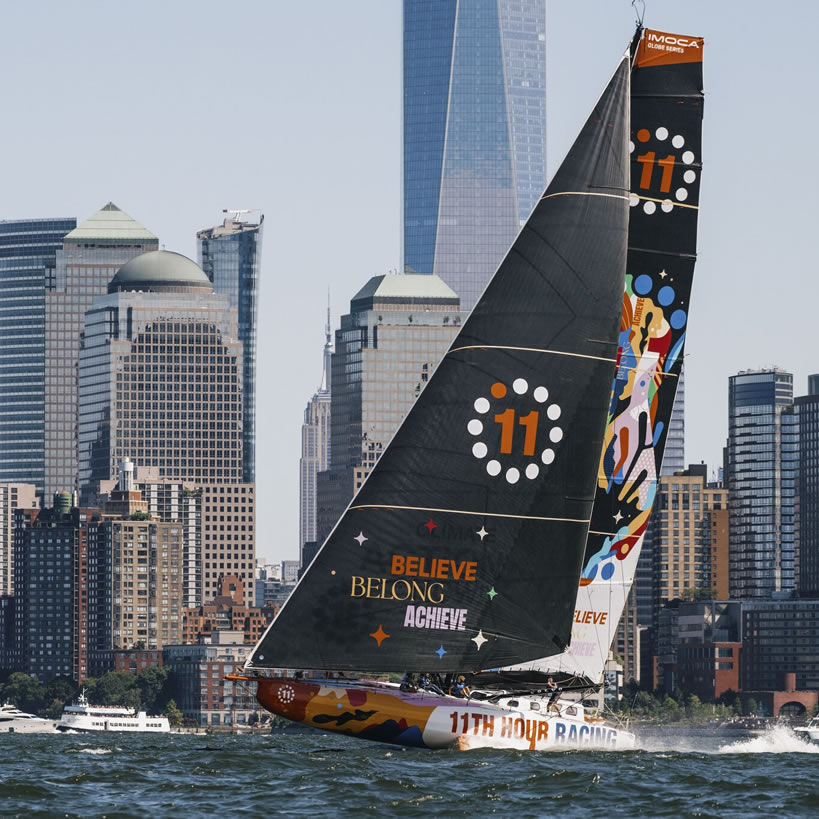
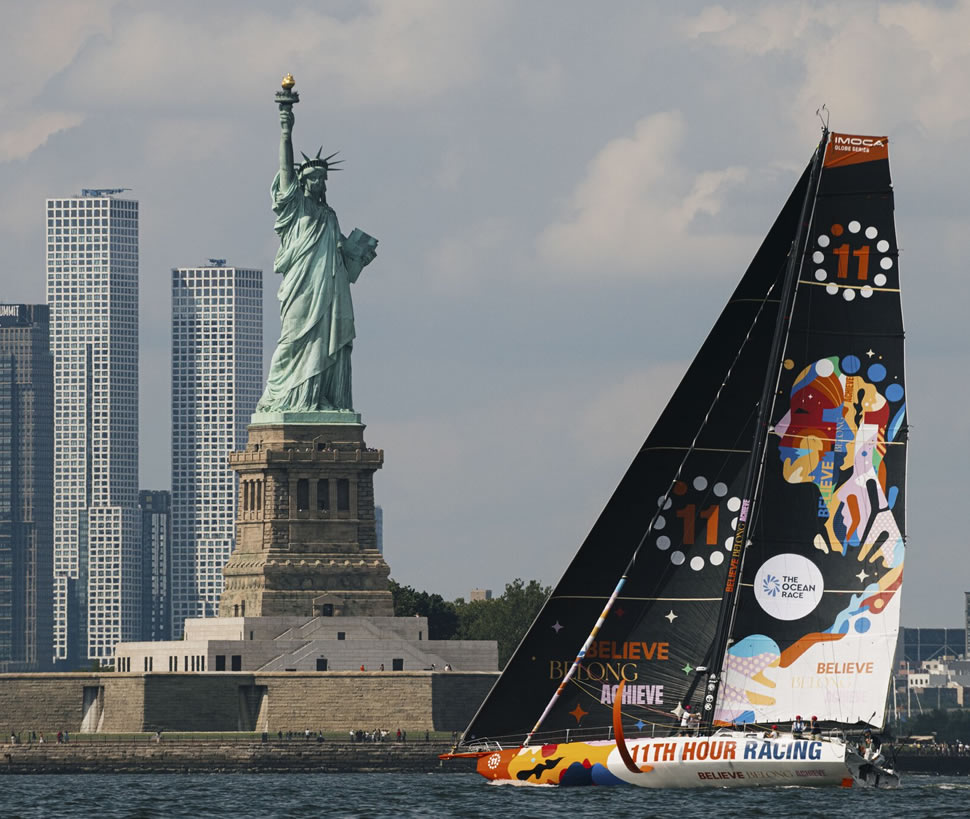
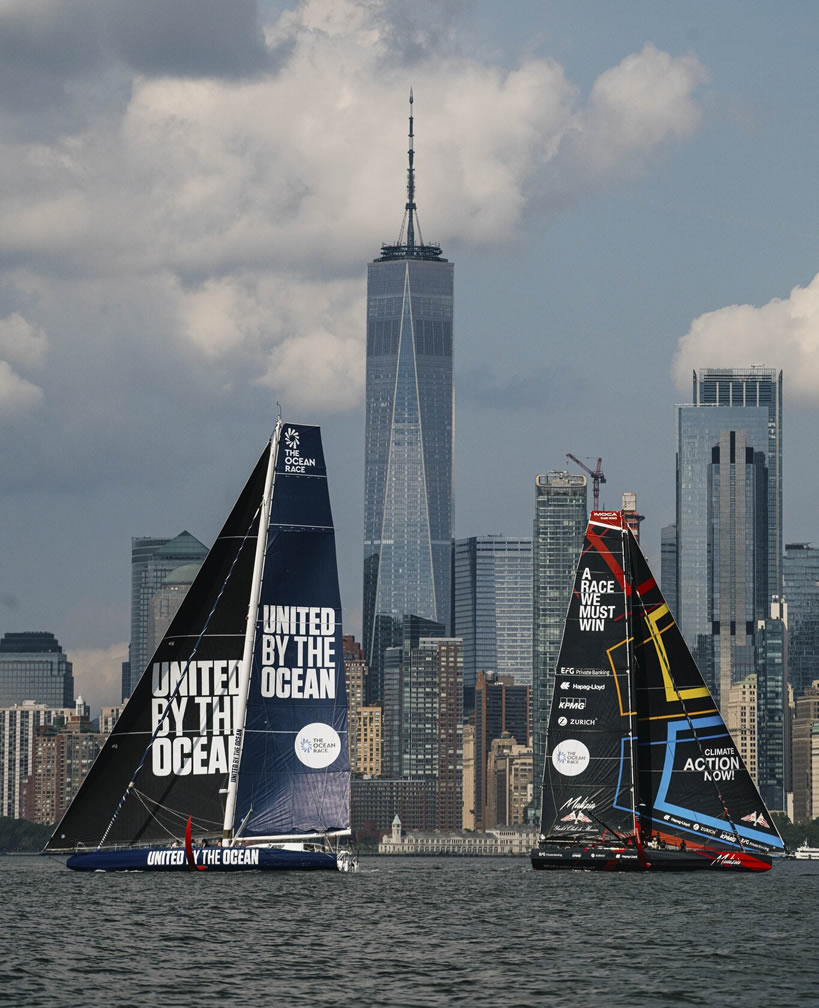
The race began against one of sailing’s most recognizable backdrops.
On September 2, the fleet departed New York, sailing past the Statue of Liberty and beneath the Verrazzano Bridge before heading into the Atlantic. The spectacle was cinematic—the New York skyline behind brightly coloured IMOCA hulls, the boats accelerating toward the open ocean and a transatlantic challenge unlike any previous edition of The Ocean Race.
Yet the race’s starting line was deliberately placed offshore, around 150 miles from the coast. The decision was designed to keep the fleet away from known marine-mammal and ocean-megafauna habitats.
That detail captures an important characteristic of the event: the ocean was not simply the arena; it was part of the subject.
The Ocean Race Atlantic combined elite competition with ocean-health initiatives, scientific data collection, and public education. In other words, the race attempted to demonstrate that competitive sailing and ocean stewardship need not occupy separate worlds.
When the Atlantic fought back
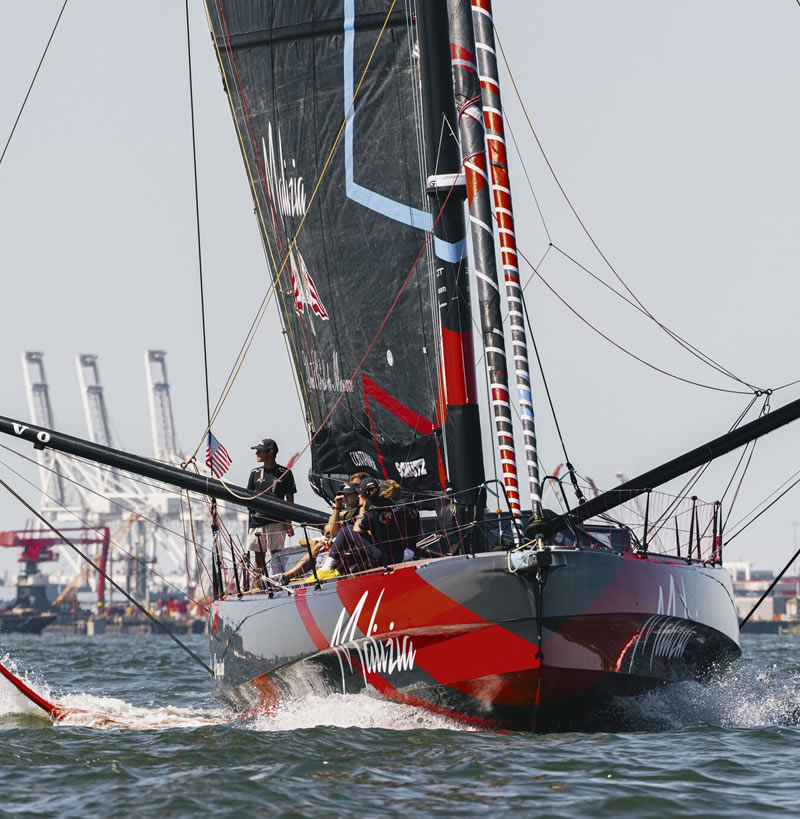
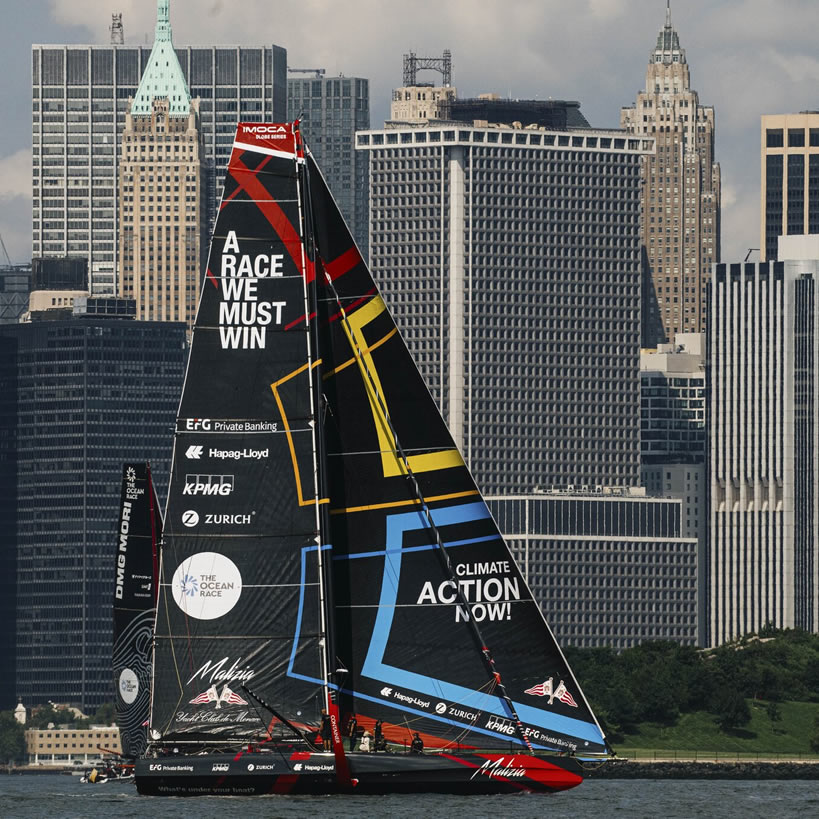
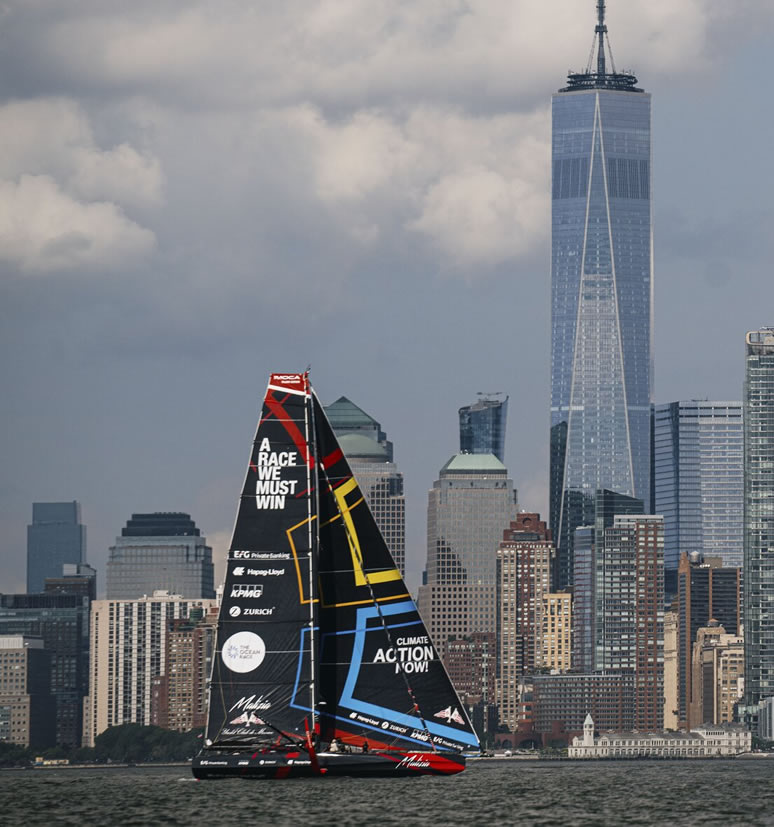
The glamour of the departure quickly gave way to something much harsher.
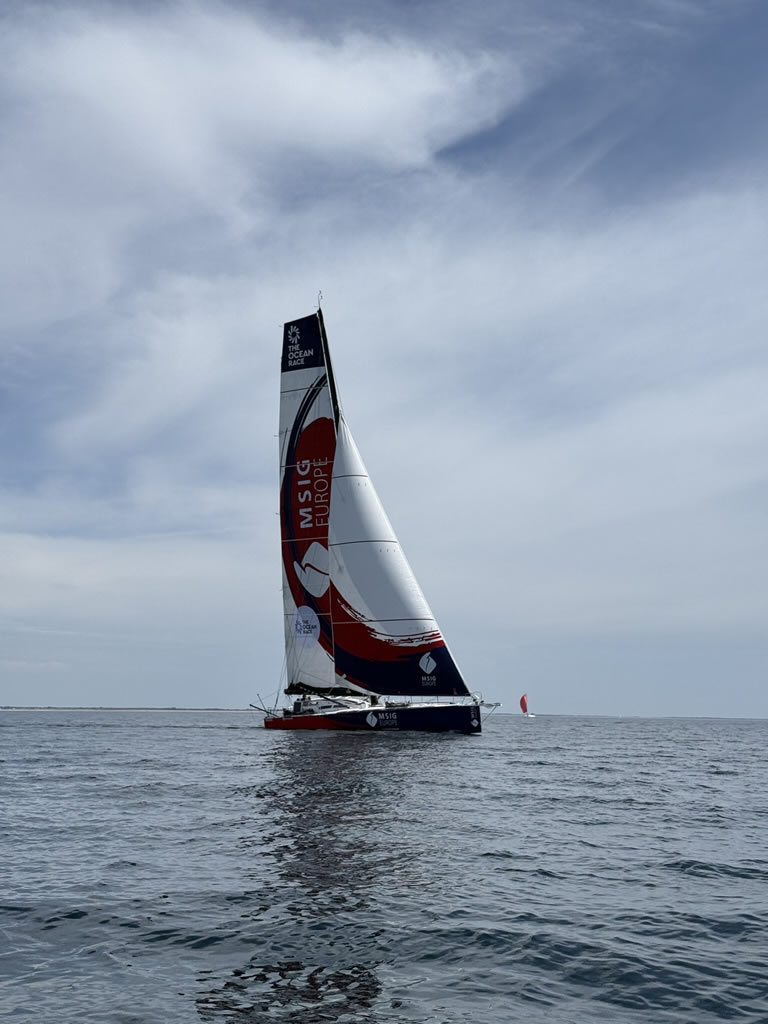
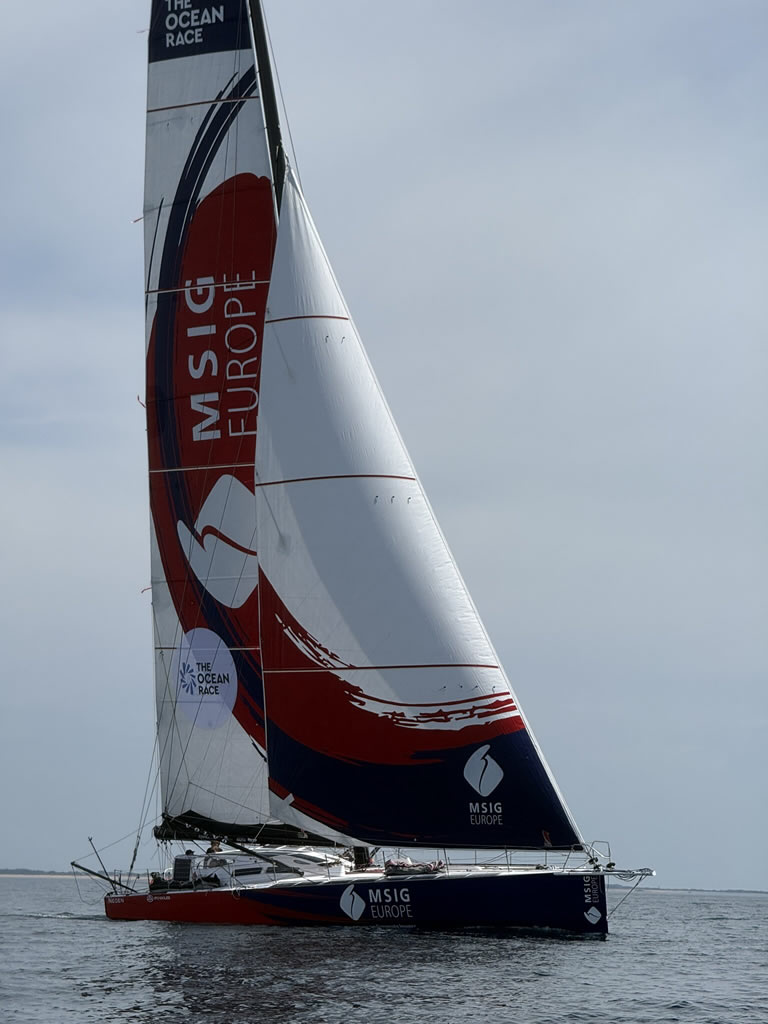
A strengthening weather system produced powerful winds and increasingly rough seas. Technical problems began appearing across the fleet. DMG MORI Global One suffered an electronic blackout, while MSIG Europe encountered a furling-system problem. Team Malizia’s Boris Herrmann and his crew faced a ballast leak followed by damage to the port foil, while part of Embrace the Challenge’s mainsail tore away.
For the sailors, the conditions became physically punishing.
Helmets remained on. Crew members clipped themselves to the boat and relied on handholds simply to move around. Sleep became extremely difficult. The sailors had to manage the boats while the sea repeatedly threw them around.
Francesca Clapcich described the conditions as requiring more mental energy than physical energy, while Nicolas Lunven recalled having to ease the sheets to prevent the boat from accelerating too violently off the waves.
Then came the tactical battle.
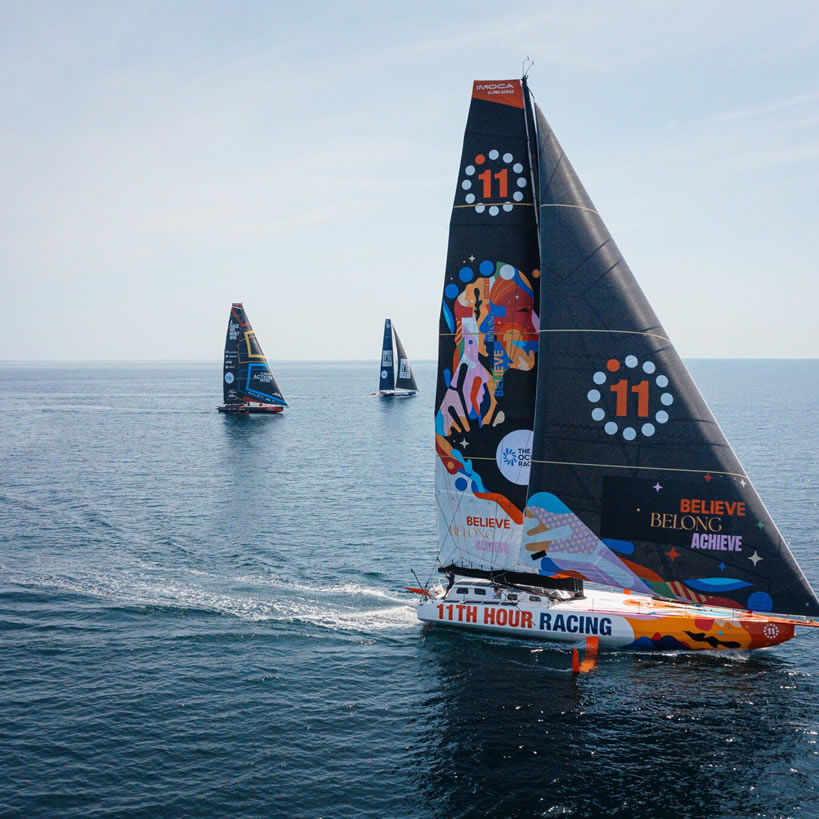
As the worst weather passed, a high-pressure system slowed the leaders and effectively reset the race. Four boats emerged as serious contenders: Team Malizia to the north, United by the Ocean and 11th Hour Racing in the middle, and DMG MORI Global One farther south.
The margins became almost absurdly small.
A 50-mile separation became 30 miles. Then 10. With the finish approaching, four crews remained within striking distance of victory.
And suddenly, thousands of miles of Atlantic Ocean came down to tactical decisions measured in minutes.
Victory by the narrowest margin
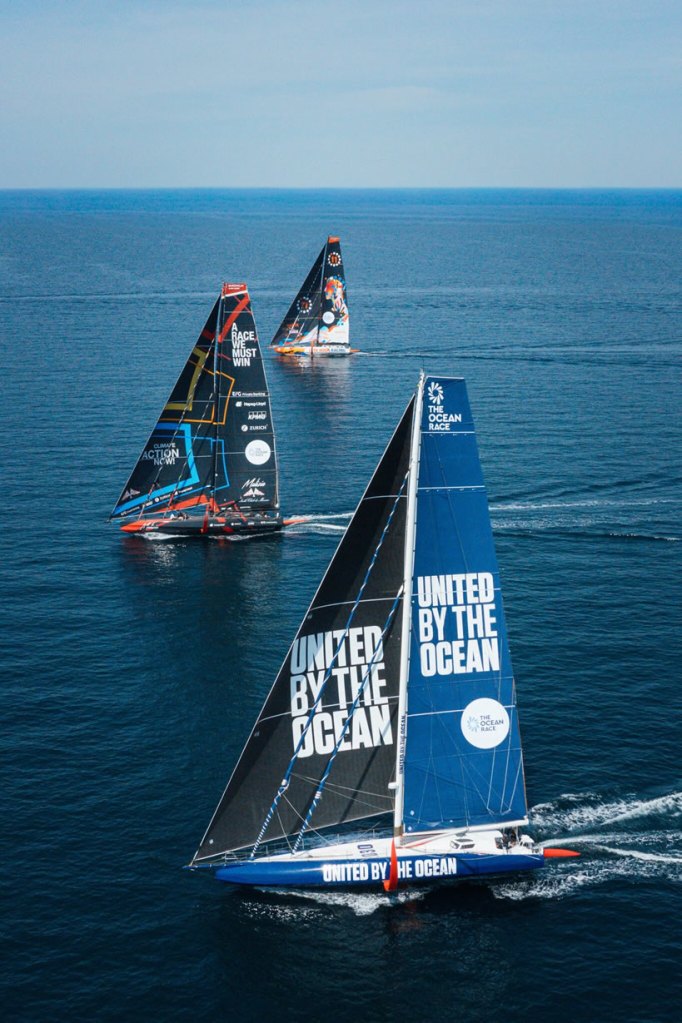
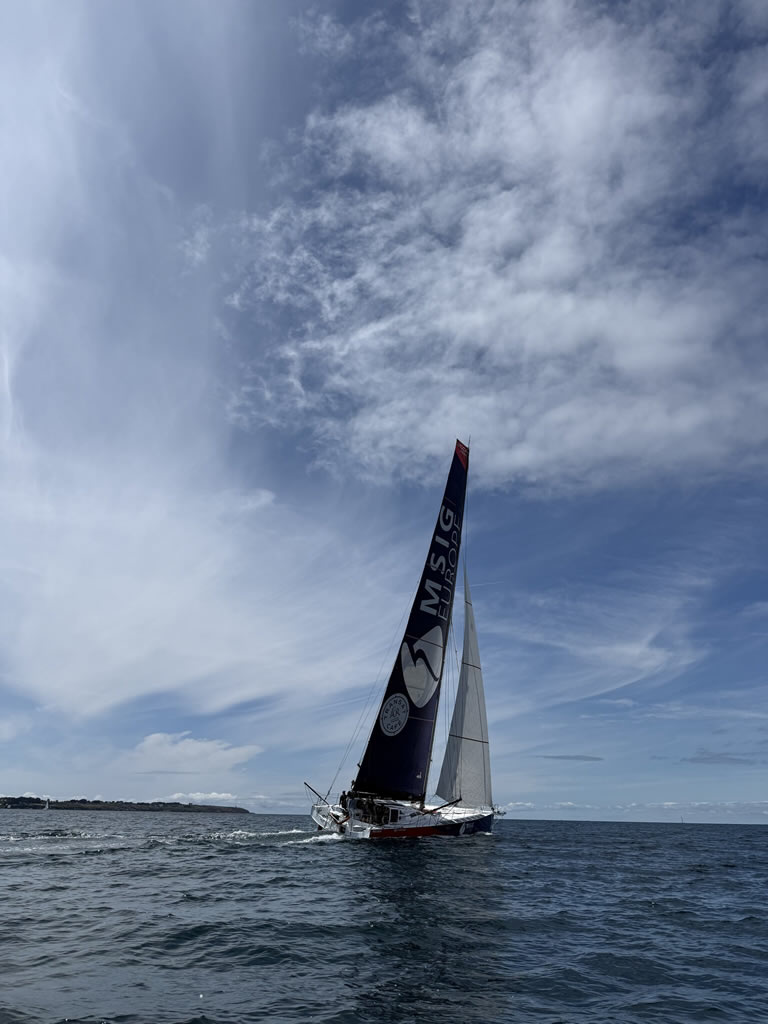
Paul Meilhat and his crew ultimately prevailed aboard United by the Ocean, defeating Francesca Clapcich’s Team Francesca Clapcich, powered by 11th Hour Racing, by less than nine minutes. DMG MORI Global One finished third and Team Malizia fourth.
Just 27 minutes separated the four leading boats.
The result had an intriguing twist. The two older-generation IMOCAs—United by the Ocean and 11th Hour Racing—finished ahead of two newer boats, DMG MORI Global One and Team Malizia. Yet the newer designs demonstrated considerable potential, finishing third and fourth and showing that they could already compete at the front of the fleet.
The result therefore offered something more interesting than a simple victory narrative.
It offered a glimpse into the technological evolution of offshore sailing.
The race within the race
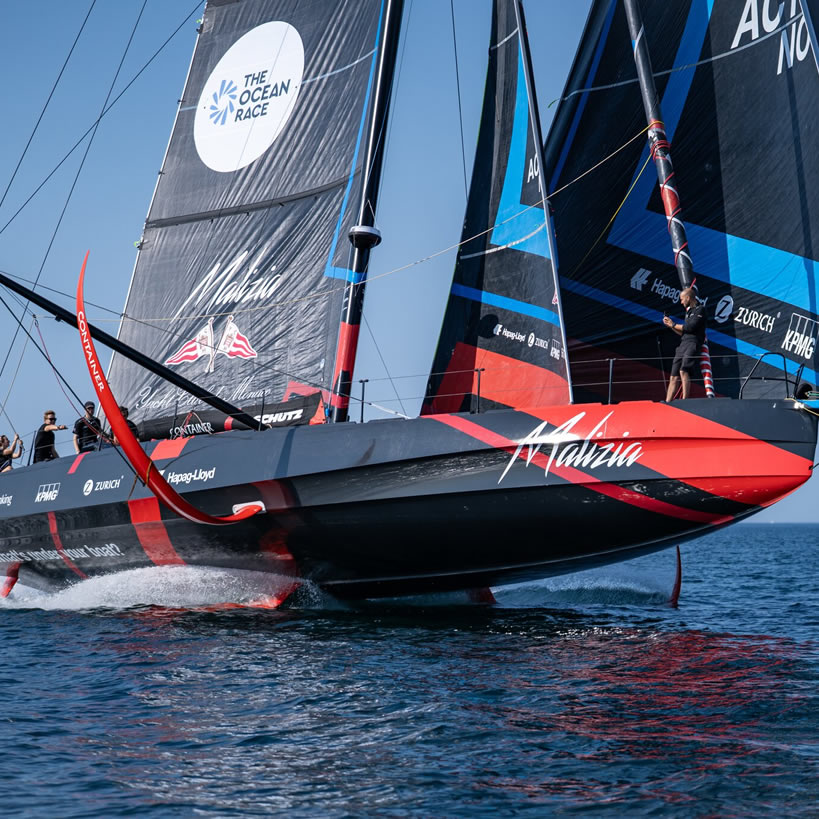
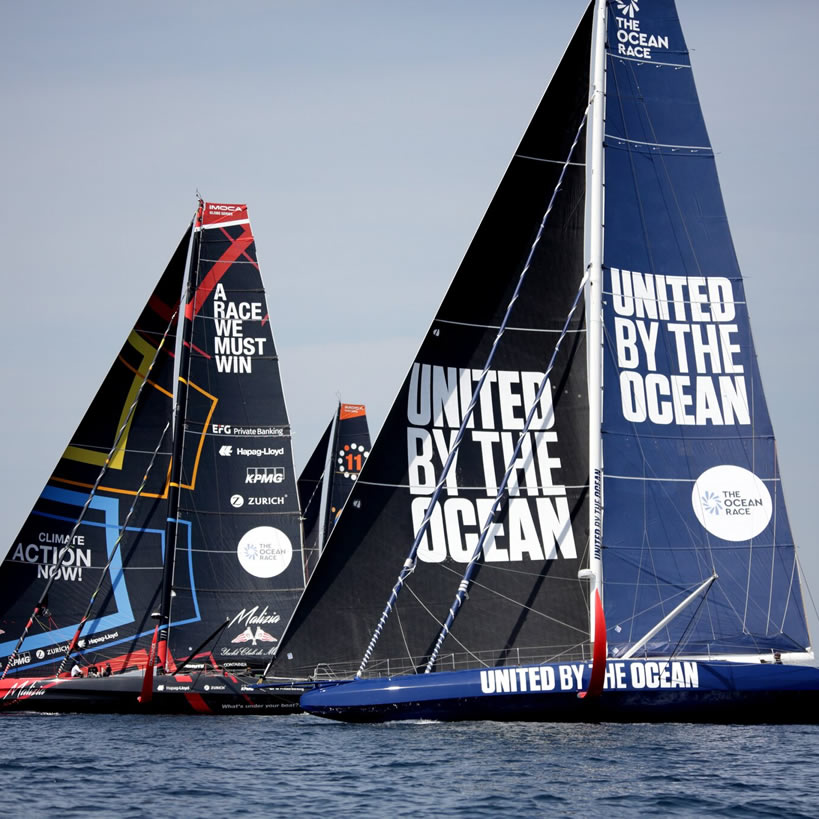
The Ocean Race Atlantic also experimented with a new concept: the “Super Sprint.”
Each day, the fastest boat over a 20-minute period earned recognition in this race within a race. Team Malizia won the daily contest four times and took the overall honours, while DMG MORI Global One also finished second on four occasions.
The innovation added another layer to a competition already defined by constantly shifting conditions.
For sailors accustomed to thinking in days and thousands of miles, there was suddenly also a premium on short bursts of extraordinary speed.
It was a clever way of bringing the intensity of offshore racing closer to spectators.
More than a race
Perhaps the most consequential aspect of The Ocean Race Atlantic was what happened when the boats reached Lorient.
Ocean Live Park transformed the French port into a public celebration of ocean culture, science and education. Exhibitions, talks, documentary screenings, treasure hunts, boat tours and ocean-literacy programmes connected the professional race to the wider community.
More than 2,000 children participated in educational and STEM activities. Young visitors learned about sailing, explored the science behind onboard data collection, and participated in beach clean-ups organized with Surfrider.
Nearly 60 local businesses and more than 20 associations and NGOs were involved in Lorient’s programme.
This matters because the future of ocean racing cannot be separated from the ocean’s future.
The boats may be built for speed, but the data they collect can contribute to scientific understanding. The races may attract elite sailors, but the surrounding programs can introduce younger generations to ocean science, sustainability and maritime culture.
That combination gives the sport a broader purpose.
A rehearsal for something much bigger
The Ocean Race Atlantic was never intended to be the final destination.
It was a bridge between The Ocean Race Europe 2025 and the next fully crewed round-the-world Ocean Race, scheduled to begin from Alicante, Spain, on January 17, 2027.
That makes the Atlantic sprint particularly revealing.
It tested boats. It tested crews. It tested new race formats. It tested a fully mixed-gender IMOCA model under genuinely demanding offshore conditions. And it demonstrated how elite sport can be combined with public engagement and ocean-health programming.
Most importantly, it reminded audiences what makes ocean racing so compelling.
There is no predictable playing field. Weather changes. Technology fails. Equipment breaks. Tactical advantages disappear. A seemingly comfortable lead can evaporate overnight.
And after thousands of miles, victory can come down to minutes.
As Paul Meilhat reflected after reaching Lorient, explaining the race was not exactly a short conversation. “Oh wow… that’s going to take a while!”
Perhaps that is the perfect description of The Ocean Race Atlantic.
It was only about eight days of racing.
But it contained a story much larger than eight days.
From New York Harbor to Lorient, The Ocean Race Atlantic offered a compelling preview of the next generation of ocean racing—faster, more inclusive, more technologically ambitious and increasingly conscious of the ocean on which the sport depends.
 CitiTimes