
India Has the Growth. Now Comes the Hard Part.
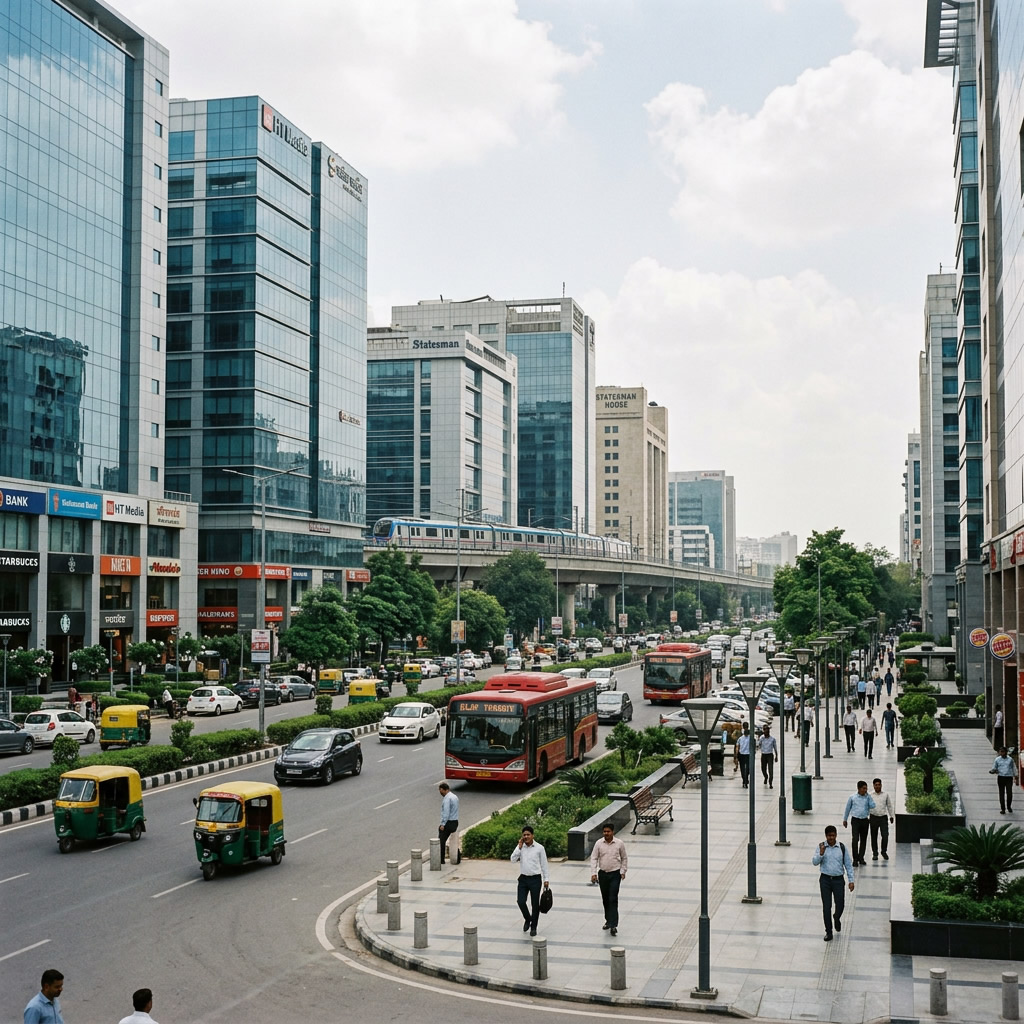
IMF’s Nigel Clarke sees India powering the next wave of global growth—but the real test will be productivity, skills, technology and inclusion.
India has won the growth race. The harder race is only beginning.
That is the significance of International Monetary Fund Deputy Managing Director Nigel Clarke’s assessment following his September 7–11 visit to India. His message was unmistakably upbeat: India remains a key driver of global growth, backed by strong fundamentals, sound policy frameworks, a deep talent pool and a rapidly advancing technology and manufacturing ecosystem.
But beneath the praise lies a more demanding challenge.
Can India convert impressive economic growth into enduring productivity, global competitiveness and broadly shared prosperity?
That is the question that matters now.
Clarke’s first visit to India as IMF Deputy Managing Director took him to New Delhi, Mumbai and Chennai, where he met senior policymakers, business leaders and other stakeholders. He expressed particular appreciation for discussions with Finance and Corporate Affairs Minister Nirmala Sitharaman, Reserve Bank Governor Sanjay Malhotra and NITI Aayog Vice Chairman Ashok Kumar Lahiri.
The discussions came at a moment when the global economy is being reshaped by uncertainty, technological disruption and changing patterns of trade and investment.
For India, that changing landscape presents an extraordinary opportunity.
It also presents an extraordinary test.
Growth alone will not be enough.
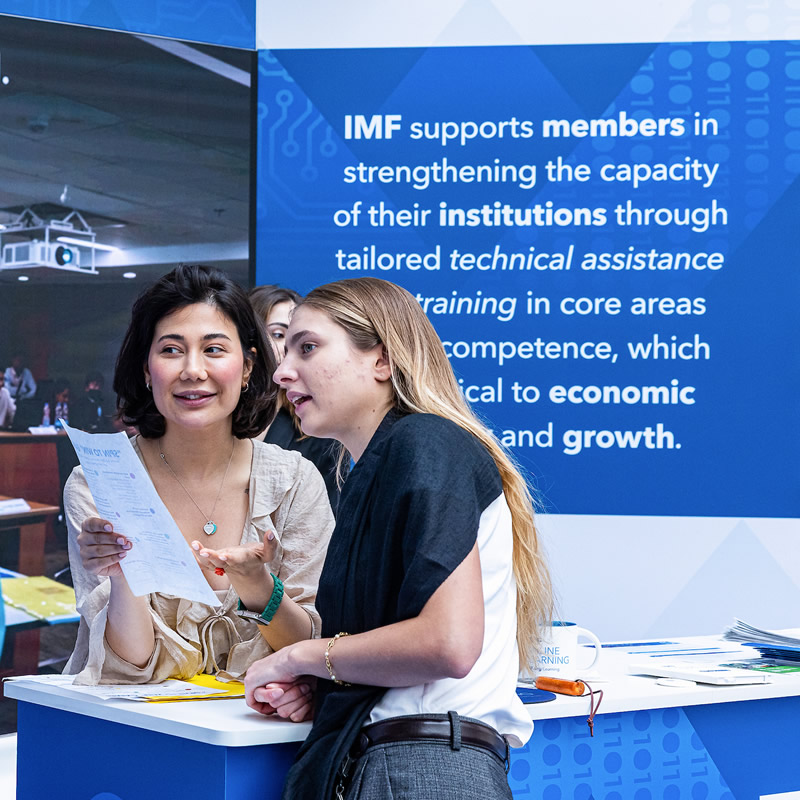
India’s economic performance has made it one of the world’s most closely watched major economies. Yet headline growth numbers alone cannot determine whether an economy is becoming more competitive or more prosperous.
The next chapter has to be about productivity.
Clarke emphasized the importance of maintaining macroeconomic stability, keeping inflation under control, and pursuing reforms that lift productivity and strengthen competitiveness.
This is not conventional IMF boilerplate. It goes to the heart of India’s economic ambition.
A rapidly growing economy can still encounter structural constraints if productivity fails to keep pace. Capital must become more efficient. Workers must acquire new skills. Businesses must innovate. Manufacturing must move toward higher-value activities. Technology must improve output, not merely accelerate existing processes.
India’s challenge, therefore, is no longer simply to grow fast.
It is to grow better.
The technology opportunity—and warning

Nowhere is that distinction more important than in technology.
India has emerged as a formidable digital economy, while artificial intelligence, advanced manufacturing and automation are opening entirely new possibilities.
Clarke specifically highlighted innovation, digital transformation, advanced manufacturing and technology adoption as engines that could boost productivity and strengthen India’s competitiveness.
The opportunity is enormous.
But technological transformation can also produce winners and losers.
That is why Clarke’s emphasis on sustained investment in skills and responsible technology use deserves attention. If India’s technological revolution is to support inclusive growth, the country will need workers capable of participating in it—not merely consumers who can use its products.
The real measure of India’s digital and AI transformation will therefore not be the number of new platforms, applications or automated systems.
It will be whether technology helps create higher-value jobs, stronger enterprises, better productivity and wider economic opportunity.
Manufacturing is the next battleground.
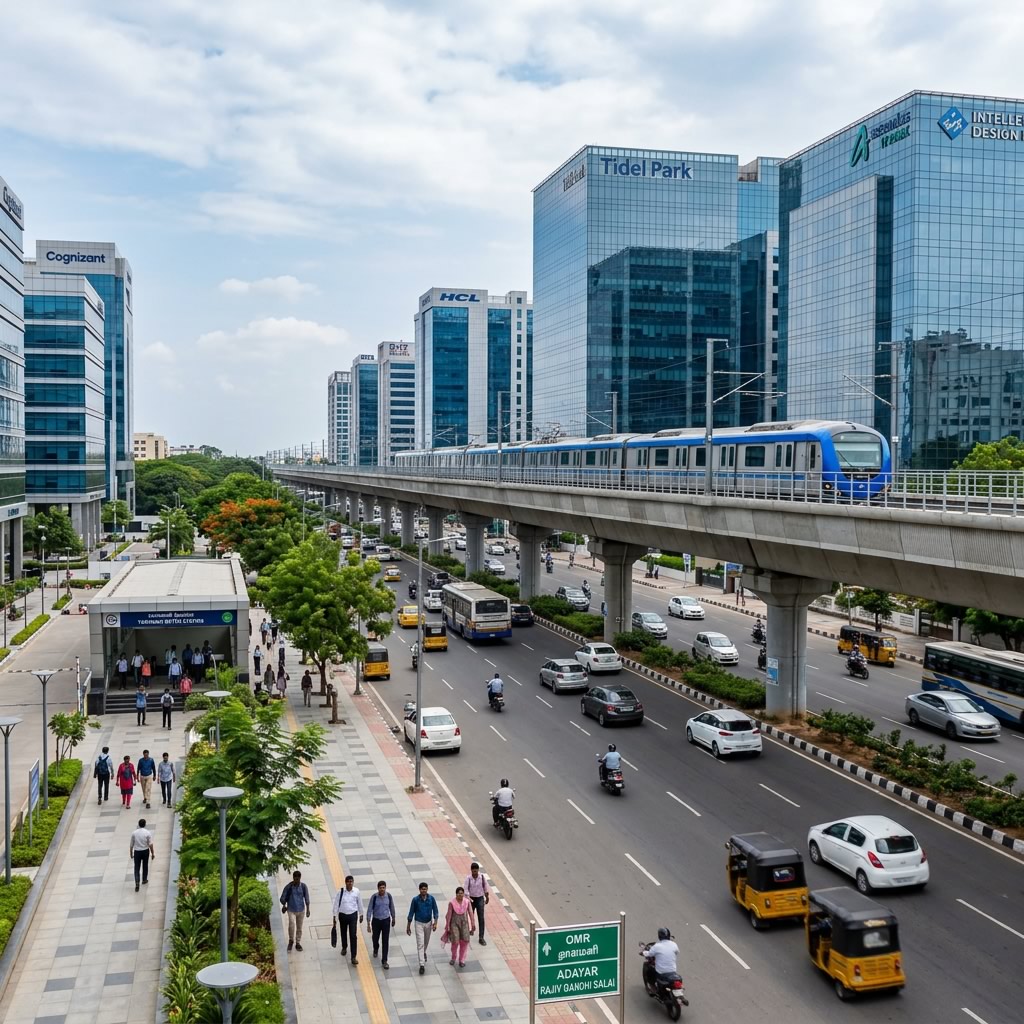
India’s rapidly evolving manufacturing capabilities could become another decisive advantage.
Global companies are reconsidering supply chains, seeking greater diversification, and looking for reliable production locations. India has the market, workforce, entrepreneurial ecosystem, and technological ambitions to capture a larger share of this transformation.
But attracting manufacturing investment is only the beginning.
The bigger prize is moving up the value chain.
India cannot be satisfied with becoming merely a larger assembly base. The strategic objective must be to deepen domestic capabilities in design, research, engineering, advanced components, intellectual property and high-end manufacturing.
That is where productivity gains become sustainable—and where rivals find it difficult to displace global competitiveness.
The private sector will matter enormously.
Clarke said he was impressed by India’s private-sector dynamism, deep talent pool and rapidly evolving technological and manufacturing capabilities.
That assessment should not be overlooked.
Governments can establish frameworks. They can build infrastructure, reform regulations and maintain macroeconomic stability.
But businesses create products, invest capital, develop technologies and compete in global markets.
India’s private sector will therefore be central to determining whether the country’s current growth cycle becomes a long-term transformation.
The task is to encourage more investment, more innovation and greater participation in global value chains while ensuring that smaller businesses and emerging entrepreneurs are not left behind.
Stability before ambition
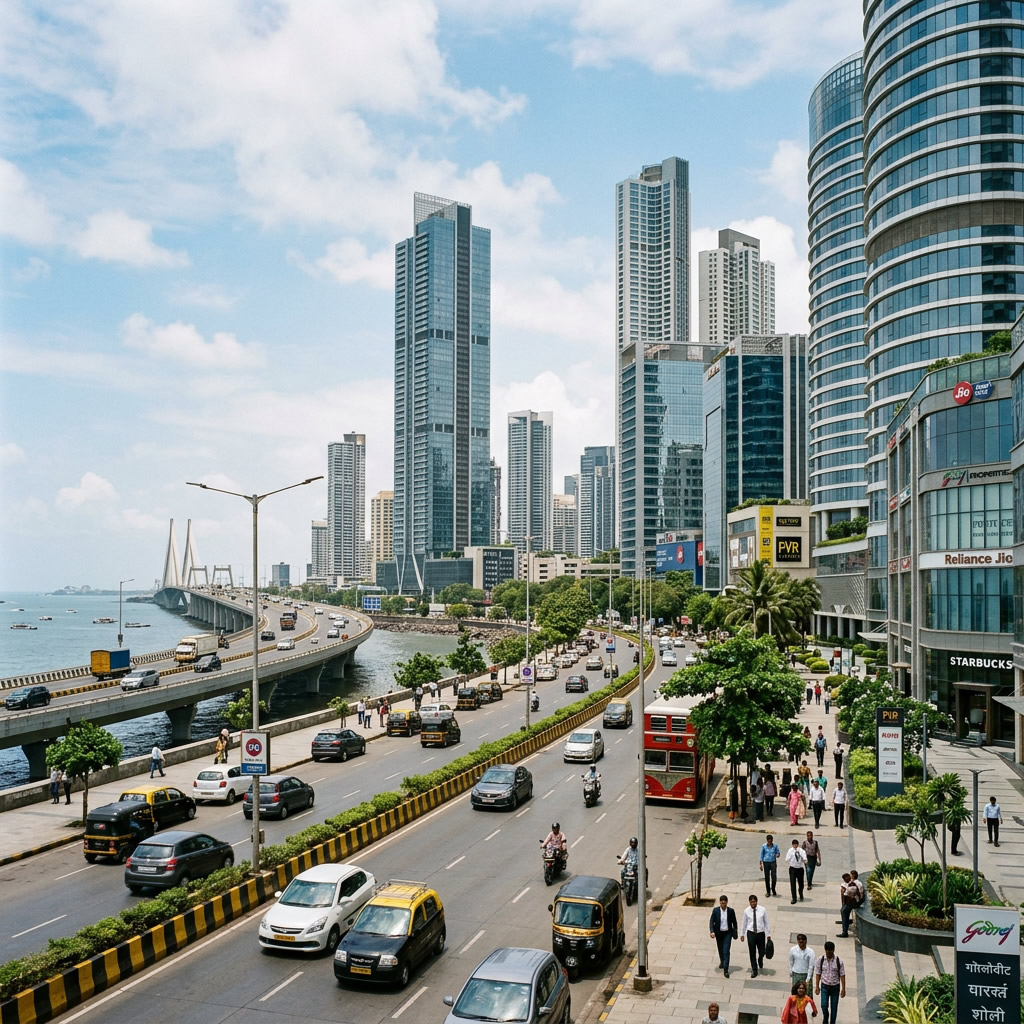
However, a less glamorous requirement underpins all of this: stability.
India’s economic ambitions depend on maintaining confidence in its macroeconomic framework.
Clarke’s call for nimble policies and continued attention to inflation reflects a basic economic truth: spectacular growth cannot be sustained indefinitely without stability.
In a world of geopolitical tensions, volatile financial conditions, and uncertain trade patterns, policy flexibility will become increasingly valuable.
India’s ability to absorb external shocks while continuing to invest in its own long-term transformation could become one of its greatest competitive advantages.
India’s global moment
A larger geopolitical story is also unfolding.
Clarke thanked the Indian government for its continued support for multilateralism and for other countries in the region.
That recognition reflects India’s expanding role in the international economic system.
India is increasingly too large to be viewed simply as a participant in global growth. Its economic decisions increasingly influence global supply chains, investment flows, technology adoption and emerging-market confidence.
That brings influence—but also responsibility.
If India is to help power the next wave of global growth, it will need to demonstrate that rapid expansion can coexist with resilience, technological responsibility and inclusion.
The next race
The IMF’s message is ultimately a vote of confidence in India. But it is also a challenge.
India has the growth.
It has the talent.
It has the technology.
It has an increasingly capable manufacturing sector and an energetic private sector.
What it must now demonstrate is that these assets can be combined into a productivity revolution capable of sustaining high growth over the long term.
That will require continued reforms, macroeconomic discipline, investment in human capital and skills, technological innovation and a relentless push toward higher-value economic activity.
The world is watching India because its economic rise is no longer only an Indian story.
The next test is whether India can turn growth into productivity, productivity into competitiveness, and competitiveness into widely shared prosperity.
Nigel Clarke believes India can power the next wave of global growth.
The opportunity is real.
But potential is not destiny.
The hard part starts now.
— The author has distinguished academic credentials from the International Monetary Fund (IMF).
 CitiTimes