
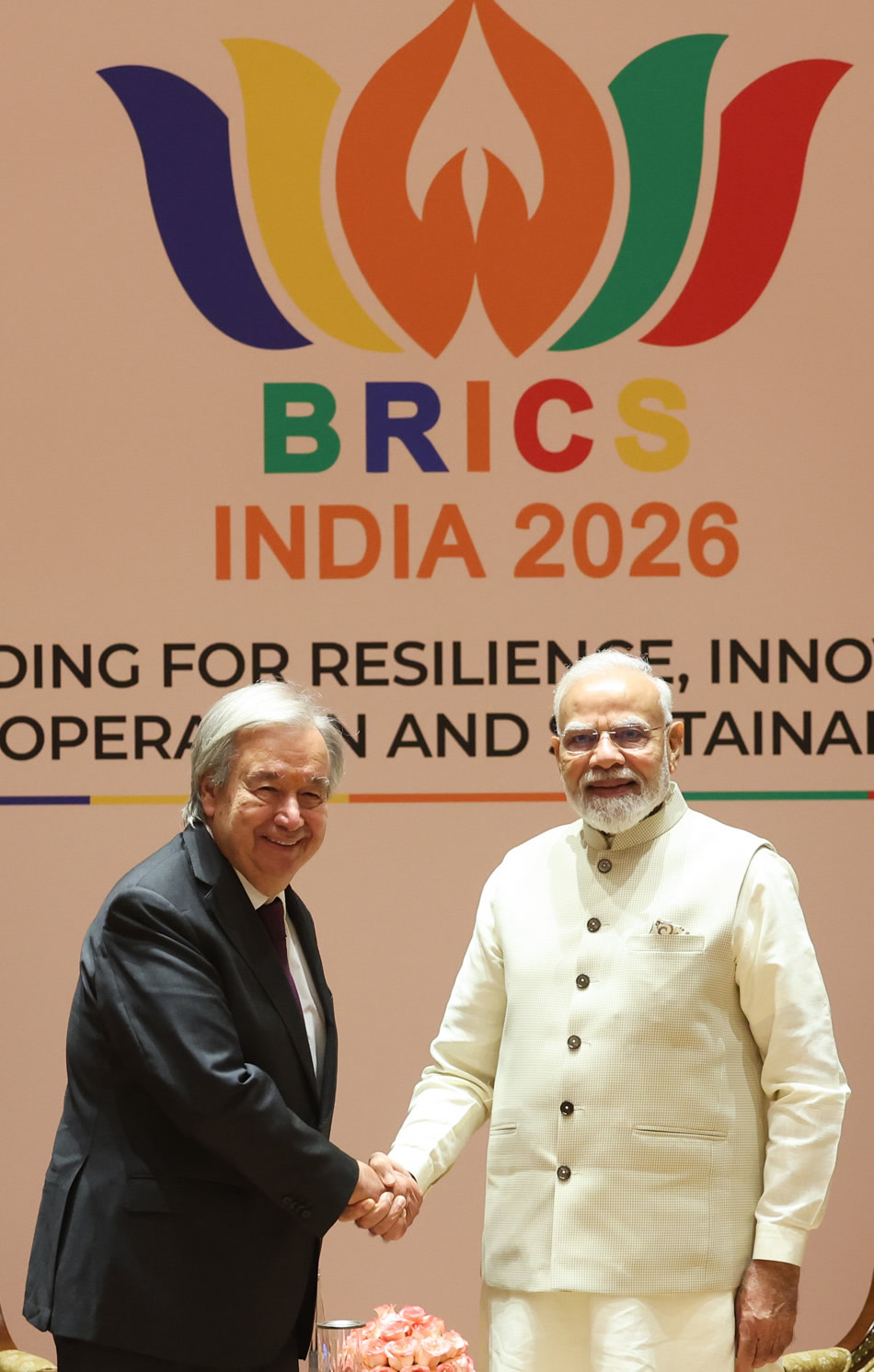
BRICS at 20: Can New Delhi Turn a Bigger Bloc Into a Stronger Voice?
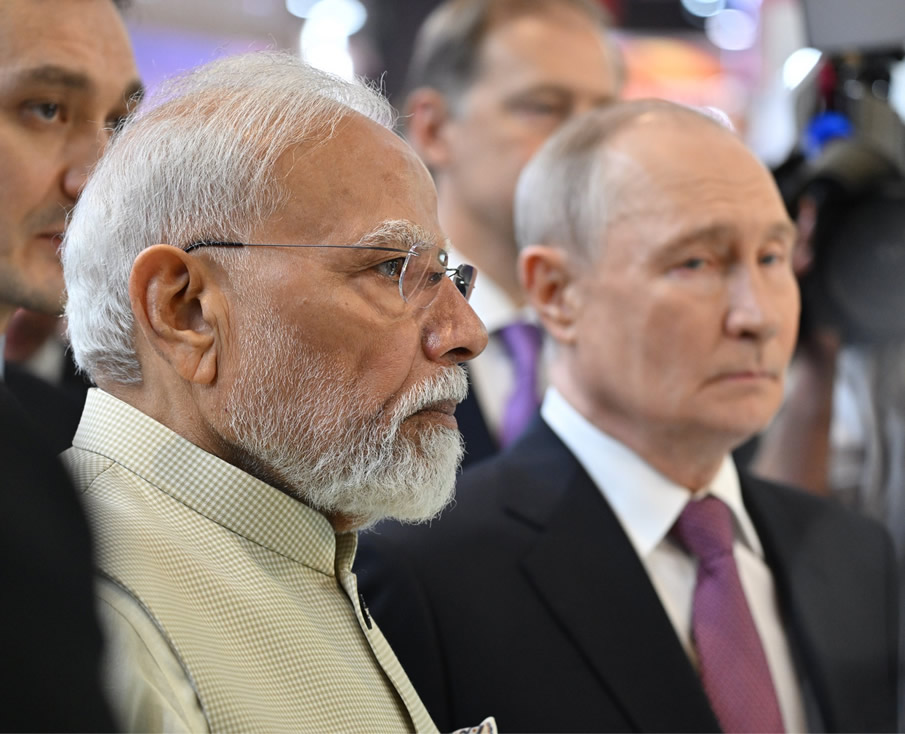
At its 18th summit in New Delhi, an expanded BRICS confronts the central question of its second decade: can a diverse coalition of emerging powers convert economic weight into political influence—and cooperation into results?
BRICS has never lacked ambition. Its harder test has always been execution.
Twenty years after the grouping first emerged, BRICS is larger, more geographically diverse and considerably more consequential. Its 18th Summit, being held in New Delhi on September 12–13 under India’s chairship, therefore arrives at a moment when the world order itself is being contested.
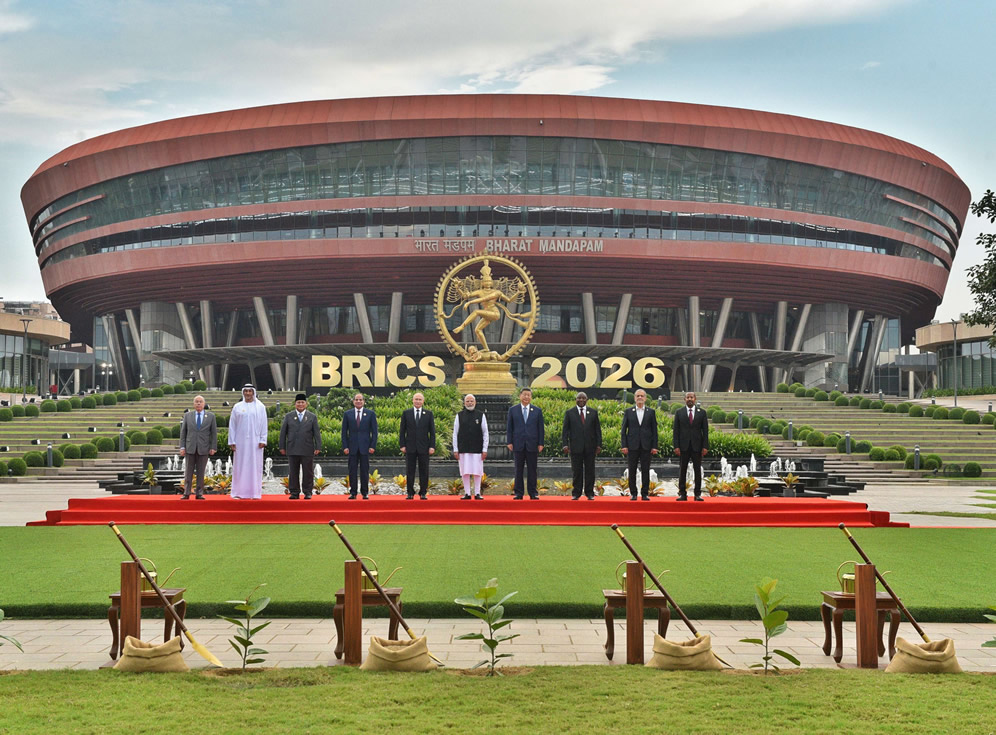
At Bharat Mandapam, the leaders of an expanded 11-member BRICS bloc are confronting a world marked by geopolitical conflict, trade tensions, fragile supply chains, technological disruption, climate pressures and growing dissatisfaction with institutions designed for an earlier era.
India has chosen an appropriately forward-looking theme: “Building for Resilience, Innovation, Cooperation and Sustainability.” The words sound diplomatic. The challenge behind them is anything but.
The real question is whether BRICS can evolve from a platform that represents the aspirations of the Global South into one capable of delivering practical solutions.
From four letters to a global coalition
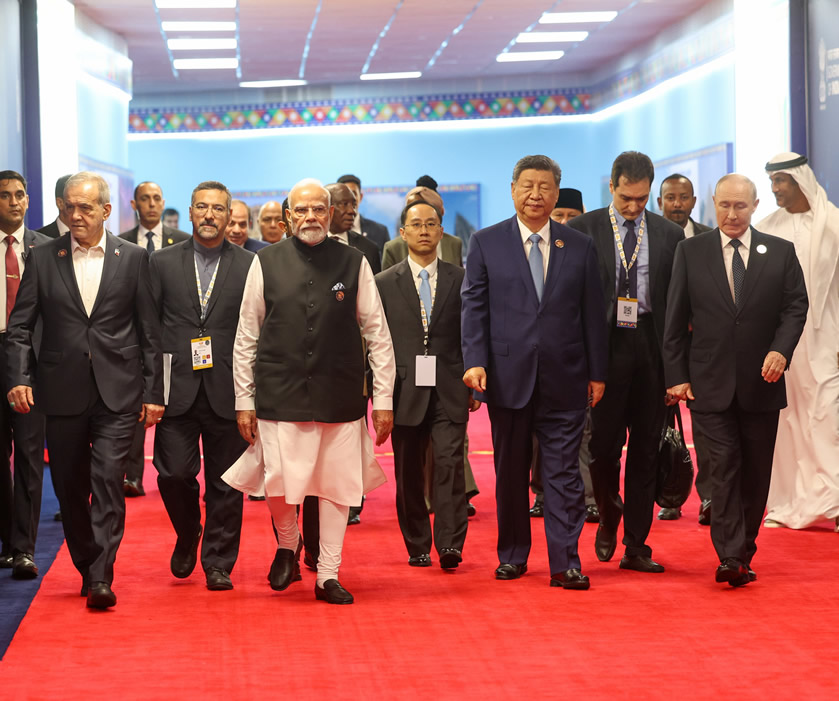
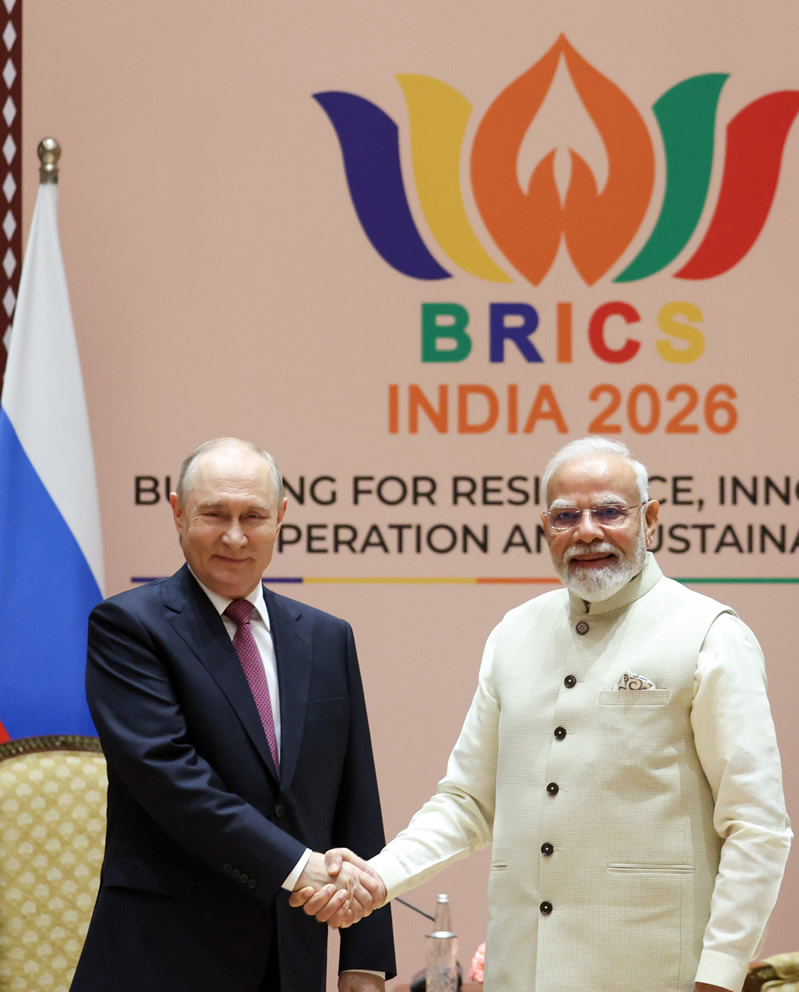
When BRICS began in 2006, its original members—Brazil, Russia, India and China—represented a powerful economic idea: major emerging economies deserved a greater voice in global decision-making.
South Africa joined in 2010, giving the grouping a stronger African dimension. Its subsequent expansion has fundamentally changed its character.
The presence of Iran, Indonesia, Egypt, Ethiopia, Saudi Arabia and the United Arab Emirates has transformed BRICS into a much broader coalition spanning Asia, Africa, the Middle East and Latin America. The result is a grouping with considerable economic, demographic, energy and geopolitical weight.
But enlargement also brings complexity.
BRICS members do not share identical political systems, strategic priorities or foreign-policy interests. Their relationships can be cooperative in one arena and competitive in another. That diversity is both the bloc’s strength and its greatest institutional challenge.
New Delhi must therefore demonstrate that a larger BRICS does not necessarily mean a more unwieldy BRICS.
India’s moment of leadership
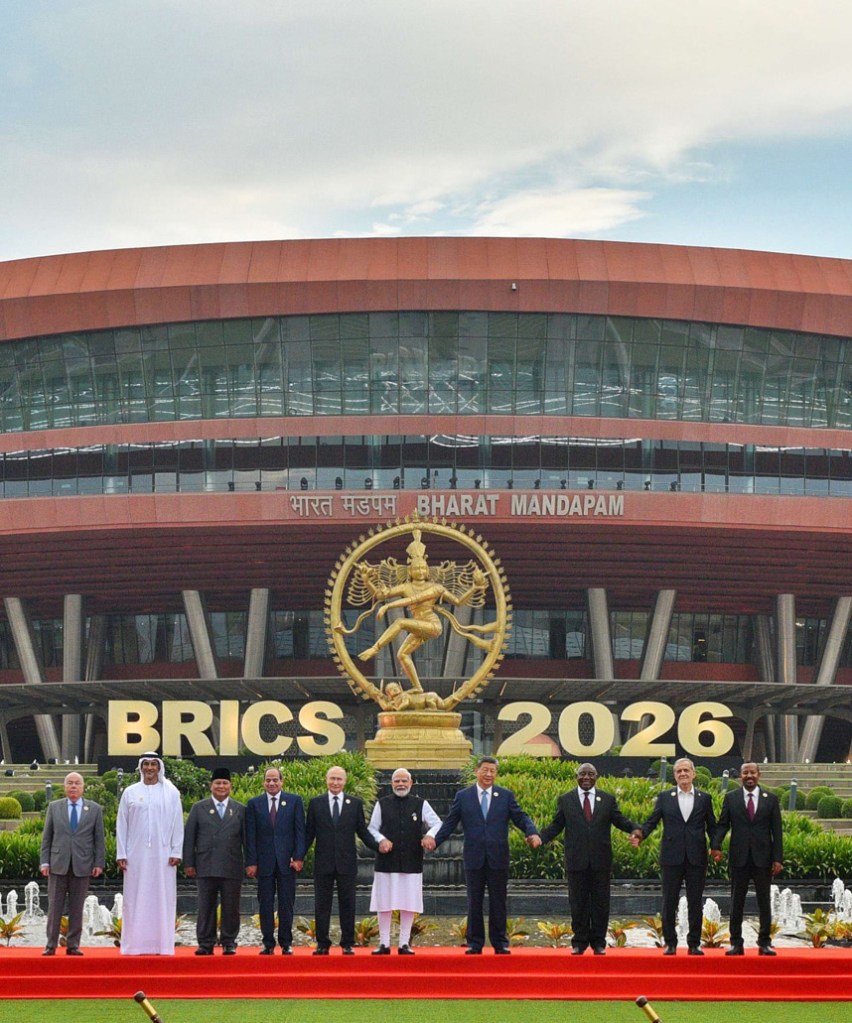
For India, this summit carries particular significance. It represents the country’s first full, in-person hosting of the BRICS summit since 2021—and comes as the grouping marks its 20th anniversary.
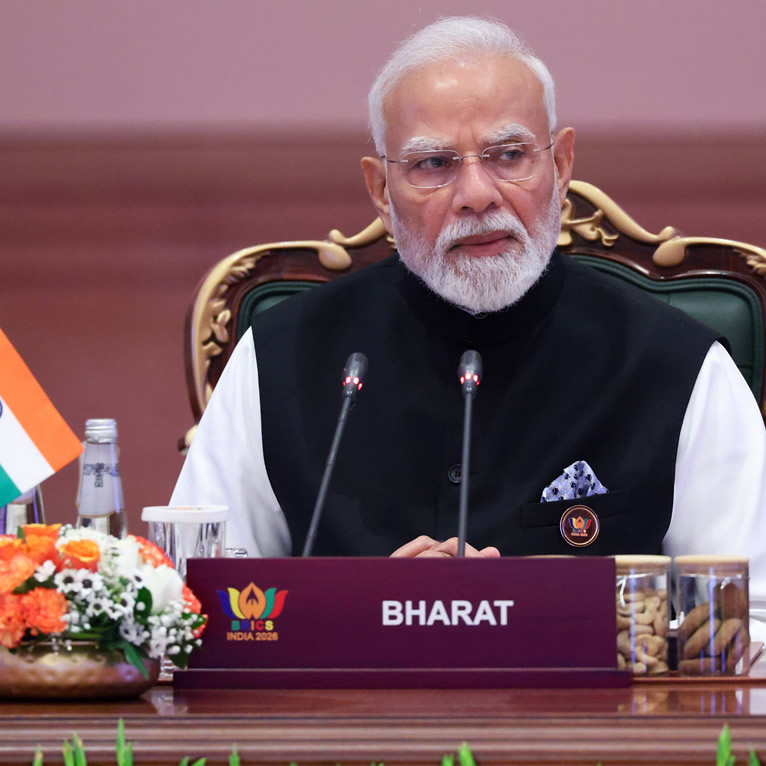
Prime Minister Narendra Modi’s chairship has emphasized resilience, innovation, cooperation and sustainability, but also a people-centric approach encapsulated in the idea of “humanity first.”
That formulation matters.
The credibility of any Global South institution ultimately depends not on the number of declarations it produces, but on whether ordinary economies and societies benefit from greater cooperation.
Trade, development finance, food and energy security, healthcare, technology and climate resilience are therefore not peripheral issues. They are the practical test of BRICS relevance.
The Xi visit—and the India-China test
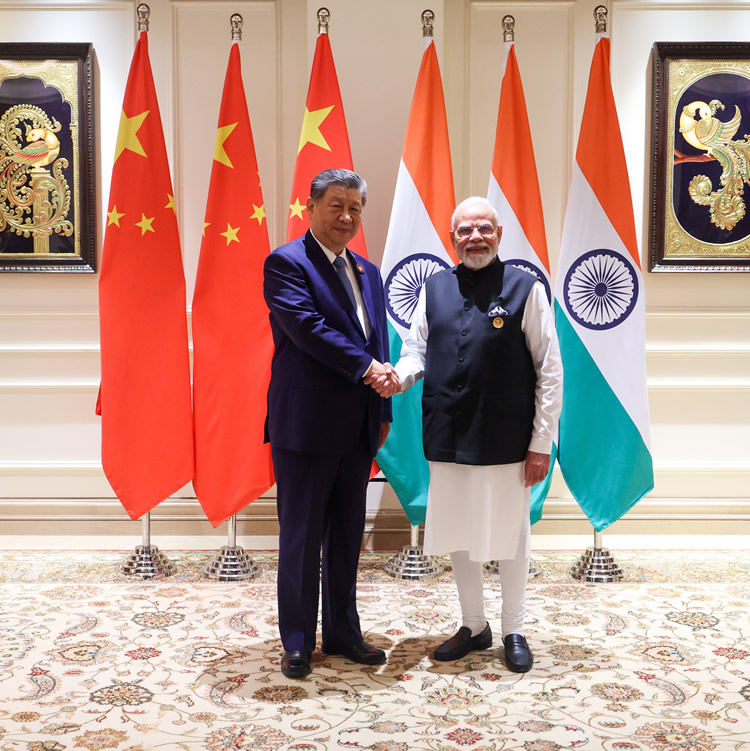
Perhaps the most closely watched encounter in New Delhi is taking place outside the formal summit agenda.
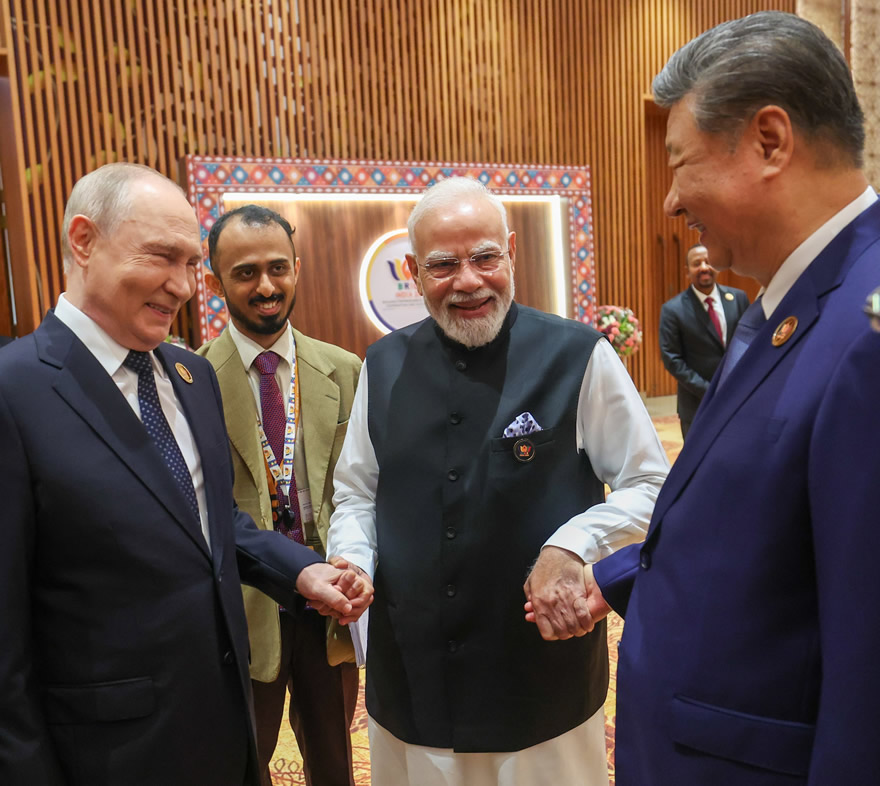
Prime Minister Modi and Chinese President Xi Jinping have held a high-profile bilateral meeting, marking Xi’s first visit to India in nearly seven years.
The meeting carries significance far beyond BRICS.
India and China are simultaneously competitors, major trading partners, and two of the world’s most consequential powers. Their unresolved boundary question has repeatedly complicated the relationship, while trade has remained substantial despite persistent imbalances.
Modi’s formulation that “differences should not become disputes” offers a pragmatic framework. It acknowledges that disagreements are inevitable between major powers but need not become permanent obstacles to engagement.
The emphasis on mutual respect, mutual interest, and mutual sensitivity—and on peace and tranquility along the border—suggests that both sides recognize the costs of letting strategic competition overwhelm the broader relationship.
An agreement to address trade imbalances, deepen economic and cultural ties, and pursue a fair and mutually acceptable resolution of the boundary question would be significant.
But diplomacy will ultimately be judged by implementation.
Beyond Western institutions
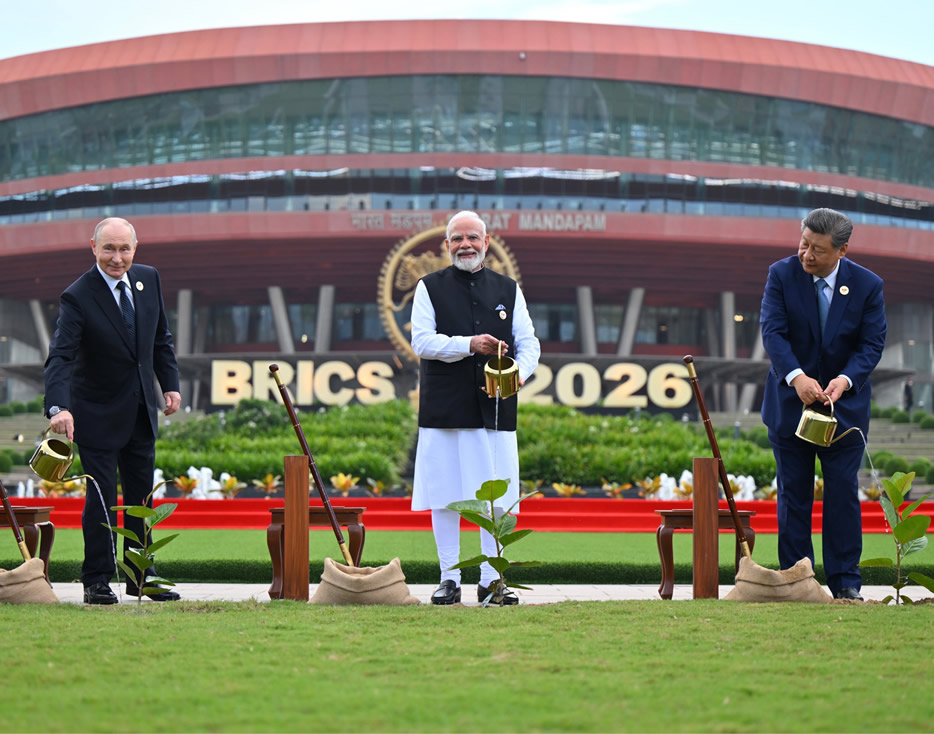
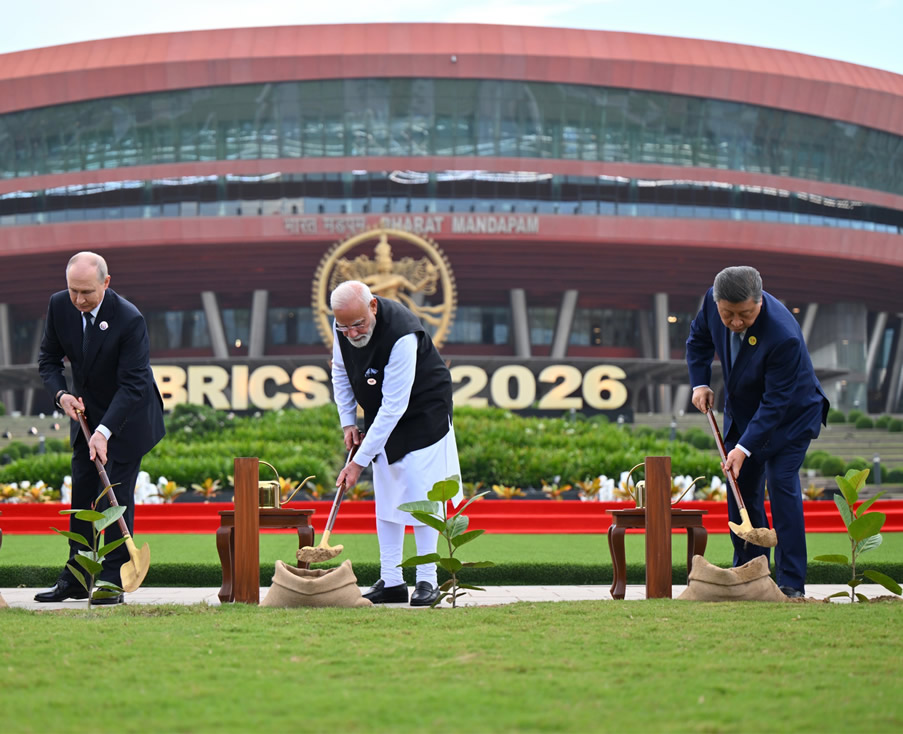
The broader BRICS agenda is even more consequential.
At its heart is a long-running argument: the architecture of global governance no longer adequately reflects the distribution of economic and political power.
BRICS is calling for reform of multilateral political and financial institutions so that developing countries have a greater voice. The demand is hardly new. What has changed is the collective weight behind it.
The bloc is also examining mechanisms to expand trade in national currencies, strengthen development finance and explore cross-border payment arrangements. If pursued seriously, these initiatives could gradually reduce some dependence on existing financial channels without requiring BRICS to create an entirely separate global financial system.
That distinction is important.
BRICS’s most credible future may not be replacing one dominant system with another. It may instead be creating a more plural international system in which emerging economies have greater room to maneuver.
Technology, trade and resilience
The summit’s economic agenda reflects another reality: national security and economic security are increasingly intertwined.
Supply-chain disruptions have shown the vulnerability of overreliance on particular countries or routes. Digital technologies are transforming commerce. Artificial intelligence is beginning to reshape productivity, employment and public services. Climate change is creating new pressures on food, water and energy systems.
BRICS therefore has an opportunity to move beyond traditional declarations and develop practical cooperation in digital trade, AI, healthcare, energy and food security.
Its discussion of unilateral trade barriers and tariff measures inconsistent with World Trade Organization rules also comes at a time when protectionism is again reshaping international commerce.
For economies seeking development, an unpredictable trading environment can be particularly damaging.
A BRICS agenda focused on resilient supply chains, innovation-driven growth and open, rules-based trade could give the grouping a tangible economic purpose.
A declaration—and the credibility test
The unanimous adoption of the New Delhi Declaration: Building for Resilience, Innovation, Cooperation and Sustainability provides the summit with its formal political conclusion.
The declaration reinforces BRICS’ call for more representative and democratic international institutions and amplifies the Global South’s voice. It also expresses concern over ongoing conflicts, including in West Asia, while emphasizing dialogue, diplomacy and peaceful resolution in accordance with the UN Charter.
These are important positions.
But declarations are the easiest part of multilateral diplomacy.
The harder task begins when leaders return home.
Can BRICS make cross-border payments easier? Can it mobilize development finance more effectively? Can its members build resilient supply chains? Can they cooperate meaningfully on artificial intelligence while protecting societies from its risks? Can they coordinate on climate, energy, food and healthcare? And can a group containing such different national interests maintain strategic coherence?
Those questions will determine whether BRICS becomes a durable institution or remains primarily a forum for expressing shared dissatisfaction with the existing order.
Twenty years later, the stakes are higher.
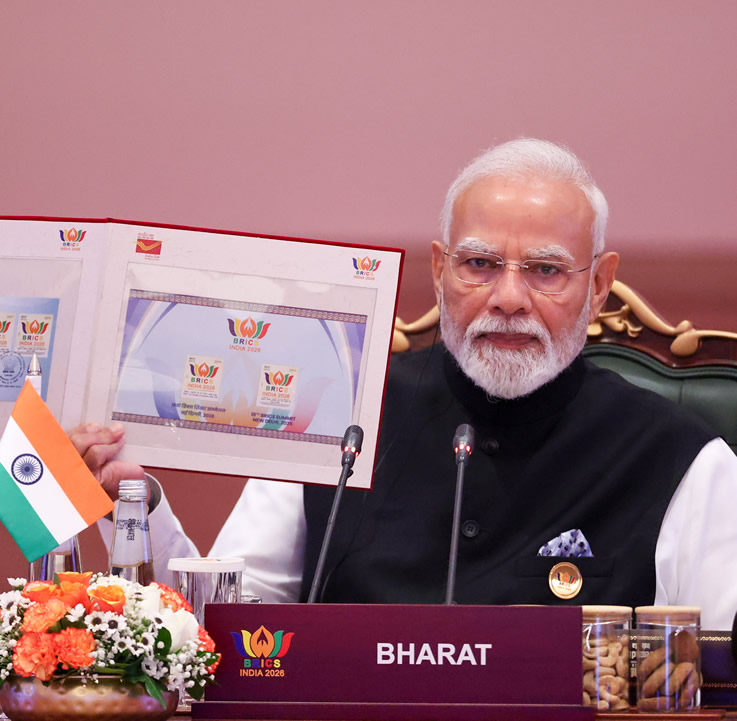
The commemorative postage stamps Prime Minister Modi released at Bharat Mandapam to mark two decades of BRICS cooperation offer a fitting symbol.
One stamp recalls the bloc’s evolution through mutual respect, solidarity and dialogue. The other carries the official logo and philosophy of India’s chairship, emphasizing a humanity-first vision.
Symbols matter. But institutions are ultimately built through substance.
At 20, BRICS has gained something it lacked when it began: scale.
What it now needs is strategic coherence.
New Delhi has given the grouping an ambitious vocabulary—resilience, innovation, cooperation and sustainability. The next step is to turn those words into institutions, mechanisms and measurable outcomes.
The world does not need another forum that merely describes the problems of globalization.
It needs coalitions capable of solving some of them.
That is the opportunity before BRICS in New Delhi—and the standard by which its second twenty years will eventually be judged.

