
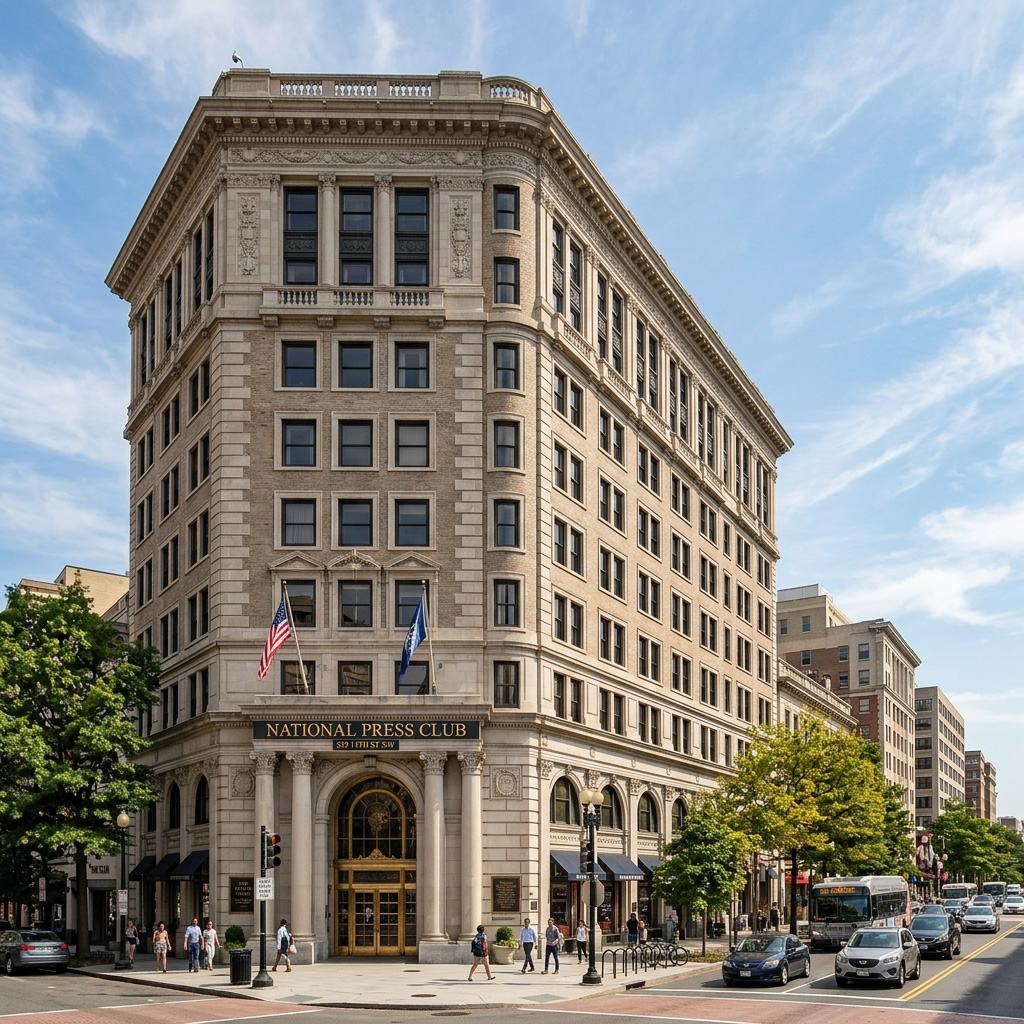
Echoes from the Podium: The Library of Congress Unlocks a Century of History
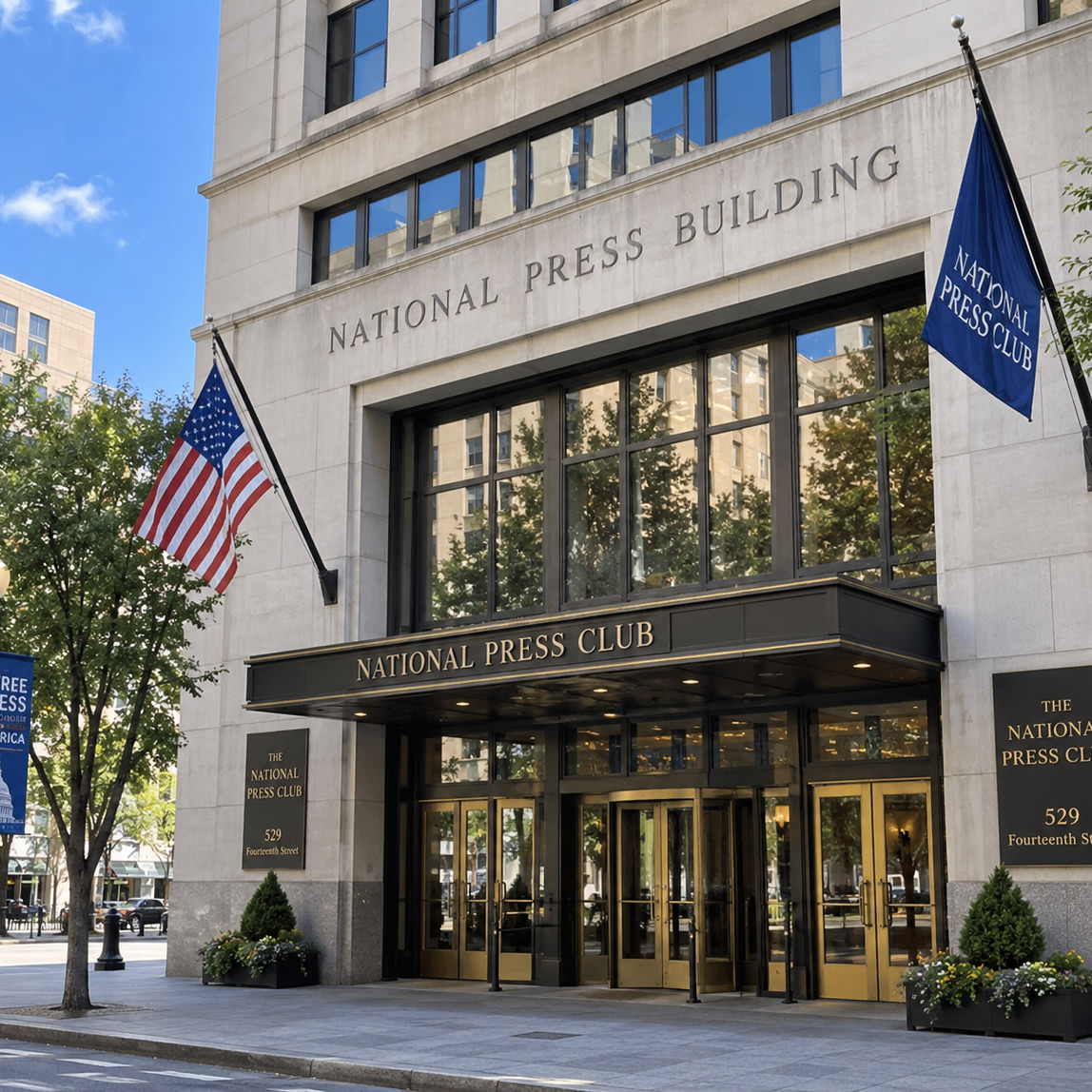
There is something haunting about hearing a historical figure clear their throat, pause for effect, or field a razor-sharp question from a reporter in real-time. For decades, the National Press Club in Washington, D.C., has served as the ultimate testing ground for power, prestige, and public persuasion. Since 1932, presidents, foreign heads of state, and cultural titans have stepped up to that microphone knowing their words would shape the next day’s global headlines.
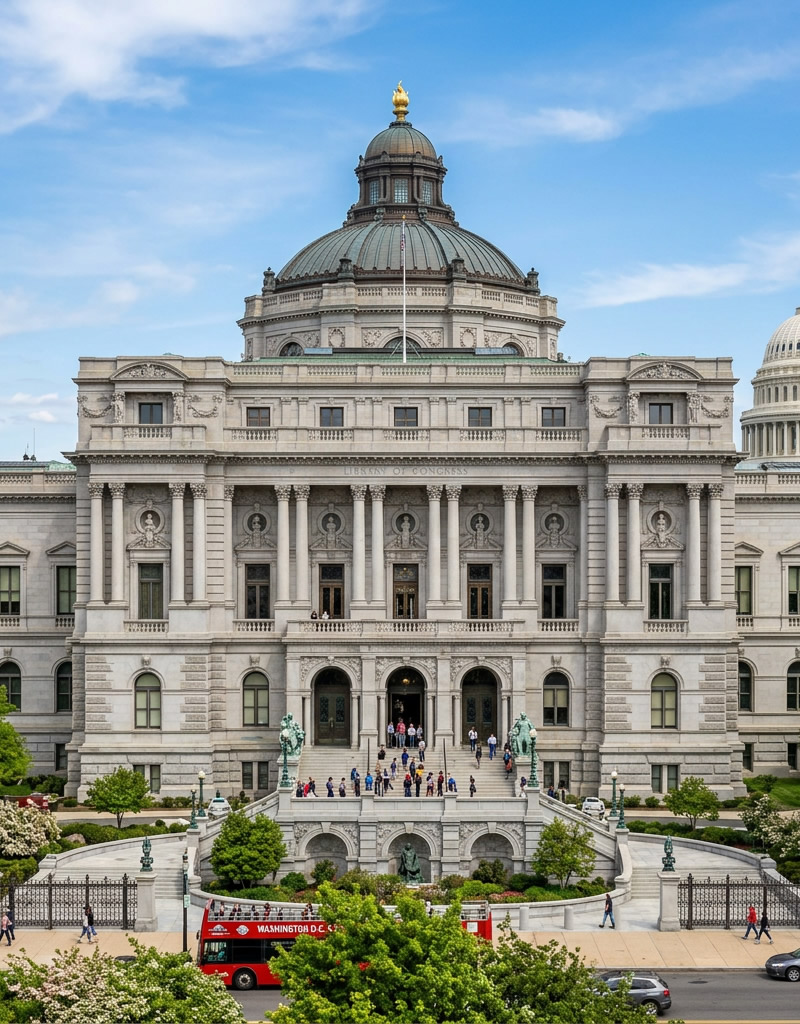
Now, thanks to an ambitious digitization initiative by the Library of Congress, those historic voices are stepping out of the archives and back into the public ear.
A Time Capsule of the 20th Century
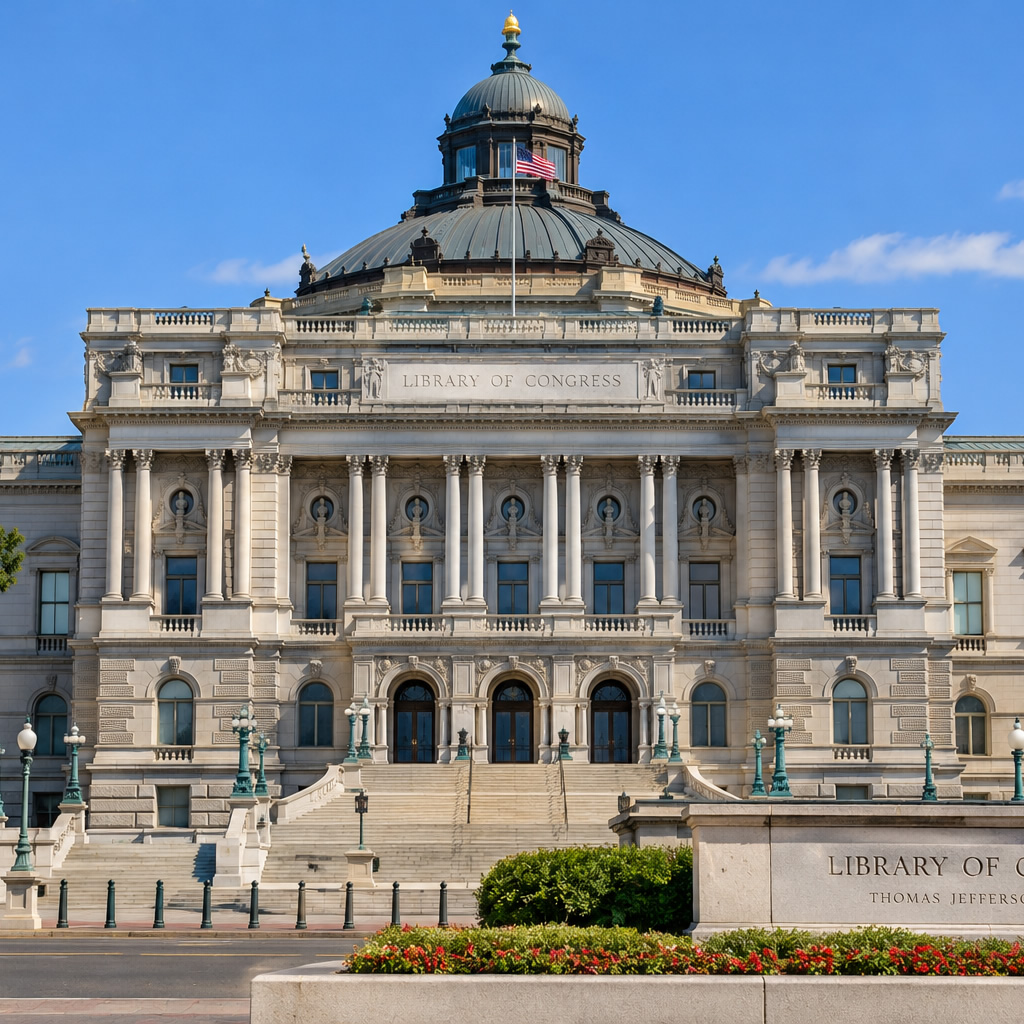
The Library holds audio recordings of National Press Club luncheon speakers dating from 1952 to 1991—a massive collection that has grown to nearly 2,000 speeches. This week, the Library released a sparkling second batch of these recordings, complete with historical analysis and curated essays to frame the discussions.
While researchers visiting the Library’s Recorded Sound Research Center can access the full collection, the online rollout brings legends directly to the public. The roster reads like a who’s who of modern history:
- Eight U.S. Presidents: Including Harry S. Truman, Dwight D. Eisenhower, Richard M. Nixon, Gerald R. Ford, Jimmy Carter, Ronald Reagan, and George H. W. Bush.
- International Heavyweights: Figures like Fidel Castro, Nikita Khrushchev, Margaret Thatcher, Anwar Sadat, Menachem Begin, and Indira Gandhi.
- Cultural Icons: Visionaries and artists such as James Baldwin, Muhammad Ali, Audrey Hepburn, Alfred Hitchcock, and Leonard Bernstein.
When the Stage Met the Moment
What makes these recordings invaluable is not just polished rhetoric, but how often they capture history on the brink. Prominent figures regularly used the podium to issue high-stakes pronouncements or react to unfolding crises.
- Geopolitical Turning Points: Egyptian President Anwar Sadat and Israeli Prime Minister Menachem Begin both took to the Press Club podium to pitch their fragile peace positions to the American public. Meanwhile, Fidel Castro spoke just three months after the overthrow of the Batista regime, when North America was still trying to figure out who he was.
- The Civil Rights Struggle: The microphone frequently captured the pulse of a changing nation. A. Philip Randolph spoke just two days before the historic 1963 March on Washington, while James Baldwin delivered poignant reflections on race in America.
- Pop Culture Meets the Press: The podium wasn’t reserved strictly for statesmen. Audrey Hepburn appeared as a UNICEF Goodwill Ambassador just days before embarking on a mission to bring aid to war-torn Sudan, and Alfred Hitchcock charmed audiences with trademark tongue-in-cheek humor while promoting The Birds.
Listen to the Past Shape the Present
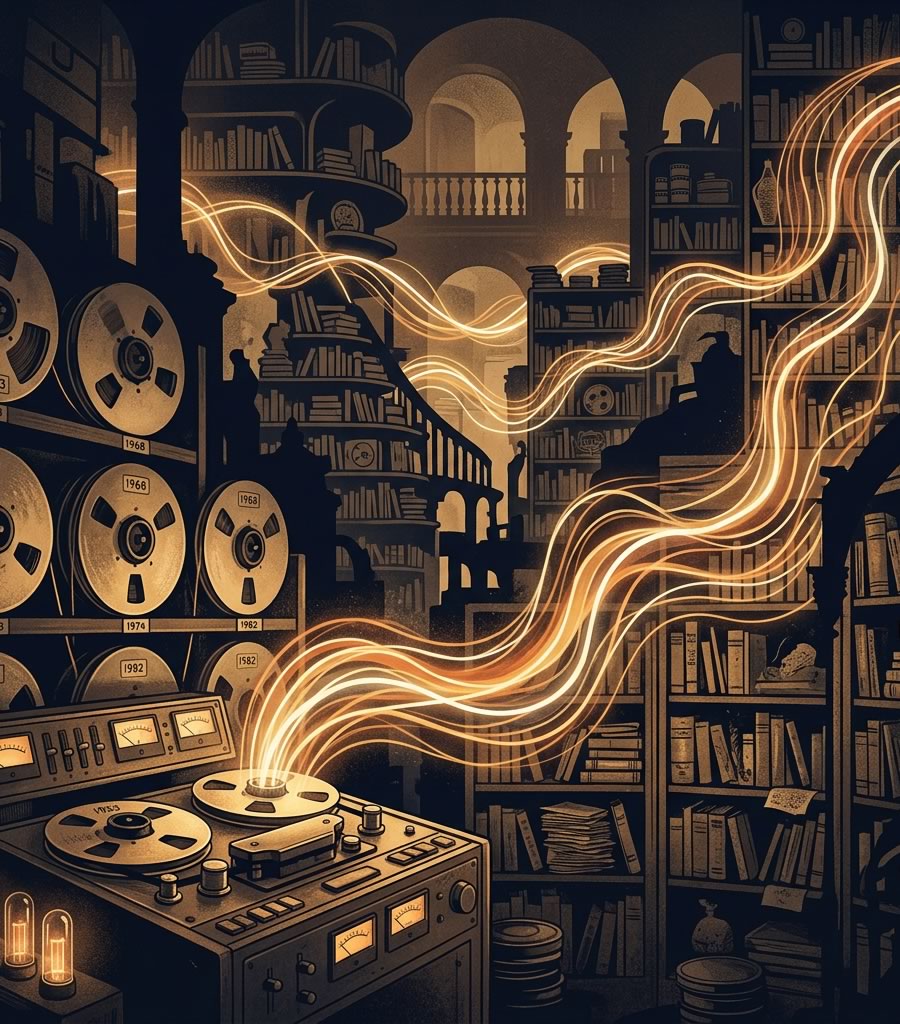
The magic of these recordings lies in the unscripted moments—the sharp Q&A sessions where reporters pushed ex-President Truman on his decision to drop atomic bombs, or where Eisenhower recalled the friction of D-Day planning.
By digitizing this treasure trove, the Library of Congress isn’t merely preserving old audio tapes; it is breathing life back into the pivotal moments that built our modern world. Whether you are a history buff, a student, or simply someone who loves the cadence of history being written out loud, this evolving archive offers an unmatched front-row seat to the 20th century.
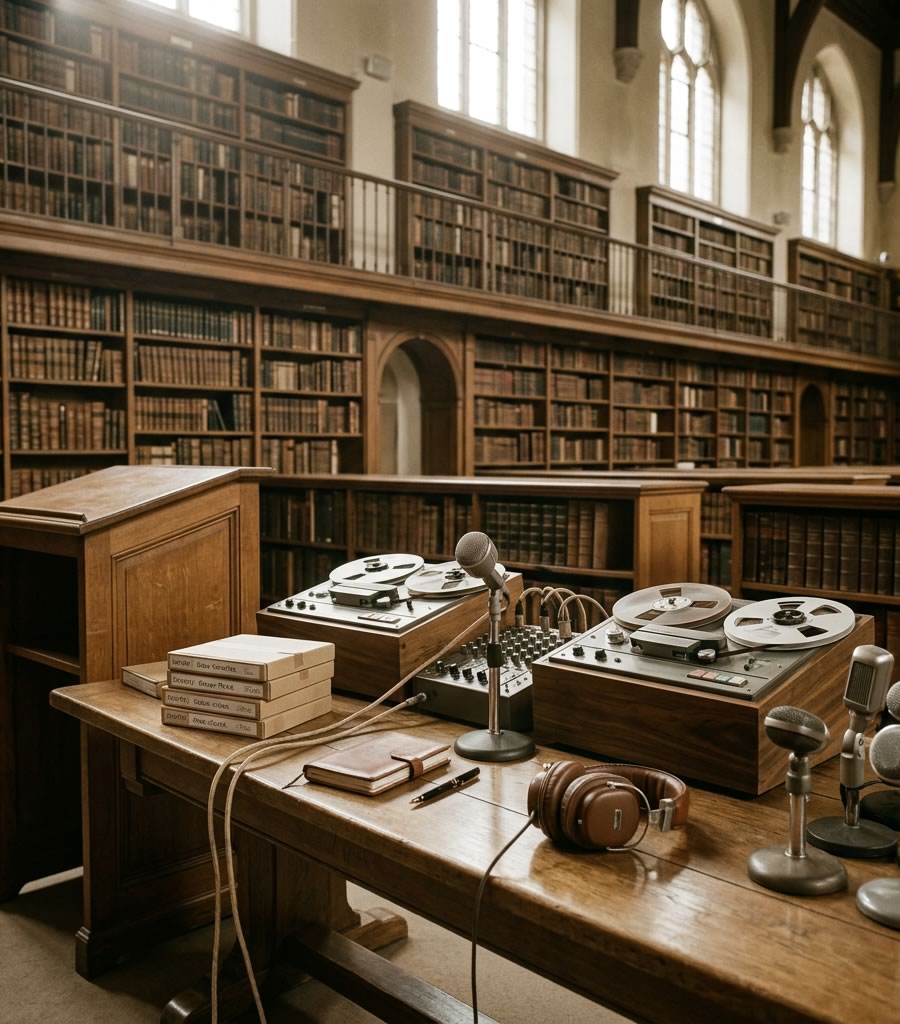
“In recognition of the historical importance of the luncheon talks, the Library of Congress has undertaken to digitize the complete National Press Club collection…”
If you could travel back in time to sit in the audience at any single National Press Club luncheon from this era, which historical figure would you want to hear take the podium?
• The National Press Club located in Washington, D.C., is a premier professional organization and social club for journalists. Founded in 1908, it serves as a prominent platform where world leaders, politicians, diplomats, and cultural icons address the press, make major announcements, and engage in public discourse.
• The Library of Congress in Washington, D.C., is the official research library of the United States Congress and the largest library in the world by shelf space and number of books. Established in 1800, it functions as a massive federal cultural institution, housing millions of books, recordings, photographs, maps, and manuscripts while serving as a primary repository for American history and creativity.
— The editor of CitiTimes is a member of the National Press Club.

