
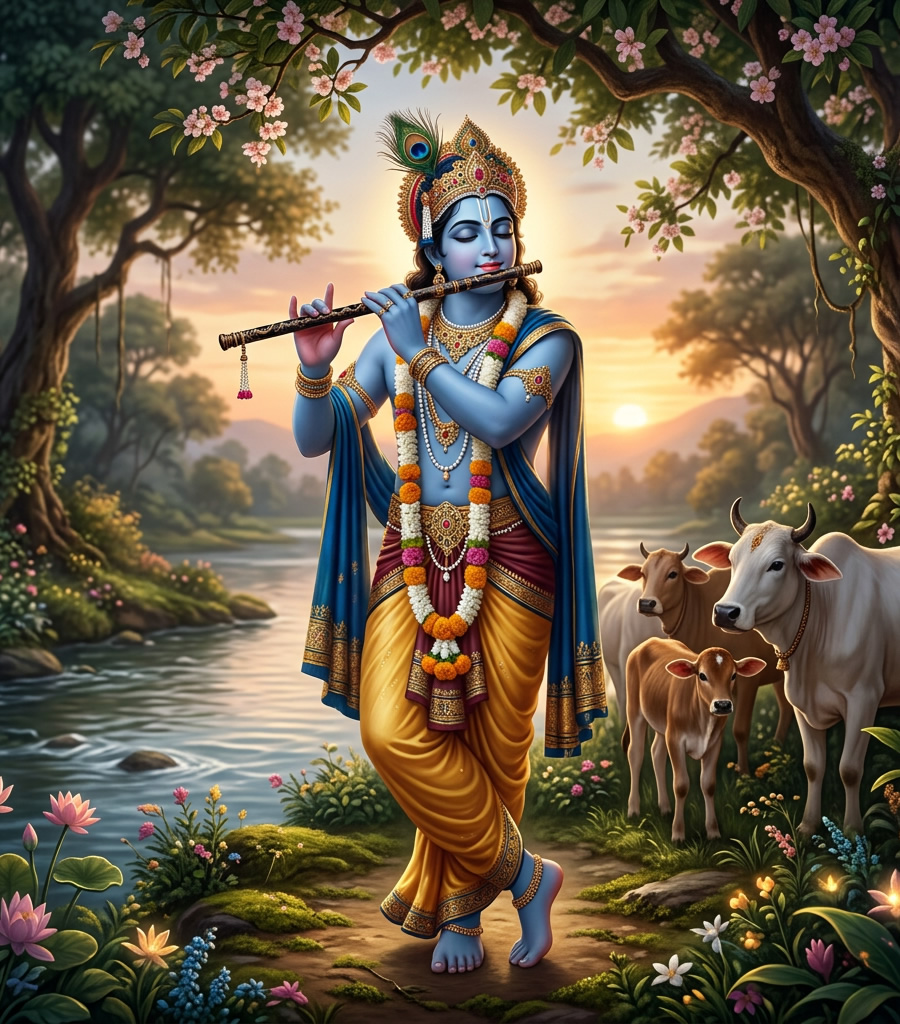
Krishna Janmashtami 2026: When Divine Light Triumphs Over Darkness
Krishna Janmashtami, the sacred festival commemorating the birth of Lord Krishna, will be observed in 2026 on Friday, September 4, with traditional midnight celebrations and Nishita Kaal observances extending into the early hours of September 5.
More than a celebration of a divine birth, Janmashtami recalls a timeless idea: when adharma prevails, the restoration of dharma must follow.
A Birth at Midnight, A Message for Eternity
Krishna is believed to have been born at midnight in a prison in Mathura to Devaki and Vasudeva, who had been imprisoned by the tyrannical King Kamsa. A prophecy had foretold that Devaki’s eighth child would bring about Kamsa’s downfall. Determined to prevent that destiny, Kamsa subjected the couple to unimaginable suffering and sought to destroy their children.
Yet Krishna was born at the darkest hour, within the confines of a prison and under the shadow of tyranny.
That setting gives the story its enduring power: Krishna’s arrival represents hope amid oppression and the eventual triumph of righteousness over injustice.
From Gokul’s Playful Child to the Teacher of the Gita
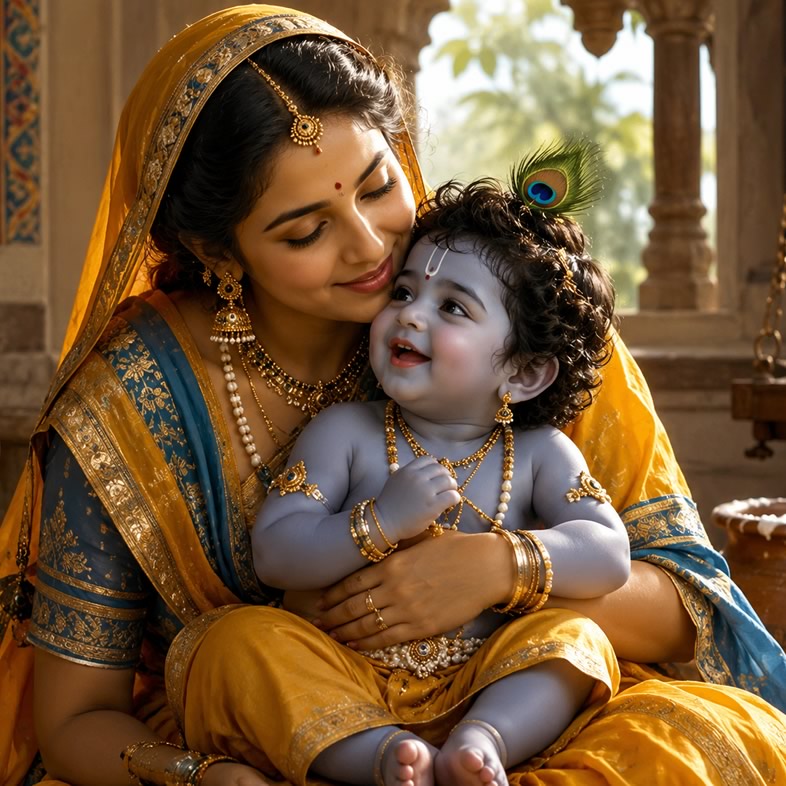
Krishna’s life spans a remarkable journey from divine playfulness to profound spiritual wisdom.
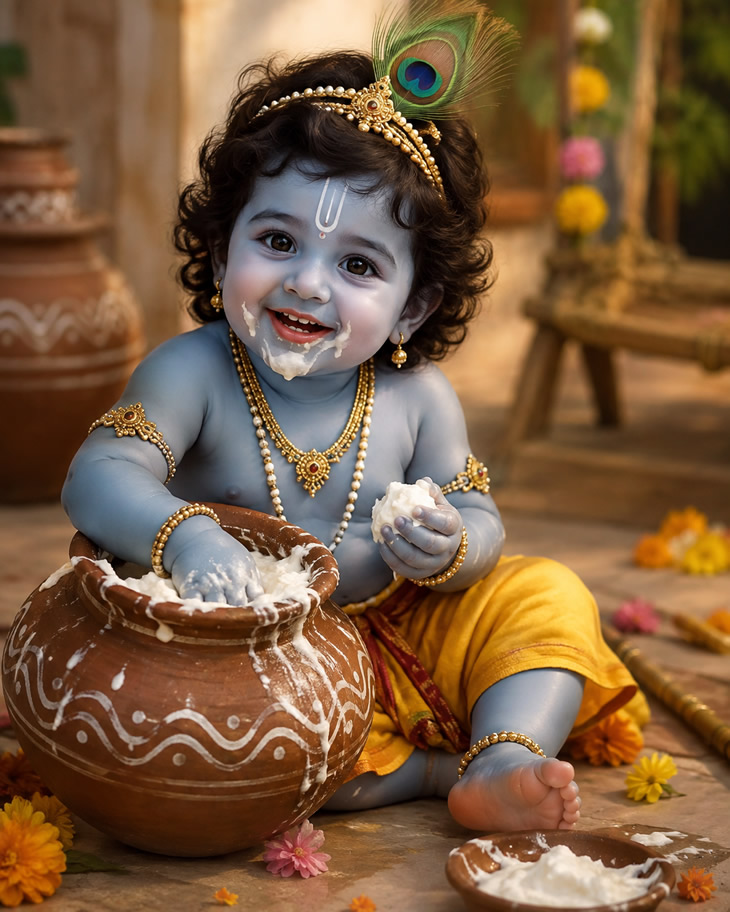
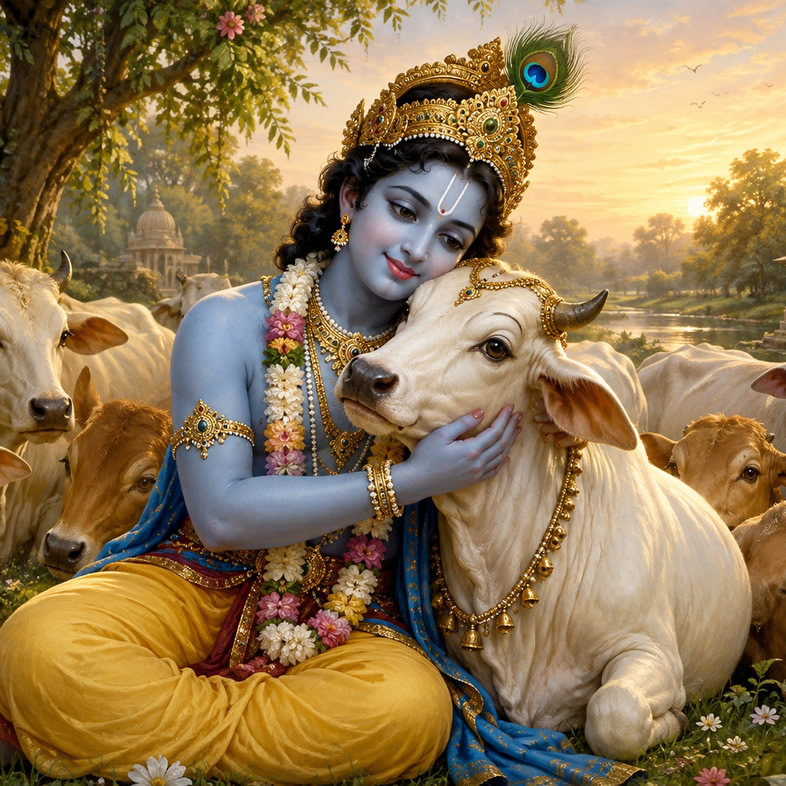
The infant born in Mathura was secretly carried by Vasudeva across the Yamuna to safety in Gokul. There, and later in Vrindavan, Krishna’s childhood became inseparable from stories of joy, music, mischief, and divine love. His playful encounters with the gopis, his love for butter, and the image of the young Krishna with his flute remain among the most beloved expressions of Indian cultural and spiritual imagination.
Yet the same Krishna would later emerge as one of history’s most influential spiritual teachers.
On the battlefield of Kurukshetra, as Arjuna confronted moral doubt and anguish, Krishna delivered the teachings of the Shrimad Bhagavad Gita. Its message of duty, selfless action, moral courage, and steadfastness continues to resonate across generations.
Krishna thus represents many dimensions of human and divine experience: the joyful child of Gokul, the beloved of Vrindavan, the defender of righteousness, the statesman and strategist, and the teacher whose words continue to guide people through life’s difficult choices.
The Eternal Relevance of Krishna’s Teachings
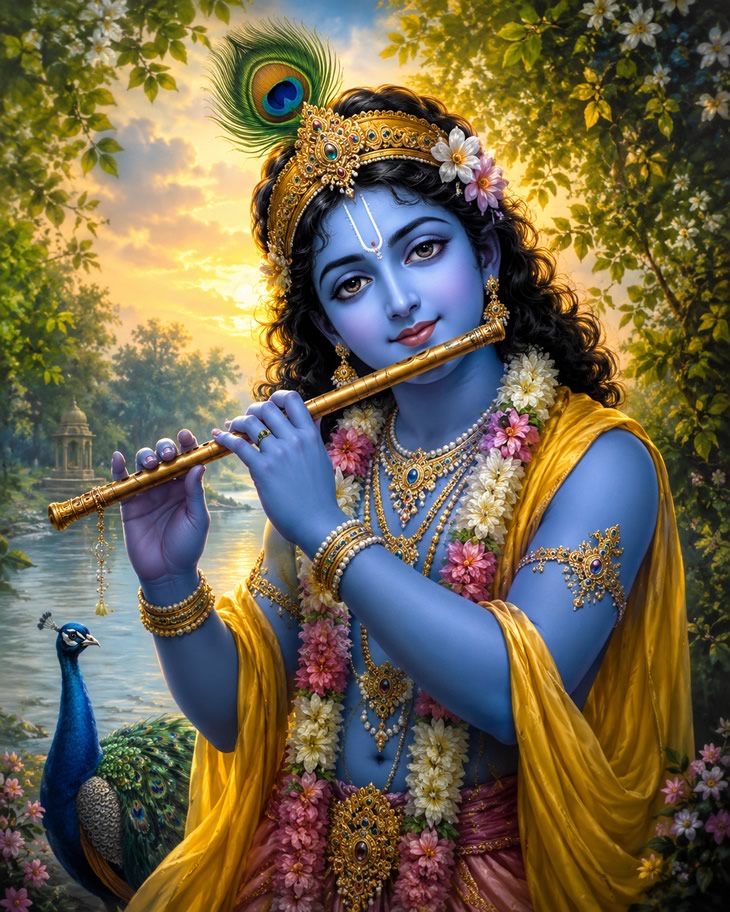
This continuing relevance is what the President of India, Smt. Droupadi Murmu highlighted in her greetings on the eve of Janmashtami.
Extending her heartfelt greetings and best wishes to Indians in India and abroad, the President said that the life and teachings of Bhagwan Shri Krishna have enriched India’s cultural and philosophical heritage.
She emphasized that Krishna showed the path of truth, righteousness, justice, compassion, and selfless service. His teachings, embodied in the Shrimad Bhagavad Gita, remain an enduring source of inspiration for making prudent decisions during difficult times and remaining steadfast in moral values.
The President also said that Janmashtami inspires people to uphold harmony, devotion to duty, and service.
Her message connects the festival’s ancient traditions with the responsibilities of contemporary life. Krishna’s teachings continue to speak to the choices individuals and societies face when wisdom, courage, compassion, and ethical leadership are needed most.
A Night of Faith and Celebration
Across India and around the world, Janmashtami is marked by prayer, fasting, devotion, and celebration.
Devotees traditionally fast during the day and stay awake through the night, participating in bhajans and kirtan before performing special puja during Nishita Kaal, the sacred midnight period associated with Krishna’s birth.
Homes and temples are decorated with flowers and lights, while offerings of sweets, butter, and milk products recall the beloved stories of Krishna’s childhood. In Mathura and Vrindavan, places intimately associated with his life, the festival is observed with particular grandeur.
In Maharashtra and several other regions, celebrations also include the vibrant tradition of Dahi Handi, inspired by stories of Krishna and his companions reaching for pots of butter and curd. The human pyramids formed during these events have become a spirited expression of teamwork, courage, and collective celebration.
From solemn midnight worship to devotional music and the energy of Dahi Handi, Janmashtami reflects the richness and diversity of India’s living cultural traditions.
A Resolve for an Inclusive and Developed India
In her Janmashtami message, President Murmu called upon citizens to draw inspiration from the ideals of Bhagwan Shri Krishna and continue working towards building an inclusive and developed India.
That call gives the festival a contemporary resonance. Janmashtami is not only an occasion to remember Krishna’s birth, but also to reflect on the values associated with his life and teachings—truth, justice, compassion, duty, and selfless service.
As devotees mark the anniversary of Bhagwan Shri Krishna’s birth, Janmashtami remains a celebration of faith, culture, and a philosophy that continues to guide generations through changing times.
On this auspicious occasion of Krishna Janmashtami, may the teachings of Bhagwan Shri Krishna inspire us to make wise choices, remain steadfast in our values, uphold harmony, and work together towards a more just, inclusive, and developed India.
Happy Krishna Janmashtami! Jai Shri Krishna!

