
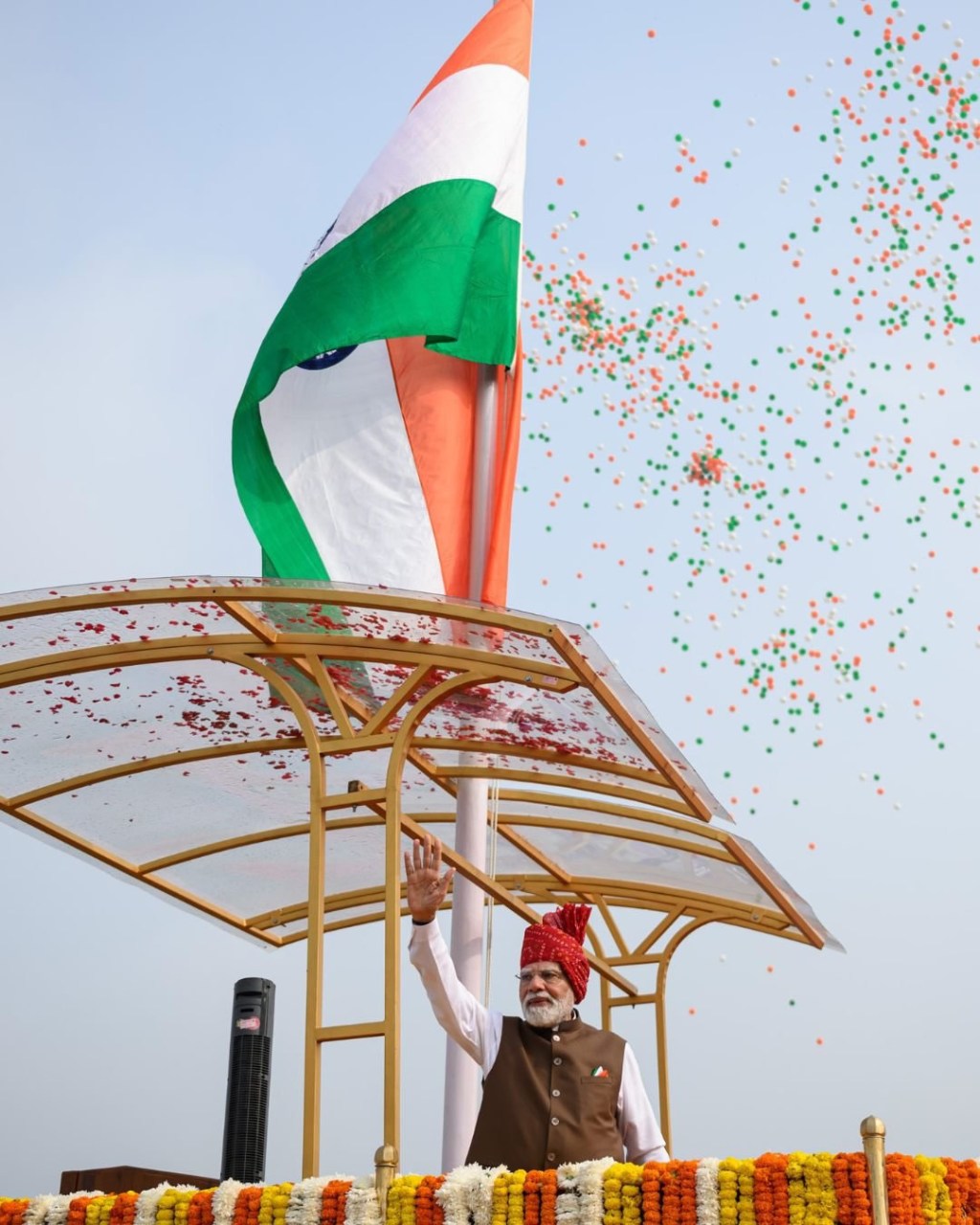
From Freedom to Viksit Bharat: PM Modi’s 80th Independence Day Vision
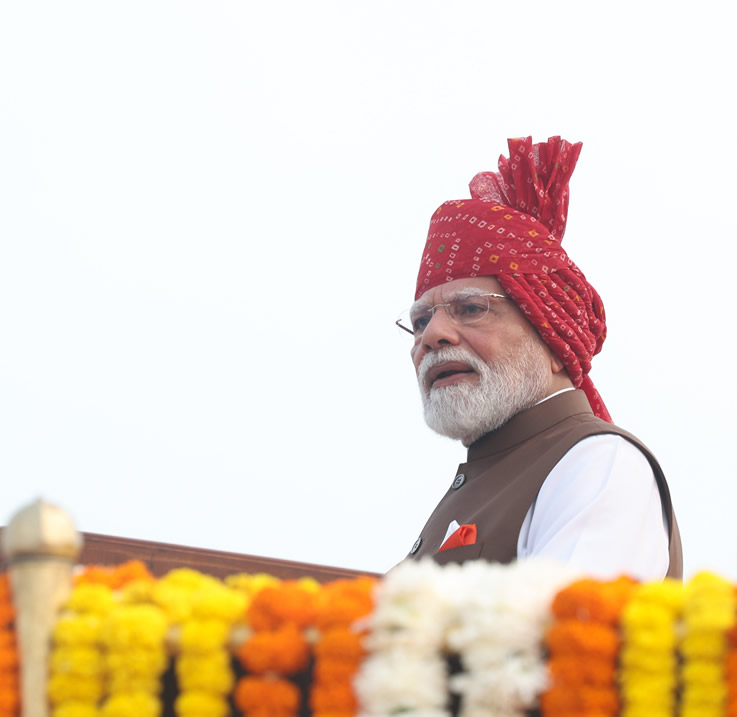
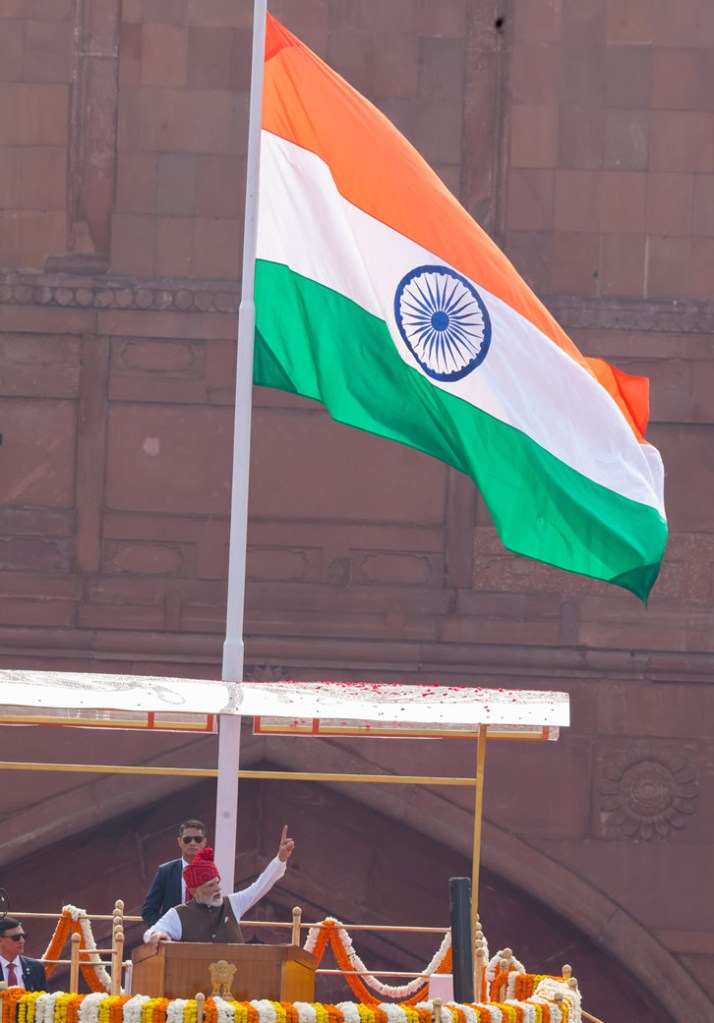
New Delhi | August 15, 2026
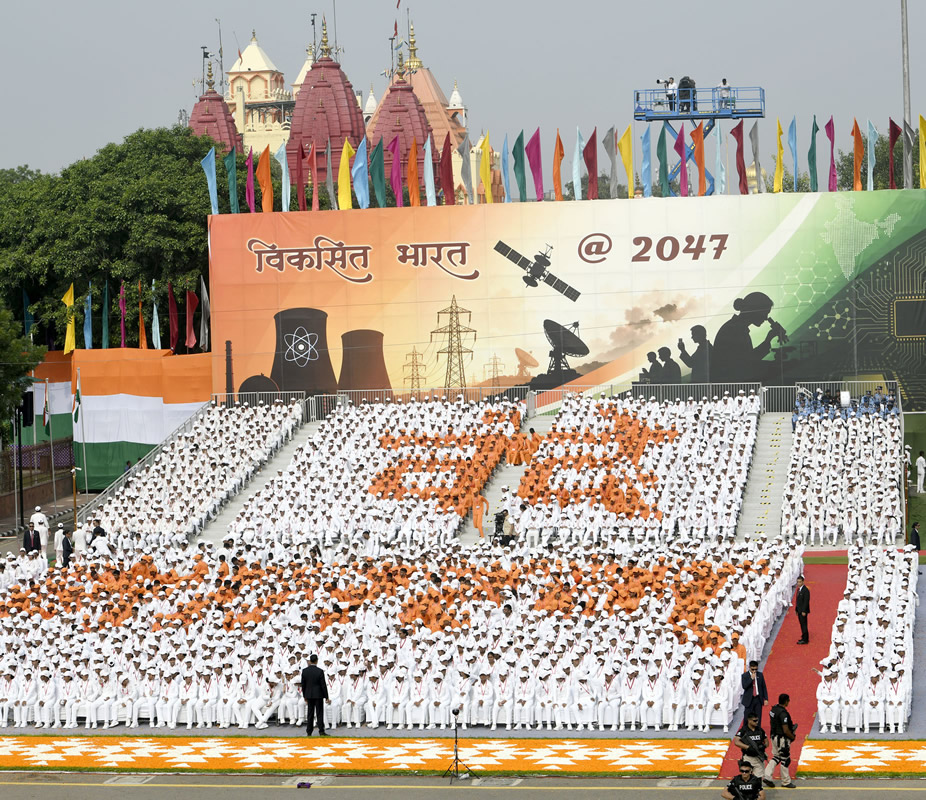
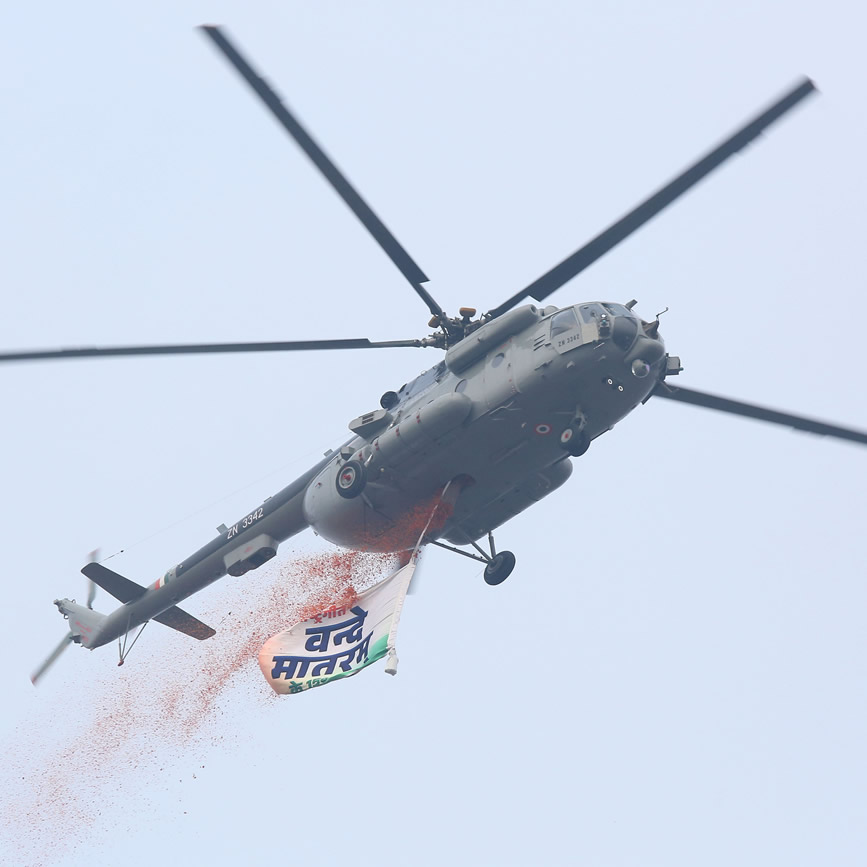
On India’s 80th Independence Day, Prime Minister Narendra Modi addressed the nation from the historic ramparts of the Red Fort with a message centered on ambition, self-reliance and the collective resolve to build a Viksit Bharat (Developed India) by 2047. He also paid tribute to freedom fighters, extended solidarity to families affected by recent floods and landslides, and invoked the continuing spirit of the Tricolor and Vande Mataram.
A defining theme of the address was the conviction that national greatness rests on the strength of a country’s own dreams and capabilities. Presenting what he described as a report card of India’s transformation, Modi highlighted gains across manufacturing, electronics, defence production, digital transactions, infrastructure and basic amenities, while emphasizing the contribution of citizens to the country’s changing economic trajectory.
Self-Reliance as a National Strategy


The Prime Minister placed Atmanirbharta, or self-reliance, at the heart of India’s next phase of development. Semiconductors, critical minerals, nuclear energy, domestic oil and gas exploration, renewable energy and hydrogen technology featured prominently in his vision. He announced a target of 100 GW of nuclear capacity by 2047, alongside plans for new reactors, while highlighting the expansion of solar power and the development of India’s first Made-in-India hydrogen train.
The address also connected self-reliance with India’s global economic ambitions. Indian manufacturers and exporters, he argued, must compete internationally not merely through scale but through superior quality, affordability and reliability.
The Seven Streams of India’s Next Leap
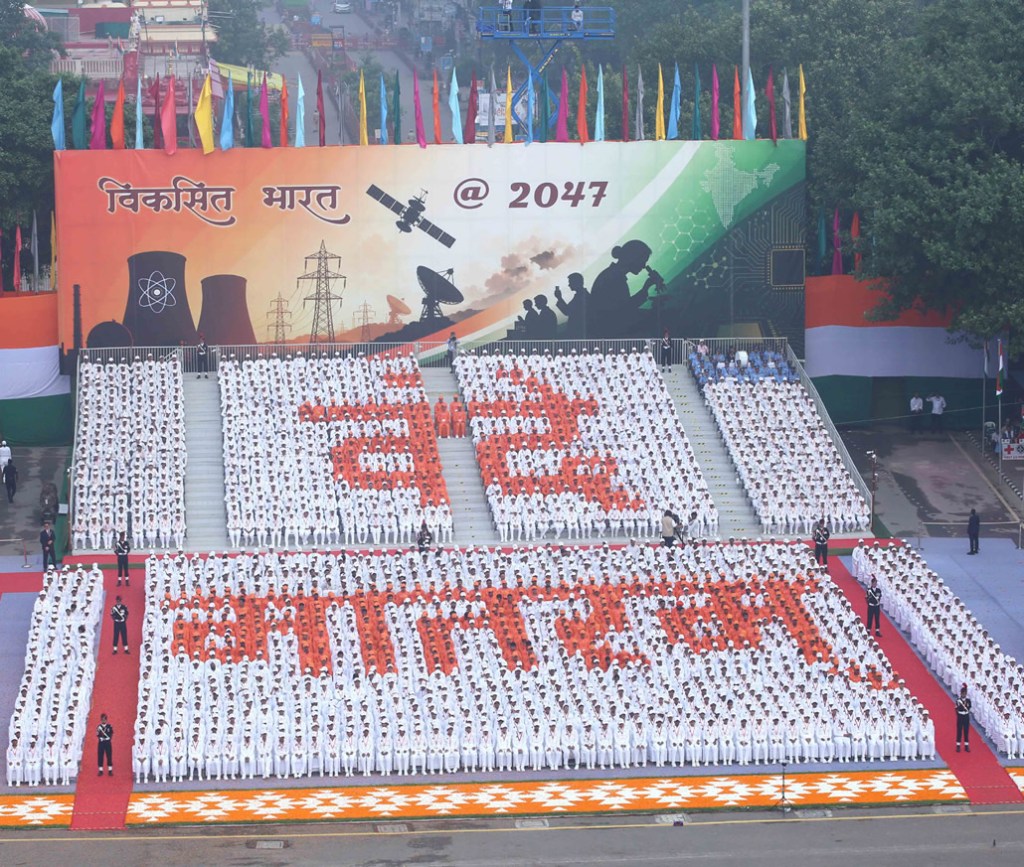
One of the address’s central policy frameworks was Saptdhara or Sapt Shakti—seven interconnected streams intended to propel India’s development.
They encompass Manufacturing Power; Agriculture and Food Processing; Technology and Innovation; Gati Shakti; Defence Shakti; the Green and Blue Economy; and India’s Soft Power. Together, these priorities seek to connect industrial growth, agriculture, emerging technologies, infrastructure, national security, sustainability and India’s cultural influence into a more integrated development strategy.
The technology agenda was particularly ambitious, spanning artificial intelligence, quantum computing, space, robotics, digital public infrastructure and Made-in-India 6G. The Prime Minister also called for India to become a global innovation hub rather than simply a major technology market.
Youth at the Center

The speech repeatedly placed India’s youth at the center of the Viksit Bharat project. Modi highlighted the expansion of universities and medical colleges, the startup ecosystem, research funding and innovation programmes, and announced a major new initiative to train one crore young Indians in artificial intelligence skills over the coming year.
Education and opportunity were paired with new measures in competitive-exam preparation, sports and grassroots talent identification. A nationwide sports talent hunt for children aged 5 to 15 was announced alongside a free online coaching network designed to reduce the financial burden of competitive examinations on families.
Inclusion, Women and Social Security
The address also emphasized that development must reach the last citizen. The Prime Minister highlighted the expansion of social-security coverage, Ayushman Bharat’s health protection, and the economic empowerment of rural women through the Lakhpati Didi programme. He set a new target of six crore Lakhpati Didis after the earlier three-crore milestone was achieved.
He further called for the swift implementation of one-third reservation for women in Parliament and state legislatures, framing greater political representation as an important dimension of India’s nation-building journey.
A Call for National Resolve
Beyond individual schemes and targets, the Independence Day address sought to establish a broader national mood: think bigger, move faster and build India’s capabilities from within. Modi called for a transformation in work culture and administrative execution, while urging cooperation among the Center, States and society to advance the next generation of reforms.
His concluding message returned to the Panch Pran, calling upon citizens to place national interest above self-interest, overcome a colonial mindset and turn India’s aspirations into tangible achievements.
As India marks eight decades of independence, the address therefore looked simultaneously backward and forward—honouring the sacrifices that secured freedom while presenting 2047, the centenary of independence, as the defining horizon for India’s next national transformation. The challenge now is to translate that expansive vision into sustained execution, innovation, inclusion and opportunity for every citizen.

