
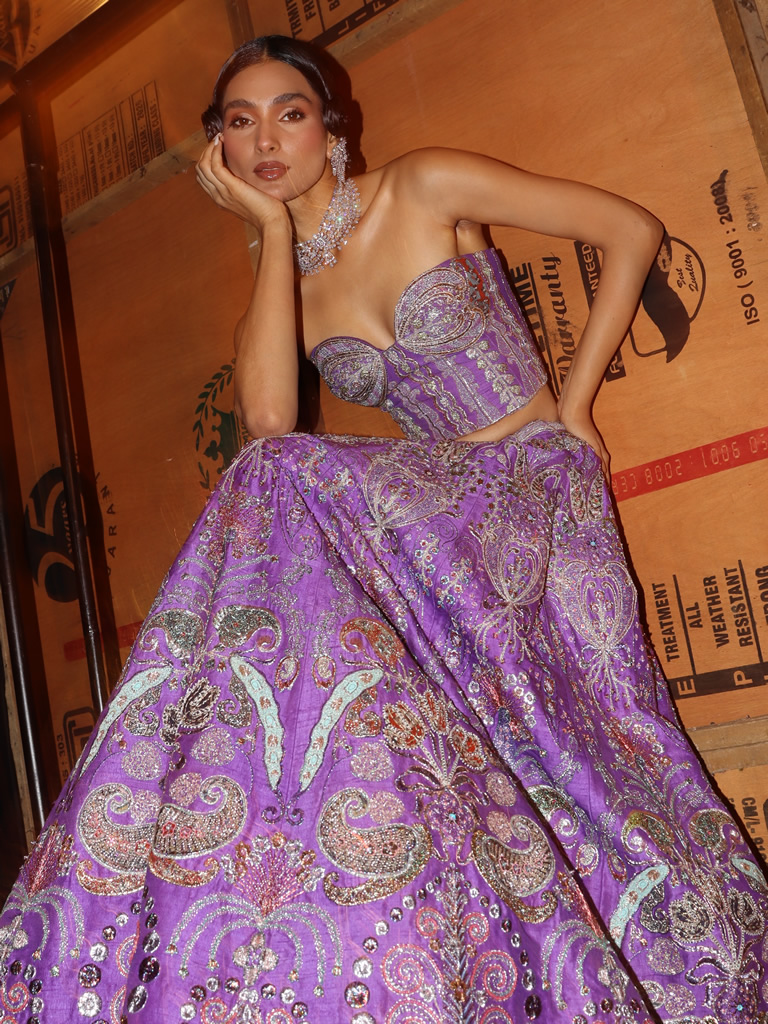
India Couture Week 2026: Where Heritage Walked Hand in Hand with the Future
From royal palaces and centuries-old craftsmanship to sculptural silhouettes and wearable couture, Hyundai India Couture Week 2026 demonstrated that Indian fashion is not simply preserving tradition—it is continuously reinventing it.
For nearly two decades, Hyundai India Couture Week has served as the definitive showcase of Indian haute couture. Its nineteenth edition, organized by the Fashion Design Council of India (FDCI) in association with Nexxus New York, proved that couture today is far more than bridal grandeur. It has become a sophisticated conversation between heritage and innovation, craftsmanship and technology, history and contemporary identity.
Running from 23–30 July 2026, this year’s edition marked a historic milestone before a single runway look appeared in New Delhi. For the first time, the event opened outside the national capital, with Anamika Khanna unveiling her collection at the magnificent Taj Falaknuma Palace in Hyderabad. The symbolic departure suggested an expanding vision for Indian couture—one that embraces the country’s many cultural landscapes while remaining rooted in exceptional craftsmanship.
The celebration then returned to its traditional home at Taj Palace, New Delhi, where India’s foremost designers presented collections that reaffirmed why Indian couture continues to command global attention.
A New Chapter for Indian Couture
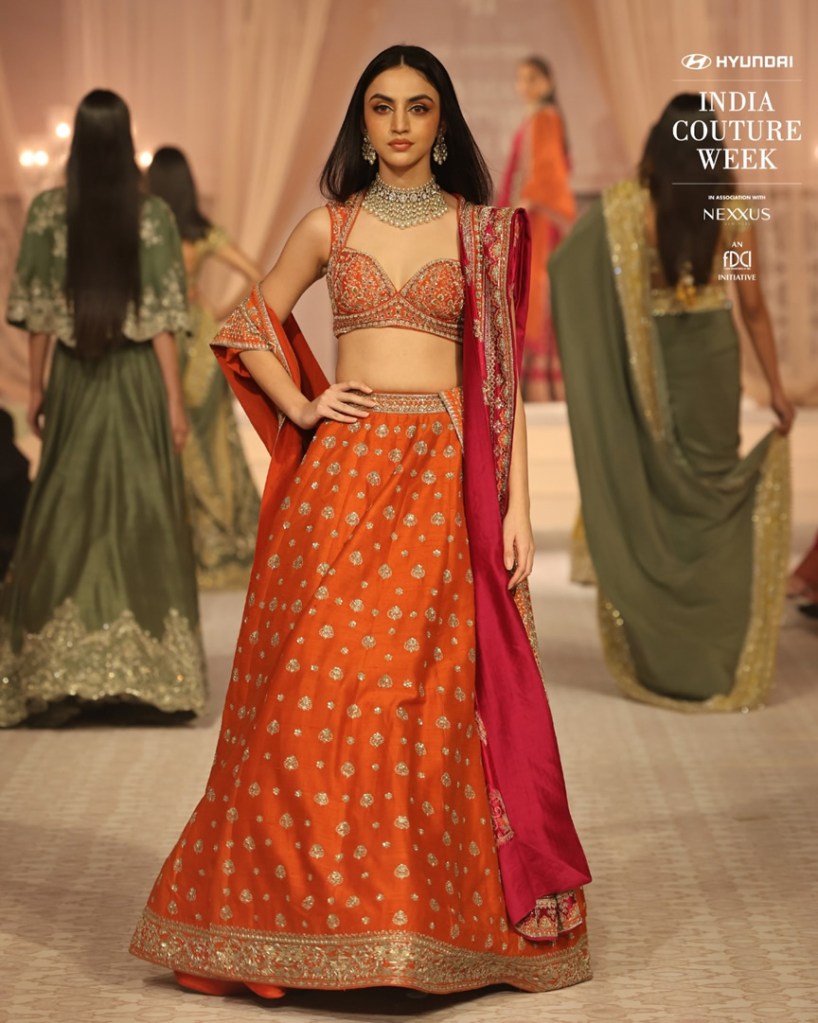
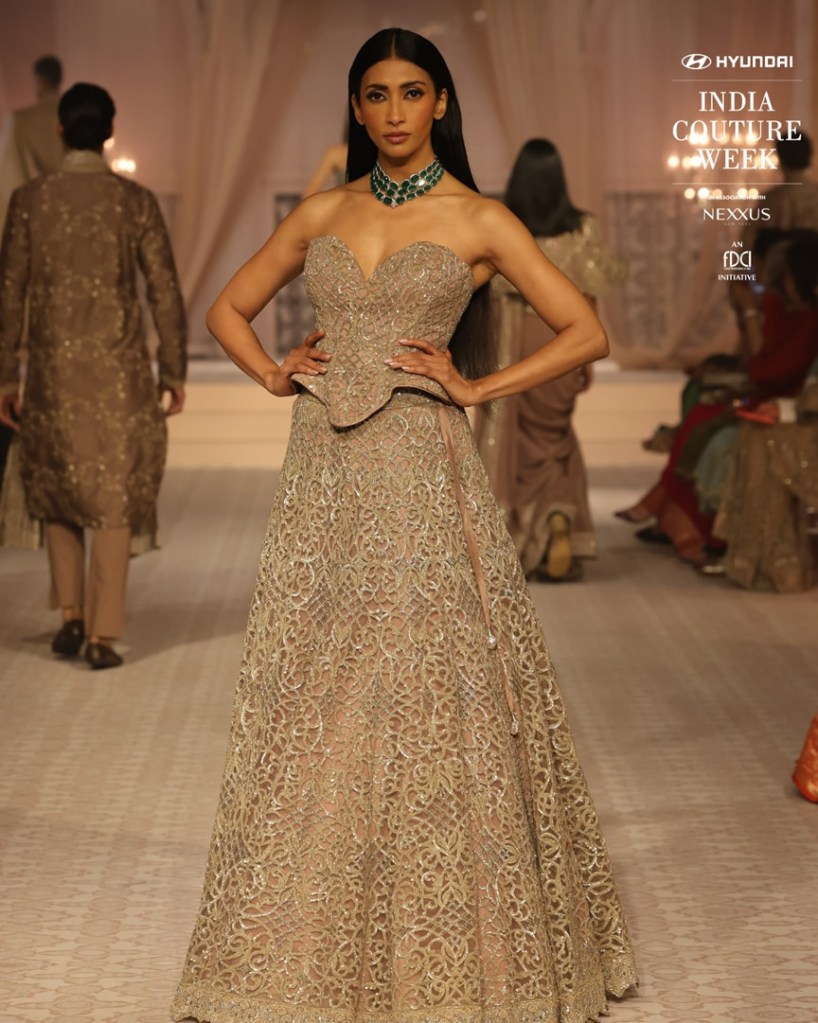
If there was one defining narrative across the week, it was evolution rather than revolution.
The extravagant bridal lehenga remains the emotional centerpiece of Indian couture, yet designers increasingly challenged conventional definitions of occasion dressing. Relaxed tailoring, gender-fluid silhouettes, oversized jackets, sculptural separates, bodysuits, balloon trousers, and contemporary layering appeared alongside painstaking hand embroidery and traditional textile techniques.
Rather than abandoning tradition, designers made it more adaptable for modern lifestyles.
This balance reflects the changing aspirations of today’s luxury consumer—someone who values craftsmanship but also expects versatility, comfort, and individuality.
Craftsmanship as the True Luxury
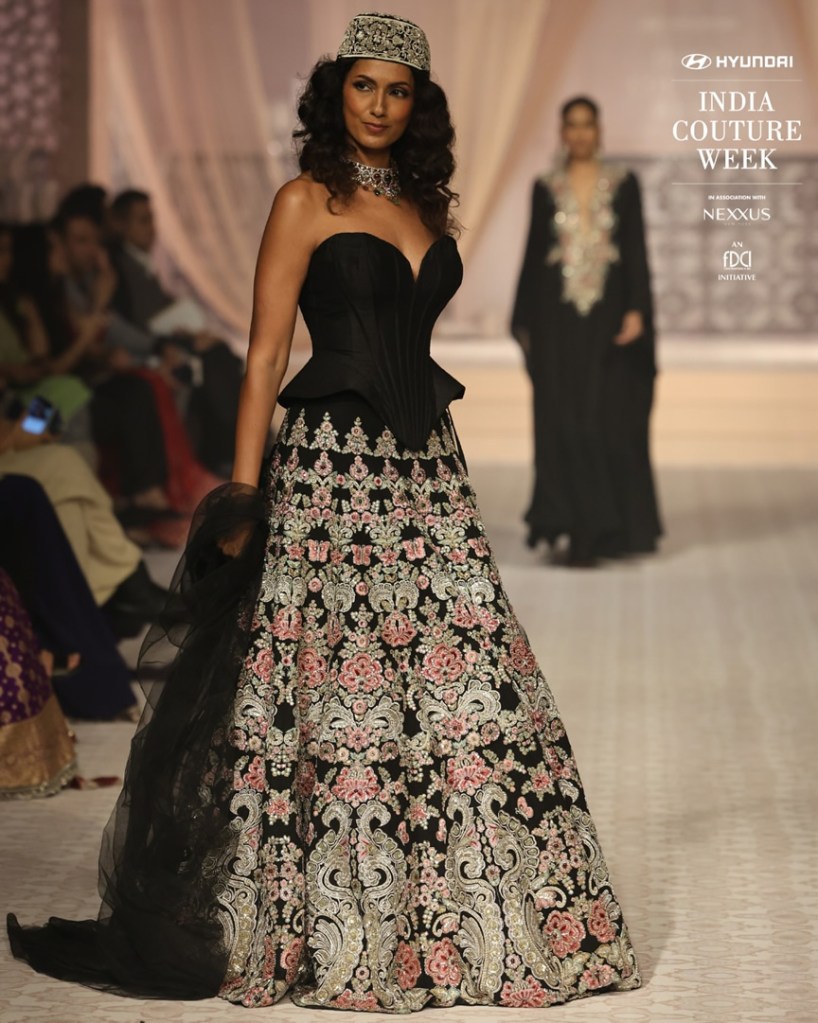
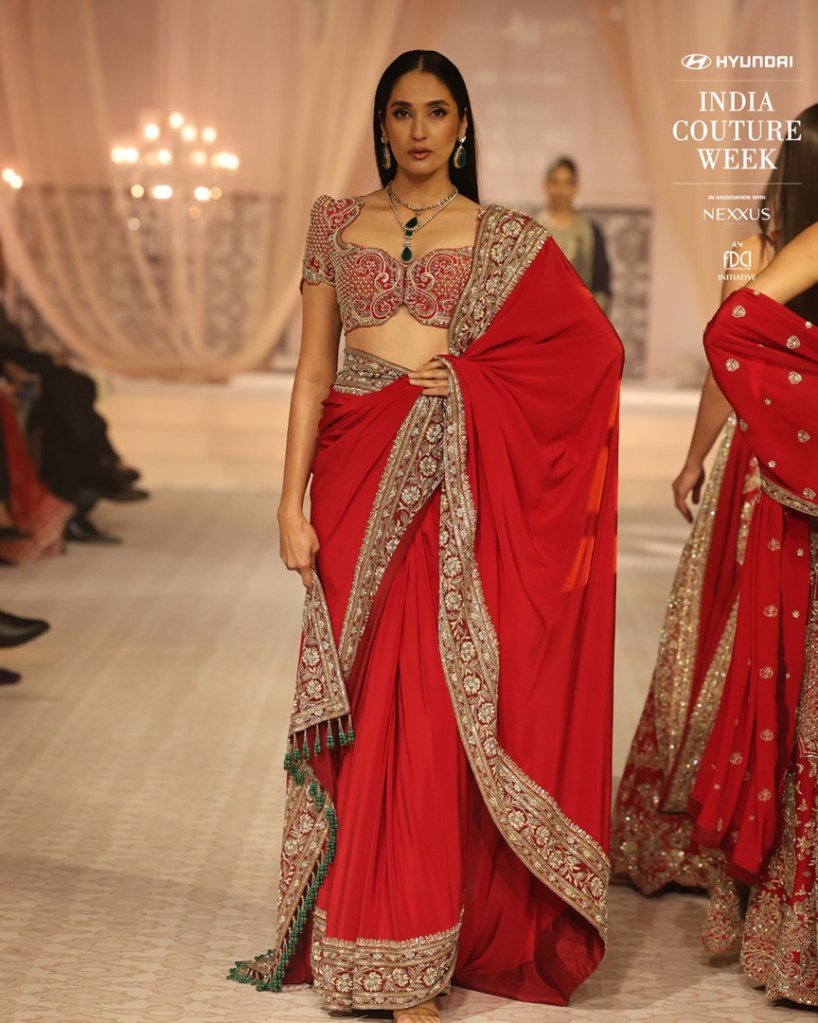
Across approximately fourteen presentations, one message emerged with remarkable consistency: craftsmanship remains India’s greatest luxury export.
Few collections illustrated this better than House of Rohit Bal’s “DASTKAR,” an emotional tribute to the artisans whose invisible hands have shaped Indian couture for generations. Drawing inspiration from French tapestries, antique wallpapers, and traditional textile artistry, the collection transformed embroidery into architectural storytelling.
Similarly, Rahul Mishra’s grand finale elevated embroidery into sculpture. His celebrated DEVI collection—first introduced in Paris—returned alongside a new festive couture line that showcased his signature ektaarka technique. Threads mimicked carved stone, while floral motifs, zardozi, and hand-painted textiles demonstrated how Indian craftsmanship continues to evolve without losing its soul.
In many ways, these collections reminded audiences that couture is measured not merely by embellishment, but by the countless hours of human skill embedded within every garment.
Heritage Reimagined
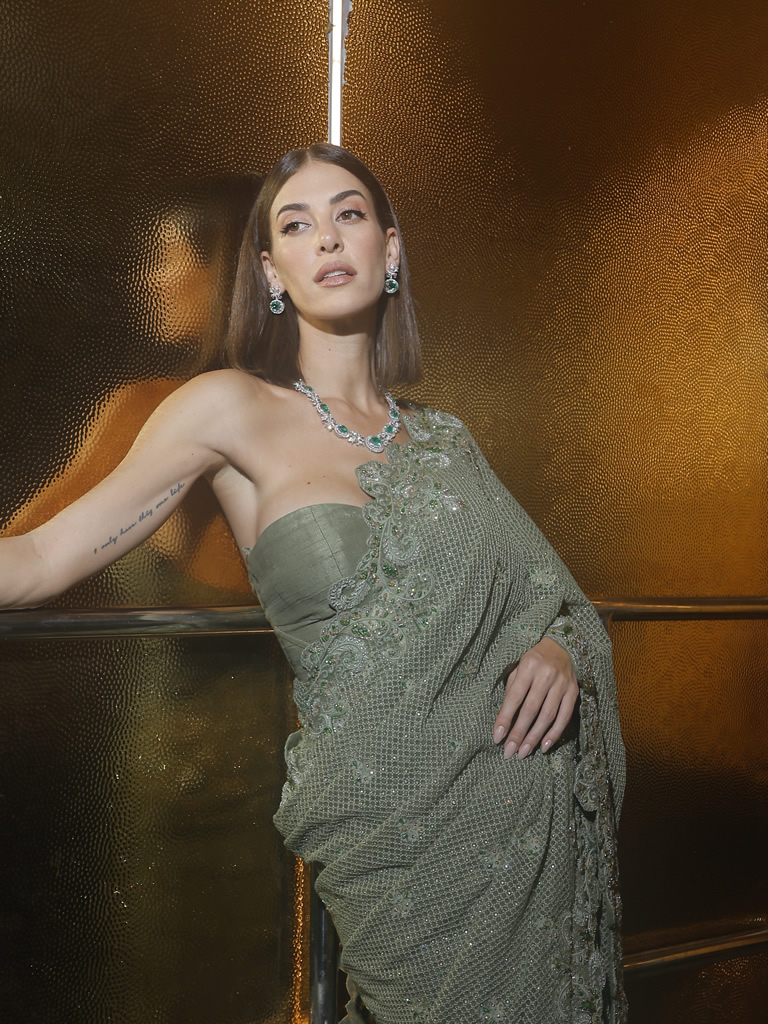
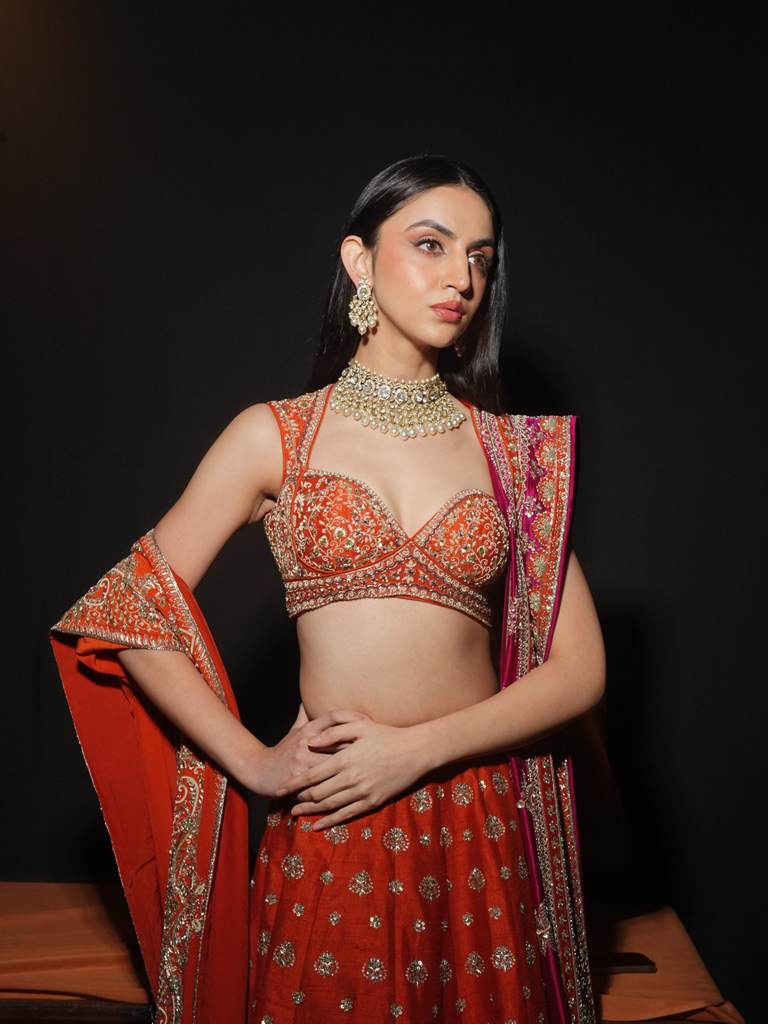
Many designers looked toward history—not to recreate it literally, but to reinterpret it through a contemporary lens.
Anamika Khanna’s “Moonlit Palace” drew from the embroideries of Barmer and the expressive visual language of Kalighat paintings. Traditional references merged effortlessly with gender-blurring tailoring and restrained ornamentation, producing clothing that felt timeless rather than nostalgic.
JJ Valaya’s “SIDDI” explored the cultural heritage of India’s Siddi community through richly crafted bridal couture, regal sherwanis, contemporary saris, and fluid anarkalis. The result was both historically informed and unmistakably modern.
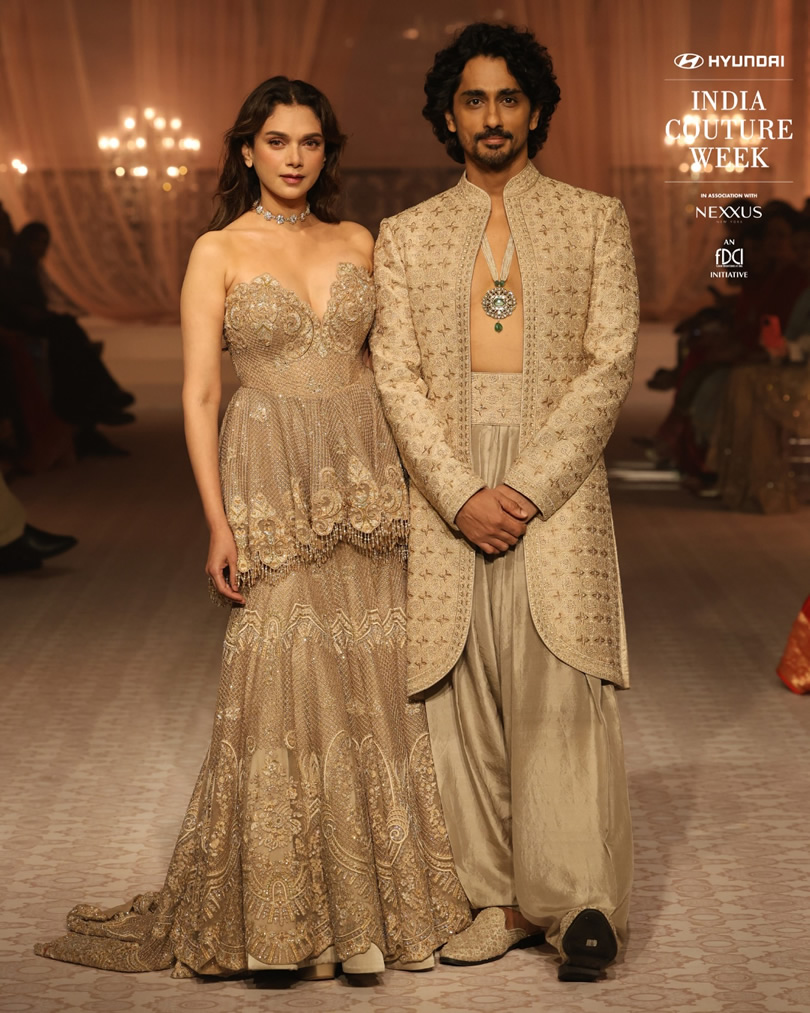
Meanwhile, Jayanti Reddy’s “The Gilded Era” revisited Hyderabad’s Nizami legacy with refined embroidery and regal silhouettes. At the same time, Tarun Tahiliani abandoned the conventional runway altogether for an immersive exhibition at Bikaner House. His Navaratan presentation transformed couture into an artistic experience where sculpted corsetry, architectural gowns, and jewel-inspired color palettes became part of a larger narrative.
These presentations demonstrated that heritage in contemporary fashion is no longer static—it is dynamic, interpretive, and deeply personal.
Beyond Bridal: Couture Finds Everyday Confidence
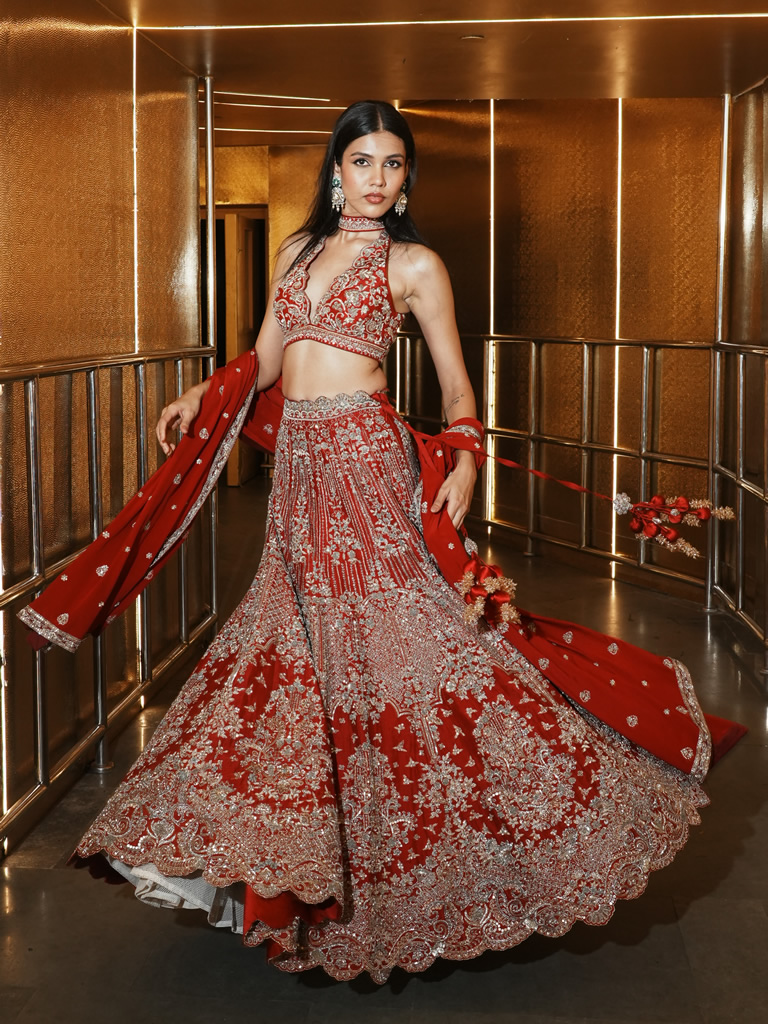
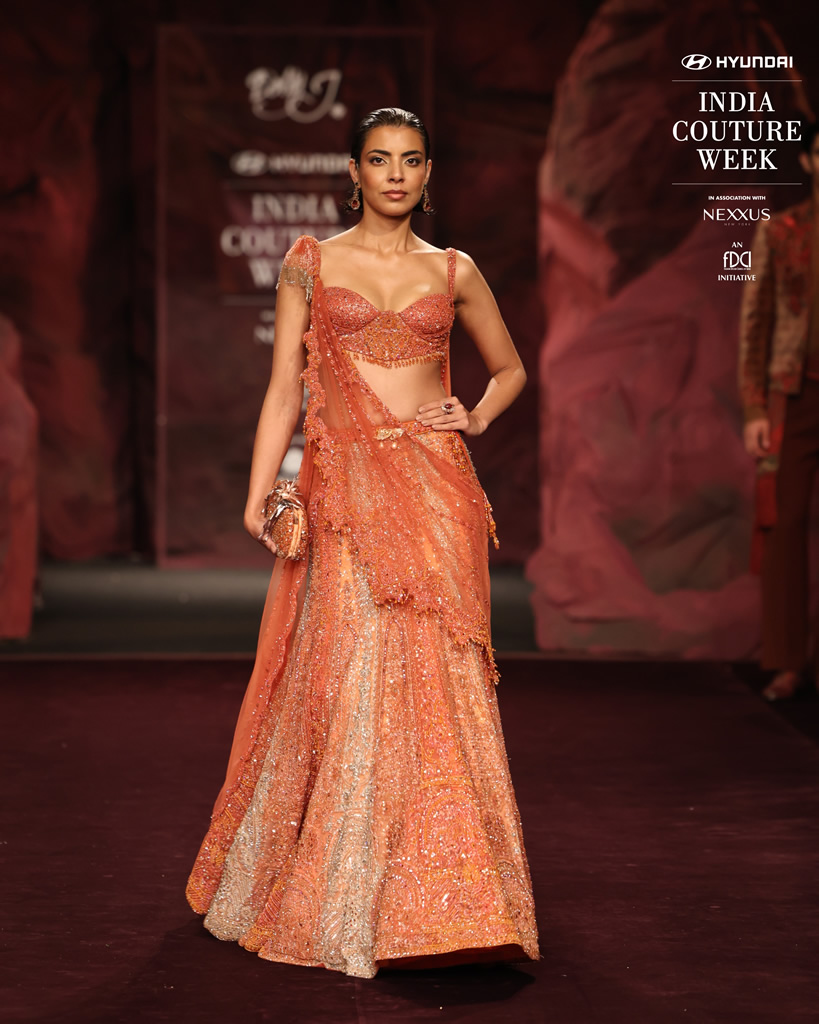
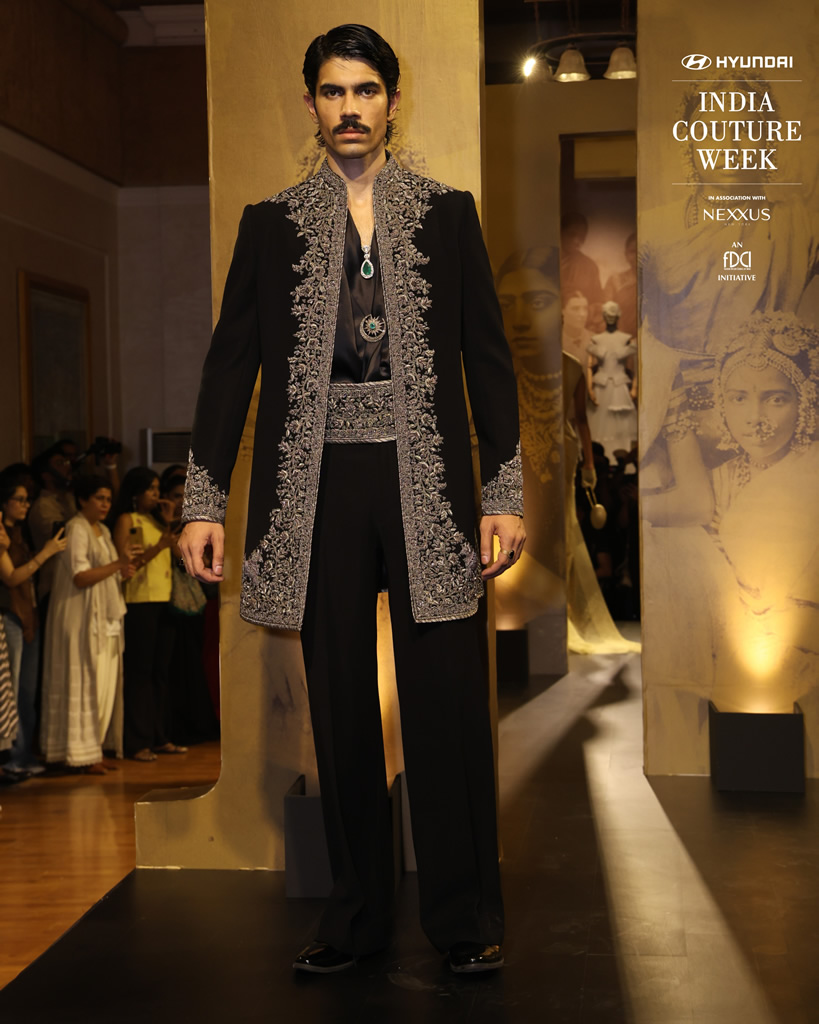
Perhaps the most significant shift visible throughout the week was the growing emphasis on wearability.
Indian couture has historically celebrated ceremonial extravagance, but designers increasingly introduced pieces that could move seamlessly between weddings, formal occasions, and contemporary wardrobes.
Kunal Rawal’s “Rawalgarh” redefined menswear through performance-inspired tailoring, lightweight fabrics, detachable construction, hidden pockets, and modern engineering without sacrificing artisanal detailing.
Rimzim Dadu’s “INLAE” continued her exploration of sculptural fashion inspired by Mughal inlay work, presenting structured sarees, tailored bombers, cropped bandhgalas, and dramatic fringe that blurred the boundary between fashion and industrial design.
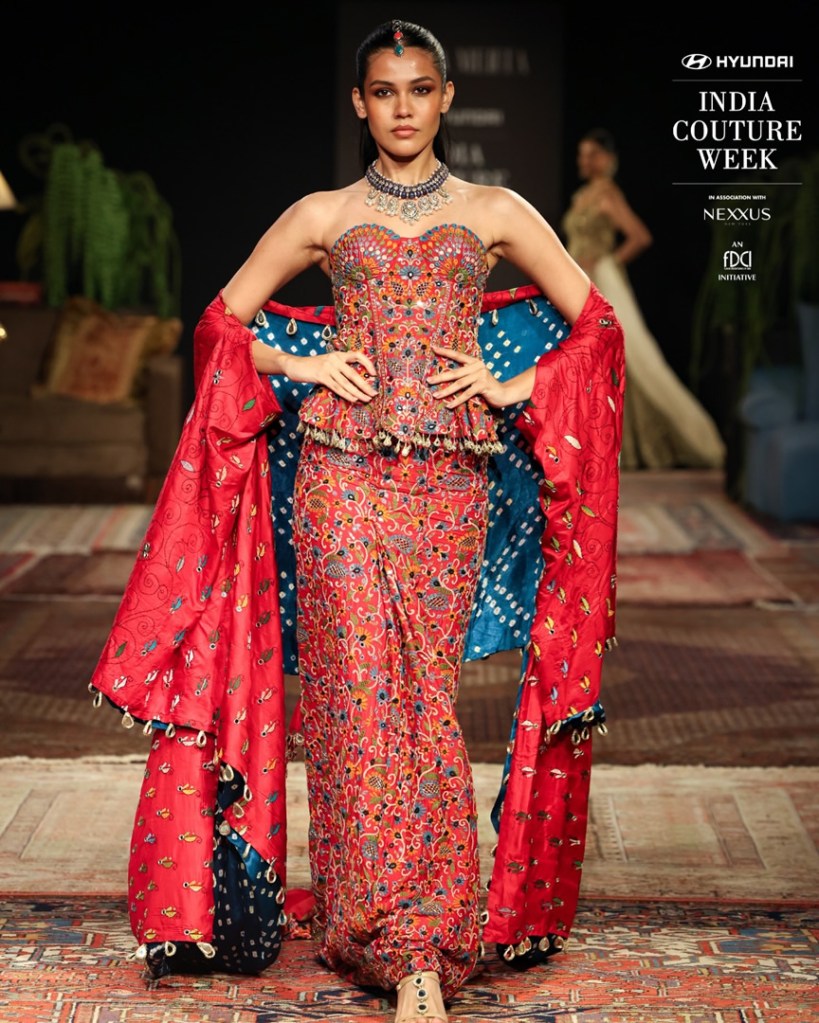
Arpita Mehta’s “Ceremonial” embraced Bandhani, Kantha, and Indian textiles while presenting contemporary silhouettes including cape ensembles, saree gowns, and elegant separates suited for today’s celebrations.
The message was unmistakable: couture no longer belongs solely inside wedding venues.
Maximalism Still Has a Place
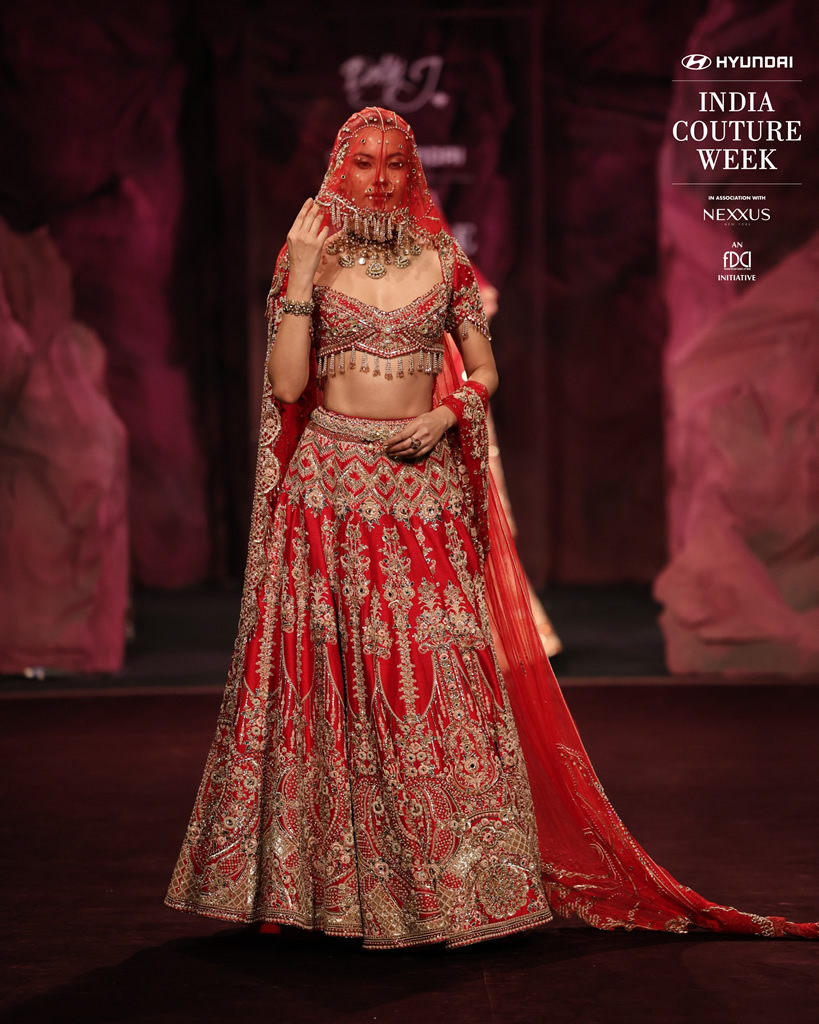
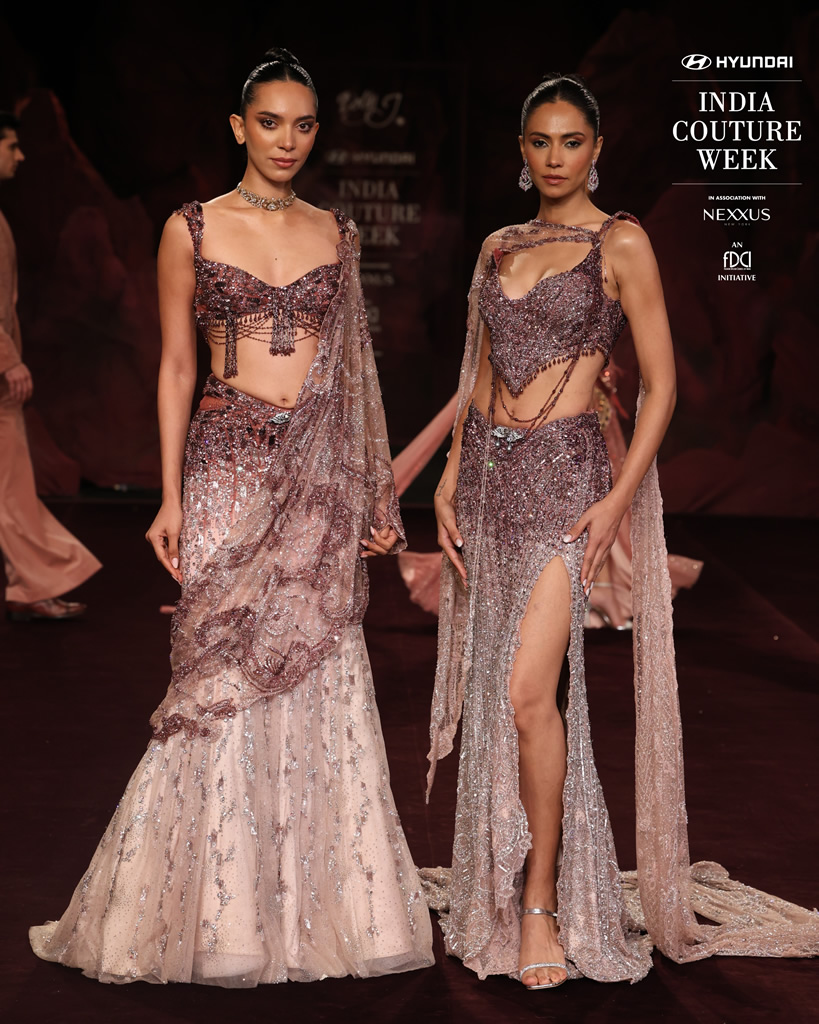
While practicality gained prominence, spectacle remained alive and well.
Falguni Shane Peacock delivered perhaps the week’s most exuberant celebration of maximalism with Le Grand Voyage. Byzantine mosaics, Belle Époque Paris, Bavarian palaces, Strasbourg, and the Taj Mahal collided in richly embellished bridalwear featuring sequins, corsetry, chandelier-inspired embellishment, faux fur, and dramatic eveningwear.
Likewise, Dolly J’s “BRĀHM” interpreted Himalayan landscapes through crystal embroidery, rich oxblood and burgundy tones, and intricately beaded couture that maintained the theatrical glamour expected from India’s bridal fashion calendar.
Indian couture clearly demonstrated that there remains ample room for grandeur—provided it is executed with imagination.
Fresh Perspectives on Modern Romance
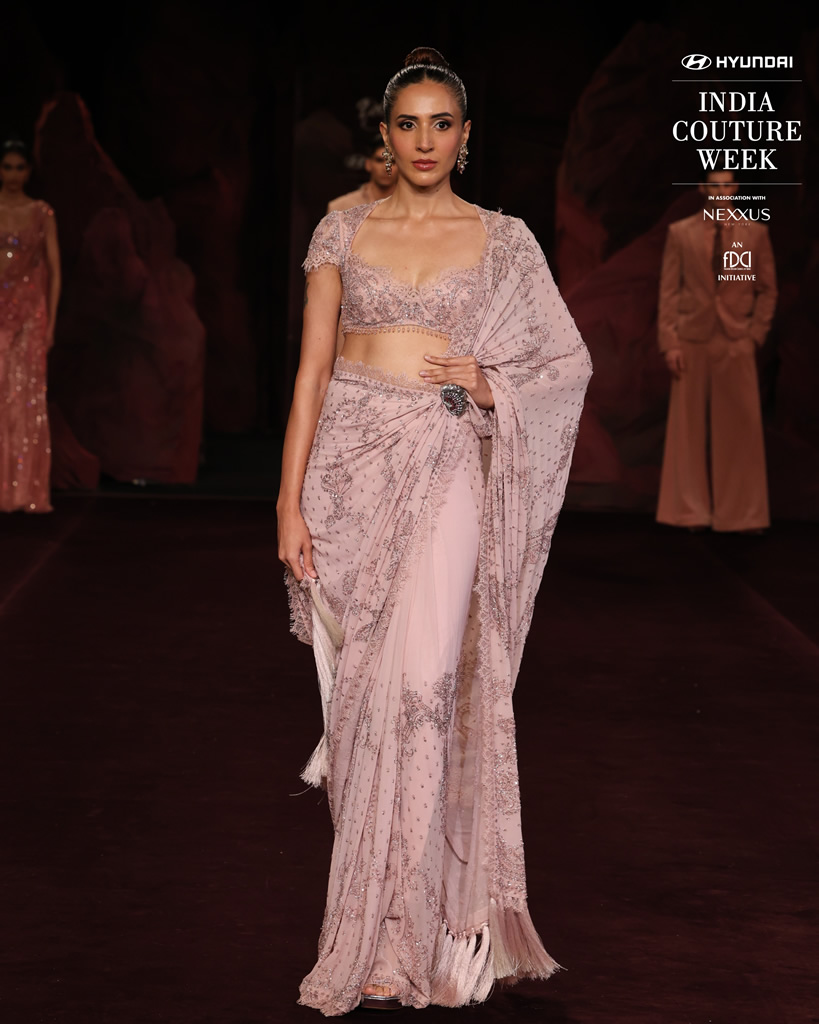
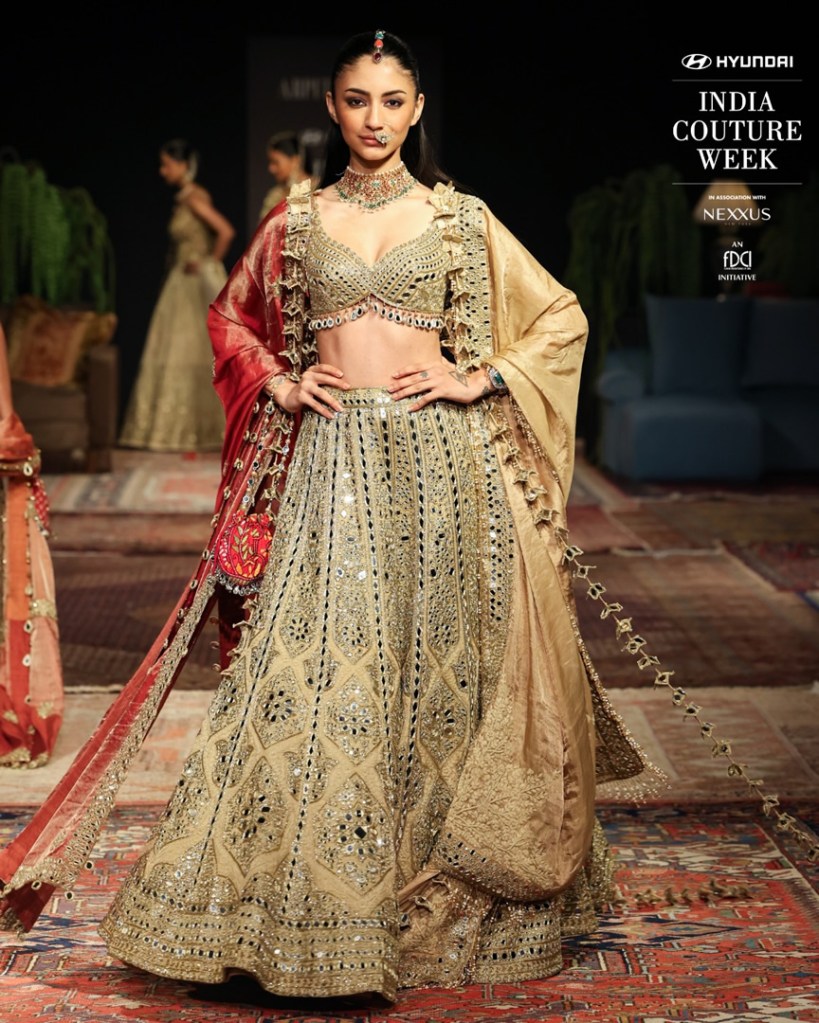
Several designers challenged conventional bridal narratives by embracing lighter, more unconventional expressions of celebration.
Masaba Gupta’s bridal couture debut, Chardi Kala, traveled imaginatively from sacred Indian landscapes to Caribbean influences, introducing a refreshing “resort bridal” sensibility filled with vibrant prints, bold color, and relaxed elegance.
Isha Jajodia’s Roseroom explored romance through delicate Chantilly lace, guipure, clay floral motifs, pearls, Swarovski crystals, and richly layered textures, creating collections that balanced femininity with structured tailoring.
Meanwhile, Aisha Rao’s “Priyasi” examined love itself through themes of longing, union, and remembrance. Sustainable bio-resham and bio-badla materials accompanied richly textured embroideries and immersive runway storytelling, illustrating how sustainability can comfortably coexist with luxury craftsmanship.
The Rise of Storytelling Couture
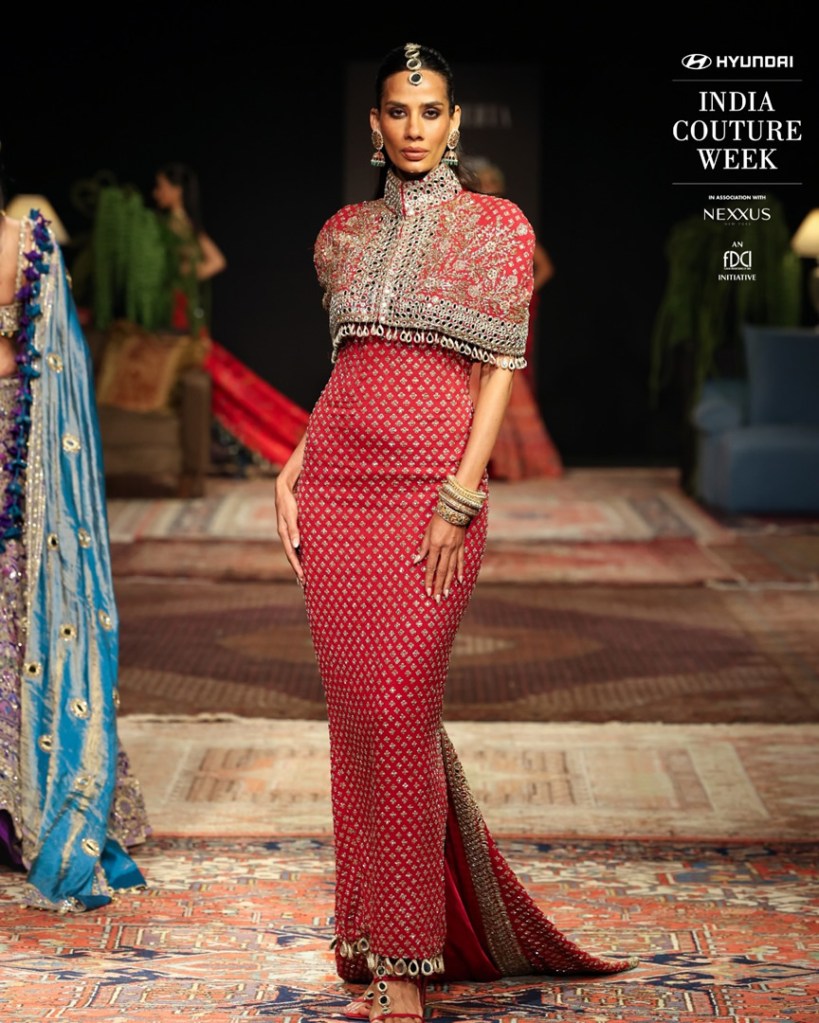
Perhaps more than any previous edition, India Couture Week embraced immersive experiences.
Several designers moved beyond conventional catwalk presentations to create environments where fashion interacted with architecture, performance, music, and installation art.
Tarun Tahiliani transformed couture into an exhibition.
Aisha Rao built an emotional narrative complete with tulip installations and theatrical performance.
Rahul Mishra highlighted process alongside product, inviting audiences to appreciate not only finished garments but also the extraordinary artistry required to create them.
The runway increasingly became theatre.
Celebrity Presence with Purpose
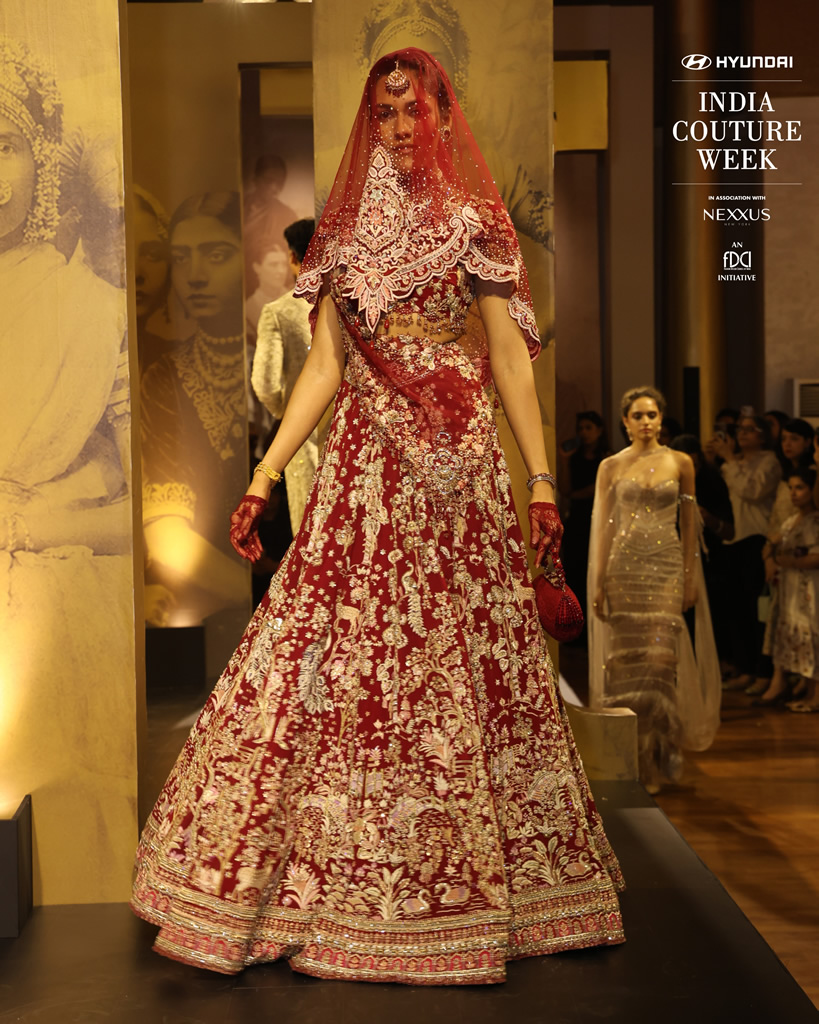
Celebrity showstoppers remained an integral part of the week, yet their appearances complemented rather than overshadowed the collections.
Aditi Rao Hydari and Siddharth beautifully embodied Jayanti Reddy’s celebration of Hyderabad’s regal heritage, while Vaani Kapoor closed Dolly J’s presentation in richly embroidered couture inspired by Himalayan landscapes.
The grand finale belonged to Sobhita Dhulipala, whose appearance for Rahul Mishra reflected the quiet elegance and sculptural artistry that defined the closing presentation.
Their presence amplified each designer’s vision rather than distracting from it.
Indian Couture’s Global Moment
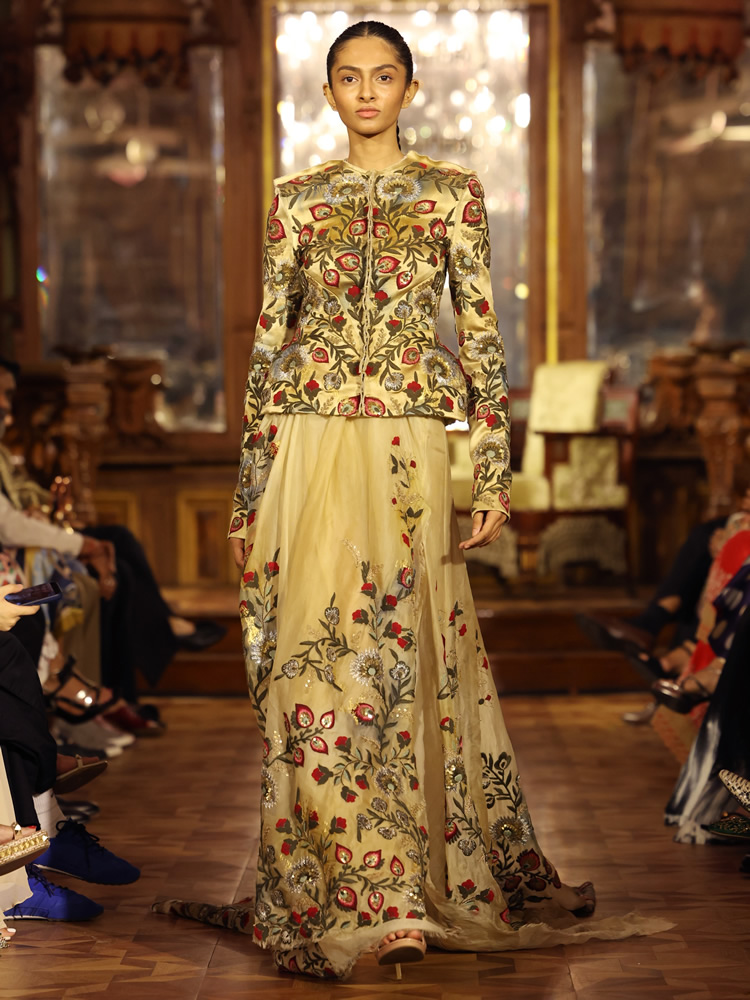
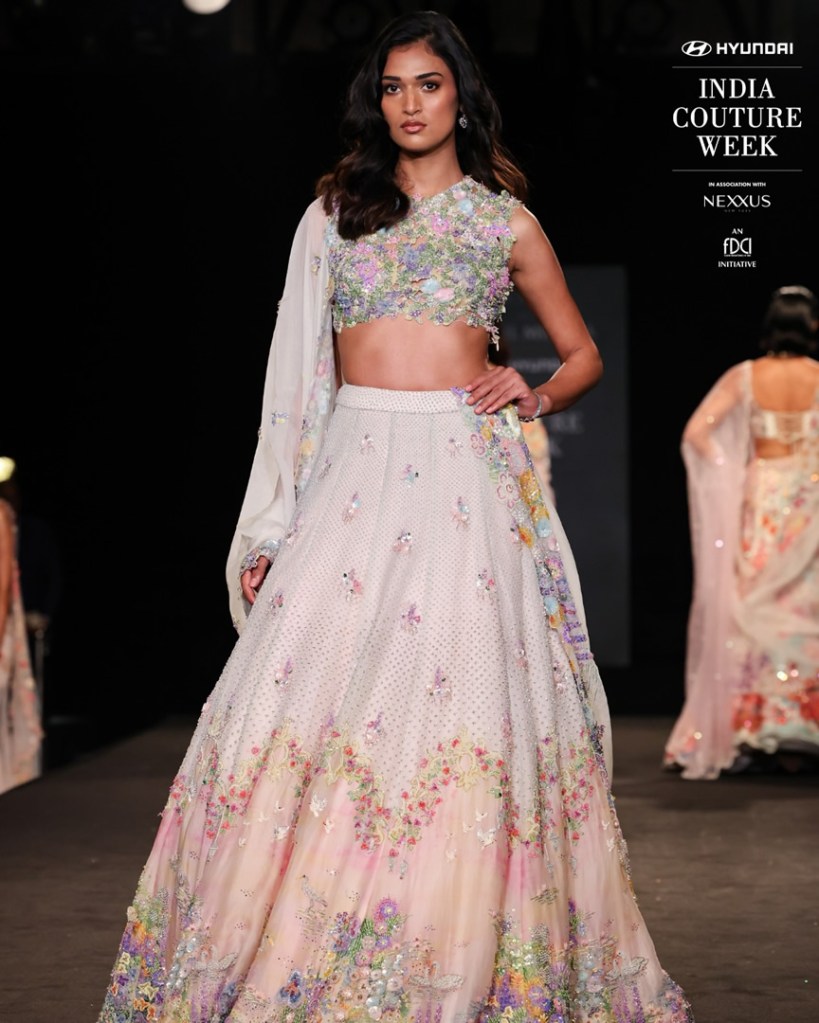
What ultimately distinguished India Couture Week 2026 was not simply the extraordinary craftsmanship on display but the confidence with which Indian designers embraced global conversations while remaining unmistakably Indian.
Gender-fluid tailoring, wearable separates, sustainable materials, immersive presentations, architectural construction, and technological refinement all appeared naturally alongside centuries-old embroidery traditions, Banarasi textiles, Bandhani, chikankari, zardozi, and artisanal handwork.
Rather than imitating international fashion, Indian couture confidently demonstrated that it has its own vocabulary—one increasingly influencing global luxury rather than following it.
The Final Stitch
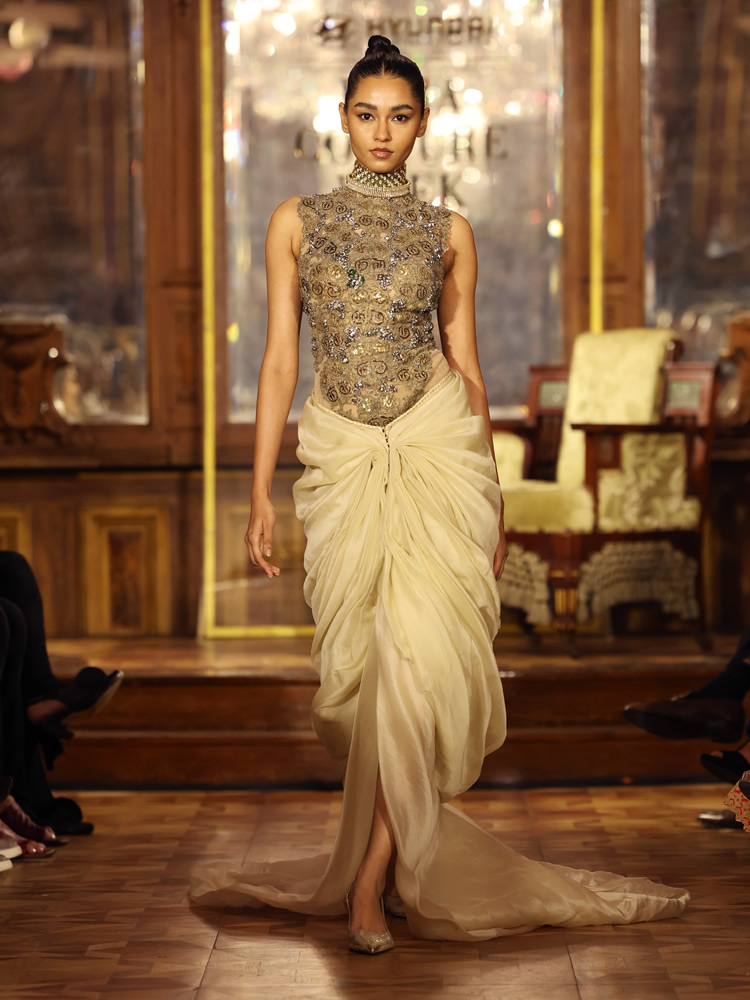
Hyundai India Couture Week 2026 confirmed that Indian couture stands at an exciting crossroads.
The grandeur remains. The craftsmanship remains. The romance remains.
What has changed is the mindset.
Designers are creating garments that honor India’s remarkable artistic heritage while speaking directly to a generation seeking versatility, authenticity, sustainability, and self-expression. The future of couture appears less confined by tradition and more inspired by it.
If this edition offered any lasting takeaway, it is that India’s greatest fashion strength has never been its embellishment alone. It is its ability to transform centuries of culture into clothing that feels both timeless and entirely contemporary.
That is the enduring magic of Indian couture—and in 2026, it shone brighter than ever.
 CitiTimes