
Beyond the Rankings: What the QS Best Student Cities 2027 Reveals About the Future of Global Higher Education
For generations, students searching for the perfect university asked a simple question: Which institution is the best? Today, that question has evolved into something far broader: Which city offers the best environment to study, live, work, and build a future?
The QS Best Student Cities Ranking 2027, released by QS Quacquarelli Symonds, reflects this changing reality. Universities no longer compete in isolation. Entire cities now compete to attract the world’s brightest students by combining academic excellence with affordability, employability, cultural vibrancy, safety, and international outlook.
This year’s rankings paint a fascinating picture of an increasingly competitive global education landscape—one in which Asia continues its remarkable ascent, Europe demonstrates both resilience and challenges, and emerging education hubs steadily strengthen their international appeal.
Seoul’s Reign Continues

For the second consecutive year, Seoul has been named the world’s best student city.
Its success is hardly accidental. South Korea’s capital combines world-class universities with cutting-edge technology, an energetic cultural scene, excellent public infrastructure, and strong government support for higher education.
Perhaps most significantly, Seoul ranks first globally for University Rankings, highlighting the exceptional concentration of high-performing institutions within the city. The result reinforces South Korea’s transformation into one of the world’s leading knowledge economies.
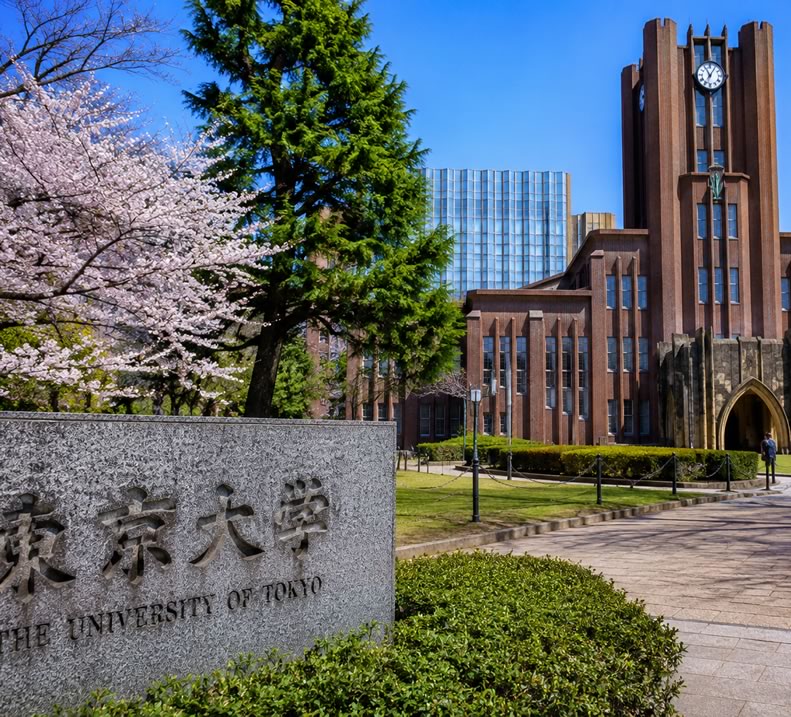
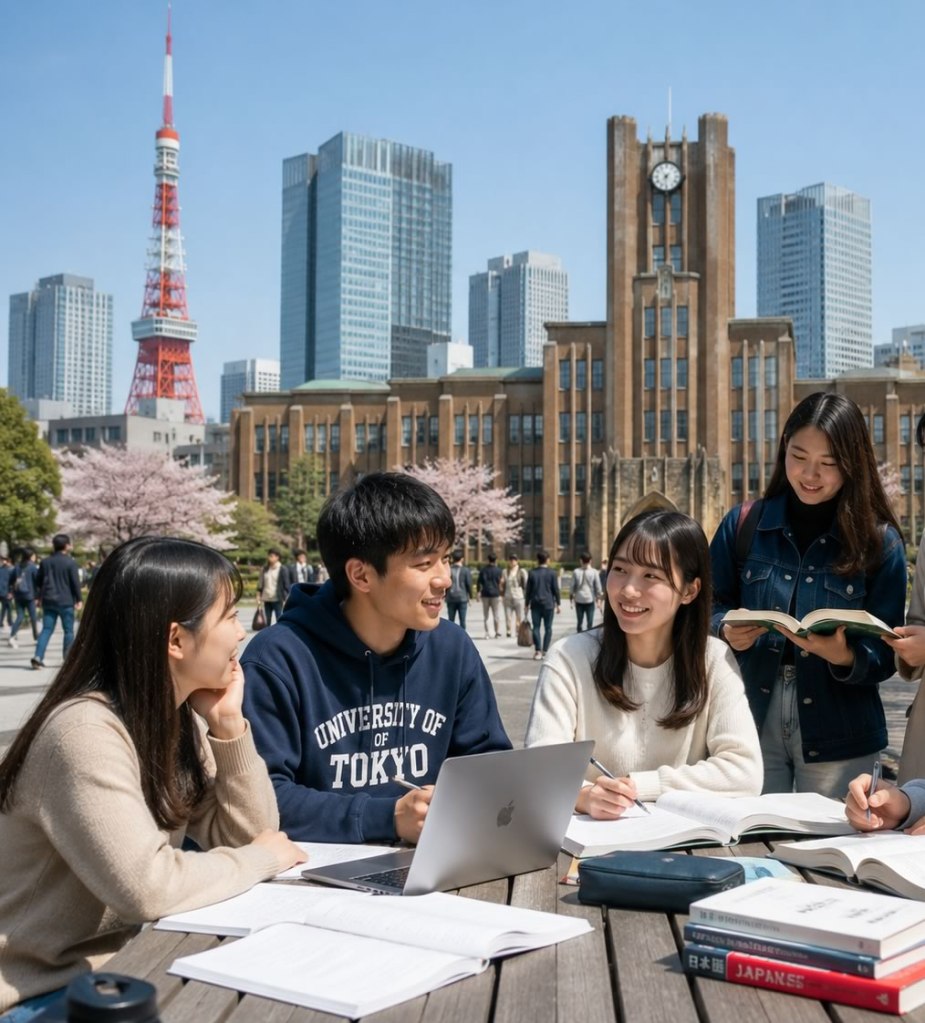
Tokyo follows closely in second place, offering a different but equally compelling model. The Japanese capital ranks first worldwide for Employer Activity, demonstrating the close relationship between higher education and career opportunities. Students increasingly seek destinations where graduation naturally connects with employment, and Tokyo exemplifies that formula.
London, despite intense global competition, remains firmly in third place. The British capital continues to benefit from its unparalleled concentration of globally recognized universities and one of the world’s most international student experiences.
Asia’s Moment Is No Longer Emerging—It Has Arrived
One of the strongest messages from the 2027 rankings is the growing dominance of Asian education hubs.
For years, discussions about international education centered primarily on Europe and North America. Today’s rankings tell a different story.
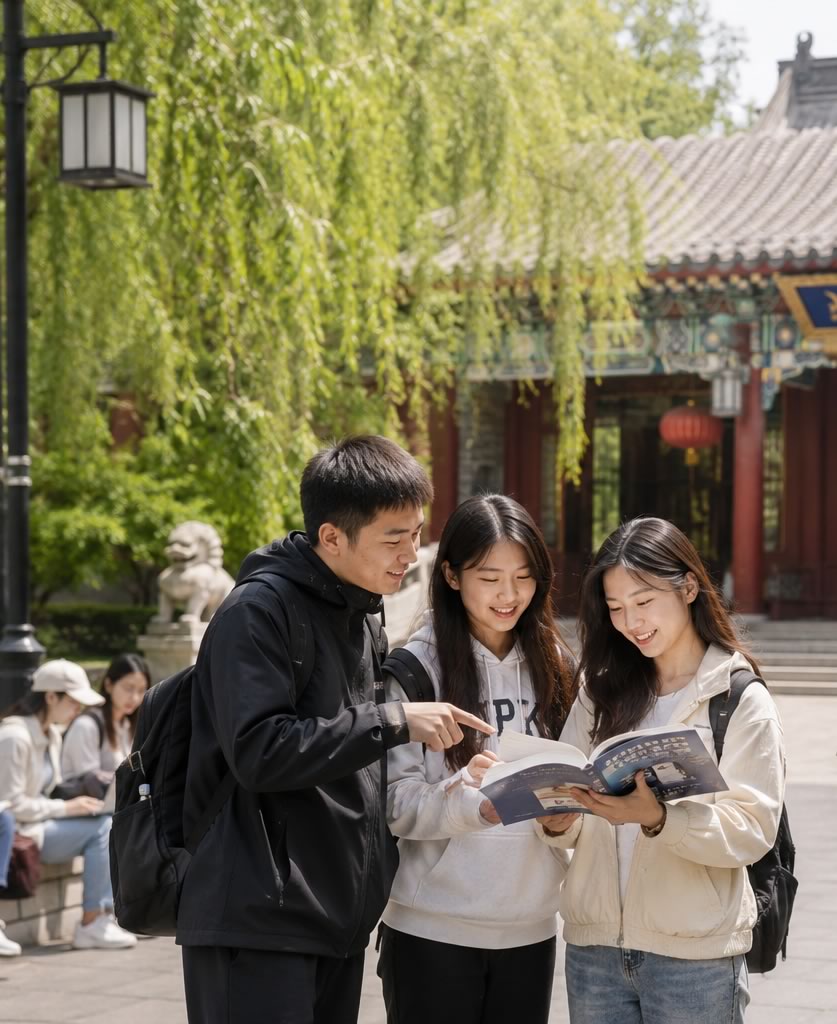
Seoul and Tokyo occupy the top two positions, while mainland China continues to expand its presence with more ranked cities than ever before. Beijing rises to 12th, and Shanghai reaches 21st, reflecting sustained investments in research, university quality, affordability, and stronger links between universities and employers.
South Korea’s broader success is equally noteworthy. Five South Korean cities now feature in the rankings, with Daejeon and Gwangju making their debut. Even more remarkable is the country’s achievement of attracting 300,000 international students by 2025—reaching its national target two years ahead of schedule.
Japan also demonstrates consistency. Kyoto climbs to 16th, Osaka rises to 60th, while Nagoya enters at 108th. Although international diversity remains a challenge, the country’s academic reputation and employment prospects continue to strengthen its appeal.
These developments underscore a broader shift in global higher education. Asia is no longer simply catching up—it is increasingly setting the pace.
Europe: Excellence Meets New Challenges
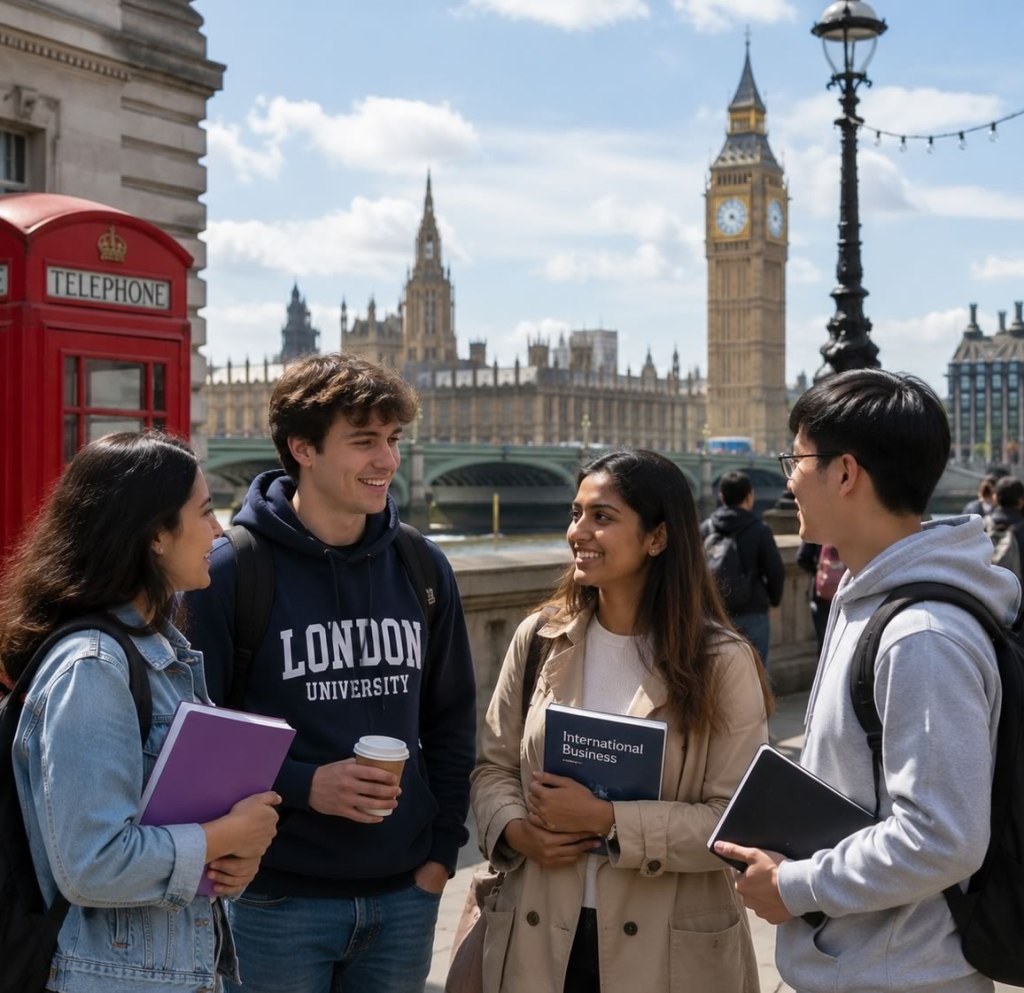
Europe remains home to many of the world’s most desirable study destinations, but the rankings reveal a continent experiencing uneven momentum.
Munich secures fifth place globally, while Berlin, Vienna, Zurich and Paris all remain firmly within the global top ten.
Vienna’s rise to ninth place is particularly significant. Ranked second worldwide for desirability, the Austrian capital demonstrates how quality of life, internationalization and improving universities together create a compelling destination for students.
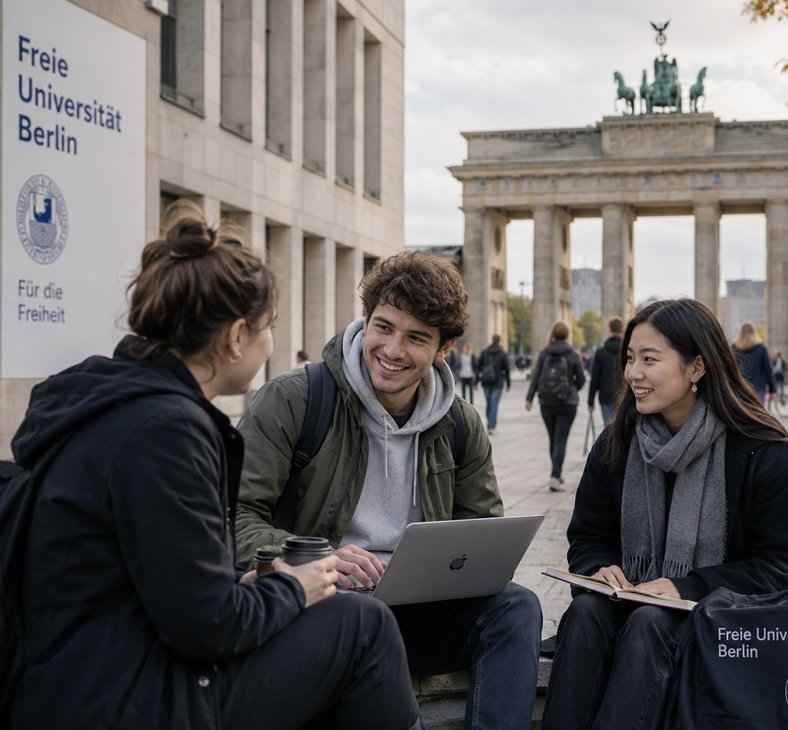
Germany continues to perform strongly, with Munich and Berlin enjoying exceptional reputations among both students and employers. Hamburg also joins the rankings for the first time, reflecting the country’s broad higher education strength.
The Netherlands presents an intriguing paradox. Amsterdam rises to 19th and tops the world for desirability, even as national policymakers seek to moderate the growth of international student enrolment. Managing internationalization while preserving educational quality has become an increasingly complex policy challenge across Europe.
France illustrates another side of the story. Paris remains among the world’s academic powerhouses, ranking fifth for university strength. Yet other French cities—including Lyon, Toulouse and Montpellier—record notable declines despite the country’s exceptionally affordable higher education system.
Italy, meanwhile, quietly strengthens its position. Milan climbs five places to 39th, driven by stronger employer engagement and improving universities, while remaining relatively affordable compared with many Western European destinations.
Switzerland continues to excel through quality rather than quantity. Zurich and Lausanne rank among the world’s most international cities, reflecting the country’s longstanding commitment to research excellence and attracting global talent.
The New Formula for Student Cities
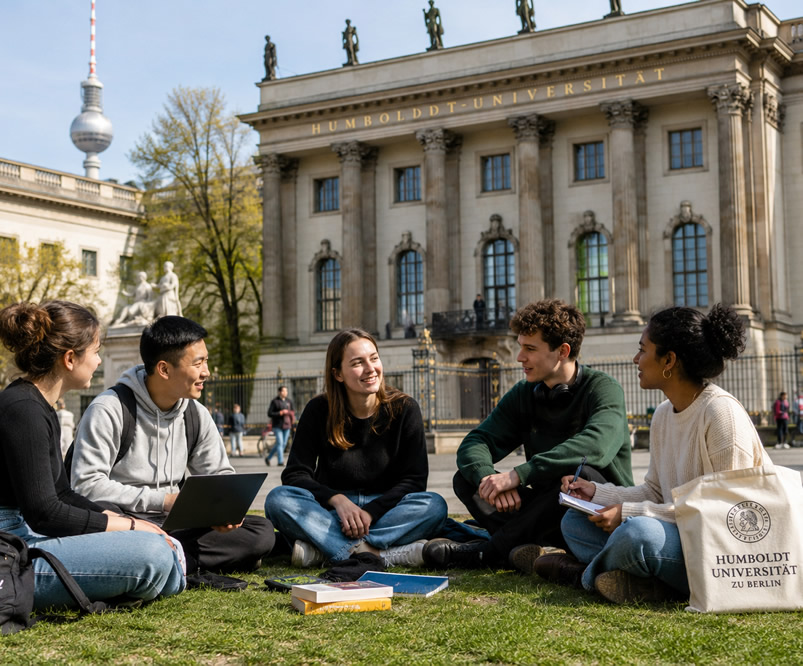
The rankings increasingly demonstrate that academic reputation alone is no longer enough.
Students evaluate cities through multiple lenses: employment prospects, affordability, quality of life, international diversity, cultural opportunities, sustainability, and long-term career potential.
A city may host outstanding universities, but if housing becomes prohibitively expensive or employment opportunities remain limited, its attractiveness inevitably suffers.
Conversely, destinations that successfully combine strong universities with affordability, welcoming communities, and dynamic labor markets continue to rise.
This multidimensional approach reflects how students increasingly view higher education—not simply as earning a degree, but as investing in an entire life experience.
India’s Presence—and Its Opportunity
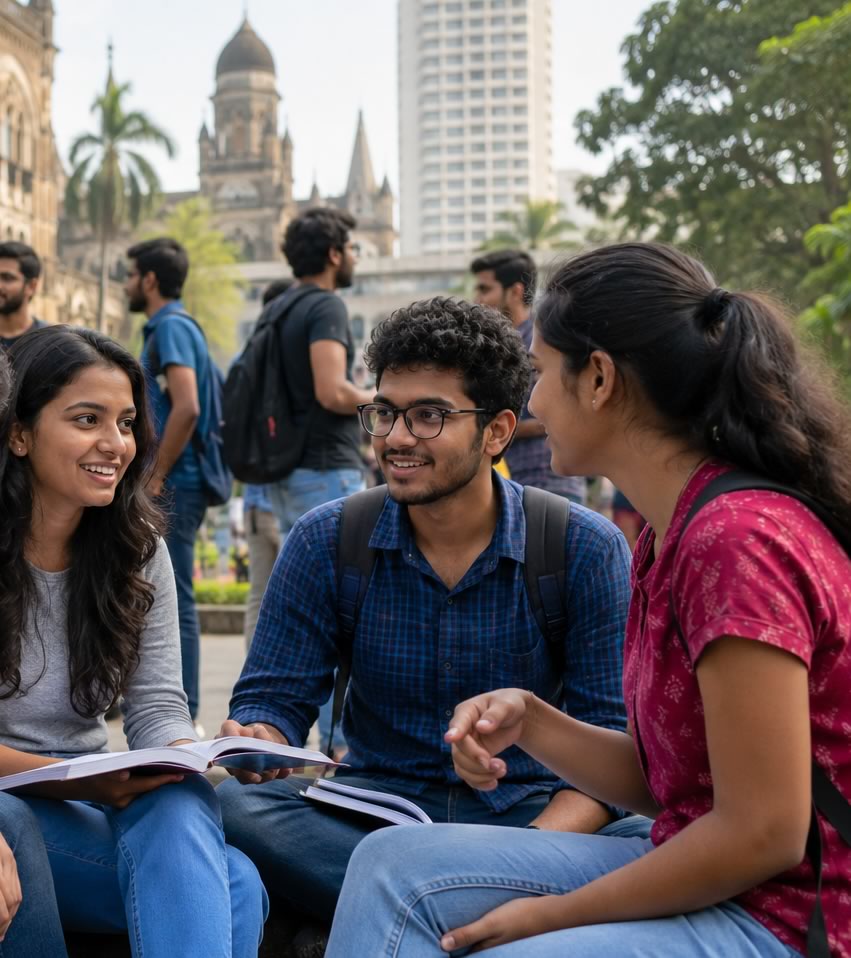
India has four cities represented in the QS Best Student Cities Ranking 2027:
- Mumbai — 91st
- Delhi — 99th
- Bengaluru — 114th
- Chennai — 123rd
India’s inclusion reflects the country’s expanding higher education ecosystem and growing international visibility. Yet the rankings also highlight considerable room for progress.
India possesses several globally recognized institutions, an enormous student population, and one of the world’s fastest-growing knowledge economies. However, transforming Indian cities into globally preferred education destinations will require sustained investment beyond university campuses.
International student services, urban infrastructure, public transport, housing affordability, research ecosystems, cultural openness, and stronger university-industry partnerships all influence how students perceive a city.
The National Education Policy (NEP) 2020, efforts to internationalize Indian universities, and increasing collaboration with foreign institutions provide encouraging momentum. If these initiatives continue alongside improvements in urban infrastructure and student experience, Indian cities could become far more competitive in future editions of the rankings.
A Global Competition Beyond Campuses
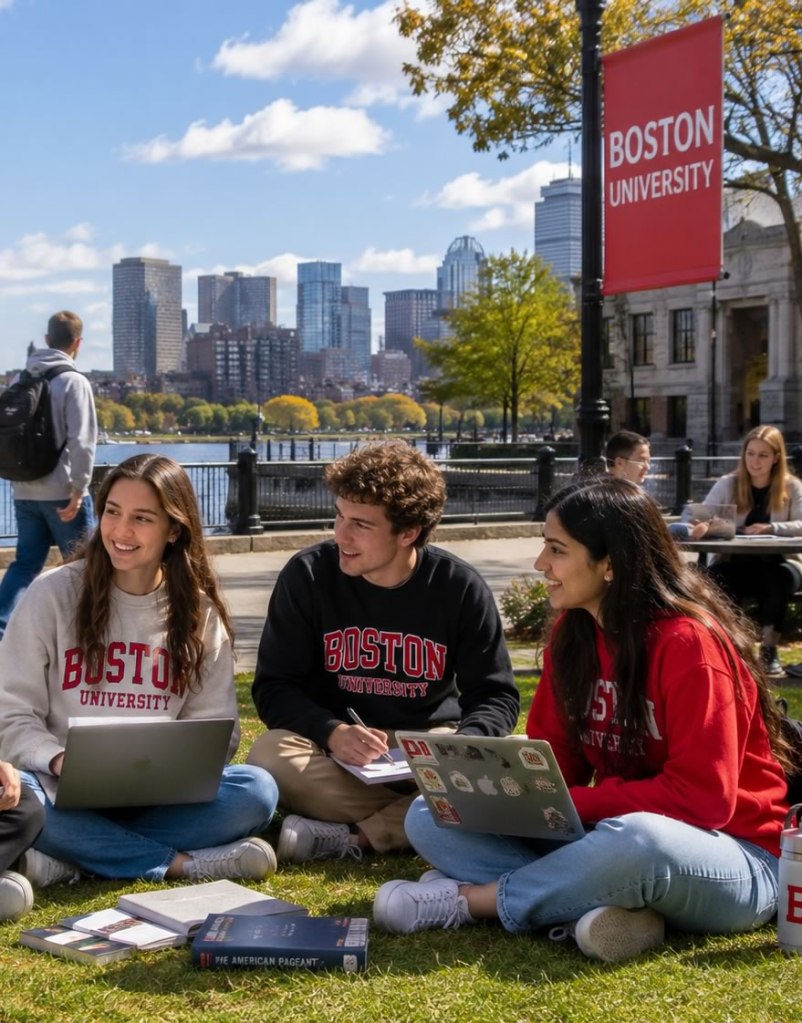
The QS Best Student Cities Ranking has evolved into more than an annual league table.
It serves as a barometer of how nations invest in knowledge, innovation, talent attraction, and urban development.
Cities are increasingly recognized as ecosystems where universities, governments, industries, research institutions, and communities work together to shape educational experiences.
The success of Seoul, Tokyo, Vienna, Munich, and other leading destinations demonstrates that sustained investment in higher education, research excellence, quality of life, and international engagement yields long-term dividends.
As global talent competition intensifies, the cities that succeed will be those that understand a simple but powerful truth: attracting students is not merely about education—it is about offering an environment where they can thrive academically, professionally, and personally.
The QS Best Student Cities Ranking 2027 ultimately reminds us that the future of higher education belongs not only to outstanding universities, but also to outstanding cities.

