

At Prambanan, India and Indonesia Celebrate a Shared Civilizational Legacy
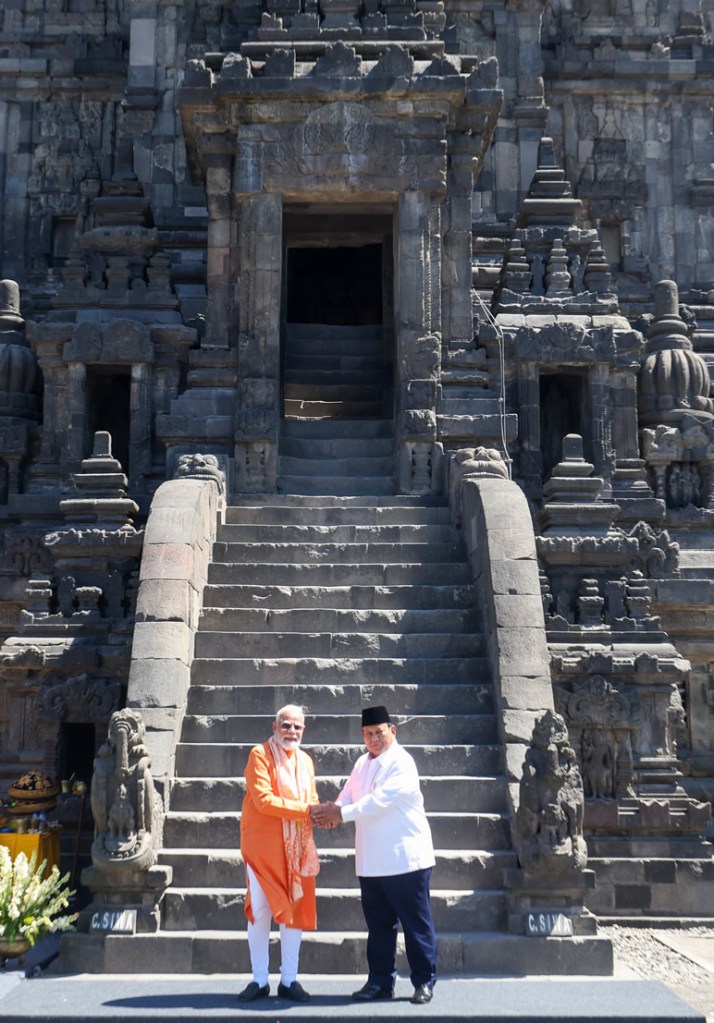
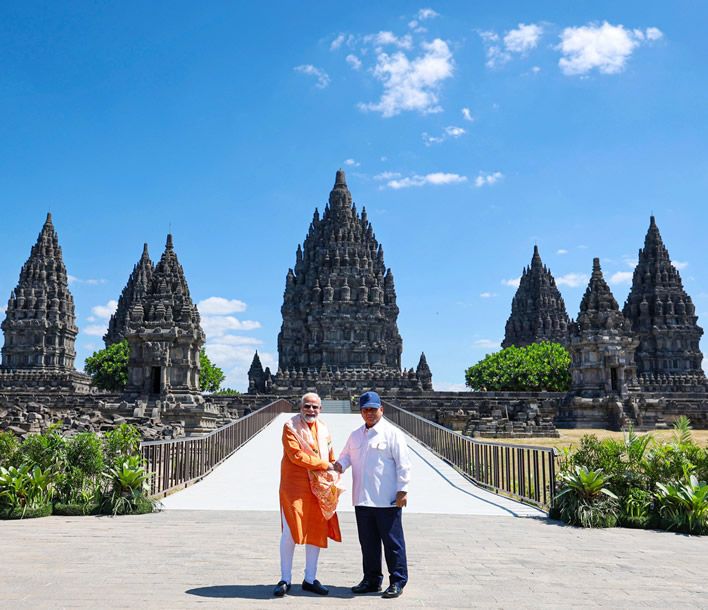
Some diplomatic moments are defined not by conference tables or signed agreements, but by the quiet power of history. Prime Minister Narendra Modi’s visit to the majestic Prambanan Temple Compounds on July 8, 2026, was one such occasion—a reminder that the strongest international relationships are often built upon centuries-old cultural connections.
In an exceptional gesture of friendship, Indonesian President Prabowo Subianto accompanied Prime Minister Modi through the UNESCO World Heritage site in Yogyakarta. Together, the two leaders unveiled a commemorative plaque marking the launch of a conservation and restoration project to be undertaken by the Archaeological Survey of India (ASI), adding a meaningful new chapter to the cultural partnership between India and Indonesia.
Where Stone Tells the Story of a Shared Past

Rising gracefully against the skyline of Central Java, Prambanan is Indonesia’s largest Hindu temple complex and one of Southeast Asia’s most remarkable architectural treasures. Built in the ninth century, the complex is dedicated to the Trimurti—Lord Brahma, Lord Vishnu, and Lord Shiva—and stands as a magnificent testament to the influence of Hindu philosophy, art, and architecture that once spread across the Indonesian archipelago.
Its towering spires, intricate stone carvings, and narratives from the great Indian epics continue to draw visitors from around the world. Yet Prambanan is more than an archaeological wonder. It is a living symbol of the centuries when ideas, beliefs, literature, and commerce crossed the Indian Ocean, shaping cultures on both shores.
For India and Indonesia, the temple is a shared inheritance—one that transcends geography and continues to inspire contemporary diplomacy.
A Promise Turned into Action

The restoration initiative traces its origins to President Prabowo Subianto’s State Visit to India in 2025, when both countries agreed to explore India’s assistance in conserving the Prambanan temples.
The unveiling of the project plaque transforms that diplomatic understanding into a concrete partnership. With its internationally respected expertise in heritage conservation, the Archaeological Survey of India will help preserve one of Asia’s most iconic cultural landmarks, ensuring that its architectural brilliance endures for generations to come.
India’s Expanding Heritage Diplomacy
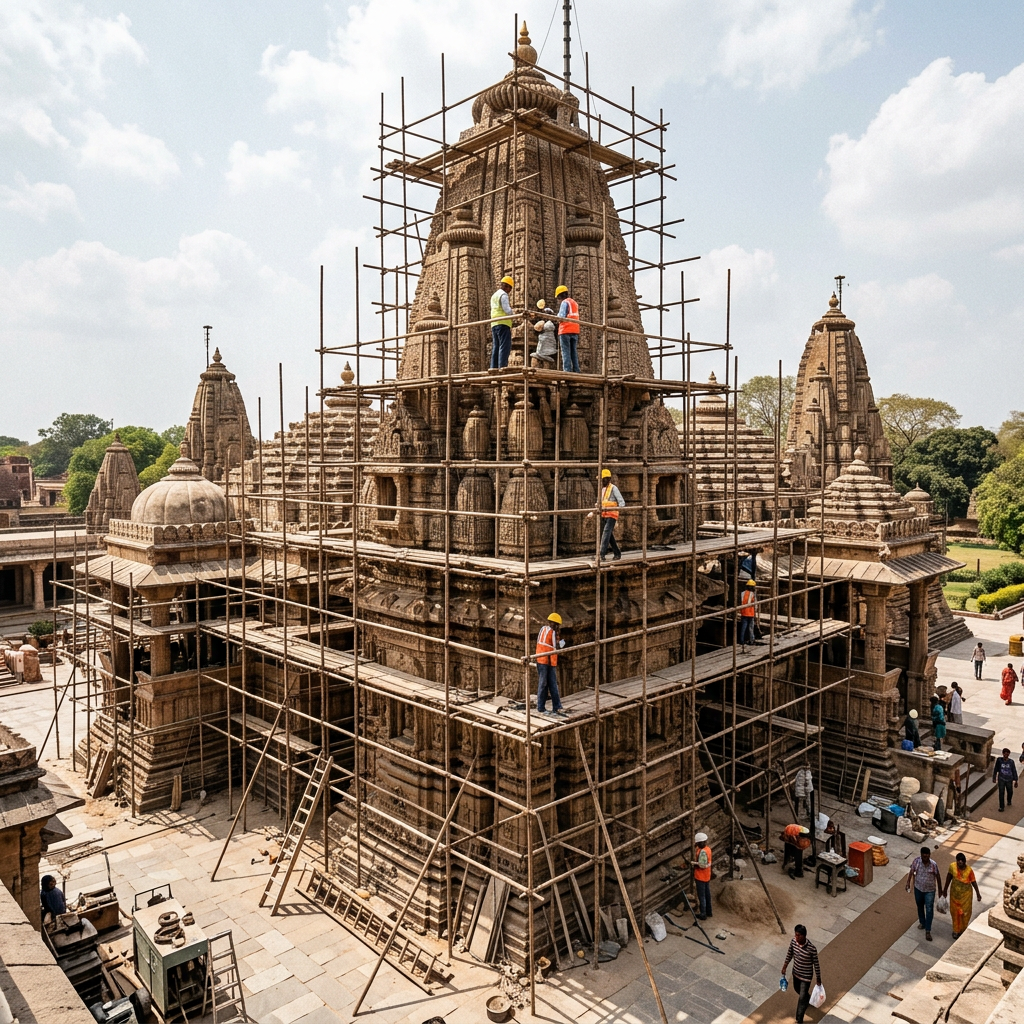

India’s engagement with Southeast Asia has increasingly extended beyond trade, connectivity, and strategic cooperation to embrace cultural preservation as a pillar of international partnership.
The Archaeological Survey of India has earned recognition for its conservation work at several historic sites across the region. In Indonesia, the ASI has previously carried out extensive documentation of the Borobudur Temple Compounds, the world’s largest Buddhist monument and another UNESCO World Heritage Site.
Such initiatives demonstrate how technical expertise can serve diplomacy. By sharing conservation knowledge rather than simply providing financial assistance, India helps preserve monuments that belong not only to individual nations but also to the cultural heritage of humanity.
More Than Restoration

Heritage conservation is often viewed as an effort to preserve old stones and ancient structures. In reality, it is equally about preserving memory, identity, and the stories that civilizations tell about themselves.
Prambanan reminds visitors that India and Indonesia have been connected for well over a millennium through religion, language, literature, maritime trade, and artistic exchange. Those historical ties continue to resonate in Indonesia’s cultural traditions, performing arts, architecture, and place names, reflecting a shared past that remains visible in everyday life.
The decision to restore Prambanan together, therefore, carries significance beyond archaeology. It reflects a shared belief that cultural heritage can strengthen contemporary international relationships just as effectively as economic partnerships or strategic agreements.
Building Bridges Across Time
As nations seek new ways to deepen international cooperation, cultural diplomacy is emerging as one of the most enduring and meaningful forms of engagement. Monuments like Prambanan are not merely relics of history—they are bridges linking civilizations across centuries.
The launch of the ASI-led conservation project highlights India’s growing role in protecting shared global heritage while reinforcing the close partnership it enjoys with Indonesia. It is an investment in history and in the future: ensuring that one of the world’s great temple complexes continues to inspire scholars, pilgrims, travelers, and future generations.
Sometimes, diplomacy speaks most eloquently through stone. At Prambanan, India and Indonesia have chosen to preserve not only an architectural masterpiece but also the enduring civilizational bond that it represents.

