

University of Liverpool’s Bengaluru Campus Marks a New Chapter for Global Higher Education in India

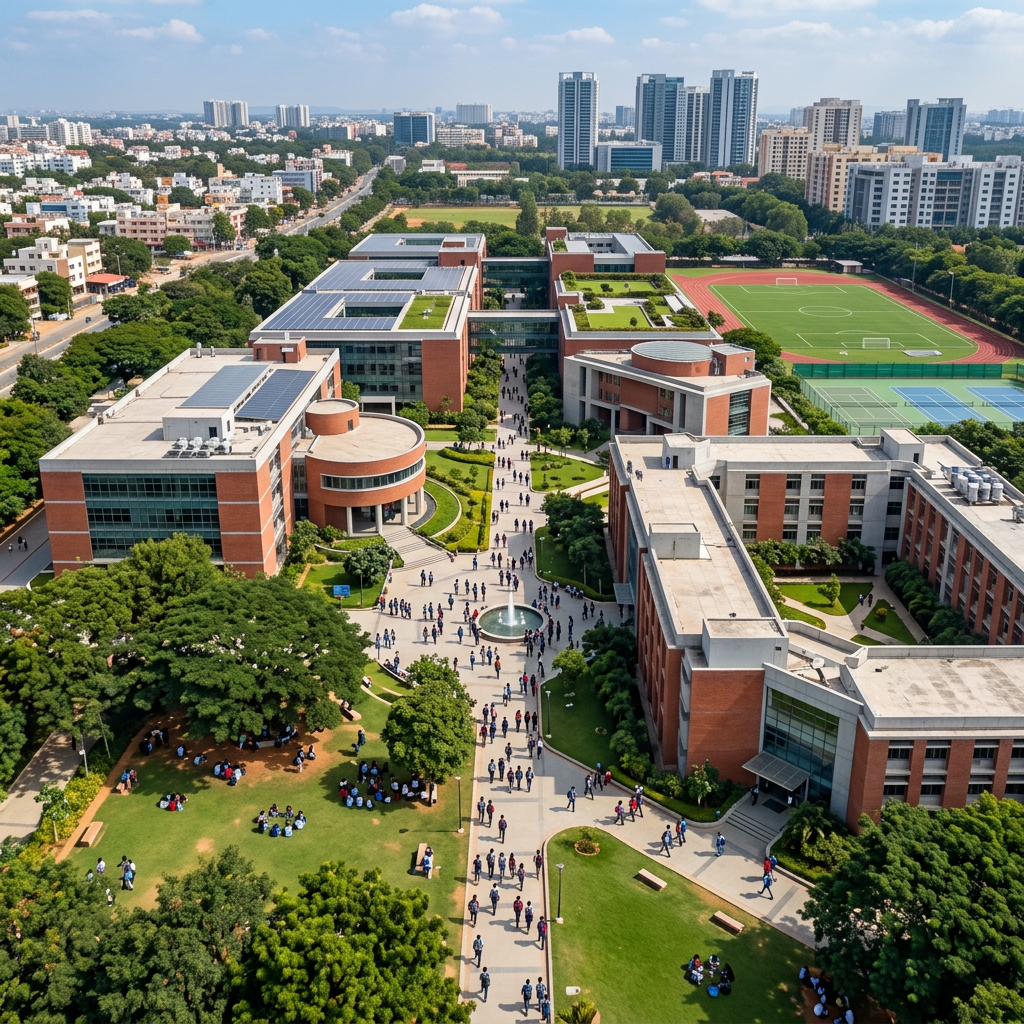
India’s ambitions to become a global education hub took another significant step forward this week as the United Kingdom’s prestigious University of Liverpool received formal approval to establish a branch campus in Bengaluru. The development represents more than the arrival of another international institution—it signals the continuing transformation of India’s higher education landscape under the framework of the National Education Policy (NEP) 2020.
The Ministry of Education officially handed over the Letter of Approval (LoA) to the University of Liverpool on June 4, allowing the institution to begin operations in India after completing a year-long process of academic, regulatory, and infrastructure preparations.
The approval ceremony brought together senior leaders from both India and the United Kingdom, underscoring the strategic importance of educational cooperation between the two nations. Union Education Minister Dharmendra Pradhan, External Affairs Minister S. Jaishankar, and UK Foreign Secretary Yvette Cooper witnessed the handover of the approval document from Dr. Vineet Joshi, Secretary of Higher Education and Chairman of the University Grants Commission, to Professor Richard Grose, Provost of the university’s forthcoming Bengaluru campus.
A Milestone in NEP 2020’s Internationalization Vision

The establishment of the Liverpool campus is one of the most visible outcomes of the UGC’s 2023 regulations governing the establishment and operation of foreign higher education institutions in India.
For decades, Indian students seeking an international degree often had little choice but to travel abroad, incurring substantial financial costs and navigating visa requirements. The NEP 2020 sought to change that dynamic by encouraging world-renowned universities to establish a physical presence in India, thereby expanding access to globally recognized education while strengthening India’s academic ecosystem.
The University of Liverpool received its initial Letter of Intent in May 2025. Over the following year, it worked to satisfy the academic and operational requirements set by Indian regulators before securing final approval to commence educational activities.
What Students Can Expect

The new campus in Bengaluru is expected to offer undergraduate and postgraduate programs across several high-demand disciplines. Initial academic offerings will include business management, computer science, game design, finance, and biomedical sciences, with plans to expand into additional subject areas in the coming years.
The selection of these fields reflects both student demand and the evolving needs of India’s knowledge economy, particularly in technology, healthcare, finance, and creative industries.
For students, the arrival of a globally recognized institution could provide access to international curricula, research opportunities, and global academic networks without leaving the country. For Bengaluru, already known as India’s technology capital, the campus further strengthens the city’s reputation as a major center for innovation and higher education.
Strengthening India–UK Educational Ties

The development also highlights the growing importance of education within broader India–UK relations. Academic partnerships, student exchanges, collaborative research initiatives, and institutional linkages have become increasingly important pillars of cooperation between the two countries.
By establishing a permanent presence in India, the University of Liverpool is expected to deepen these connections while creating new opportunities for collaborative research and academic mobility. Such initiatives align with the broader objective of fostering stronger people-to-people ties and knowledge exchange between the world’s largest democracy and one of its key international partners.
Why This Matters

Founded in 1881, the University of Liverpool has built a global reputation for excellence in teaching, research, and innovation. Its decision to invest in an Indian campus reflects growing international confidence in India’s higher education reforms and its long-term educational potential.
More broadly, the move signals a changing era in Indian higher education. Rather than being solely a source of outbound students, India is increasingly positioning itself as a destination for global academic institutions. As more internationally recognized universities explore opportunities within the country, students may find themselves with unprecedented access to world-class education closer to home.
The opening of the University of Liverpool’s Bengaluru campus is therefore more than a regulatory milestone. It is another indicator of India’s evolving role in the global education landscape—one where international collaboration, academic excellence, and expanded opportunities for students are becoming central themes of the future.
 CitiTimes