

“Dai Dai” Is Here — And the 2026 World Cup Finally Has Its Soundtrack
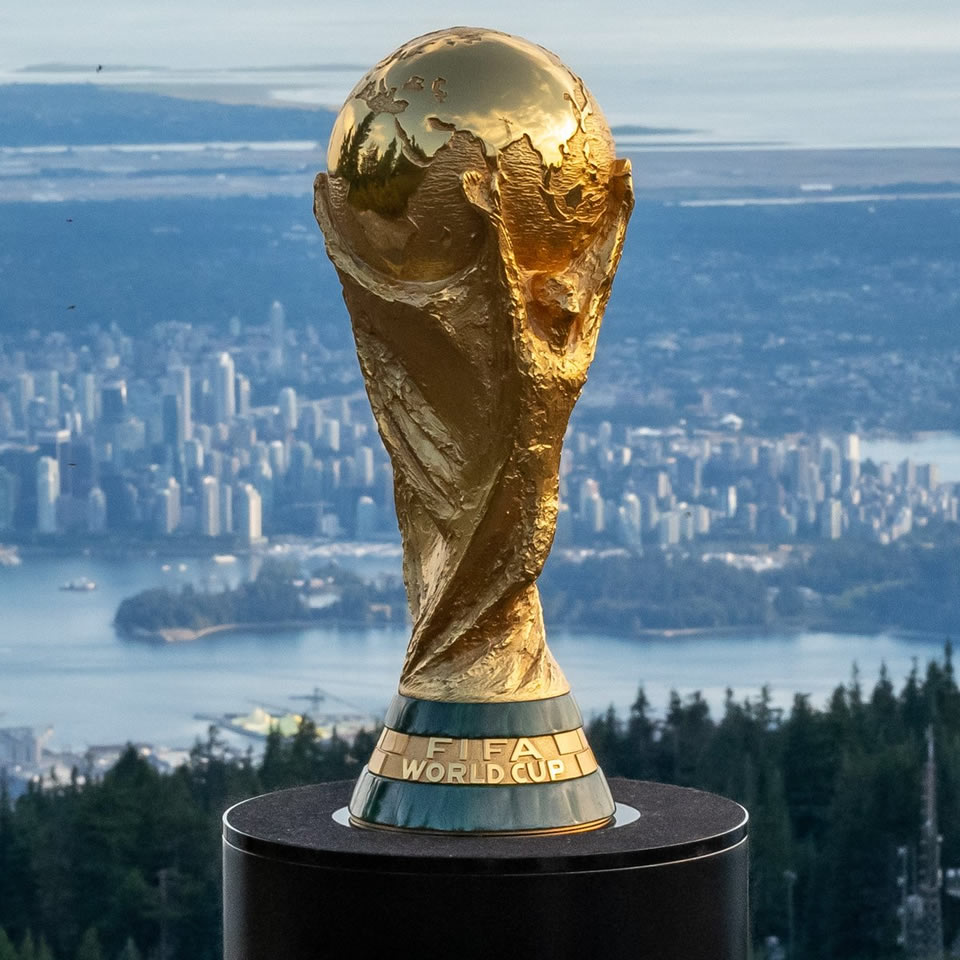
When Shakira released “Waka Waka (This Time for Africa)” ahead of the 2010 FIFA World Cup, she didn’t just create a tournament anthem — she created a cultural timestamp. Sixteen years later, she returns to football’s biggest stage with “Dai Dai,” the official song of the 2026 FIFA World Cup, this time alongside Burna Boy.
And while comparisons to Waka Waka are inevitable, Dai Dai is chasing something different.
This is not nostalgia dressed as a sequel. It is a stadium anthem built for a fragmented, hyperconnected, multilingual world — a song engineered to travel across continents, TikTok feeds, crowded fan zones, and late-night car rides with equal ease.
Released globally on May 14–15, 2026, via Sony Music Latin, the nearly four-minute track arrives with all the ingredients FIFA has increasingly leaned into: global star power, cross-cultural rhythm, emotional uplift, and a message larger than football itself.
A World Cup Anthem for a Borderless Era
From its opening chant — “Oh-eh-oh-eh” — Dai Dai wastes no time announcing its intentions. The production blends Afrobeats percussion, reggaetón pulse, dance-pop hooks, and sweeping world-music textures into something that feels intentionally international.
The hook itself becomes the mission statement:
“Dai, dai, ikou, dale, allez, let’s go…”
Five languages. One emotional instruction: move forward.
That is the real genius of the song. It doesn’t belong to one culture or one sonic tradition. It belongs everywhere at once.
For FIFA, that matters more than ever. The 2026 tournament will be the largest World Cup in history — spread across the United States, Canada, and Mexico — and featuring a newly expanded global field. The anthem needed to sound massive, mobile, and multicultural.
Dai Dai understands the assignment completely.
Shakira Returns to Football Royalty
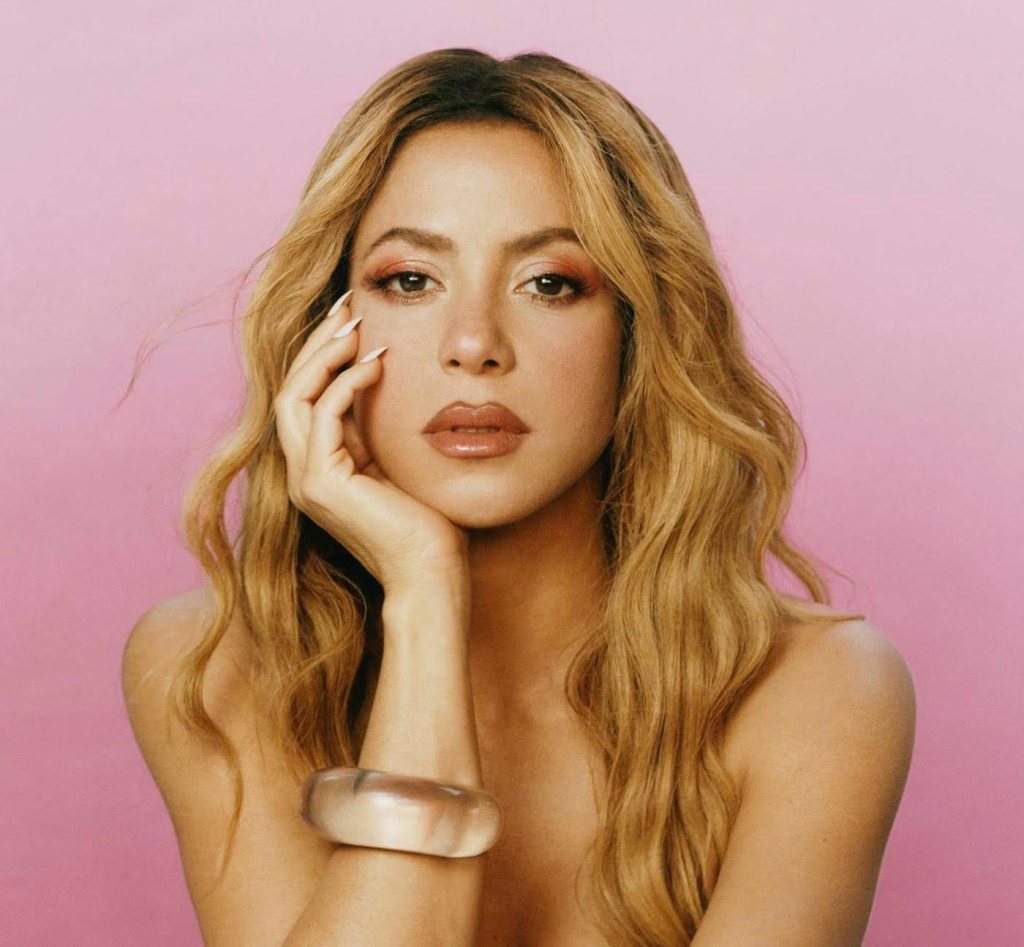
There is perhaps no artist more synonymous with modern World Cup music than Shakira.
Between “Hips Don’t Lie” becoming an unofficial football soundtrack and “Waka Waka” turning into one of FIFA’s most enduring anthems, she occupies a rare place where pop music and global sport genuinely intersect.
But Dai Dai arrives at a different moment in her career.
This is a more seasoned Shakira — less interested in spectacle for spectacle’s sake and more focused on emotional universality. Her vocals on the track carry warmth and conviction rather than pure theatricality. The message is resilience, not just celebration.
The lyrics reflect that evolution:
“You knew from the day you were born
That here in this place you belong…”
It is motivational pop with stadium-scale ambition — the kind of songwriting designed to make millions of fans feel personally included in one shared experience.
And then comes Burna Boy.
Burna Boy Gives the Anthem Its Pulse
If Shakira provides the global familiarity, Burna Boy provides the heartbeat.
Over the past decade, Afrobeats has transformed from a regional phenomenon into one of the defining sounds of contemporary pop music. Burna Boy, more than almost anyone, helped push that movement into the mainstream international arena.
His presence on Dai Dai does more than modernize the song — it grounds the anthem in the musical reality of 2026.
The fusion works because neither artist overwhelms the other. Shakira brings melodic uplift; Burna Boy injects rhythmic swagger and emotional gravity. Together, they create a track that feels celebratory without becoming disposable.
That balance is difficult. Most World Cup songs either lean too heavily into corporate optimism or collapse under the pressure of trying to sound “global.” Dai Dai succeeds because it sounds human first.
Football Mythology Meets Pop Spectacle
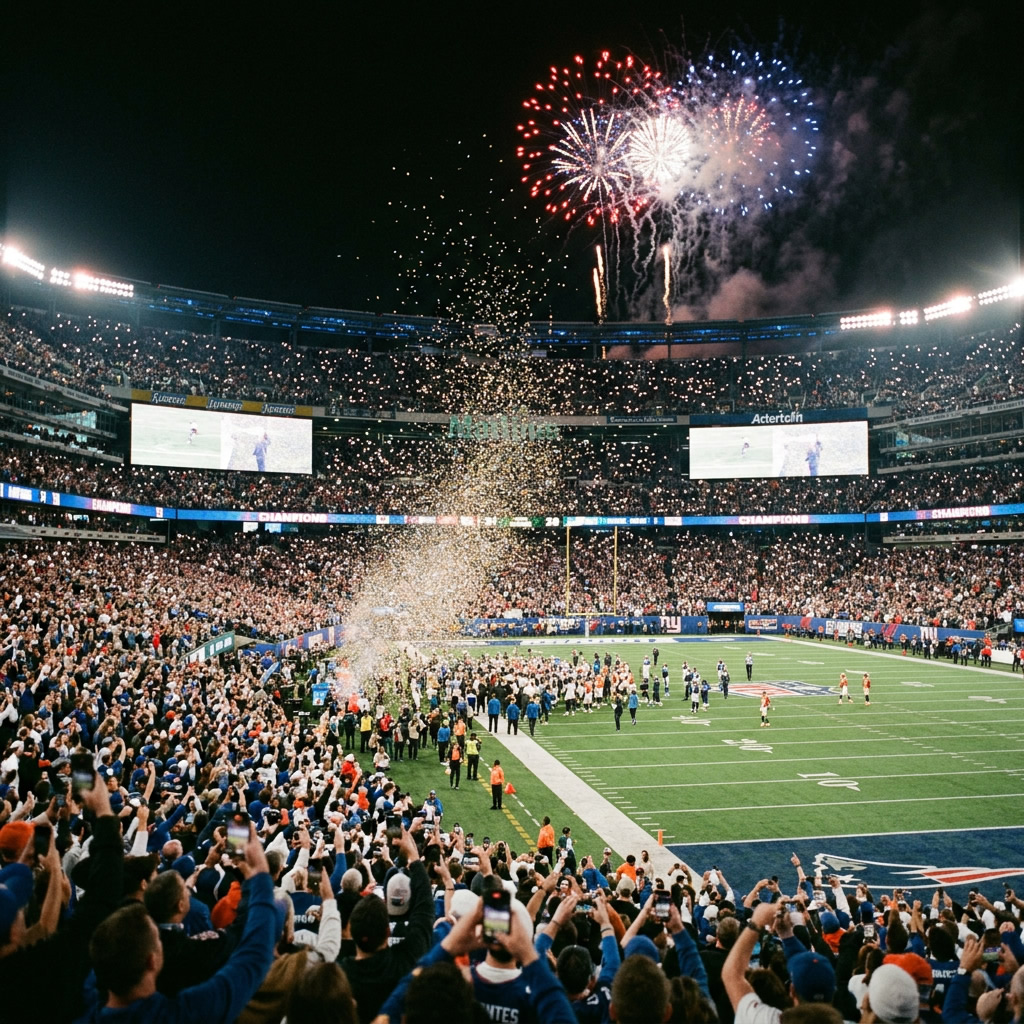
Like every great World Cup anthem, the song also understands football mythology.
References to legends, including Diego Maradona, Paolo Maldini, Cristiano Ronaldo, David Beckham, Kaká, and Lionel Messi, transform the track into a kind of rolling football memory bank — connecting generations of fans through shared icons.
The song also shouts out football nations across the globe, reinforcing FIFA’s long-standing dream of presenting the World Cup as a celebration of planetary identity rather than simply a sporting event.
Of course, cynics will call that branding. They are not entirely wrong.
But football, at its best, has always blurred the line between commerce and collective emotion. World Cup songs exist precisely in that space.
More Than a Song: The Global Citizen Connection
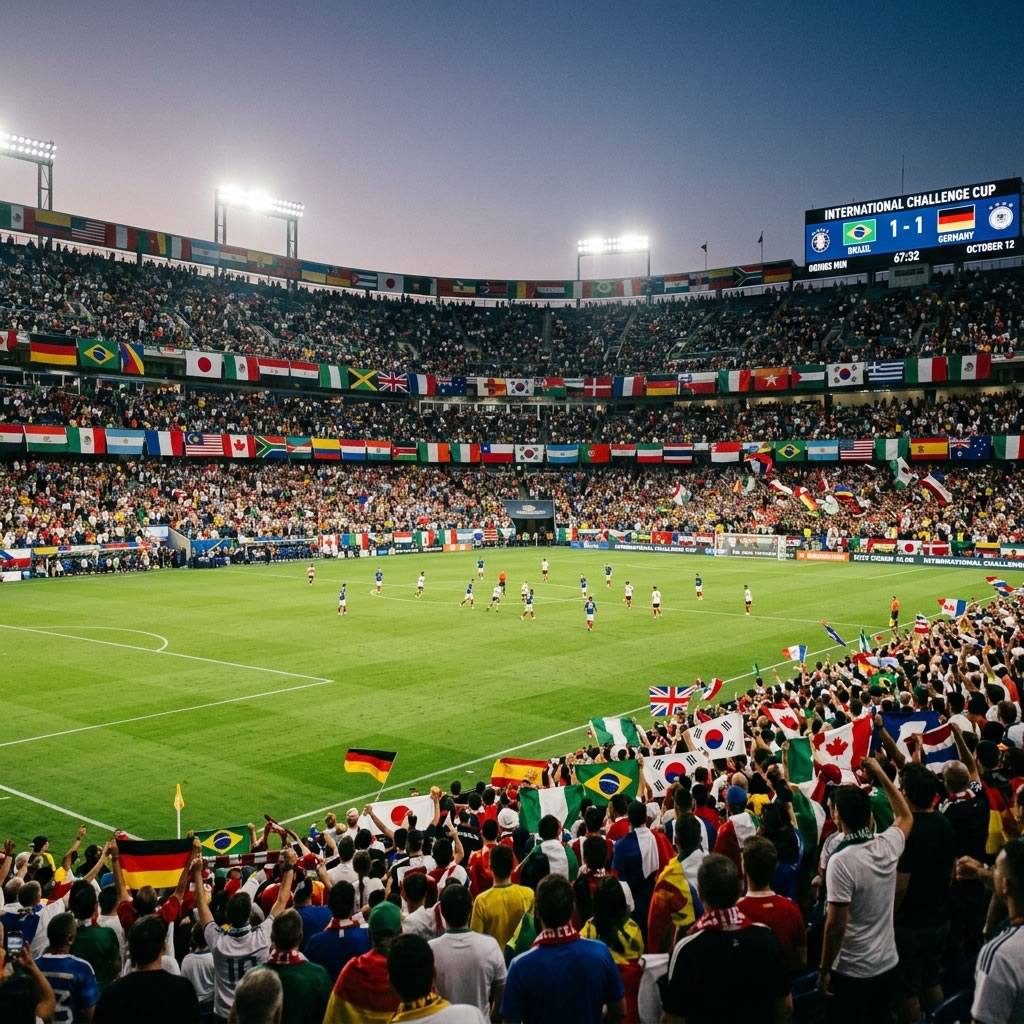
What gives Dai Dai added weight is its connection to the Global Citizen and FIFA’s education initiative.
Royalties from the song contribute toward the FIFA Global Citizen Education Fund, which aims to raise USD 100 million by the end of the tournament to improve access to education and football opportunities for children worldwide.
That mission is reflected visually as well. The promotional artwork — colorful, youthful, and centered around child-inspired football imagery — deliberately shifts the focus from celebrity to possibility.
It is a smart move. In an era where audiences increasingly expect purpose alongside entertainment, Dai Dai positions itself as both soundtrack and campaign.
Whether FIFA can fully live up to those ideals is another conversation entirely. But the symbolism matters.
The Internet Has Already Claimed It
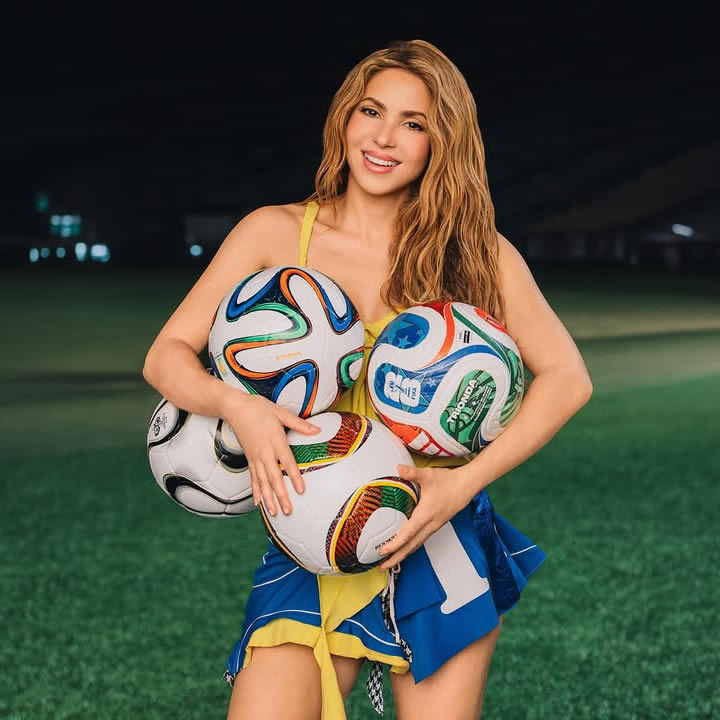
The clearest sign that Dai Dai is working? Fans immediately started using it before FIFA even had to push it.
TikTok edits, fan-made stadium montages, dance challenges, football highlight reels, reaction videos — the song spread organically within hours of release. Early streaming numbers and YouTube engagement suggest FIFA may already have the viral momentum it hoped for.
That is the new test for a World Cup anthem.
Not whether it tops charts.
Not whether critics love it.
But whether fans adopt it as emotional infrastructure for the tournament itself.
And Dai Dai feels built for exactly that.
The Countdown to 2026 Has Officially Begun
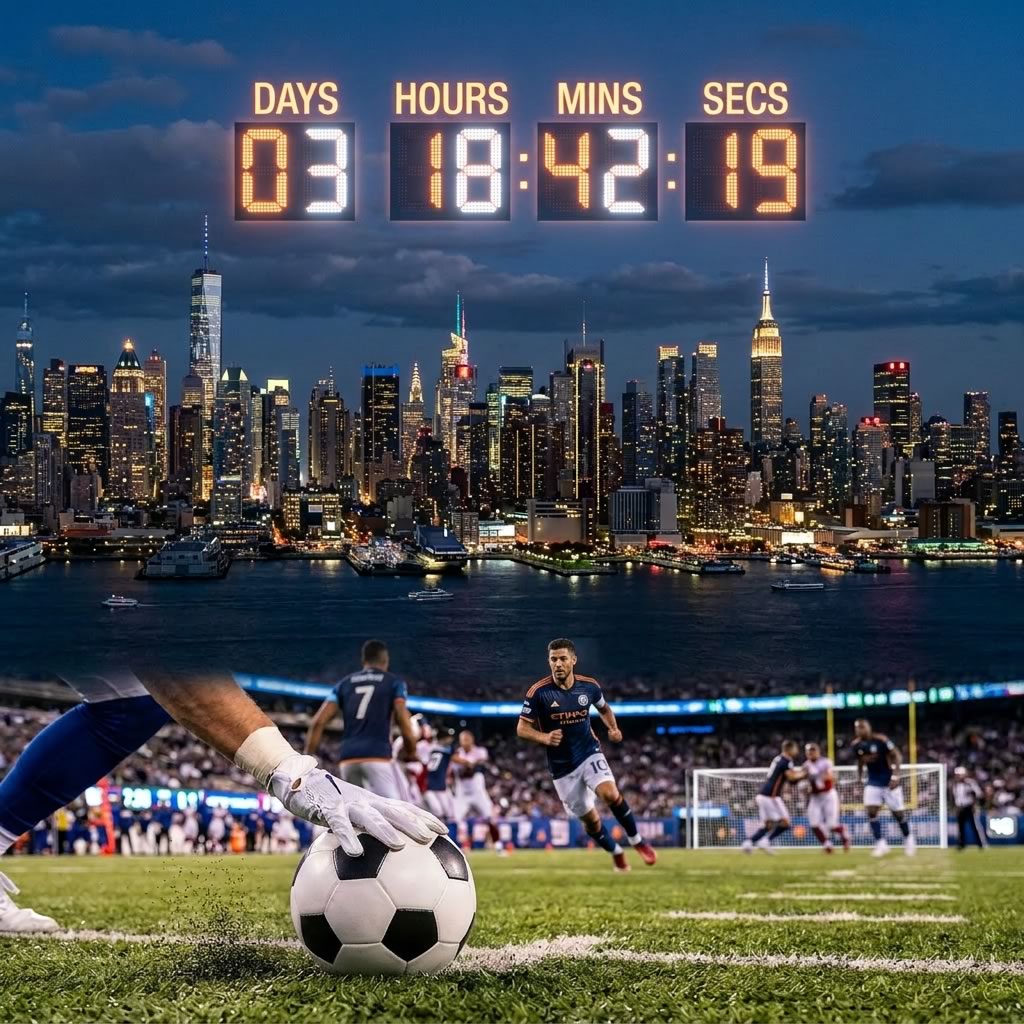
The 2026 FIFA World Cup opens on June 11, 2026, at Estadio Azteca and concludes on July 19 at MetLife Stadium.
By then, Dai Dai will likely be everywhere — inside stadiums, outside bars, on buses, in reels, in chants, and echoing through every emotionally exhausted host city after midnight.
That is what World Cup songs are ultimately meant to do.
Not explain football.
Not define it.
Just accompany it.
And with Dai Dai, Shakira, and Burna Boy may have delivered exactly the kind of anthem this sprawling, chaotic, multicultural World Cup needed.

