

At Cannes, Urvashi Rautela Didn’t Just Walk the Carpet — She Became the Conversation
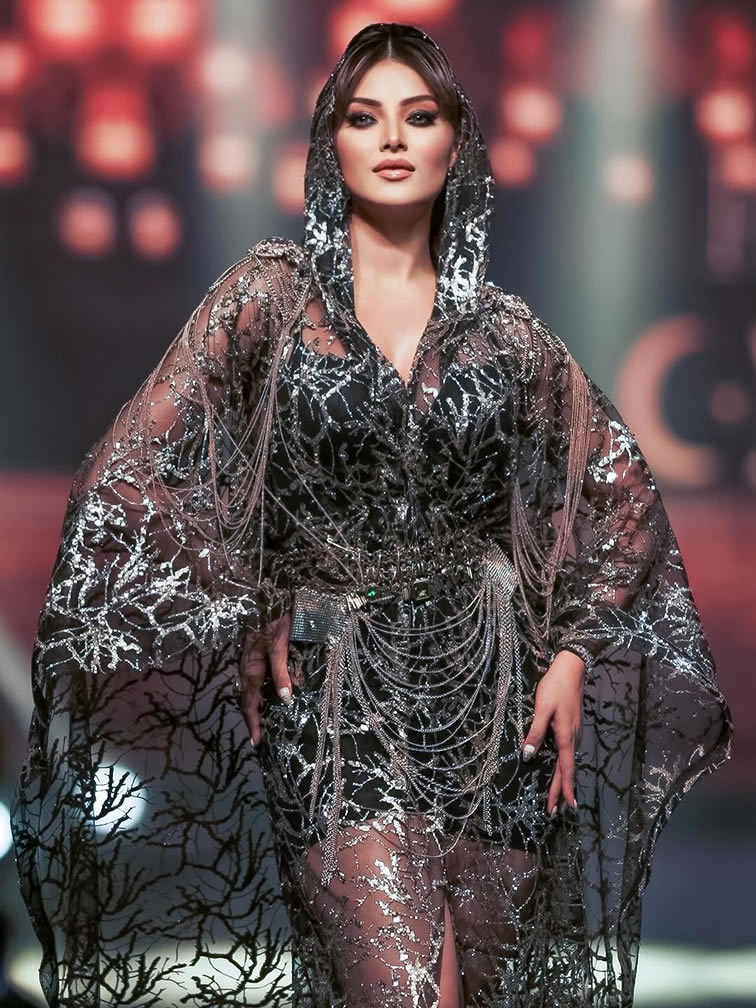
The red carpet at the 79th edition of the Cannes Film Festival has always rewarded spectacle. But every few years, someone arrives not merely dressed for the moment, but determined to dominate it. This year, that person was Urvashi Rautela.
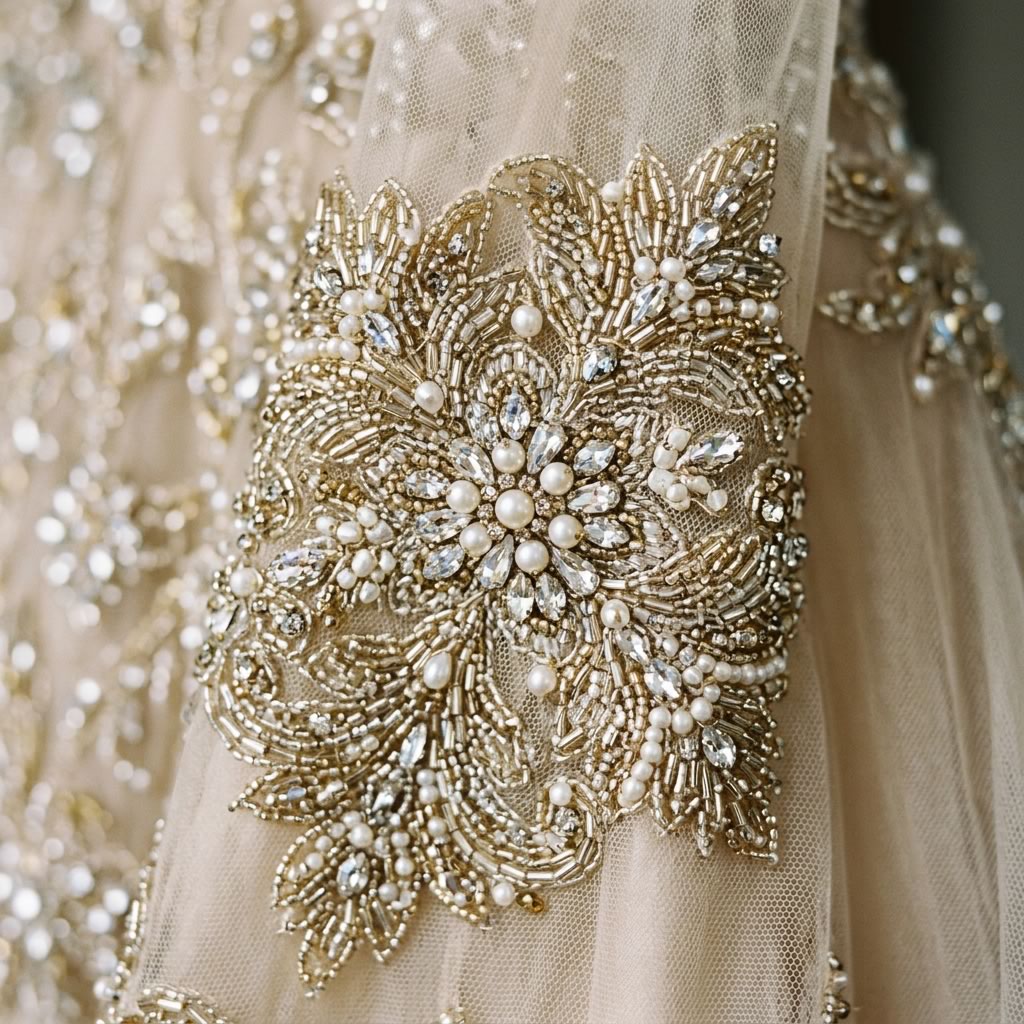
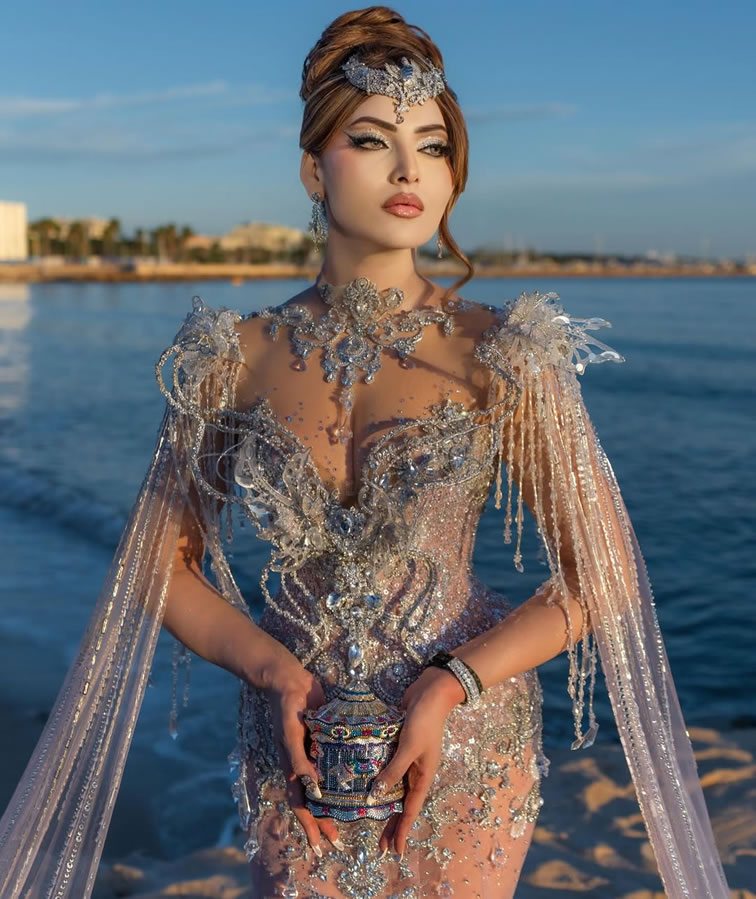
For her fifth consecutive appearance at Cannes, the actor and former beauty queen chose escalation over restraint. Draped in a heavily embellished silver gown by JoliPoli Couture, Rautela stepped onto the famed Croisette in a look engineered for maximum visibility: crystal armor, sculptural drama, sheer mermaid contours, theatrical sleeves, and accessories so elaborate they bordered on performance art.
It was not subtle. It was never meant to be.
And that is precisely why it worked.
In an era where celebrity fashion is increasingly optimized for algorithmic survival — a freeze-frame on Instagram, a meme on X, a fashion reel on TikTok — Rautela understands a truth many still resist: the modern red carpet is no longer about elegance alone. It is about cultural penetration. About being discussed, dissected, mocked, praised, reposted, and endlessly circulated.
By that metric, Cannes 2026 belonged to her.
The internet, predictably, split into factions.
Supporters hailed the appearance as fearless glamour — a futuristic, warrior-like silhouette that transformed the actor into a shimmering cinematic spectacle. Critics dismissed it as excessive, comparing the ensemble to costume design rather than couture. Memes flourished. Fashion commentary accounts erupted. Trolls found material for days.
Yet outrage and admiration now operate on the same digital currency: attention.
And Rautela has mastered the economy of attention better than many of her contemporaries.
Her now-viral statement — “I’m no more Urvashi, I’m India” — only intensified the discourse. To some, it sounded like patriotic pride delivered on one of the world’s most visible cultural platforms. To others, it felt exaggerated and self-mythologizing. But whether celebrated or criticized, the line accomplished something increasingly rare in celebrity culture: it cut through the noise.
That matters.
Because Cannes today is not just a film festival. It is a geopolitical fashion arena, where actors, influencers, luxury houses, and national identities collide under the gaze of a global media machine. For Indian celebrities in particular, appearances at Cannes often carry a dual burden — representing personal ambition while symbolizing the visibility of Indian cinema and fashion abroad.
Rautela leaned fully into that symbolism.
The reported valuation of the gown — figures soaring into fantastical territory, with some outlets claiming astronomical worth tied to crystals and embellishments — added another layer to the spectacle. Whether those numbers hold any practical credibility is almost beside the point. The mythology around the dress became part of the performance itself. Cannes has always thrived on illusion, aspiration, and exaggeration.
This was simply a 2026 version of it.
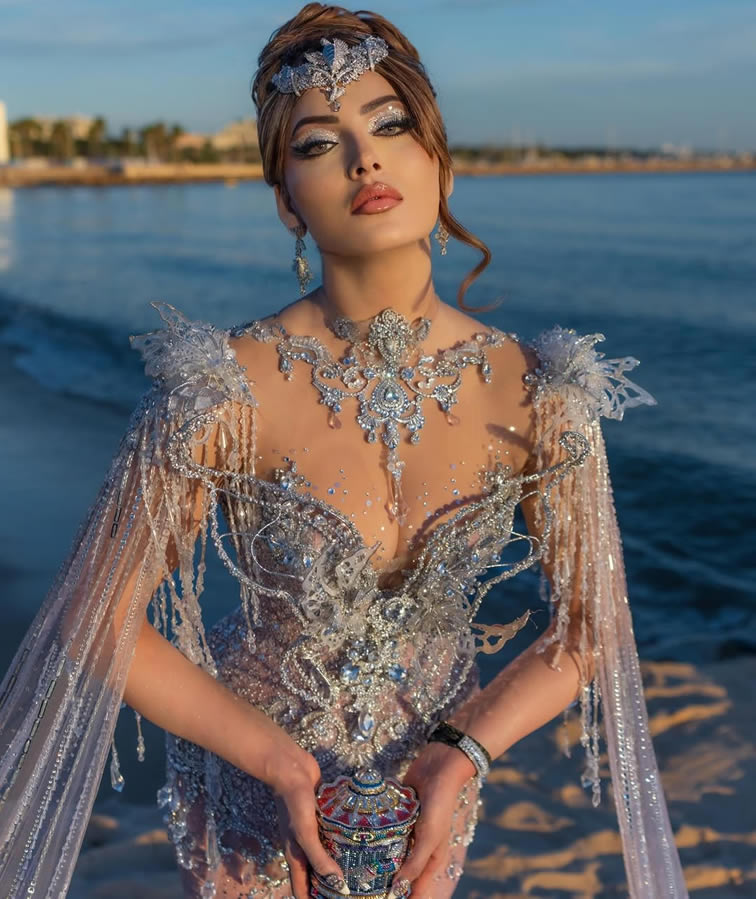
What makes Rautela fascinating is that she occupies a unique space in Indian celebrity culture. She is not positioned as a conventional Cannes arthouse regular, nor entirely as a mainstream Bollywood superstar premiering tentpole cinema. Instead, she exists in a hyper-visual celebrity ecosystem powered by pageantry, social media virality, luxury aesthetics, and relentless self-branding.
And perhaps that is why Cannes suits her so well.
The festival rewards people who understand imagery. Rautela does.
Long after the opening ceremony ends, only a handful of appearances survive in public memory. Most gowns disappear into fashion archives within hours. But the looks that endure — whether iconic or controversial — are the ones that provoke emotional reaction.
At Cannes 2026, Urvashi Rautela ensured indifference was never an option.
Love the look or hate it, one thing is undeniable: she understood the assignment better than most.

