
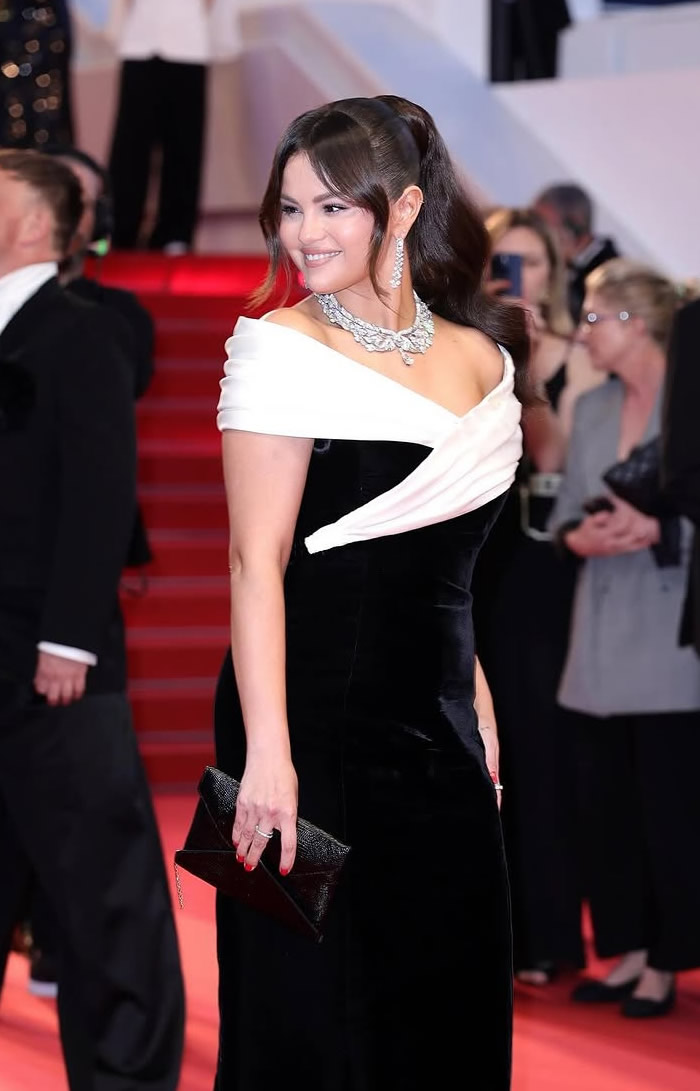
Cannes 2026 Opens With Glamour, Defiance, and a Love Letter to Cinema
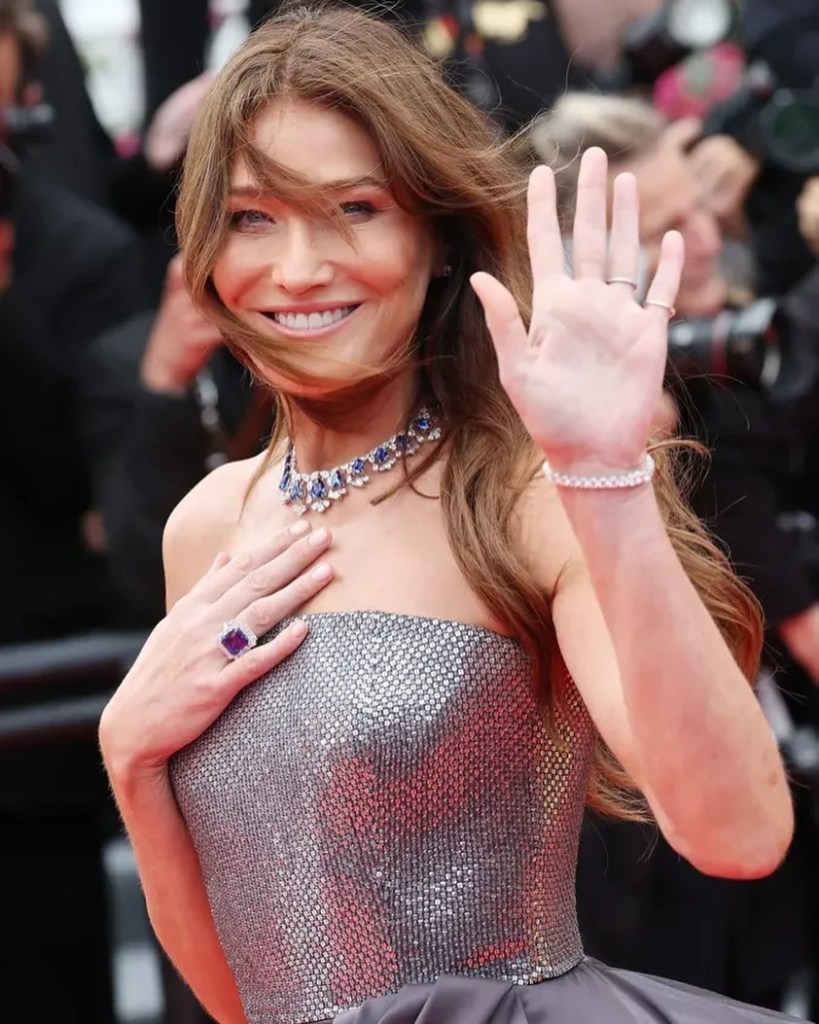
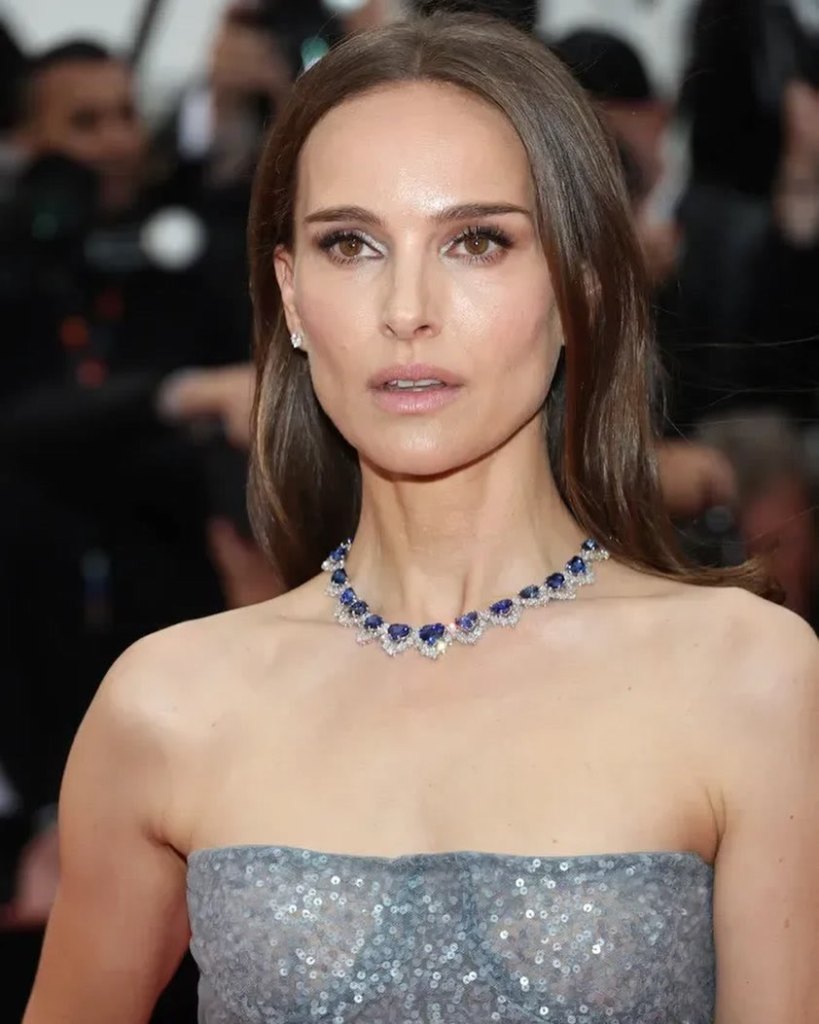
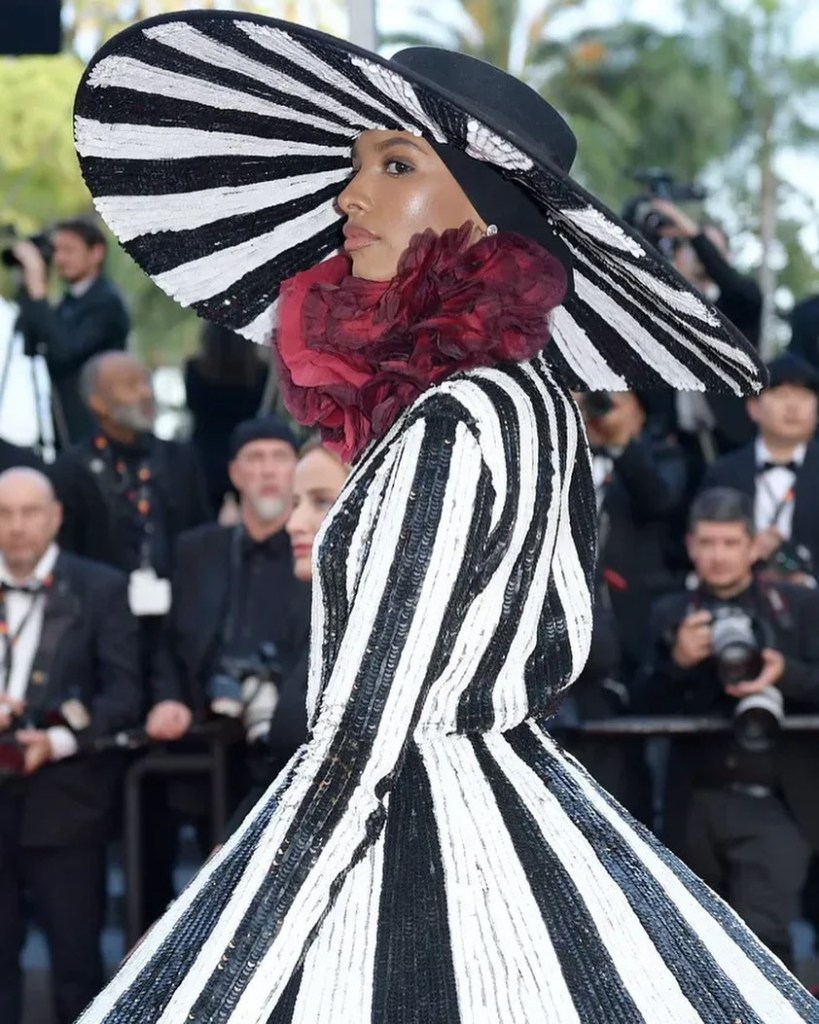
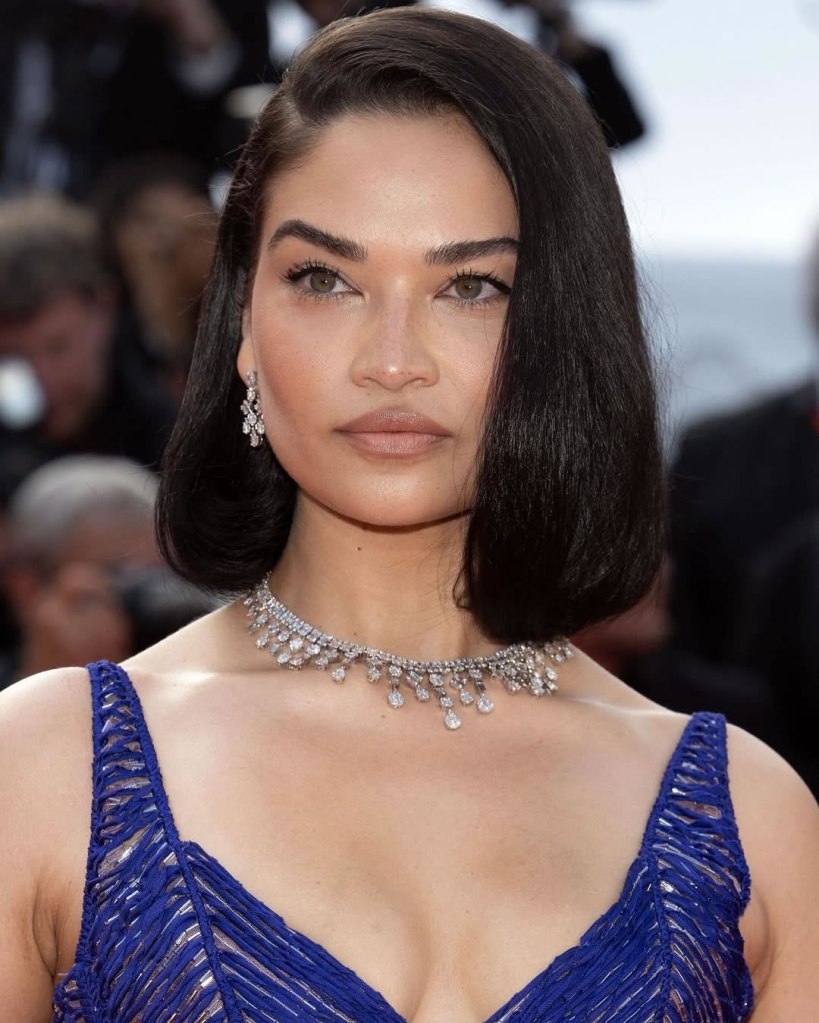
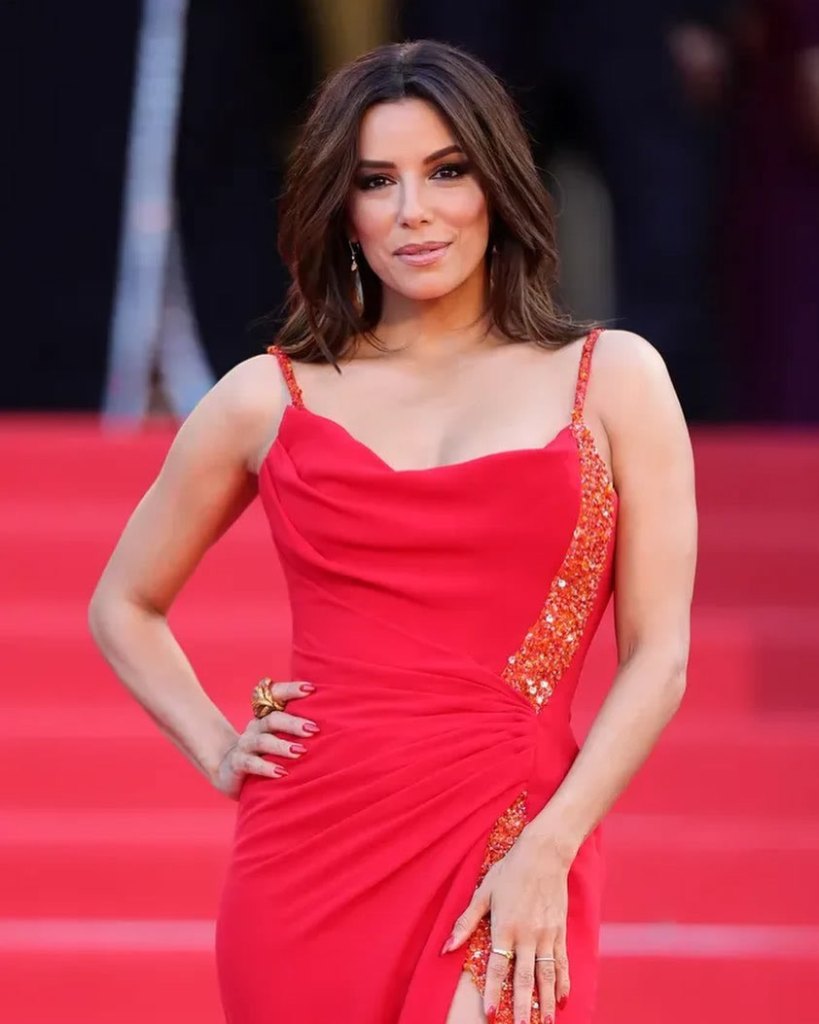
The 79th edition of the Festival de Cannes has officially begun, transforming the French Riviera once again into the global capital of cinema, celebrity, and artistic ambition. Running from May 12 to May 23 in Cannes, this year’s festival opened with the kind of grandeur only Cannes can orchestrate — a red carpet drenched in couture, cinema legends sharing the same stage, and an unmistakable message: film still matters deeply in a fractured world.
The opening ceremony at the Grand Théâtre Lumière was less a formal launch than a declaration of faith in storytelling itself. French actress Eye Haïdara set the tone with an impassioned speech celebrating filmmakers who “choose to film what we would rather not see,” honoring cinema not merely as entertainment but as a form of resistance, empathy, and collective memory.
Quoting Jean-Luc Godard — “We don’t make a film to be cautious” — Haïdara framed this year’s Cannes as a festival embracing risk, auteur vision, and artistic boldness at a moment when global cinema is wrestling with streaming disruption, AI anxieties, and shifting audience habits.
Park Chan-wook Leads an International Jury
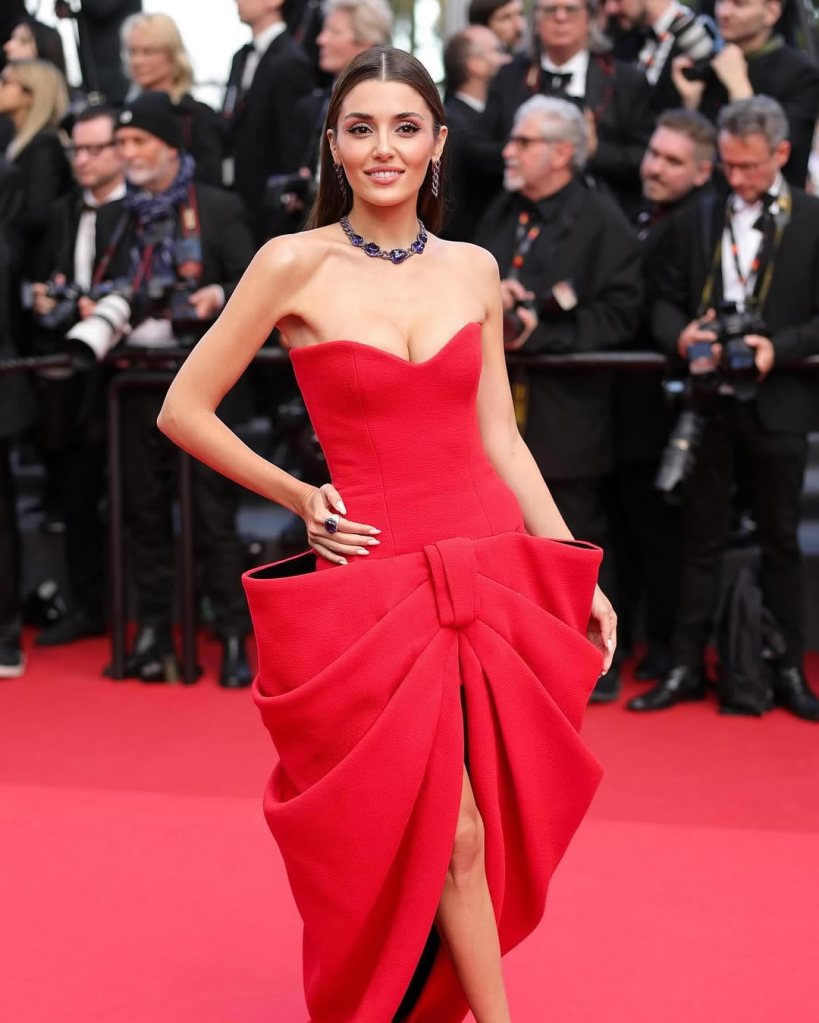
This year’s jury reflects Cannes’ increasingly global identity. Acclaimed South Korean filmmaker Park Chan-wook serves as Jury President, becoming the first Korean filmmaker to lead the Cannes jury. Known internationally for films such as Oldboy and Decision to Leave, Park represents the festival’s continued embrace of international auteur cinema over Hollywood spectacle.
Joining him are a remarkably eclectic group of artists: Demi Moore, Ruth Negga, Chloé Zhao, Stellan Skarsgård, Laura Wandel, Diego Céspedes, Isaach De Bankolé, and Paul Laverty.
The lineup signals Cannes’ ongoing commitment to filmmakers whose work exists outside formula-driven franchise culture — a theme echoed throughout this year’s competition slate.
Peter Jackson Receives a Hero’s Welcome
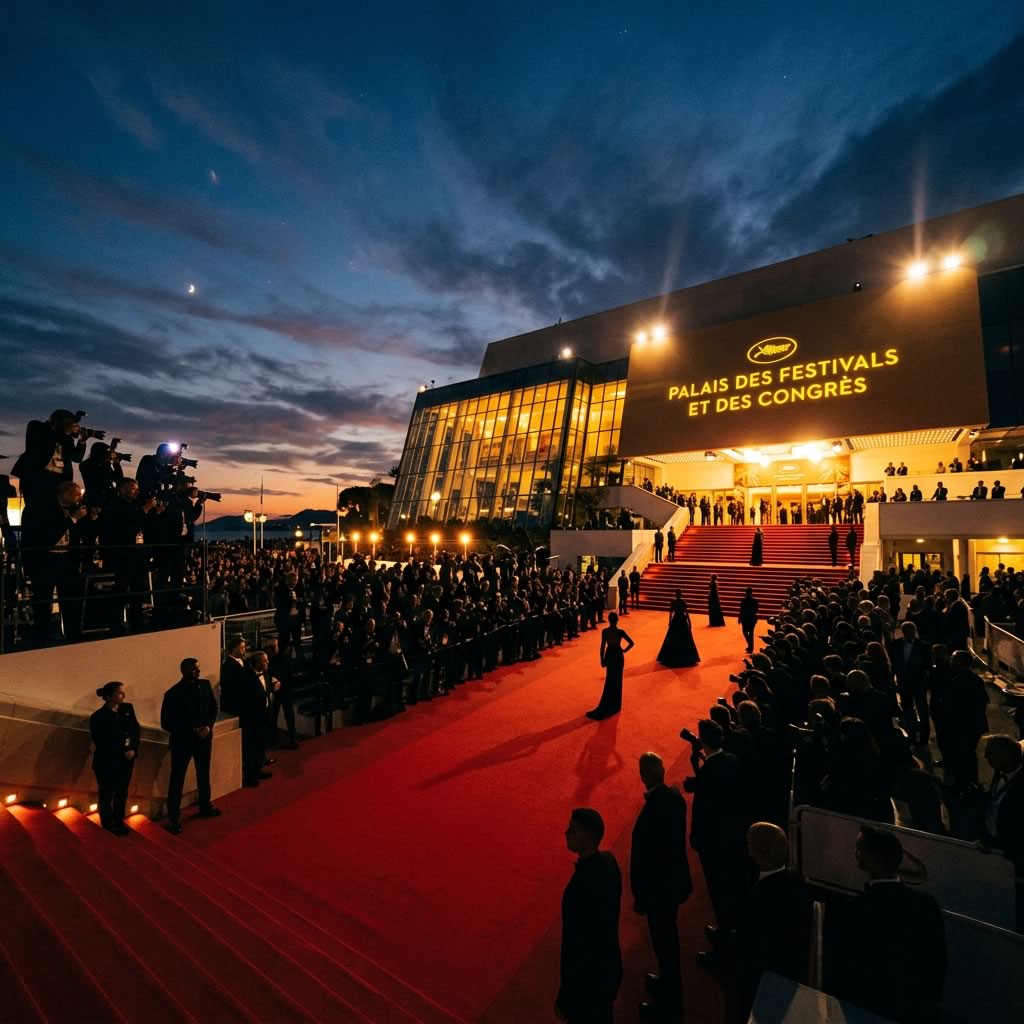
One of the evening’s emotional high points came when Elijah Wood paid tribute to longtime collaborator Peter Jackson before the legendary director received an Honorary Palme d’Or.
Jackson, whose The Lord of the Rings: The Return of the King remains one of cinema’s defining epics, received a lengthy standing ovation. In his remarks, he reflected on the “miraculous” relationship he has shared with Cannes over the decades, while emphasizing that technology in filmmaking means little unless it serves humanity and emotion.
The tribute continued musically with performances inspired by The Beatles: Get Back, underlining the festival’s desire to celebrate both cinematic innovation and nostalgia.
Closing the ceremony, screen legends Gong Li and Jane Fonda jointly declared the festival open, calling for “boldness, freedom, and the fierce act of creation.”
A Festival Dominated by Auteur Cinema
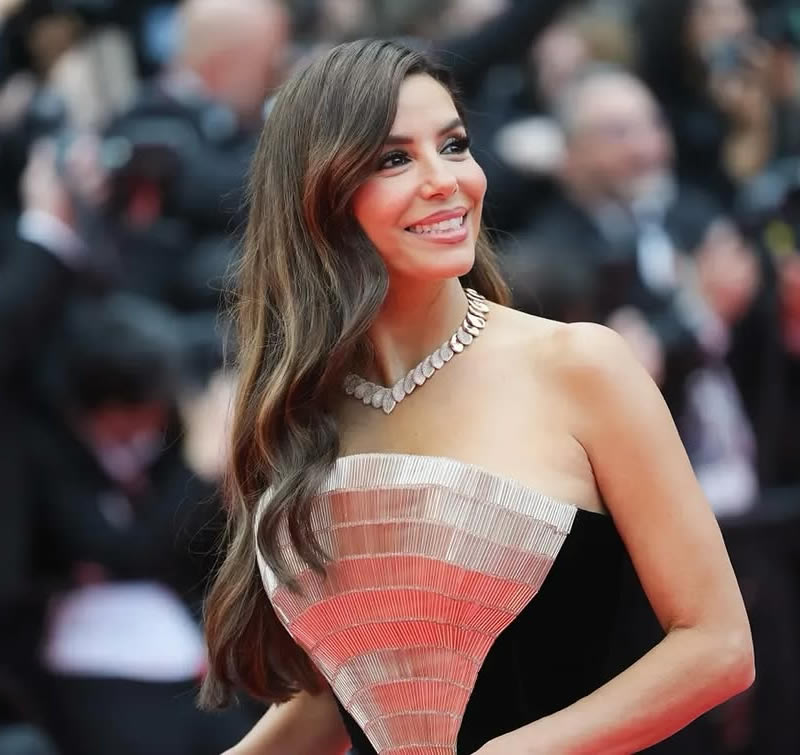
Unlike some recent editions that leaned heavily on major studio premieres, Cannes 2026 feels distinctly filmmaker-driven. The main competition features around 22 films from some of the world’s cinema’s most respected auteurs.
Among the most anticipated titles are:
- Amarga Navidad by Pedro Almodóvar
- Sheep in the Box by Hirokazu Kore-eda
- Fjord by Cristian Mungiu
- Paper Tiger starring Adam Driver and Scarlett Johansson
- Hope by Na Hong-jin
The opening film, The Electric Kiss (La Vénus électrique), directed by Pierre Salvadori and starring Anaïs Demoustier, immediately set the tone for a festival favoring romanticism, wit, and character-driven storytelling over franchise spectacle.
India’s Expanding Cannes Presence
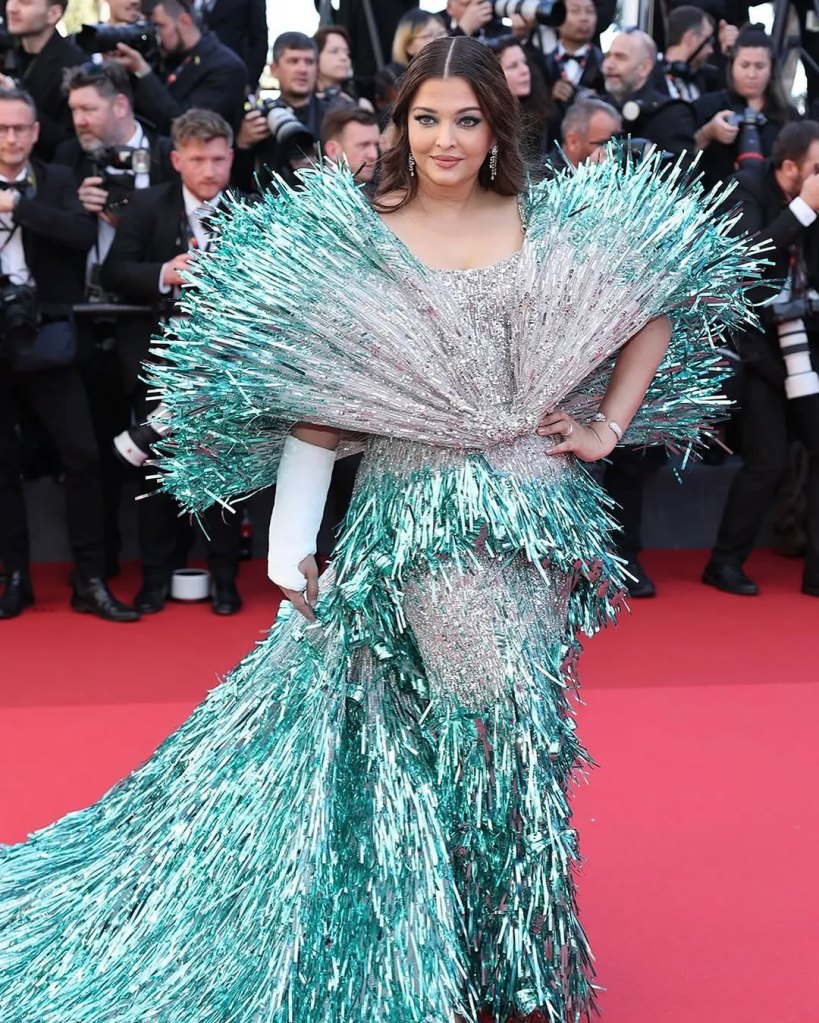
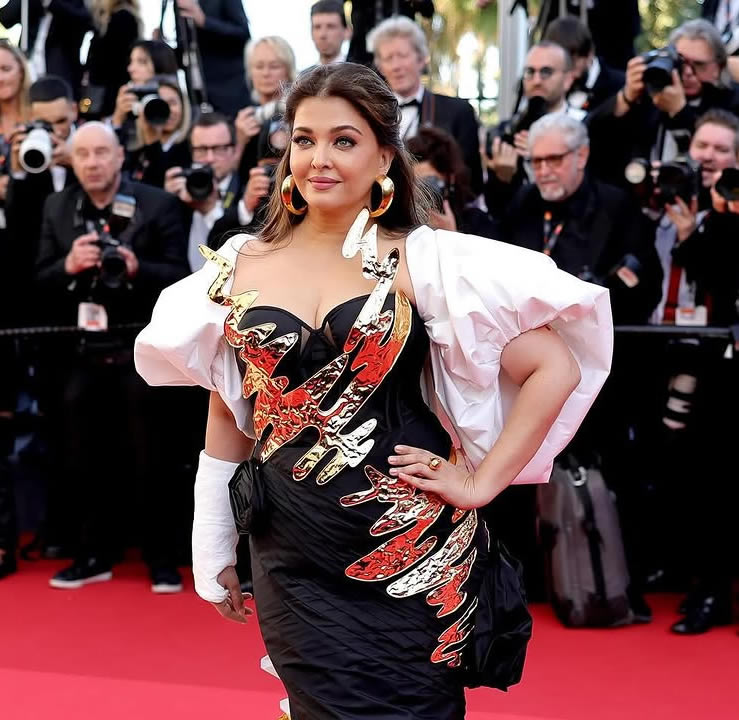
India’s presence at Cannes continues to expand beyond occasional appearances into a sustained cultural force. Aishwarya Rai Bachchan returned once again as one of the festival’s most photographed red carpet icons, joined by Aditi Rao Hydari and Alia Bhatt as ambassadors for L’Oréal India.
Other Indian personalities attending include Jacqueline Fernandez, Tara Sutaria, Mouni Roy, Pooja Batra, and Karan Johar, highlighting how Cannes has increasingly become a strategic international platform for Indian cinema, luxury branding, and global media visibility.
Fashion, AI, and the Future of Cinema
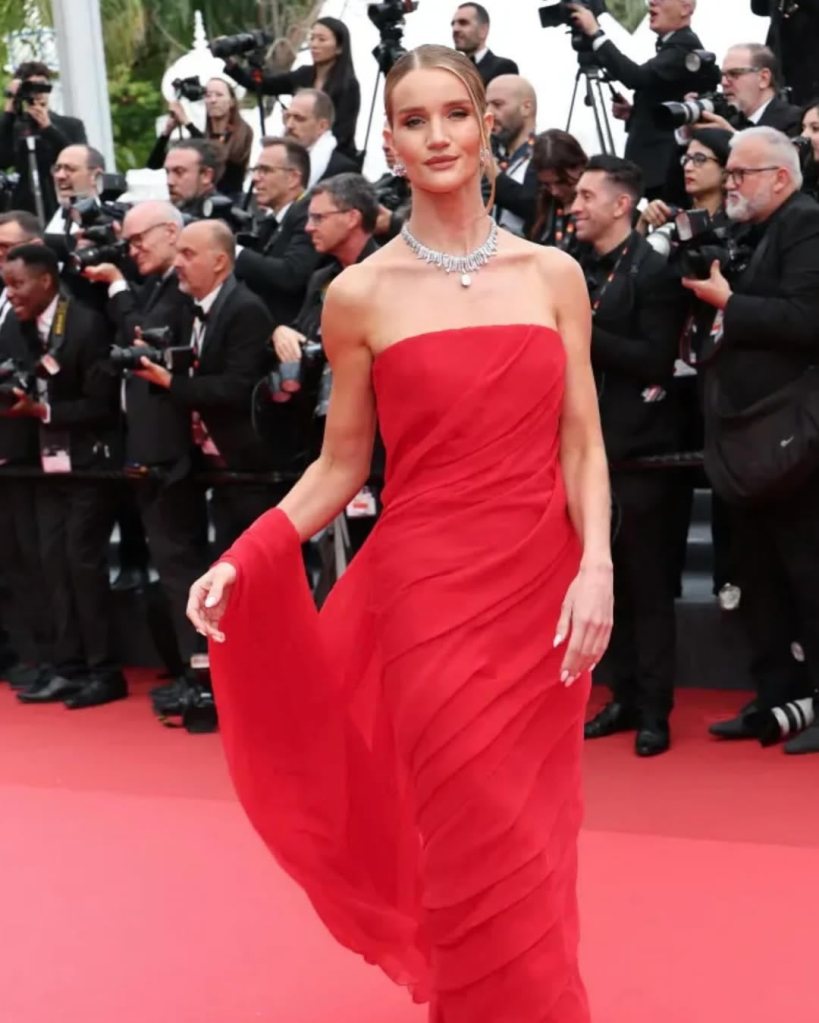
As always, Cannes is as much about image-making off-screen as on-screen. The opening-night fashion conversation was dominated by Demi Moore’s custom Jacquemus ensemble and Heidi Klum’s dramatic Elie Saab appearance, reinforcing Cannes’ status as cinema’s most glamorous runway.
Yet beneath the glamour lies a festival confronting profound questions about the industry. Discussions around artificial intelligence, authorship, streaming economics, and the survival of theatrical cinema are expected to shape many conversations throughout the next 12 days.
That tension — between old-world cinematic romance and a rapidly changing industry — may define Cannes 2026 more than any single film.
Because this year’s opening ceremony made one thing unmistakably clear: Cannes still sees cinema not simply as content, but as culture, memory, rebellion, and human connection. And in 2026, that belief feels more radical than ever.

