
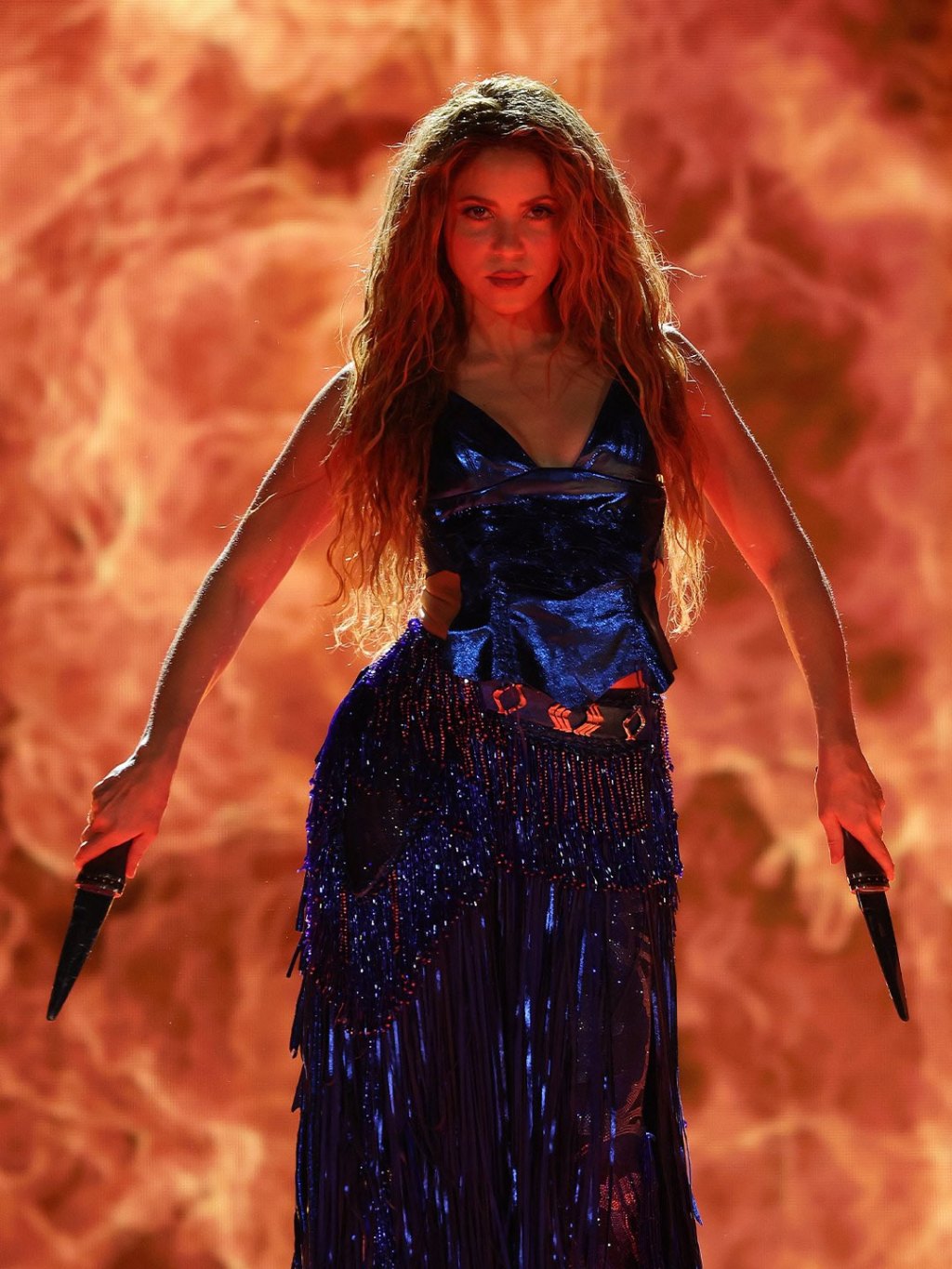
FIFA Has Finally Learned What a World Cup Anthem Should Sound Like
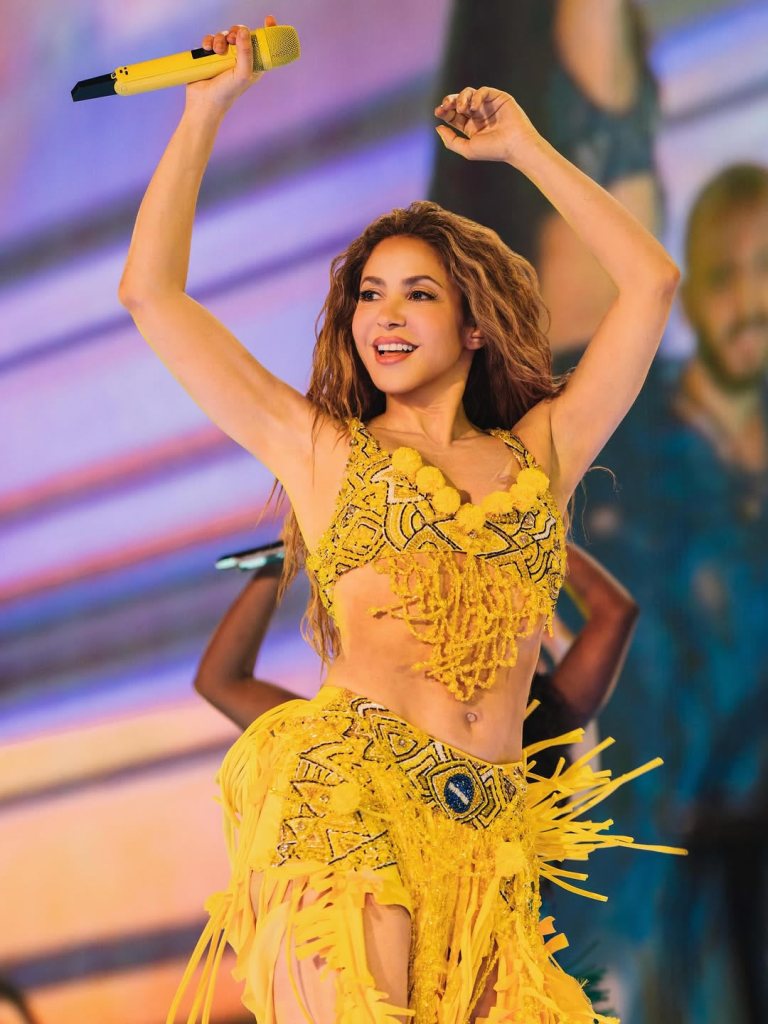
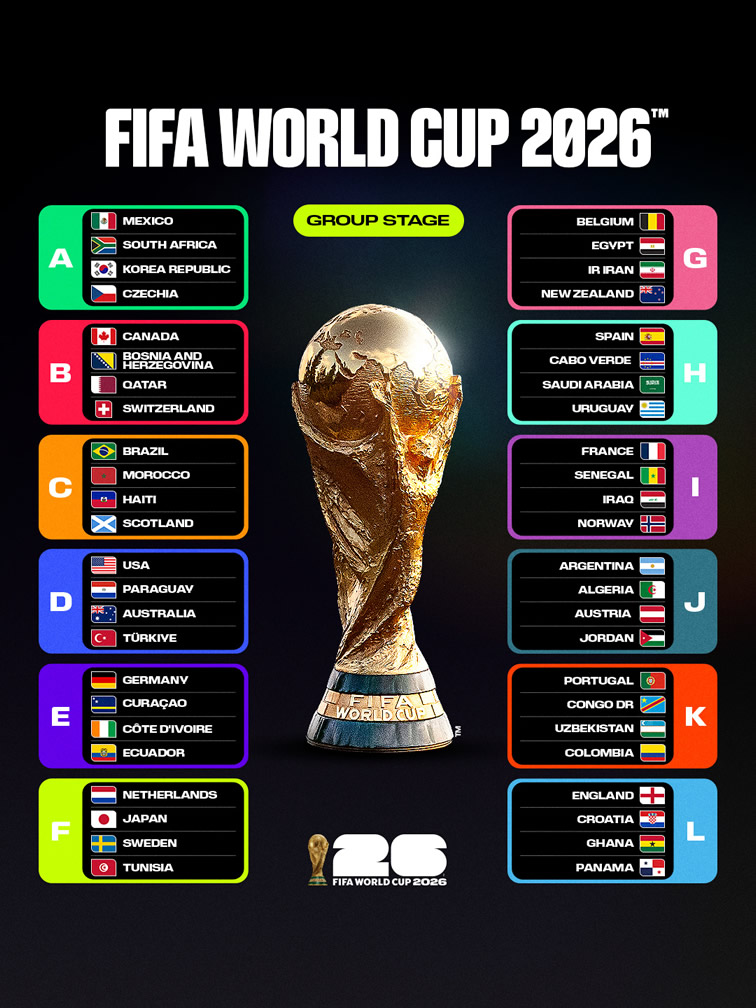
For years, FIFA struggled with a problem it never openly admitted: the modern World Cup anthem had lost its magic.
The songs were polished. The productions were massive. The artists were global stars. Yet very few of the official tracks released after 2010 truly became part of football culture. They arrived with enormous marketing campaigns, trended briefly online, and disappeared almost as quickly as the tournaments ended.
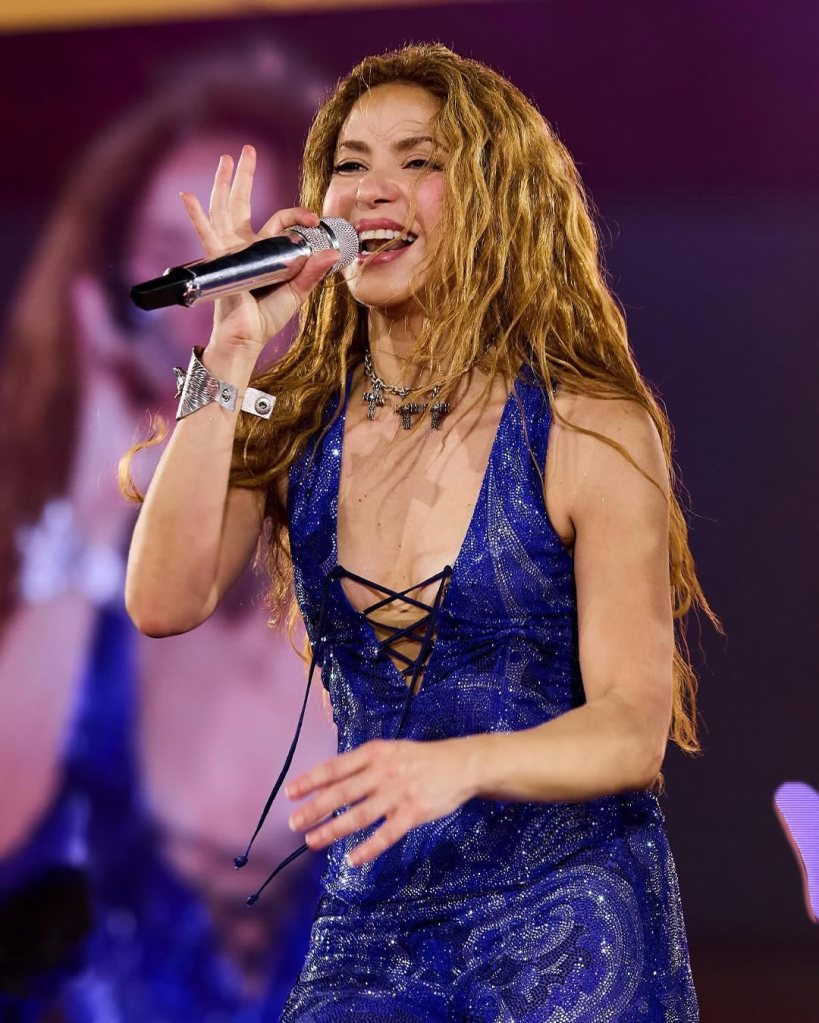
Now, with Shakira’s return as the face of the FIFA World Cup 2026 anthem, FIFA appears to understand something fundamental again: a World Cup song is not merely promotional music. It is emotional infrastructure.
And “Dai Dai” may be the clearest sign yet that FIFA is trying to restore that lost connection.
Why Shakira Still Matters to Football
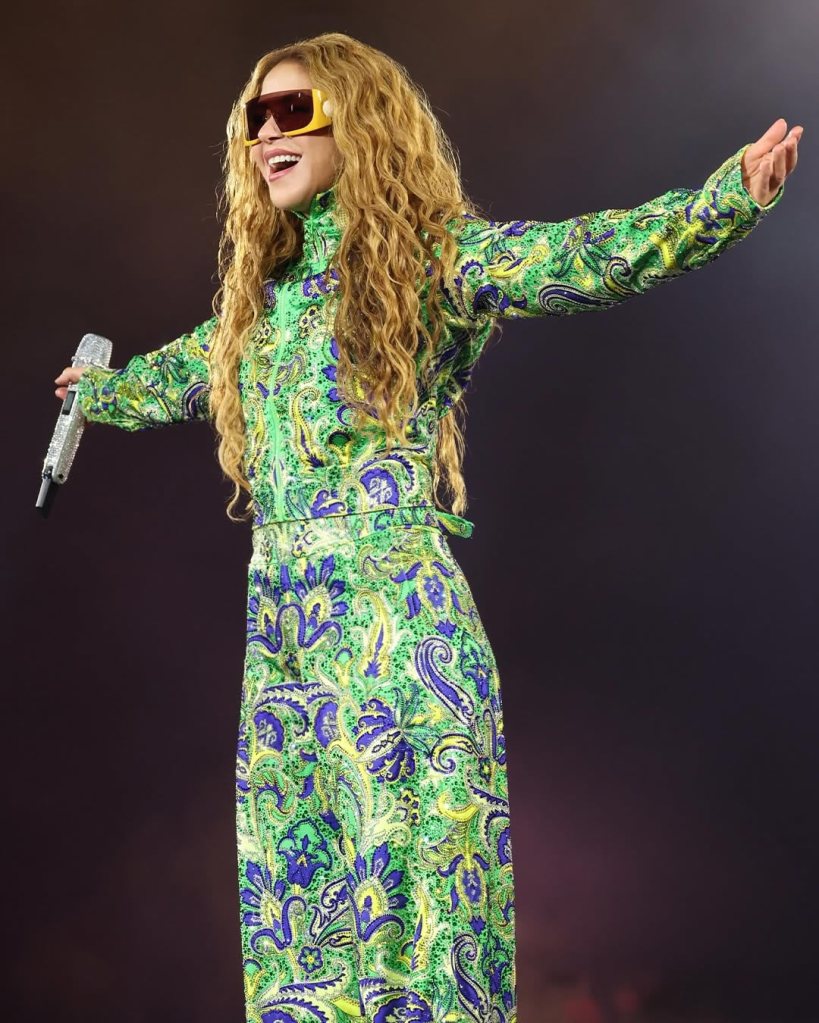
There is a reason the announcement instantly generated global attention.
Shakira is not simply another pop artist attached to a sporting event. Her music is woven into the emotional memory of modern football itself. “Waka Waka (This Time for Africa)” from the 2010 FIFA World Cup was more than a hit single — it became part of the identity of that tournament.
Sixteen years later, fans still associate the song with packed fan zones, vuvuzelas, dramatic matches, and the feeling that the world had briefly gathered around one event.
That emotional durability is extremely rare in sports marketing.
Most tournament songs are engineered for short-term chart success. “Waka Waka” endured because it captured something larger than FIFA branding: collective celebration.
That is why the unveiling of “Dai Dai,” Shakira’s new collaboration with Burna Boy, feels significant beyond music alone.
FIFA is not just reviving a successful formula. It is reviving a memory.
FIFA’s Smartest Decision Was Choosing Burna Boy
The collaboration with Burna Boy is not accidental.
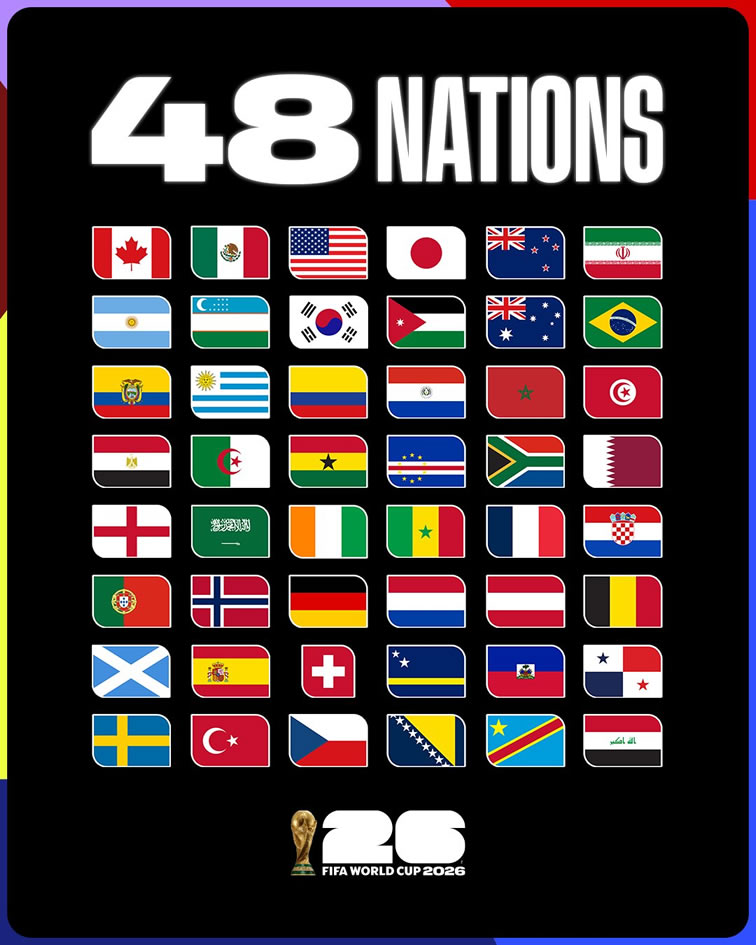
Football in 2026 is more globalized than at any point in history, and FIFA’s music strategy now reflects that reality. The tournament itself spans three host nations — the United States, Mexico, and Canada — while audiences increasingly consume music without linguistic or geographic boundaries.
Afrobeats has become one of the defining sounds of global popular culture over the past decade. Burna Boy represents a generation of artists who have transformed African music from a regional force into a worldwide mainstream movement.
Pairing him with Shakira creates something FIFA desperately needs: a sound that feels international without sounding manufactured.
That distinction matters.
Many recent tournament anthems sounded like committee-designed corporate products. “Dai Dai,” at least from its teaser, sounds like a song people might keep playing after the World Cup ends.
That alone would be a major victory for FIFA.
The Real Shift Is FIFA’s New Music Philosophy
The bigger story, however, may not be “Dai Dai” itself.
It is FIFA’s broader realization that one anthem can no longer fully represent the cultural complexity of the modern World Cup.
The FIFA Sound project — featuring tracks from Jelly Roll, Carín León, Daddy Yankee, Shenseea, Jessie Reyez, Elyanna, Los Ángeles Azules, Belinda, and others — signals a major strategic change.
Instead of forcing one song to carry the entire tournament, FIFA is building a musical ecosystem.
That approach makes sense for a competition hosted across North America, where musical identities are deeply layered and multicultural. Country music, reggaeton, Afrobeats, regional Mexican music, Latin pop, Caribbean rhythms, Arabic influences, and electronic production now coexist within the same global streaming culture.
The official soundtrack reflects that reality.
In many ways, the 2026 World Cup may become the first tournament truly designed for the streaming era rather than the television era.
The Pressure on “Dai Dai” Is Immense
Still, expectations are unusually high.
Every new FIFA anthem inevitably lives in the shadow of “Waka Waka.” That comparison is unavoidable because the song established a benchmark almost impossible to replicate.
What made “Waka Waka” powerful was not only its melody or choreography. Timing mattered too. Social media was expanding globally, YouTube virality was accelerating, and football culture still felt more centralized than fragmented.
In 2026, audiences are harder to unify. Attention is fractured across platforms, trends move faster, and songs often peak within days.
Ironically, that may be why “Dai Dai” has a real chance to succeed.
The chant-like title, the stadium-ready production, the visual spectacle at Maracanã, and the heavy emphasis on dance and short-form clips all suggest FIFA understands how contemporary global hits now spread.
The anthem is not trying to recreate 2010.
It is trying to become the soundtrack of 2026 on its own terms.
Football Still Needs Shared Cultural Moments
The modern sports world is increasingly personalized. Fans consume different highlights, creators, feeds, and platforms. Shared global experiences have become rarer.
The World Cup remains one of the few events capable of cutting through that fragmentation.
Its anthem matters because it becomes the emotional shorthand for the tournament itself. A truly successful World Cup song does not merely promote matches; it helps define how people remember an era.
That is why FIFA’s decision to bring Shakira back feels larger than nostalgia.
It feels like an acknowledgment that football’s greatest tournament still needs music people genuinely connect with — not just music tied to sponsorship campaigns.
Whether “Dai Dai” reaches the cultural heights of “Waka Waka” remains uncertain.
But for the first time in years, FIFA’s musical strategy feels less like branding and more like understanding.
After weeks of speculation and social media buzz, Shakira has officially unveiled “Dai Dai” as the main anthem for the 2026 FIFA World Cup — marking her highly anticipated return to football’s biggest stage alongside Nigerian superstar Burna Boy.
The song, teased through a high-energy promotional video filmed at the legendary Maracanã Stadium, is set for full release on May 14, 2026.
1-minute teaser of the 2026 FIFA WORLD CUP Song – Dai Dai.
Shakira – Waka Waka (This Time for Africa) (The Official 2010 FIFA World Cup™ Song)

