

🇮🇳 India at the Met Gala 2026: When Fashion Became Living Art
The Met Gala 2026, in New York City, wasn’t just another red carpet—it was a curated exhibition of identity, artistry, and storytelling. With the theme “Fashion Is Art”, aligned with the Costume Art exhibition at the Metropolitan Museum of Art, this year’s gala invited attendees to blur the line between garment and gallery.
And India didn’t just show up—it composed a visual symphony of heritage, craft, and conceptual brilliance.
🎨 A Cultural Canvas on the Global Stage
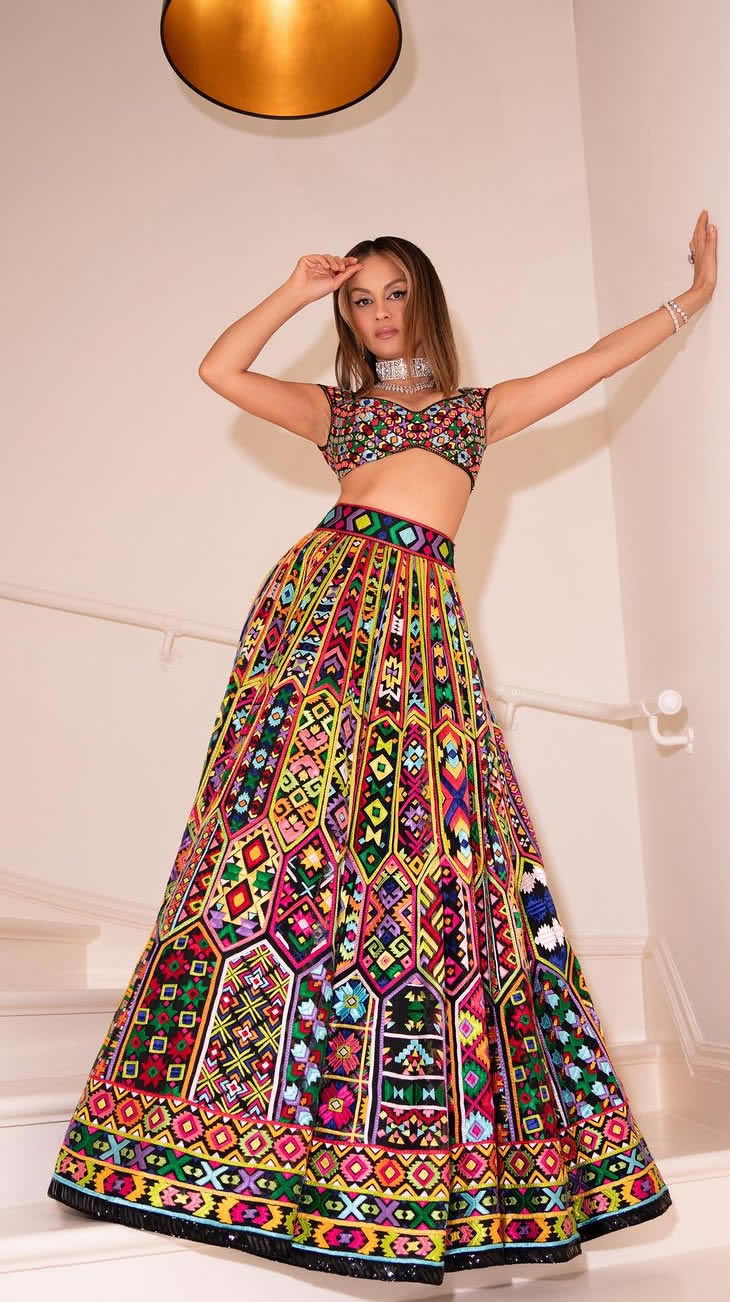
Indian attendees didn’t just interpret the theme—they embodied it. Across silhouettes and textures, there was a consistent thread: fashion as narrative art, rooted in centuries-old craftsmanship yet boldly contemporary.
From painterly textiles to sculptural couture, India’s presence transformed the red carpet into a living museum.
👑 Karan Johar’s Grand Debut: Cinema Meets Canvas
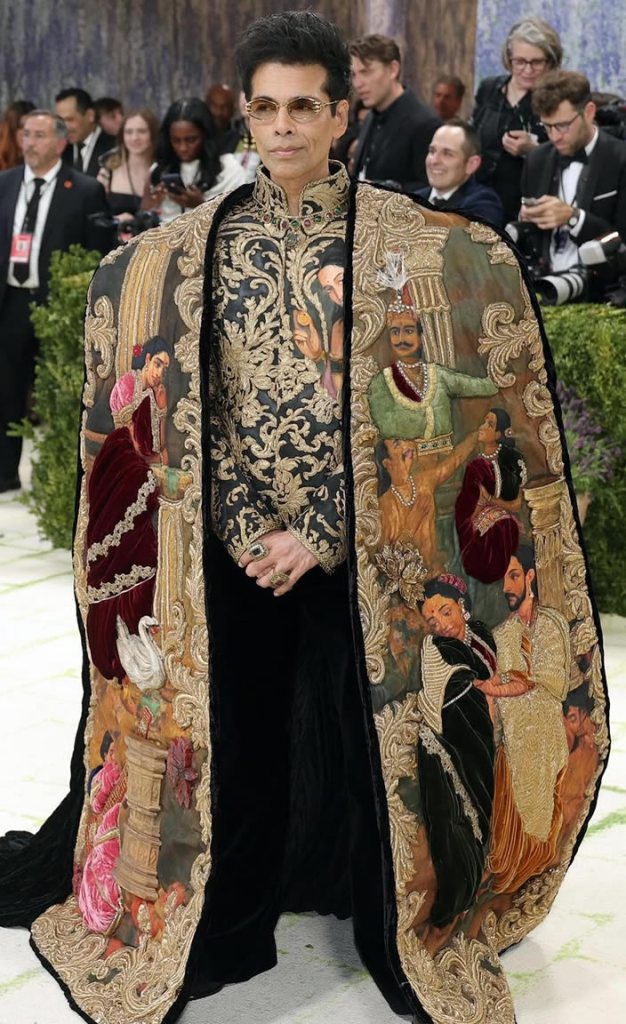
Making his Met Gala debut, Karan Johar delivered one of the evening’s most theatrical interpretations.
- Designer: Manish Malhotra
- Inspiration: Raja Ravi Varma
His ensemble translated classical Indian paintings into wearable drama—rich embroidery, layered textiles, and an almost cinematic silhouette. It was maximalist, unapologetic, and unmistakably Johar.
The look sparked conversation—admired for its ambition, and debated for its opulence—but never ignored.
💎 Isha Ambani: Heirlooms as High Art

If the theme asked for embodiment, Isha Ambani answered with inheritance turned into art.
- Main Look: Custom by Gaurav Gupta
- Highlight: Over 1,800 carats of heirloom jewelry
Her sculptural sari—crafted from handwoven gold tissue—felt less like clothing and more like a living archive. The integration of ancestral jewels elevated the outfit into a meditation on legacy, continuity, and form.
Even her pre-gala appearance, created with Manish Malhotra and Swadesh, stitched together 26 regional textile traditions—a literal map of India in couture.
🌸 Natasha Poonawalla: Sculpture in Motion




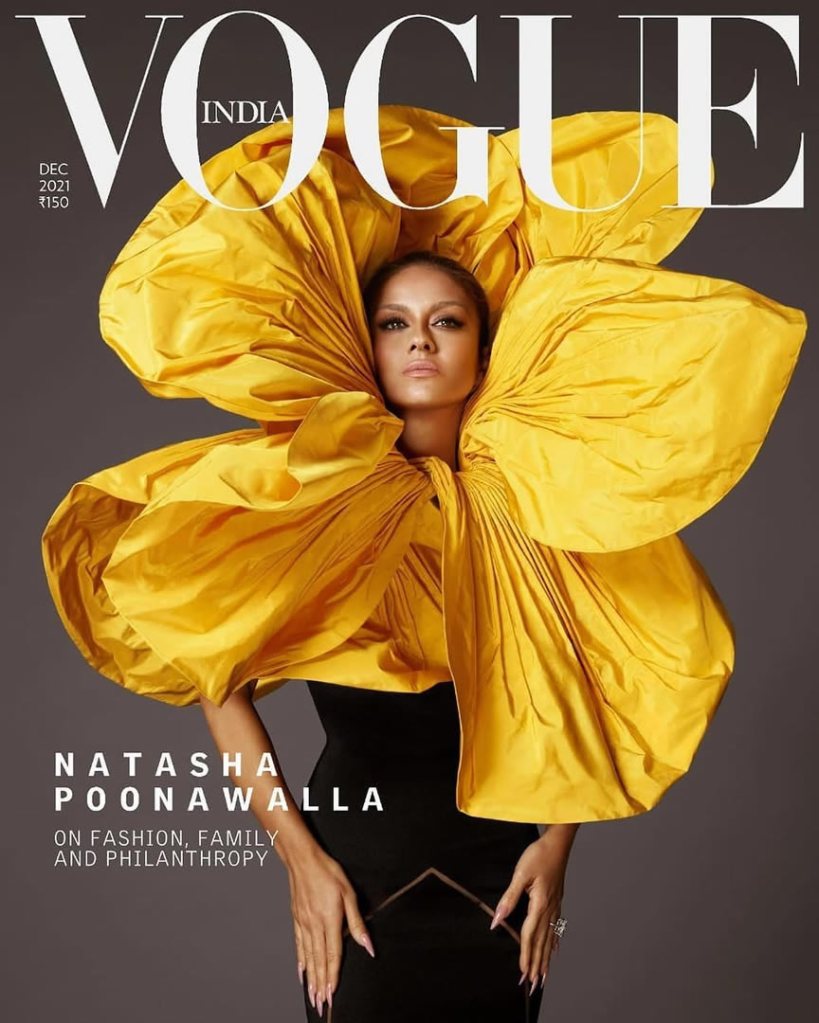
Perhaps the most literal interpretation of “Fashion Is Art” came from Natasha Poonawalla.
- Artist Collaboration: Marc Quinn
- Gown: Domenico Dolce (Dolce & Gabbana)
Her look revolved around a striking orchid pectoral sculpture—a blooming, resin-crafted form that transformed her body into a pedestal for art. The contrast between the rigid sculpture and the fluid white gown created a dynamic interplay between structure and softness.
It wasn’t just worn—it was activated. As Quinn himself suggested, the piece was only completed on the human body.
🏛️ Sudha Reddy: Heritage as Spectacle
Drawing from the architectural and artistic traditions of Hyderabad, Sudha Reddy delivered a regal, narrative-rich ensemble.
- Designer: Manish Malhotra
- Motifs: Tree of Life, metallic embroidery traditions
Her velvet gown, dramatic train, and intricately worked cape felt almost museum-grade in craftsmanship. The use of metals—brass, copper, silver—echoed ancient techniques, grounding the look in deep historical resonance.
✨ The Designer as Auteur: Manish Malhotra
More than a participant, Manish Malhotra emerged as a central force—styling multiple attendees while making his own statement in a structured bandhgala with an architectural cape.
His presence reinforced a key shift: Indian designers are no longer contributors—they are auteurs on the global fashion stage.
🌍 Beyond Fashion: A Statement of Identity
What stood out this year wasn’t just the craftsmanship—it was the intentional storytelling.
Indian attendees leaned into:
- Textiles as narrative
- Jewellery as inheritance
- Silhouettes as cultural dialogue
From Ravi Varma-inspired couture to pan-Indian textile tributes, the red carpet became a site of cultural authorship.
🔥 Final Word
At the Met Gala 2026, India didn’t follow the theme—it expanded it.
In a night dedicated to the idea that fashion is art, Indian celebrities made a compelling case:
Fashion is also memory, identity, and living heritage.
“In a night about fashion as art, India reminded the world that its greatest masterpieces are worn, lived, and remembered.”
 CitiTimes