
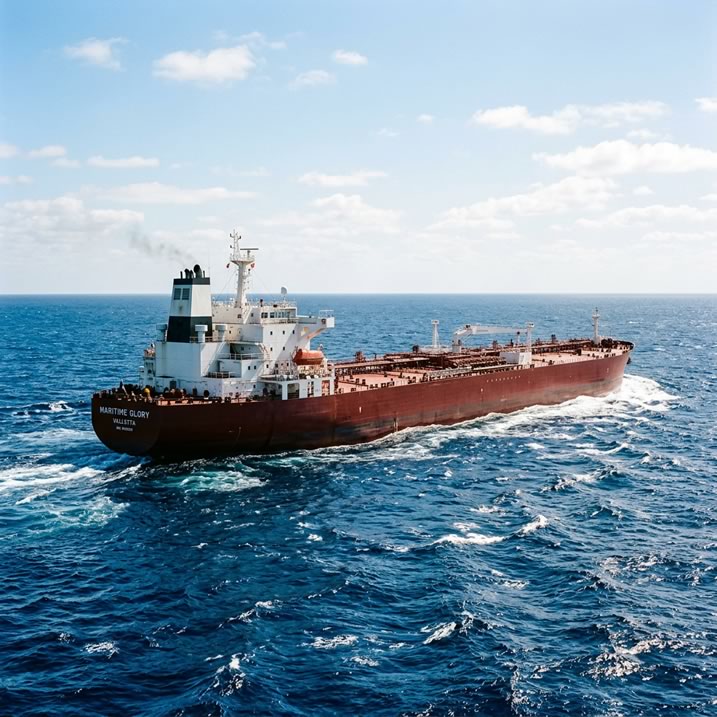
Through Narrow Waters: How MT Sarv Shakti’s Hormuz Passage Signals Relief for India’s Energy Lifeline
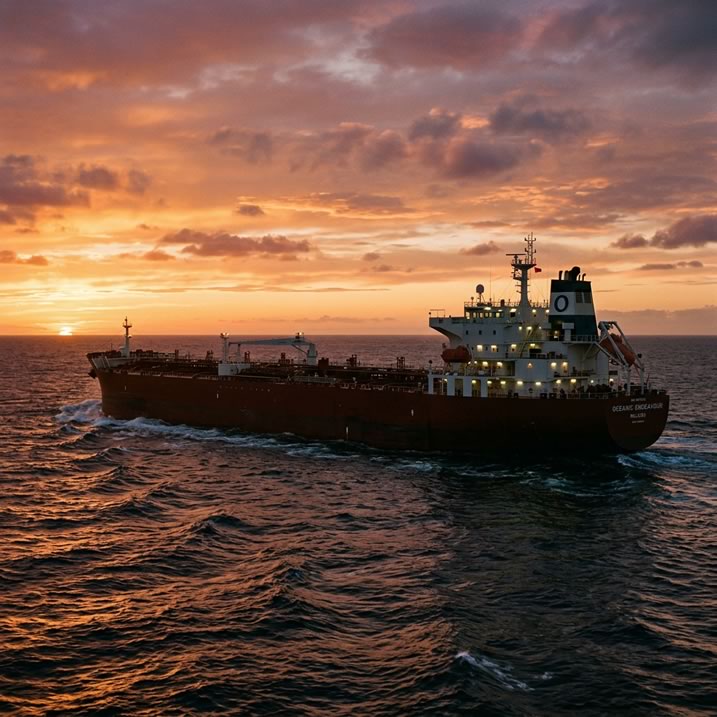
In a moment that quietly underscores both maritime resilience and geopolitical complexity, the LPG tanker Sarv Shakti has successfully navigated one of the world’s most sensitive chokepoints—the Strait of Hormuz—and is now steadily sailing toward Visakhapatnam on India’s eastern coast.
A Vital Cargo, A Critical Journey
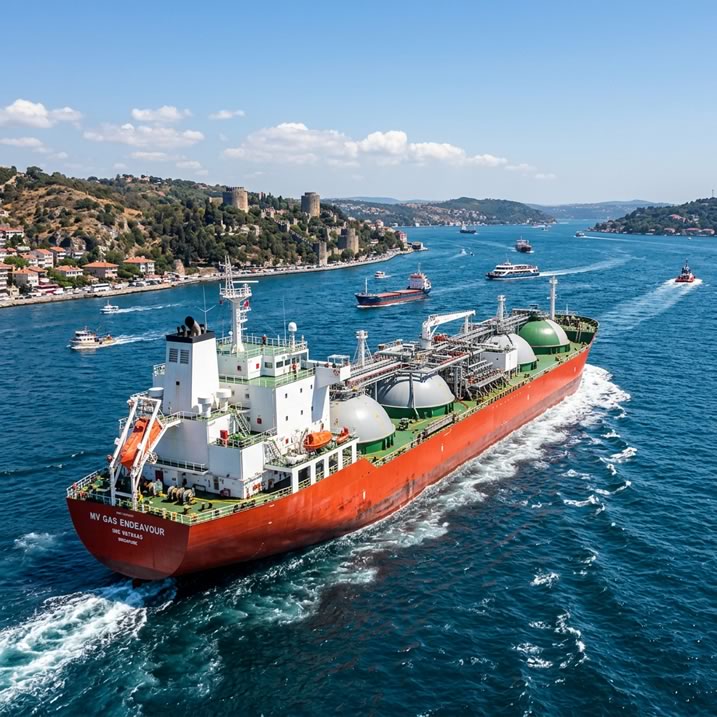
Carrying approximately 46,313 metric tonnes of liquefied petroleum gas (LPG), the Marshall Islands-flagged Very Large Gas Carrier (VLGC) represents far more than just another shipment. LPG remains a cornerstone of household energy consumption across India, powering millions of kitchens and supporting the country’s transition toward cleaner fuels.
On board are 20 crew members, including 18 Indians, navigating a vessel over 226 meters long—a floating supply line whose safe passage has drawn close attention from policymakers and industry observers alike.
As of May 3, 2026, the tanker is moving through the Gulf of Oman into the Arabian Sea, cruising at around 10 knots, with an expected arrival date of May 13.
Sailing Through Tension
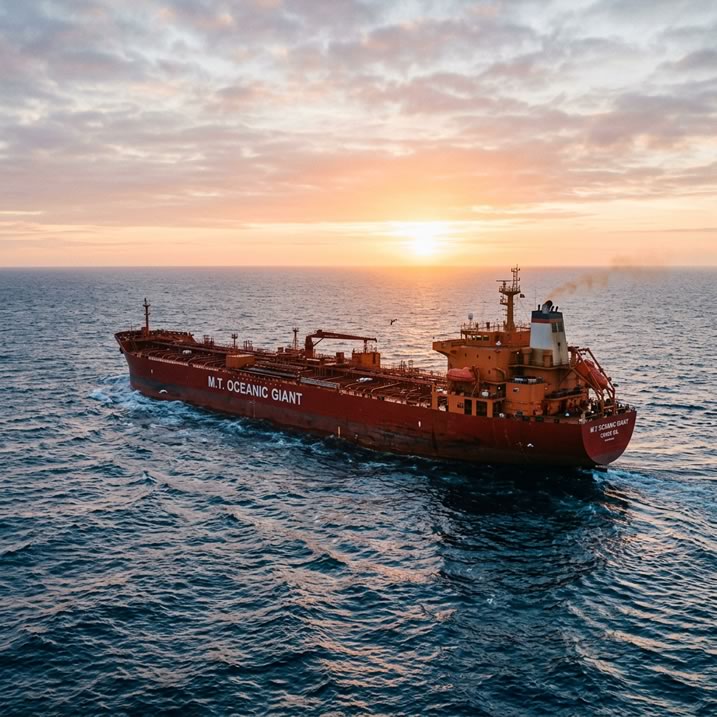
The significance of this voyage lies not just in its destination, but in the waters it has just crossed.
The Strait of Hormuz—through which nearly a fifth of the world’s oil and gas supplies pass—has seen heightened tensions and disrupted shipping activity in recent weeks. A combination of geopolitical friction, military posturing, and restricted maritime movement had effectively slowed tanker traffic to a trickle.
Against this backdrop, Sarv Shakti’s successful transit marks one of the first India-linked LPG movements through the strait after nearly two weeks of severe disruption.
Its route—skirting near Iran’s Larak and Qeshm islands—followed prescribed maritime corridors, reflecting both operational caution and diplomatic balancing.
Energy Security in Motion
For India, the implications are immediate and tangible.
- Supply Stability: The cargo helps sustain LPG availability for domestic consumption, especially critical in a high-demand environment.
- Market Confidence: Continued shipments signal resilience, helping prevent price volatility.
- Strategic Assurance: It demonstrates that even under constrained conditions, energy supply chains remain functional.
The government has simultaneously adopted a multi-pronged strategy—boosting domestic LPG production (reportedly up by ~60%), moderating consumption patterns, and engaging in active diplomatic coordination to ensure safe maritime access.
A Broader Signal
The voyage of Sarv Shakti is not an isolated event—it is part of a gradual reopening of a critical global artery.
Multiple LPG carriers have begun transiting the region in recent days, suggesting cautious normalization. Notably, there have been no reported incidents involving Indian vessels or seafarers, reinforcing confidence in the safety of current operations.
Watching the Horizon
Live tracking platforms such as MarineTraffic and VesselFinder continue to follow Sarv Shakti’s progress as it advances toward India. Each nautical mile covered is more than just movement—it is reassurance.
In an era where energy security is increasingly shaped by geopolitics, logistics, and diplomacy, this voyage stands as a reminder: even in turbulent waters, the engines of global trade—and national resilience—keep moving.
“In the narrow waters of Hormuz, the safe passage of a single tanker can carry the weight of a nation’s energy security.”
 CitiTimes