
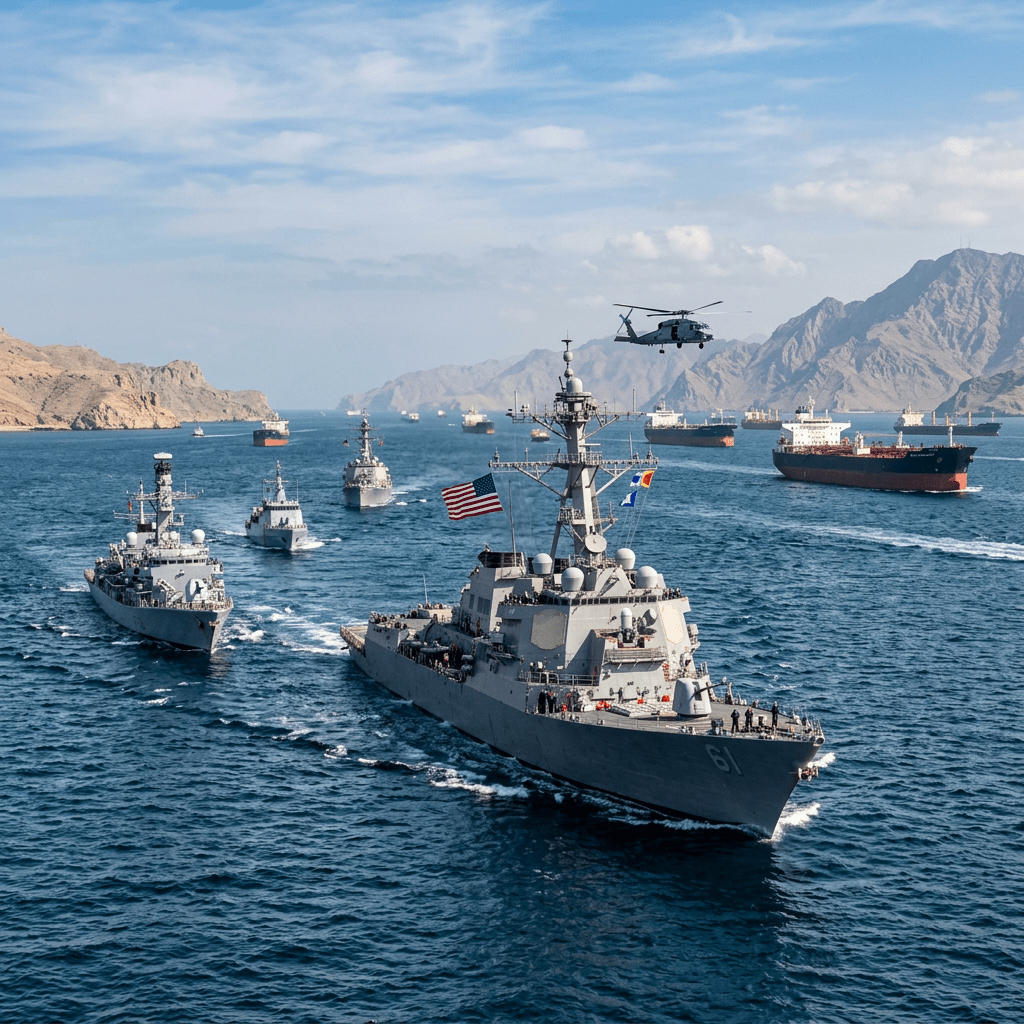
Trump’s Order Raises the Stakes in Hormuz
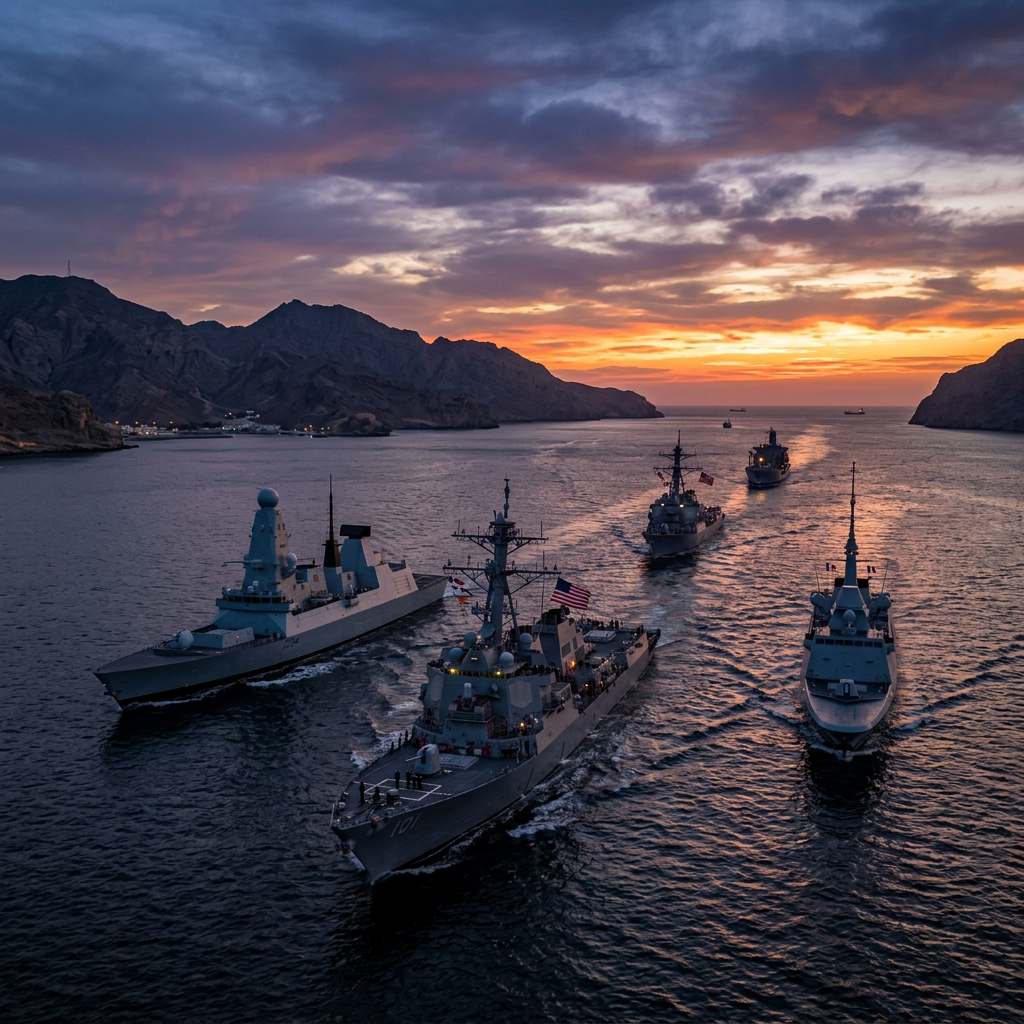
The crisis in the world’s most sensitive energy corridor has just taken a sharp turn.
On April 23, 2026, Donald Trump publicly ordered the U.S. Navy to stop Iranian small boats found deploying naval mines in the Strait of Hormuz—a directive that signals a shift from deterrence to immediate enforcement.
It’s not just rhetoric. It’s a rules-of-engagement change with real consequences.
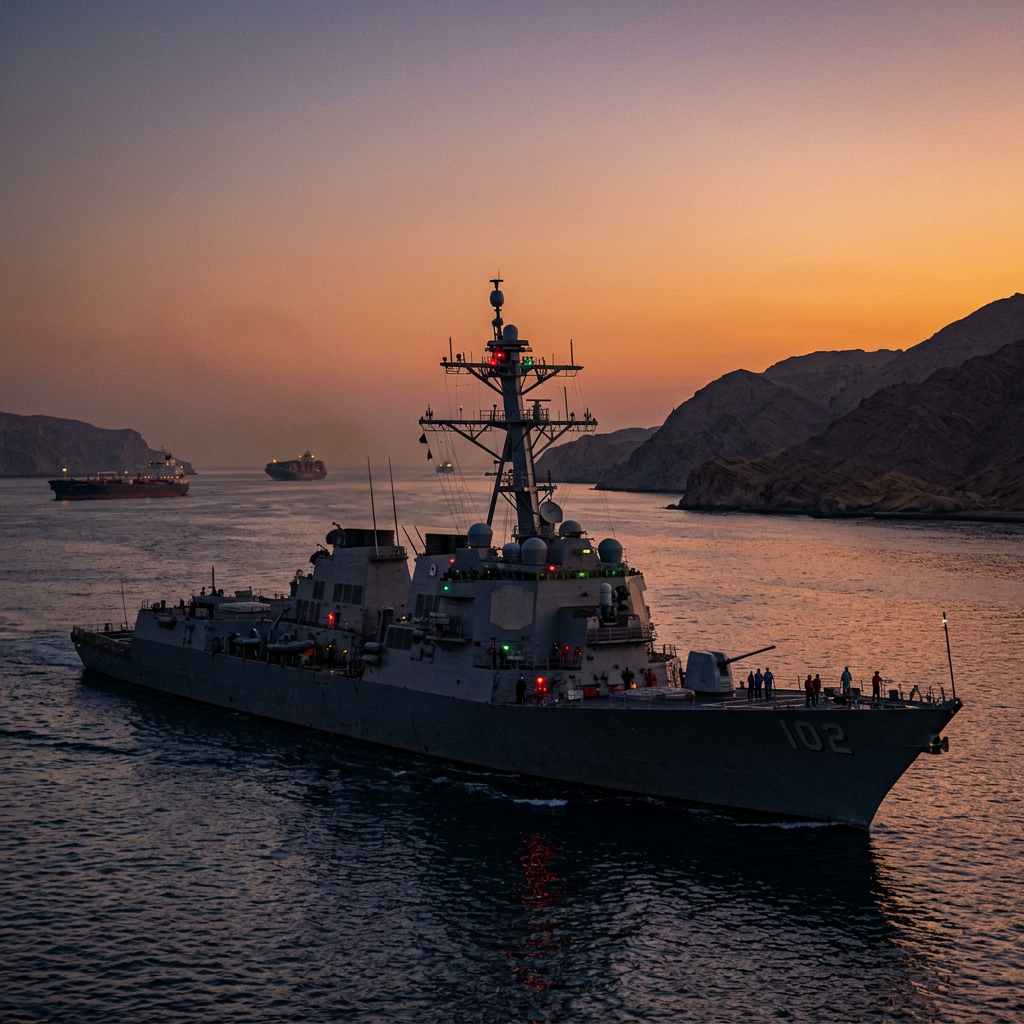
The Order That Changes the Equation
In a Truth Social post, Trump left no room for ambiguity: any small boat laying mines is now a direct target, with “no hesitation” permitted. He also confirmed that U.S. mine-clearing operations are underway at “tripled” intensity.
This comes on the heels of a bold escalation by Iran. On April 22, forces linked to the Iranian Navy attacked three cargo vessels in the strait, seizing two. Tehran framed the operation as enforcement against ships, but the message was unmistakable: Iran is willing—and able—to choke maritime traffic.
Washington’s response is equally unmistakable.
Why Hormuz Matters So Much
The Strait of Hormuz is not just another maritime route. Roughly 20% of the world’s traded oil and gas flows through this narrow passage.
Disrupt it, and you don’t just trigger regional instability—you shake global energy markets, insurance systems, and supply chains.
Since the outbreak of the U.S.-Iran conflict on February 28, shipping has already been heavily disrupted. A fragile ceasefire—holding since April 8—has done little to restore confidence. Tankers remain cautious, insurers remain wary, and every incident compounds the risk premium.
Now, with mines entering the equation, the situation becomes exponentially more complex.
A Wider Military and Strategic Push
The order didn’t come in isolation.
On the same day:
- U.S. forces seized an oil tanker (the Majestic X) in the Indian Ocean over alleged sanctions violations
- Video footage showed American troops boarding the vessel
- The Pentagon confirmed three aircraft carriers are now operating in the broader region
This is a full-spectrum pressure campaign: naval dominance, economic enforcement, and now, direct engagement authority.
Meanwhile, Washington insists the strait must be fully reopened. Tehran insists the U.S. blockade must end first. That deadlock remains the core of the crisis.
Ceasefire in Name Only?
Technically, a ceasefire is still in place.
Practically, it’s fraying.
There’s been no immediate Iranian response to the Trump order—but that silence shouldn’t be mistaken for de-escalation. Iranian officials have repeatedly vowed to defend their position in the strait, and each new U.S. move raises the stakes.
This is what makes the moment so volatile:
- Tactical encounters now carry strategic consequences
- A single miscalculation could collapse the ceasefire entirely
- Naval skirmishes could rapidly escalate into broader conflict
Global Ripple Effects
So far, oil markets have reacted unevenly—caught between ongoing disruptions and uncertainty about how far this will go.
But maritime experts are already warning of longer-term consequences:
- Elevated shipping insurance premiums
- Continued reluctance from commercial carriers
- Persistent instability, even if diplomacy resumes
More than 30 vessels have already been seized since the conflict began. Add mines and target rules into that mix, and the risk profile shifts dramatically.
The Bottom Line
This isn’t just another escalation—it’s a doctrinal shift.
By authorizing immediate action against mine-laying boats, Donald Trump has effectively redrawn the operational boundaries in the Strait of Hormuz.
The goal is clear: keep the waterway open at any cost.
The danger is equally clear: in a corridor this tight, and a standoff this tense, even a single spark can travel very far, very fast.
 CitiTimes