
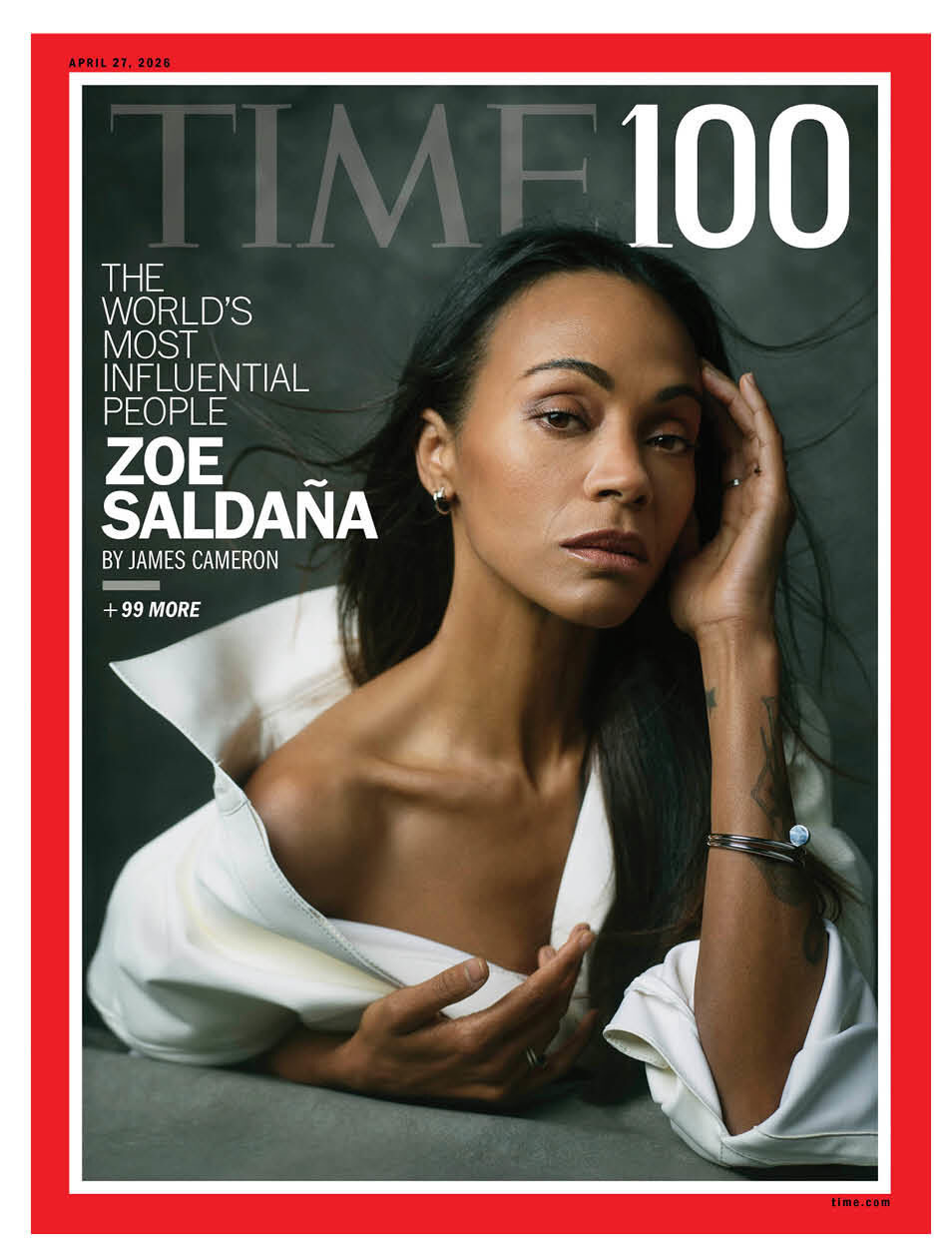
TIME100 2026: The New Anatomy of Influence
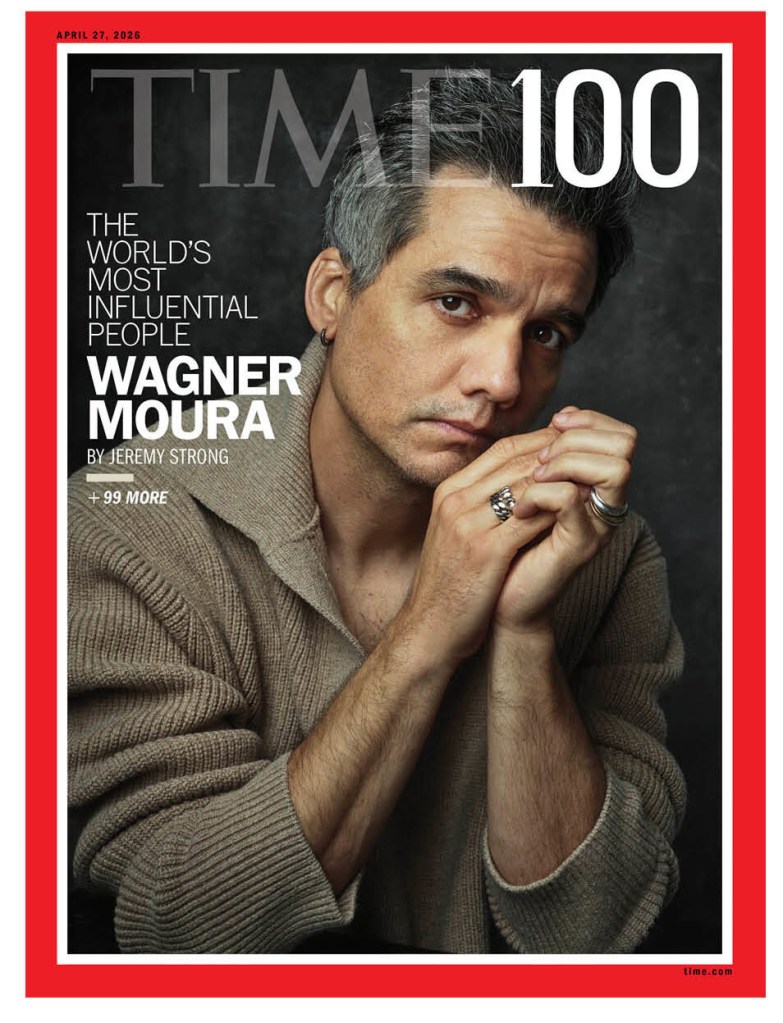
By CitiTimes Editorial Desk
TIME has revealed the 2026 TIME100, its annual list of the 100 most influential people in the world.
Influence used to be easy to spot. It wore a title, held office, commanded institutions.
Not anymore.
The 2026 TIME100 list doesn’t just catalog power—it dismantles it, reshapes it, and redistributes it across a world where attention is currency, narrative is leverage, and relevance is constantly renegotiated.
Power Is No Longer a Position
The presence of figures like Xi Jinping and Donald Trump might suggest continuity. But look closer—and the ground is shifting.
They now share space with:
- MrBeast (American YouTuber), who commands more daily attention than most heads of state
- Sundar Pichai (CEO of Google), shaping the architecture of the AI-era information
- Dolores Huerta (American labor leader and civil rights activist), whose decades-long activism still reverberates at 96
This is not a list of hierarchy. It’s a map of impact—fragmented, fluid, and fiercely contested.
The Collapse of Silos
Politics, culture, technology, activism—these used to be separate arenas.
TIME100 2026 erases those boundaries.
An AI leader like Dario Amodei now influences geopolitics.
A creator like MrBeast shapes philanthropy and public behavior.
An artist like Zoe Saldaña becomes a global narrative force.
Influence is no longer vertical. It’s networked.
And in that network, unexpected nodes matter most.
Validation Is the New Power
TIME’s signature “pairings” reveal something deeper than admiration—they expose how influence is legitimized.
- Taylor Swift on Dakota Johnson
- Oprah Winfrey on Ralph Lauren
- Martin Scorsese on Pope Leo XIV
Influence today is not self-declared. It is conferred by peers, by audiences, by ecosystems of attention.
Recognition is power. But who does the recognizing may matter even more.
Fame Is Not Influence—But It Helps
Consider the cultural layer of the list:
Benicio Del Toro, Victoria Beckham, Kate Hudson.
They are not policymakers. Yet they shape aspiration, identity, and global taste.
In 2026, soft power doesn’t whisper—it scales.
And increasingly, it travels faster than policy ever can.
The Extremes Tell the Story
At 20, Alysa Liu (American figure skater) represents acceleration—how quickly influence can be acquired now.
At 96, Dolores Huerta (American labor leader and civil rights activist) embodies endurance—how long it endures.
Between them lies the real story: influence is no longer linear. It is volatile, compressible, and, at times, fleeting.
The Quiet Rise of India
India doesn’t dominate the list—but it doesn’t need to.
The inclusion of Vikas Khanna signals something subtler: cultural influence that travels without announcement.
No slogans. No declarations.
Just presence—expanding, embedding, enduring.
Influence as a Live Event
The TIME100 is no longer a static list—it’s an ecosystem.
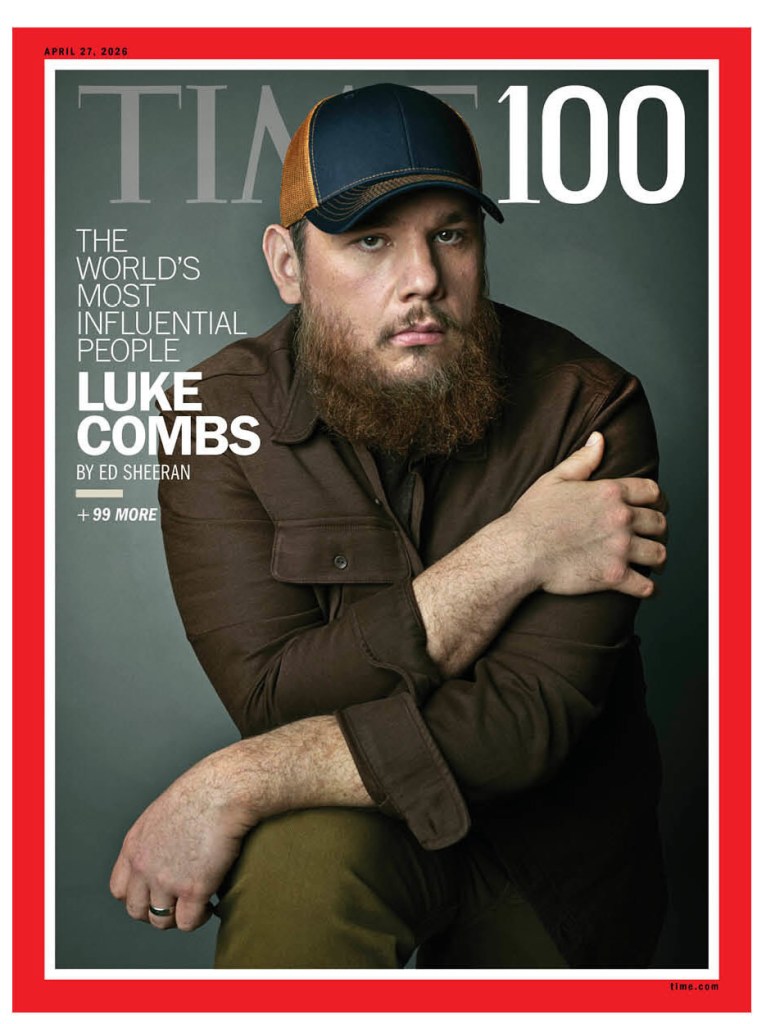
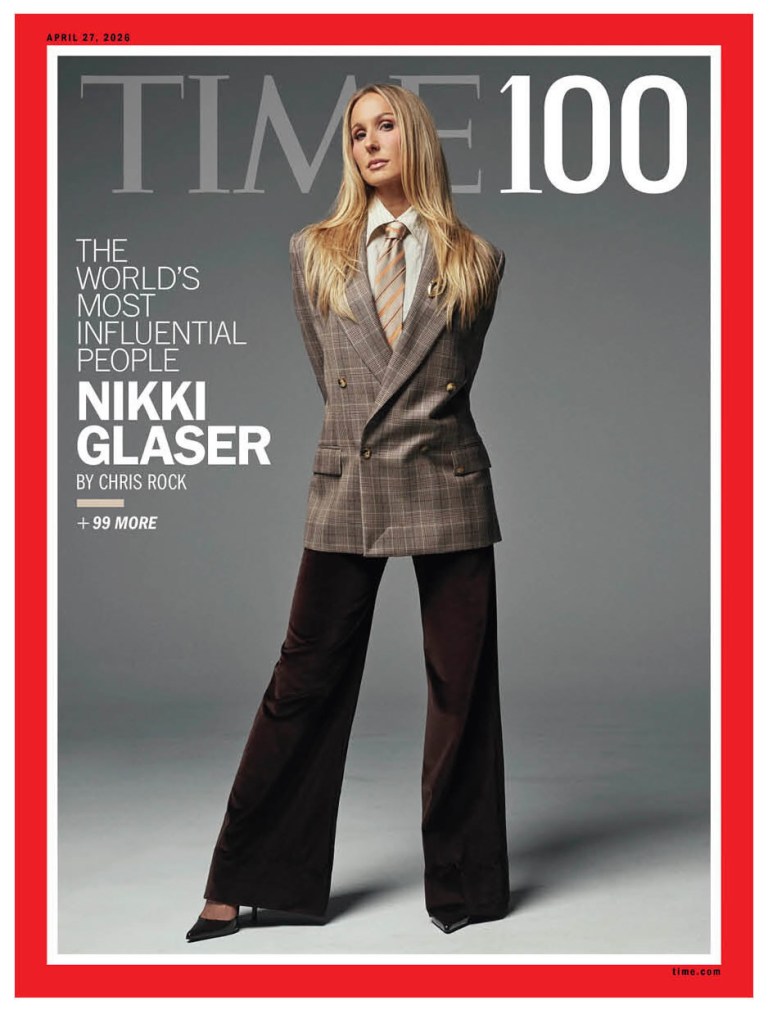
With the Summit and Gala in New York, hosted by Nikki Glaser and featuring Luke Combs and Coco Jones, influence becomes performative, collaborative, and visible in real time.
Power doesn’t just exist. It convenes.
The Only Question That Matters
TIME poses it quietly—but it lingers:
Who here will still matter in 50 years?
History suggests most names will fade. A few will endure. And some—unexpectedly—will redefine the future entirely.
That uncertainty is the point.
Because in 2026, influence isn’t a status.
It’s a moving target.
“In 2026, influence doesn’t belong to institutions—it belongs to those who can command attention, shape narratives, and survive relevance.”

