
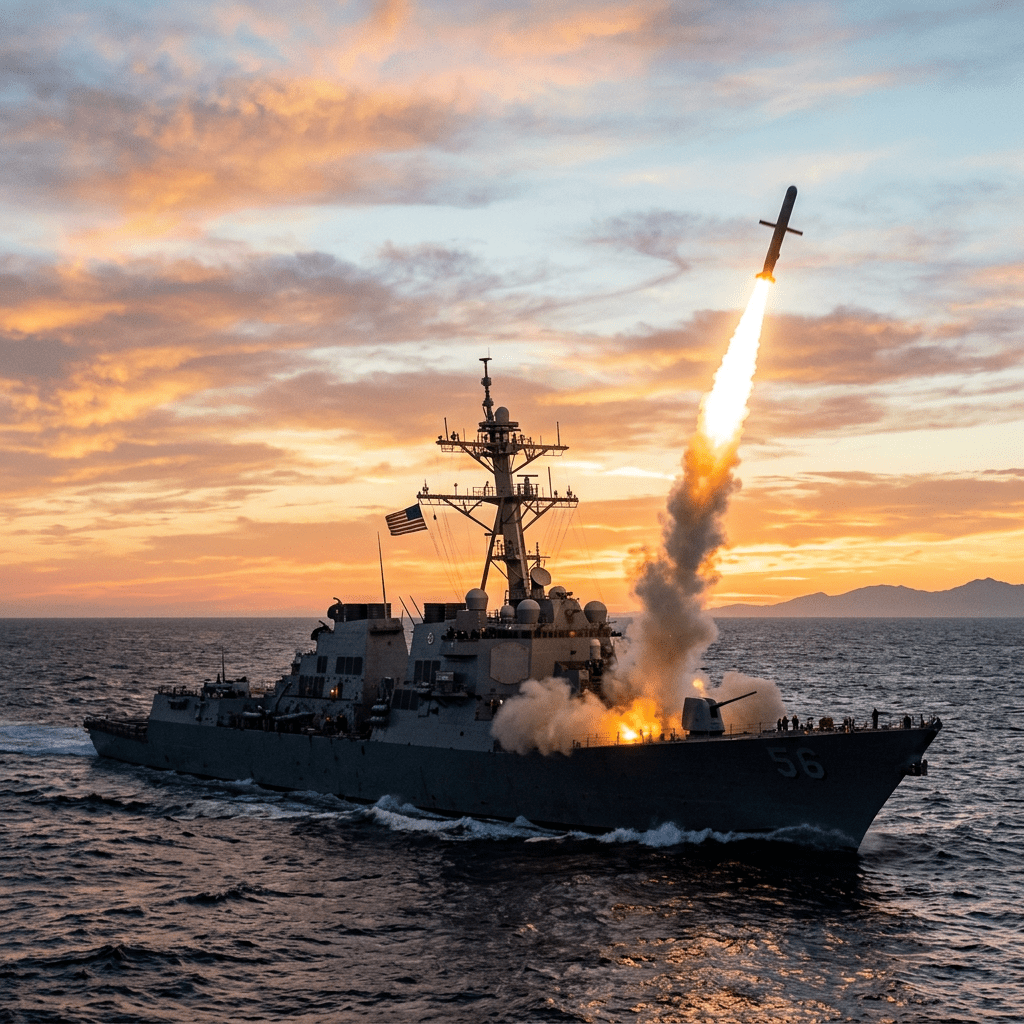
Hormuz Under Siege: What the US Naval Blockade Means for India
No closure. No chaos—yet. But in Hormuz, even a “limited” blockade is enough to rattle India’s economic core.
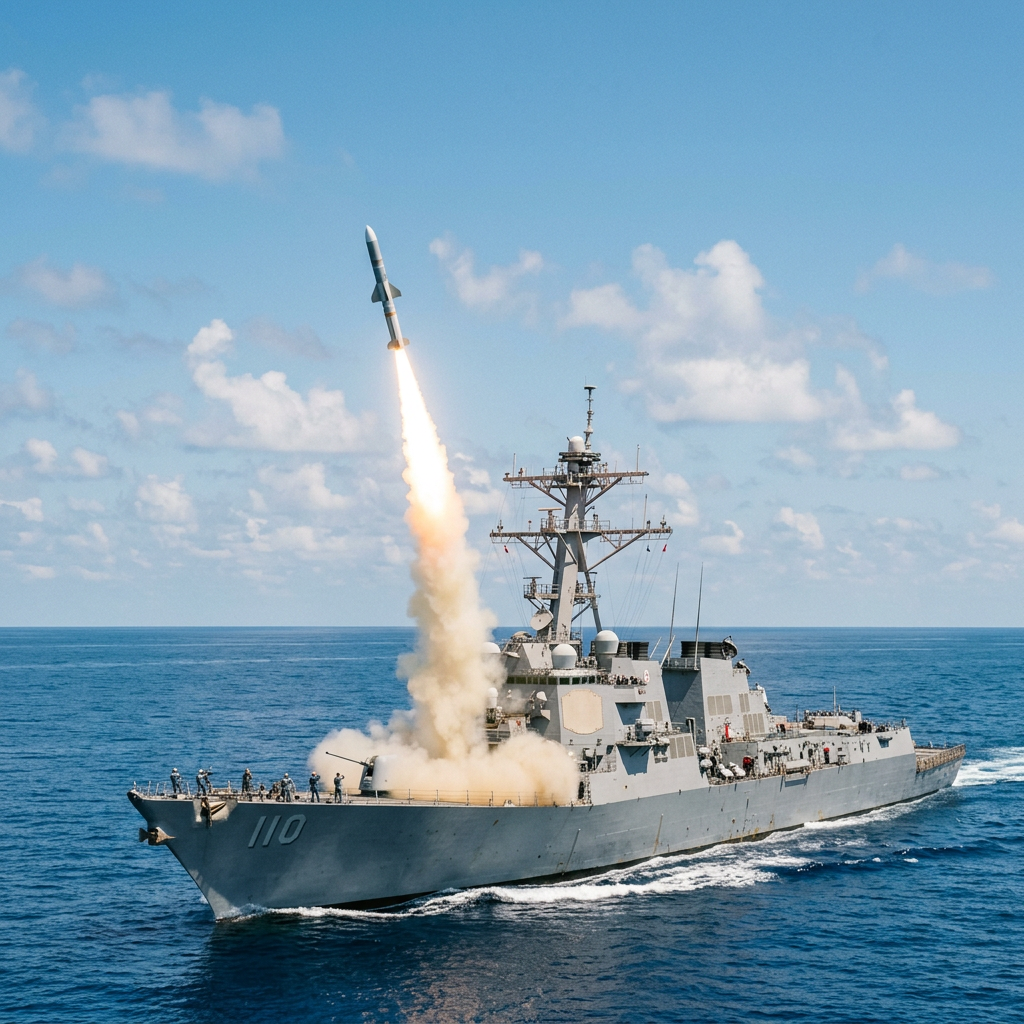
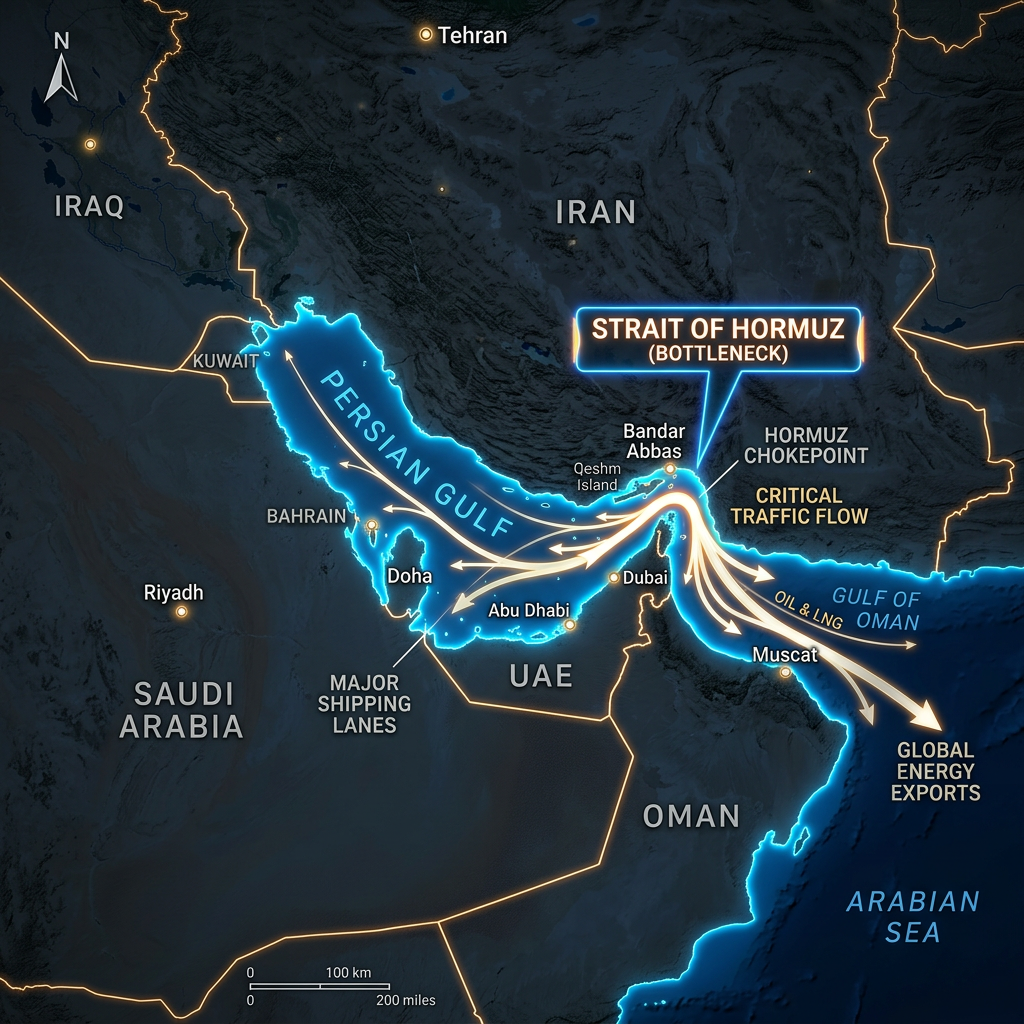
The Strait of Hormuz—that narrow maritime artery through which nearly 20% of the world’s oil flows—has once again become the epicenter of geopolitical confrontation. But this time, the disruption isn’t a closure by Iran. It is a calibrated blockade led by the United States, with consequences that ripple far beyond West Asia—straight into India’s economic and strategic bloodstream.
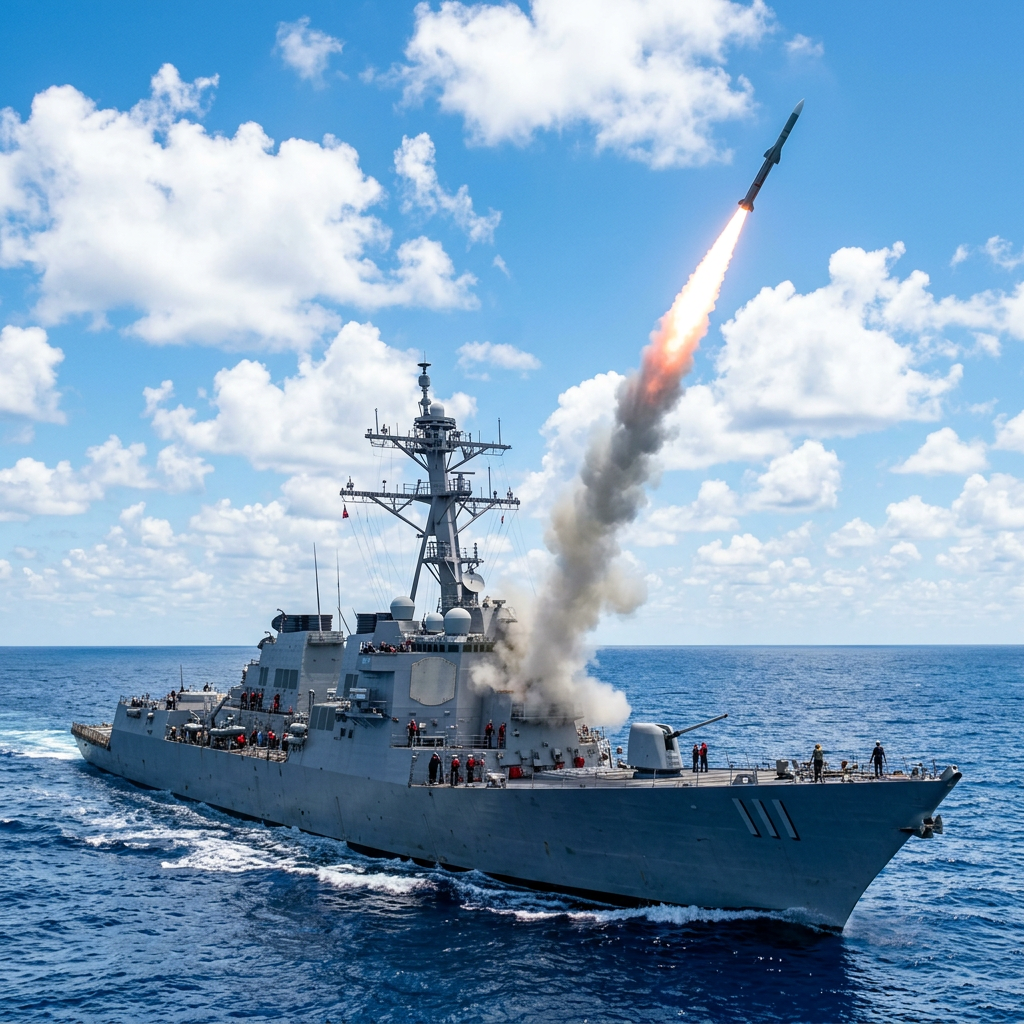
The First Shot Across the Bow
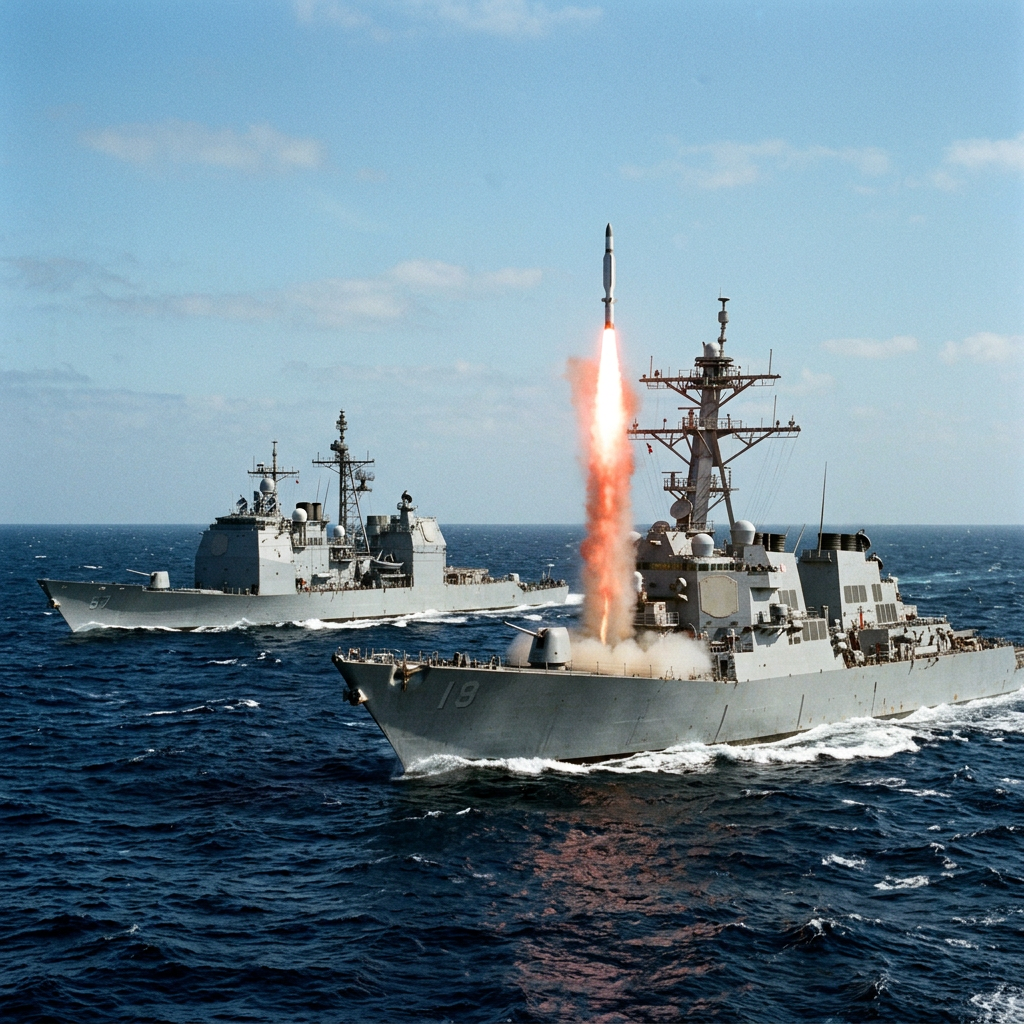
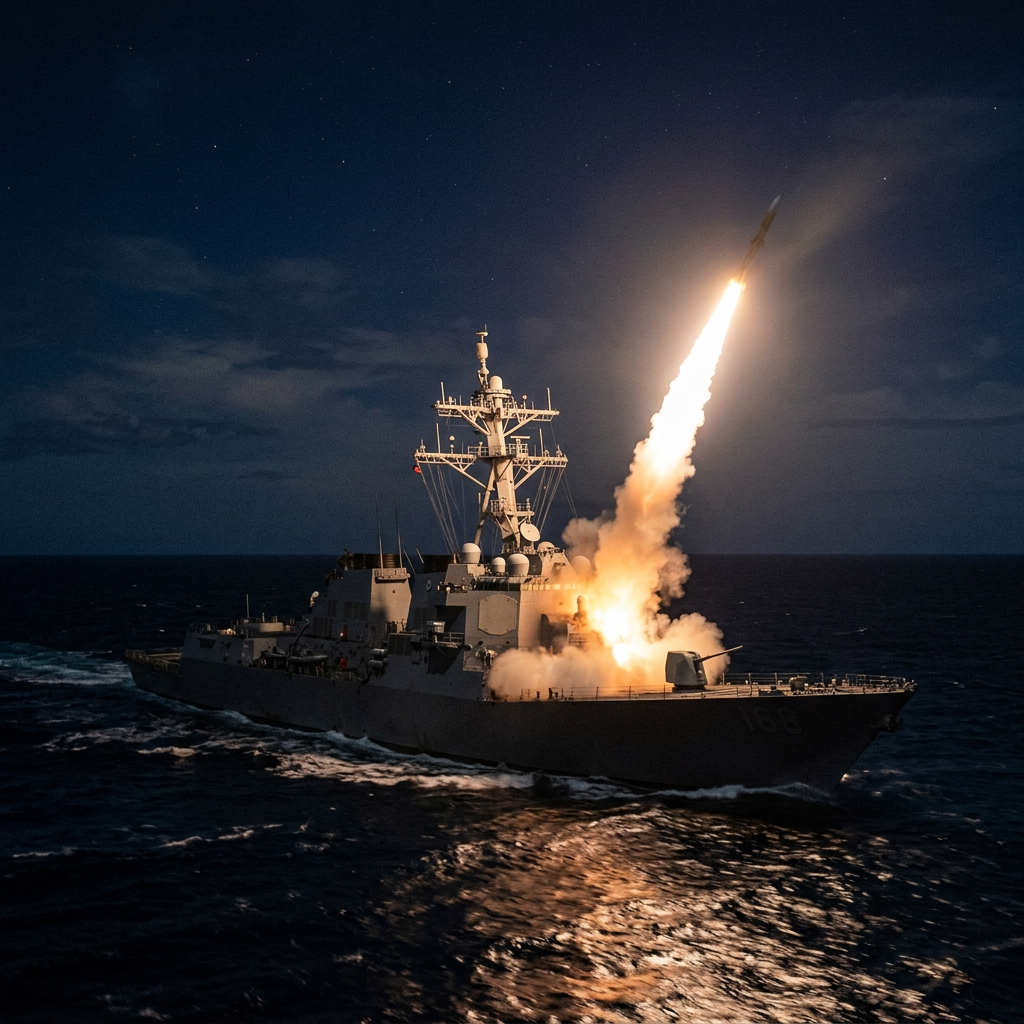
On April 14, 2026, a US Navy destroyer halted two oil tankers departing Iran’s Chabahar Port, ordering them to turn back. Within the first 24 hours of enforcement:
- Six vessels attempting to exit Iranian waters were intercepted
- Zero ships successfully crossed the blockade
- Compliance was total—at least for now
This wasn’t a symbolic move. It was the operational enforcement of a blockade announced just a day earlier by Donald Trump following the collapse of ceasefire talks in Islamabad.
The message: Iran’s oil exports are now a controlled flow—and the US holds the valve.
A “Selective” Blockade—Or Strategic Strangulation?
Unlike a full maritime choke, this blockade is surgically targeted:
- Ships linked to Iranian ports → Turned back
- Ships merely transiting the Strait → Allowed
This distinction is crucial. It gives the US a legal and diplomatic shield—appearing compliant with international maritime norms—while still exerting maximum economic pressure on Iran.
Backed by:
- 10,000+ US personnel
- Dozens of aircraft
- Over a dozen warships, including the USS Abraham Lincoln (CVN-72) carrier strike group
…the blockade is not just enforceable—it is overwhelmingly dominant.
India’s Strategic Dilemma: Between Oil and Optics
For India, this is not a distant naval maneuver. It is a direct strategic shock.
1. Energy Security at Risk
India imports over 80% of its crude oil, much of which has historically been routed through the Gulf. Even if Iranian oil is already under sanctions, the disruption:
- Tightens global supply
- Raises freight and insurance costs
- Pushes oil prices upward
For a price-sensitive economy, this is immediate inflationary pressure.
2. The Chabahar Conundrum
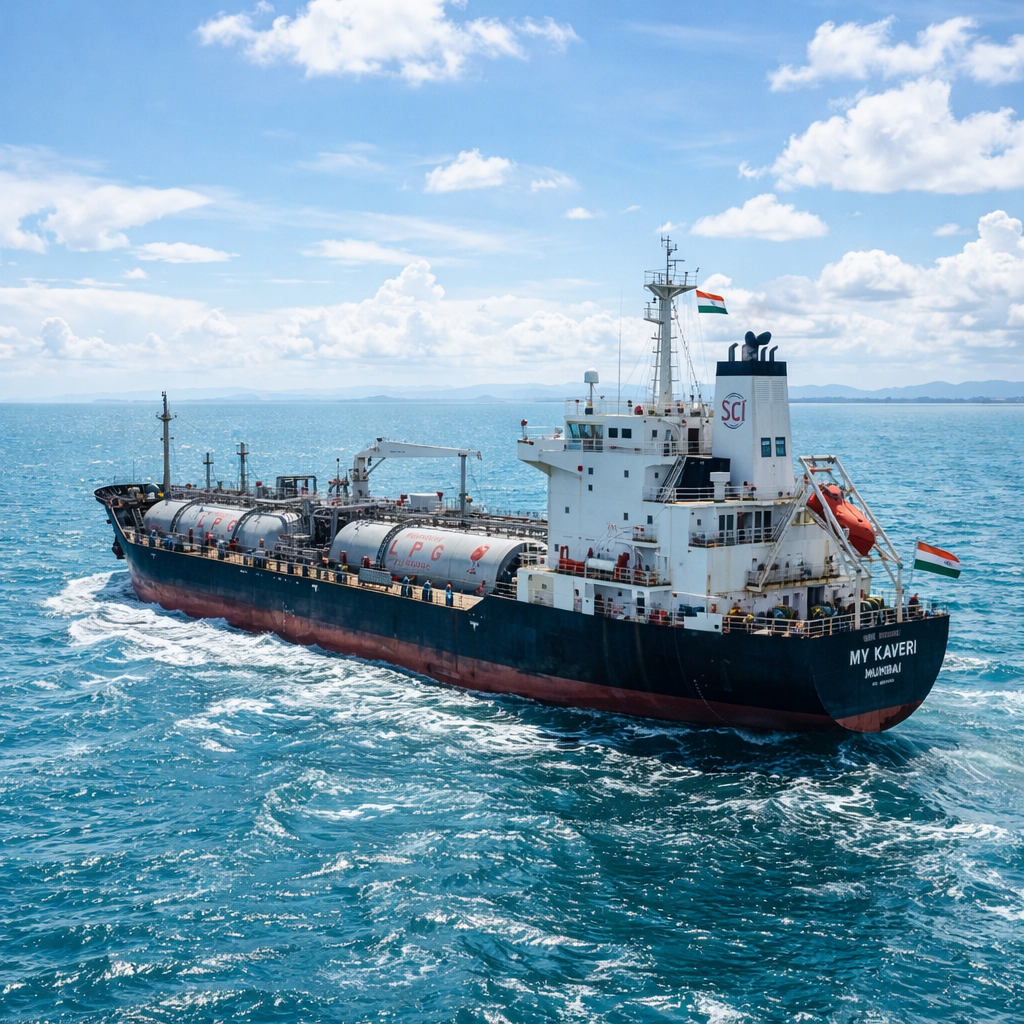
India has invested heavily in Iran’s Chabahar Port—a strategic gateway to Afghanistan and Central Asia, bypassing Pakistan.
Now, paradoxically:
- The port is Iranian
- The blockade targets Iranian-linked shipping
- India’s investment risks becoming collateral damage
Even if humanitarian or strategic exemptions emerge, operational uncertainty alone could cripple its viability.
3. Strategic Balancing Act
India finds itself navigating a tightrope between:
- Its strategic partnership with the United States
- Its historic ties with Iran
- Its non-aligned diplomatic posture
Openly opposing the blockade risks friction with Washington. Supporting it undermines regional autonomy and long-term connectivity goals.
This is classic Indian foreign policy territory—but under extraordinary pressure.
Global Oil, Local Pain
The US insists the blockade is “narrowly tailored” to avoid global disruption. But markets respond to risk, not intent.
Already:
- Tankers are rerouting or hesitating
- Insurance premiums are spiking
- Traders are pricing in escalation risk
Even without a full closure, Hormuz is now a zone of uncertainty—and uncertainty is expensive.
Iran’s Next Move: Asymmetry Over Escalation
Iran’s conventional naval strength may be weakened, but it retains:
- Mines
- Fast attack craft
- Proxy leverage in the region
Tehran has already warned of retaliation targeting Gulf infrastructure. Any such move could:
- Expand the conflict footprint
- Trigger counter-escalation
- Drag global shipping into deeper chaos
The Legal Grey Zone
Is this blockade legal?
Technically:
- It targets specific belligerent-linked shipping
- It has been formally declared and communicated
This places it within a defensible interpretation of naval warfare law, but only just.
The broader question isn’t legality. It’s precedent.
If major powers begin selectively blockading economic arteries under “limited war” doctrines, global trade norms may fundamentally shift.
What Should India Do Now?
India’s response will likely be quiet, calculated, and multi-layered:
- Diversify crude sourcing (Russia, US, Africa)
- Strategically use reserves to cushion price shocks
- Engage diplomatically with both Washington and Tehran
- Insulate Chabahar through negotiations or carve-outs
But more fundamentally, this crisis reinforces a long-term lesson:
India’s energy security cannot remain hostage to distant chokepoints.
Conclusion: A Blockade That Redraws the Map
The US blockade of Iranian-linked shipping in the Strait of Hormuz is not just a tactical move—it is a geopolitical signal.
It signals that:
- Economic warfare is now maritime and immediate
- Strategic chokepoints are active battlefields
- Middle powers like India must adapt faster than ever
For India, the question is no longer whether Hormuz matters.
It is whether India can outgrow its dependence on it—before the next crisis hits harder.
“When the world’s most critical oil artery tightens, India doesn’t just watch—it pays.”

