
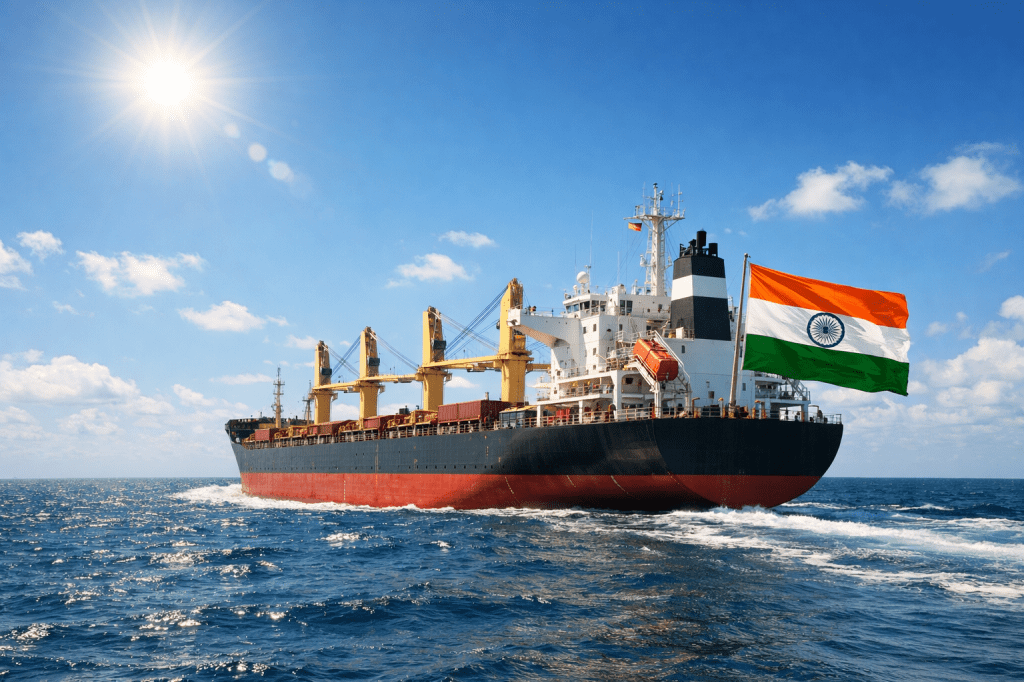
Through the Narrow Strait: India’s Quiet Assertion of Energy Sovereignty
How a handful of tankers navigating a warzone reveal the depth of India’s strategic maturity
By CitiTimes Editorial Desk
In moments of geopolitical rupture, power rarely announces itself with spectacle. More often, it moves quietly—across sea lanes, through diplomatic backchannels, and in decisions that never make headlines.
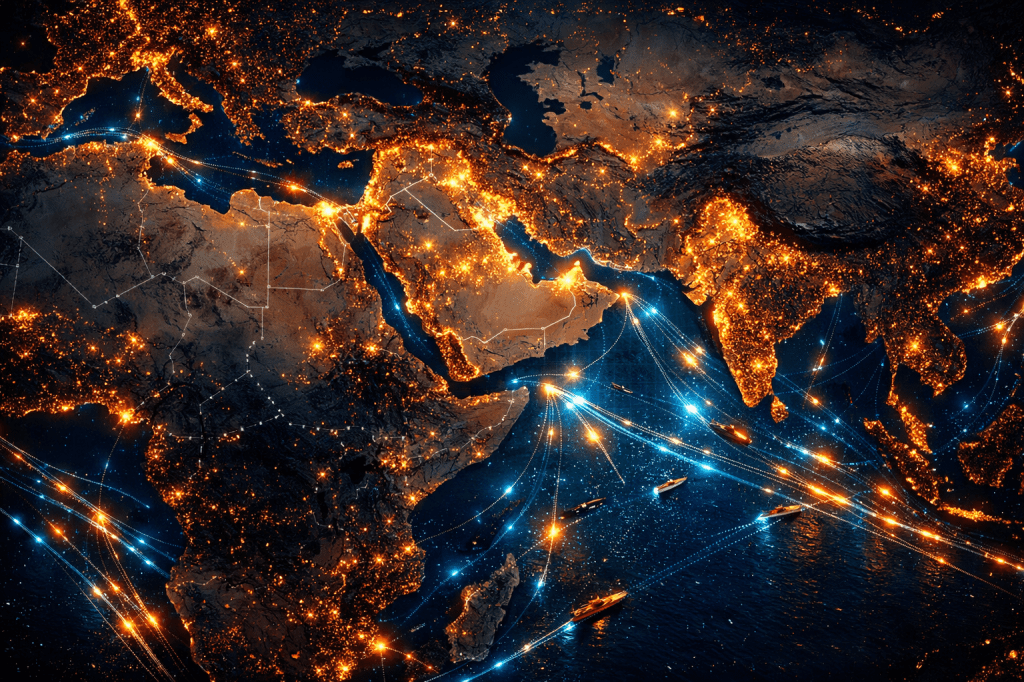
Since the outbreak of the Iran–US conflict in late February 2026, the Strait of Hormuz has once again become the world’s most dangerous artery. Insurance premiums surged, shipping routes thinned, and global energy markets convulsed. Yet, amid this uncertainty, India has done something both simple and profound: it has kept the energy flowing.
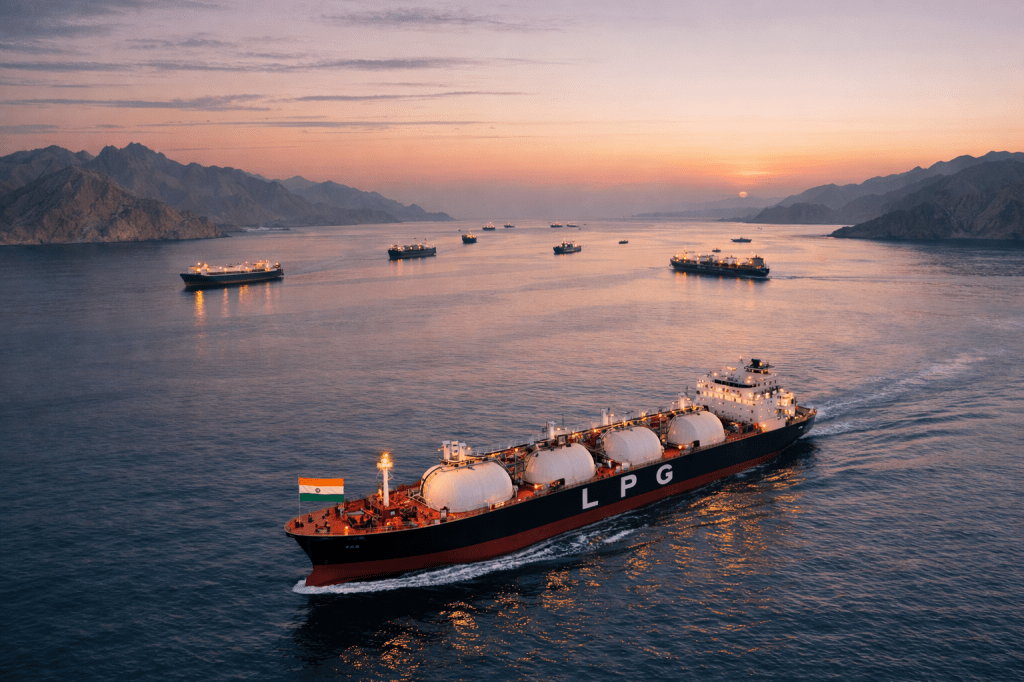
Eight Indian-linked LPG carriers have crossed the Strait in the weeks since hostilities escalated. Most have already discharged their cargo at Indian ports; the rest completed their journeys in early April. There were no incidents, no detentions, no disruptions.
That absence of drama is precisely the story.
The Geography of Risk, The Discipline of Response
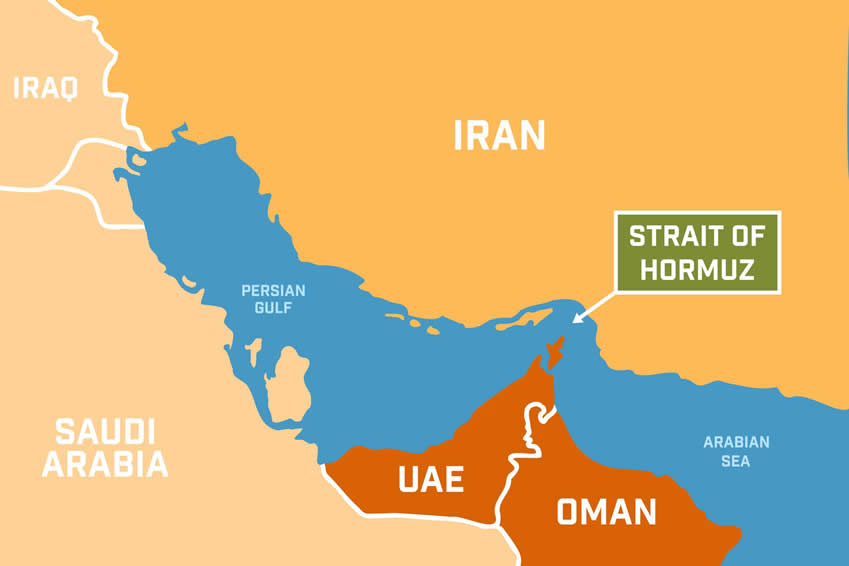
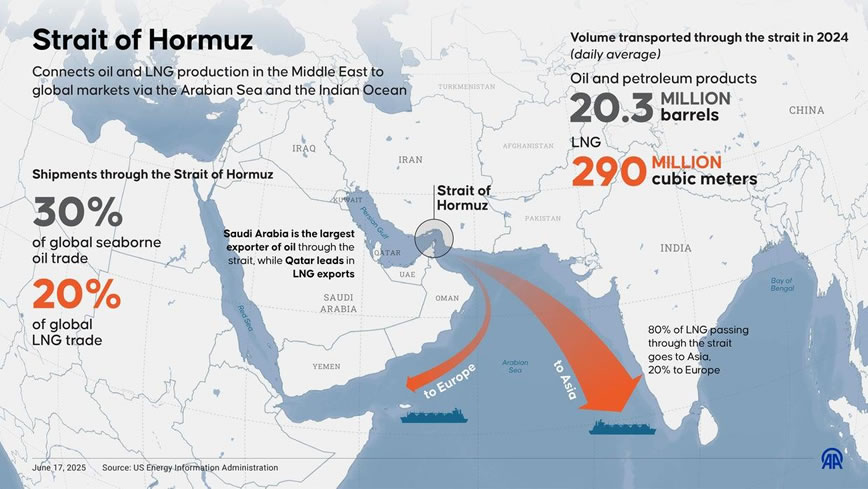
The Strait of Hormuz is not merely a waterway—it is a structural vulnerability in the global economy. Roughly one-fifth of the world’s energy supply passes through this narrow corridor. For India, heavily reliant on imported hydrocarbons, Hormuz is less a route than a lifeline.
In such a context, the successful passage of Indian vessels—Shivalik, Nanda Devi, Jag Vasant, Pine Gas, BW TYR, BW ELM, Green Sanvi, and Green Asha—is not a logistical footnote. It is a strategic outcome.
Each transit required calibrated timing, real-time intelligence, and above all, political assurance. That assurance came through sustained diplomatic engagement, particularly with Iran, which enabled Indian vessels to be classified as non-hostile, thereby permitting safe passage.
At a time when escalation could easily have spilled over into maritime interdictions, India ensured that its ships were neither provocative nor vulnerable.
🚢 Vessels That Have Safely Arrived in India
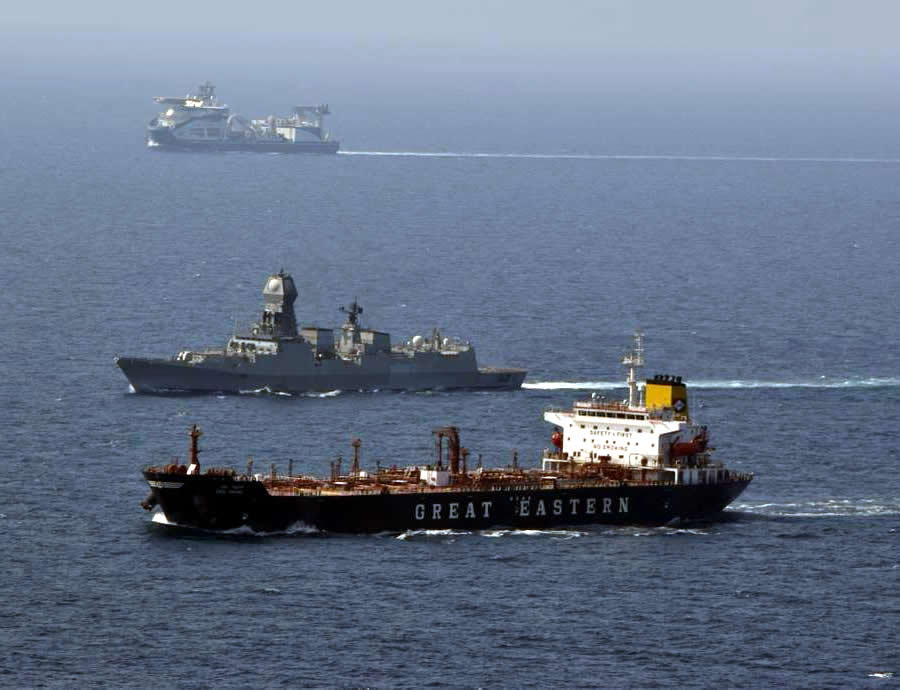
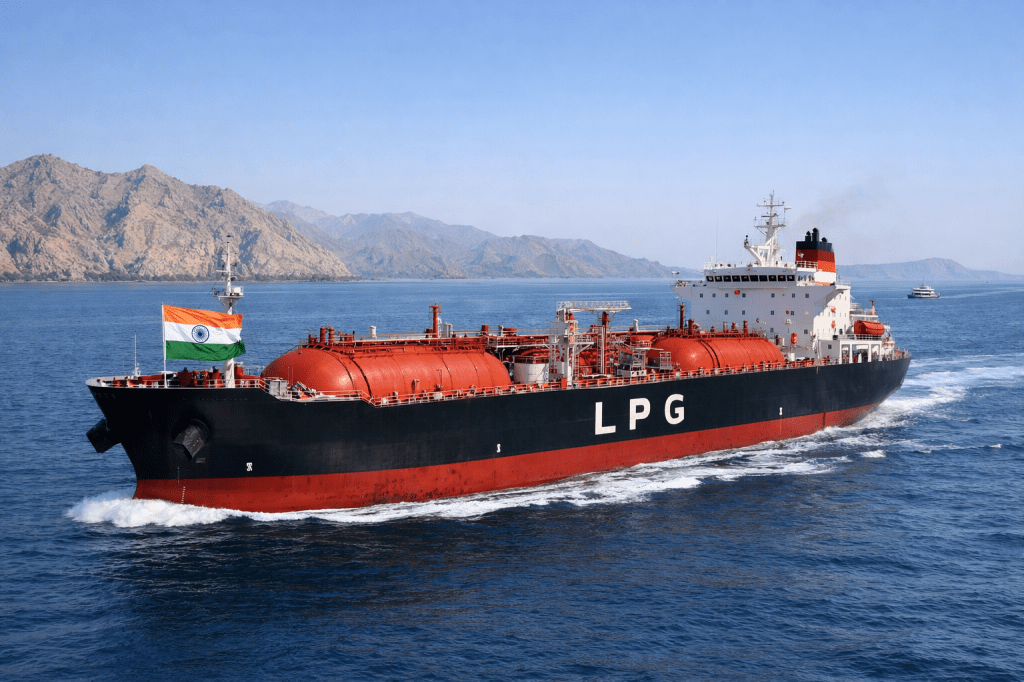
Six major LPG carriers have already completed their journeys, delivering essential cargo to Indian ports:
1. Shivalik (Shipping Corporation of India)
- Crossed: March 13–14
- Arrival: Mundra (March 16)
- Cargo: LPG (part of ~46,000+ tonnes with Nanda Devi)
2. Nanda Devi (Shipping Corporation of India)
- Crossed: March 13–14
- Arrival: Vadinar (March 17)
3. Jag Vasant (Great Eastern Shipping)
- Crossed: March 23
- Arrival: Vadinar (March 27)
- Cargo: Part of ~92,000+ tonne LPG shipment
4. Pine Gas (Seven Islands Shipping)
- Crossed: March 23
- Arrival: Visakhapatnam (April 2, after diversion from New Mangalore)
5. BW TYR (VLGC)
- Crossed: March 28
- Arrival: Mumbai (March 31)
- Cargo: LPG (~94,000 tonnes combined with BW ELM)
6. BW ELM (VLGC)
- Crossed: March 28
- Arrival: Ennore (April 4, diverted from New Mangalore)
These arrivals ensured steady LPG supplies at a time when global energy markets were under severe strain.
Tankers En Route (or Recently Arrived)
Two additional vessels made their way through the Strait in early April:
7. Green Sanvi (MOL India)
- Crossed: April 3
- Cargo: ~46,650 tonnes LPG
- Status: Likely arrived around April 7–9
8. Green Asha (MOL India)
- Crossed: April 5
- Cargo: ~15,400–15,500 tonnes LPG
- Status: Arriving or just arrived by April 9
These voyages represent the latest wave in India’s sustained maritime lifeline through the Strait of Hormuz.
A Doctrine Without Declaration
India has not announced a doctrine for navigating conflict-zone supply chains. Yet its actions suggest one: pragmatic non-alignment applied to commerce.
- It has avoided overt militarisation of its shipping lanes, resisting the temptation to visibly securitize every voyage.
- It has simultaneously deepened diplomatic engagement with all relevant actors, ensuring access without alignment.
- It has relied on the professionalism of its shipping companies and crews, rather than dramatic state intervention.
This is a strategy by calibration rather than proclamation.
Contrast this with the responses of other major economies, where convoy systems, naval escorts, and public warnings often signal both capability and anxiety. India, by comparison, has chosen quiet continuity—a model that reduces friction while preserving autonomy.
Energy Security as Strategic Signaling
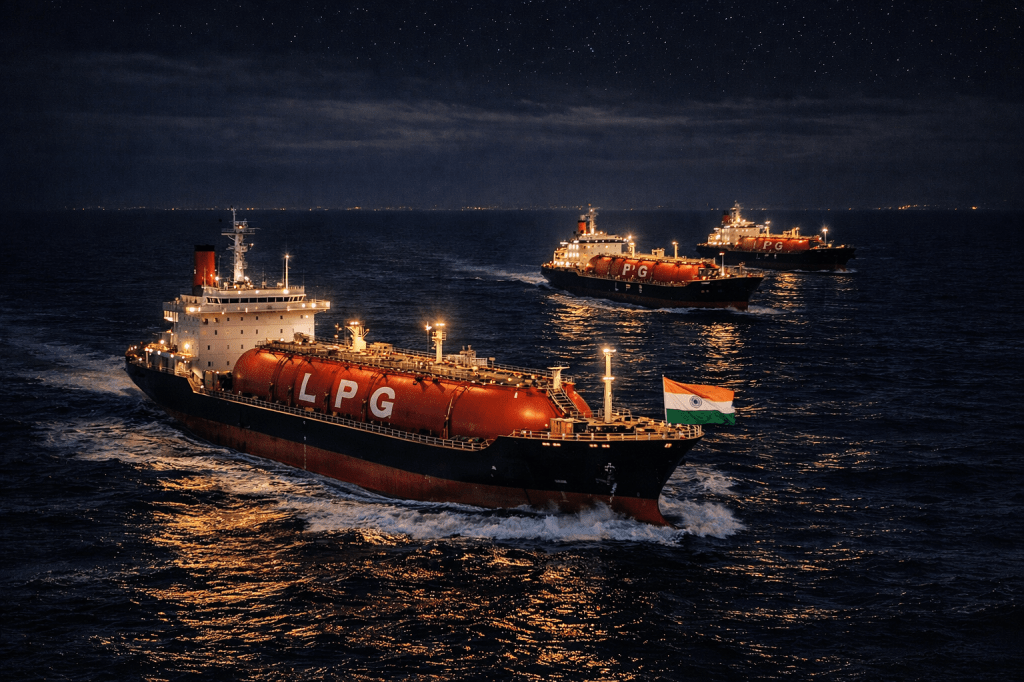
The cargo these vessels carried—tens of thousands of tonnes of LPG—is not abstract. It fuels kitchens, industries, and supply chains across India. In a volatile market, even temporary disruptions could have triggered domestic price shocks and supply anxiety.
Instead, India demonstrated that energy security is not merely about reserves or diversification—it is about the ability to operate under stress.
By ensuring uninterrupted arrivals at Mundra, Vadinar, Mumbai, Visakhapatnam, and Ennore, India effectively signaled three things:
- Resilience – Supply chains can withstand geopolitical shocks.
- Credibility – India can be relied upon to maintain a stable energy market even in a crisis.
- Capability – The state and private sector can coordinate seamlessly when it matters.
This signaling extends beyond domestic audiences. For global suppliers and partners, it reinforces India’s image as a serious, dependable energy actor.
The Unfinished Passage
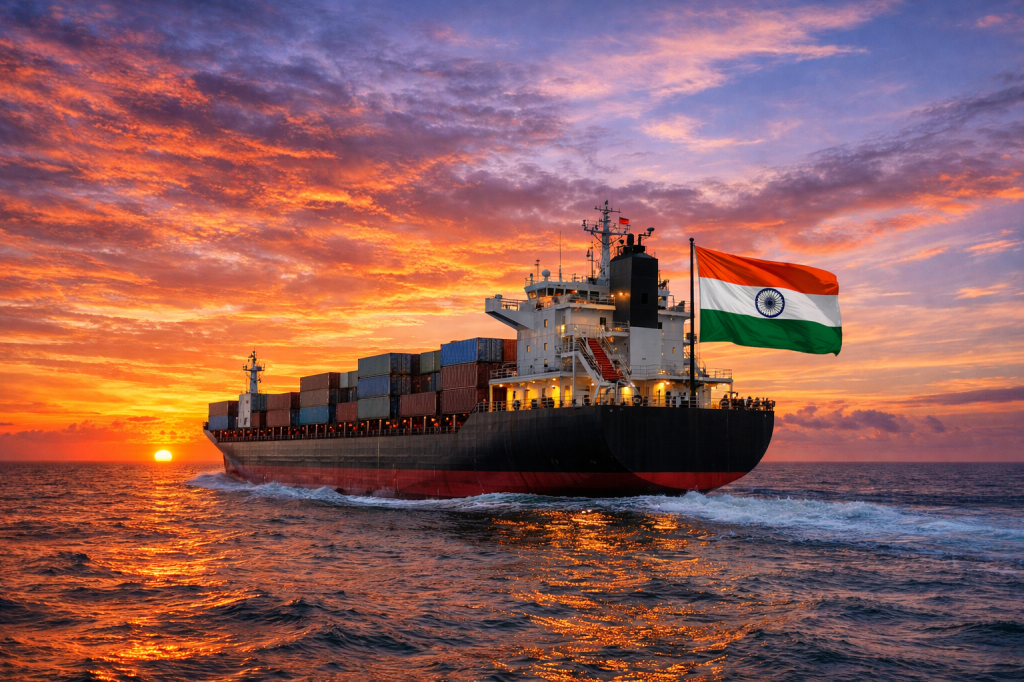
Even as these eight vessels completed their journeys, around 16 other India-linked ships remained west of the Strait, awaiting safe transit windows. Their presence is a reminder that this is not a concluded episode but an ongoing test.
Shipping patterns can shift overnight. Diplomatic assurances can erode. A single incident could alter risk calculations across the region.
And yet, the template has been set.
India has shown that it can navigate a live conflict zone without escalation, disruption, or spectacle.
Conclusion: Power in Restraint
In an era where global politics often rewards visibility—military deployments, declaratory policies, public alignments—India’s approach in the Strait of Hormuz offers a different model.
It is a model built on restraint, precision, and continuity.
The eight tankers that crossed these contested waters did more than deliver fuel. They carried a message: that power, when exercised with discipline, need not announce itself loudly to be effective.
Sometimes, it is measured simply by the fact that, despite everything, the ships keep sailing.
 CitiTimes