
Strait of Hormuz Showdown at the UN: Vetoes Stall Global Response
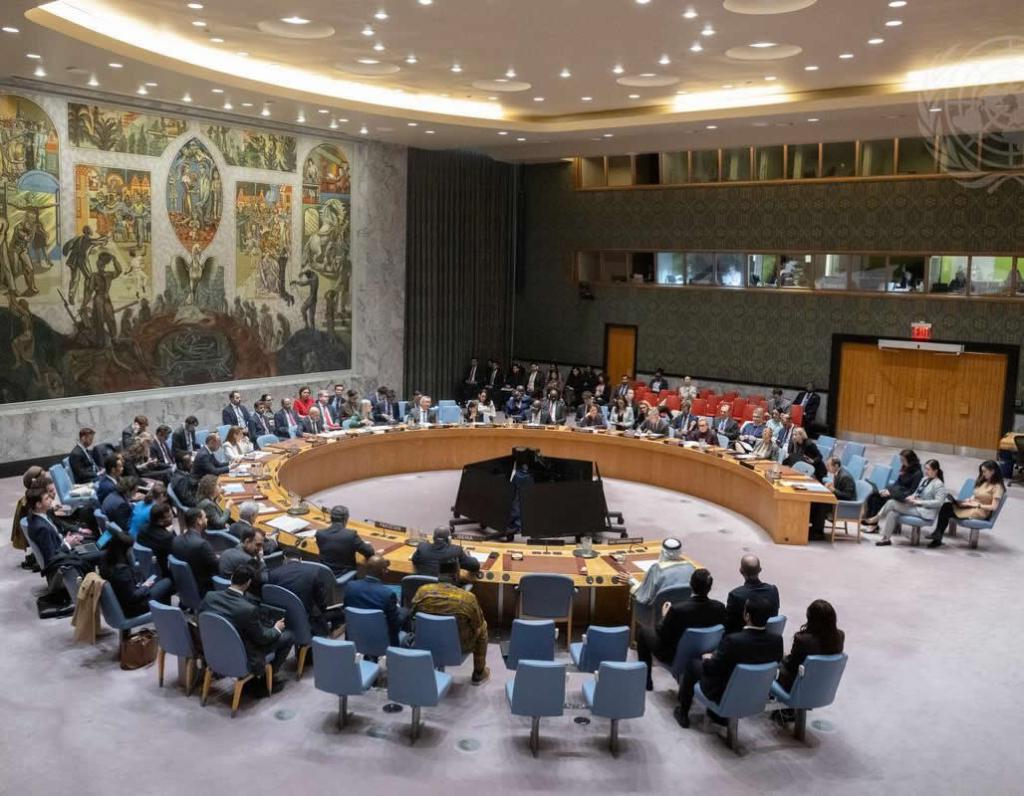
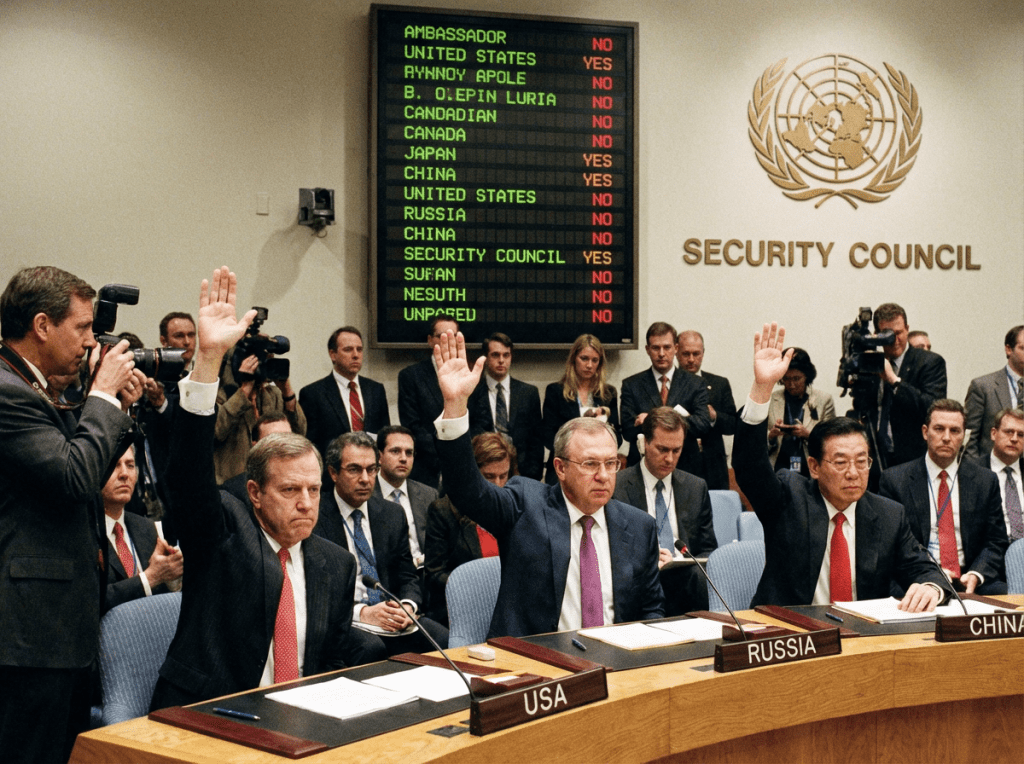
April 7, 2026, marked a decisive yet divisive moment at the United Nations. A Bahrain-sponsored draft resolution aimed at safeguarding navigation through the Strait of Hormuz—one of the world’s most critical energy chokepoints—failed to pass after vetoes from Russia and China, underscoring the deep geopolitical fractures shaping today’s global order.

A Resolution That Fell Short
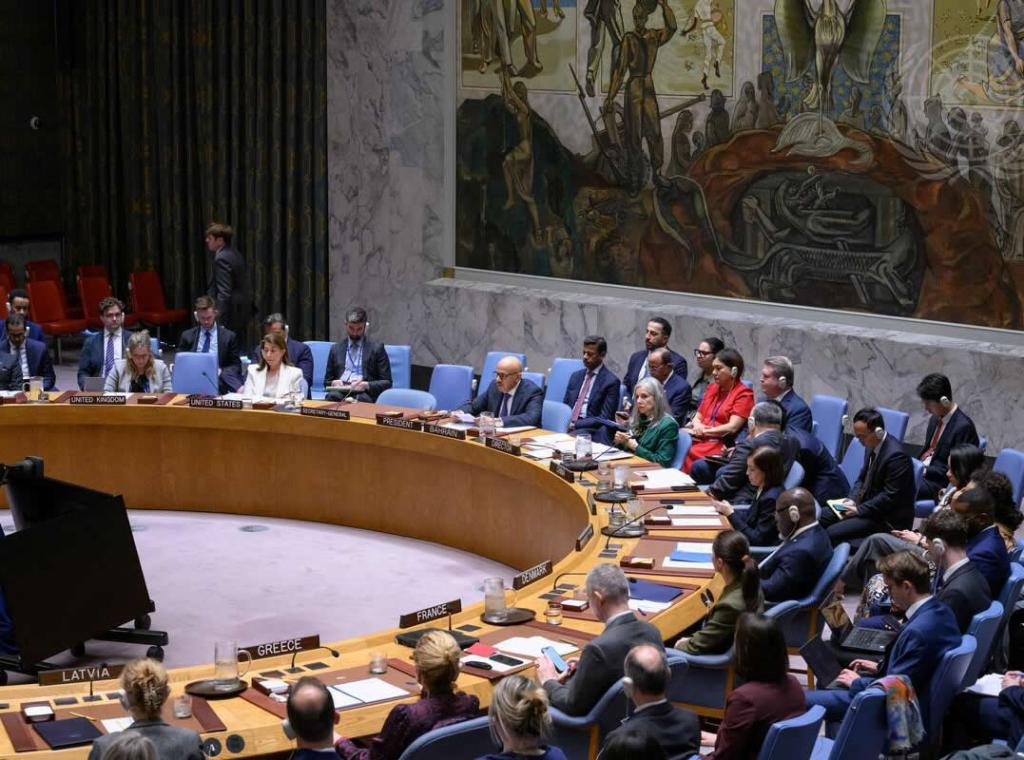
Bahrain, serving as President of the UN Security Council and representing Arab interests, introduced the draft in coordination with fellow Gulf Cooperation Council (GCC) nations and Jordan. The resolution sought to address escalating concerns over Iran’s alleged interference with commercial shipping in the Strait.
But what began as a potentially forceful international response was gradually diluted through intense negotiations.
What is the Final Draft Proposed
The final version of the resolution stopped short of authorizing the use of force. Instead, it:
- Strongly encouraged coordinated defensive efforts to secure maritime routes
- Called for escorting commercial vessels and deterring disruptions
- Demanded that Iran cease attacks on:
- Merchant ships
- Civilian infrastructure (including desalination plants and energy facilities)
- Emphasized the importance of freedom of navigation
Notably, earlier references to Chapter VII of the UN Charter—which could have enabled enforcement measures—were removed following objections, particularly from China.
The Vote: Numbers vs Power
Despite broad support, the resolution ultimately failed:
- ✅ 11 votes in favor
- ❌ 2 votes against — Russia and China (both permanent members)
- ⚖️ 2 abstentions — Colombia and Pakistan
Under UN rules, a veto from any permanent member blocks adoption, regardless of majority support.
Why Russia and China Said No
Both Moscow and Beijing argued that the resolution—even in its softened form—was imbalanced and unfairly targeted Iran. Their stance reflects broader strategic alignments and concerns about:
- Escalation of military presence in the Gulf
- Precedents for intervention under the guise of maritime security
- Western-led narratives shaping UN action
Their vetoes effectively halted what could have been a coordinated international maritime security framework.
Strong Reactions from the Gulf and West
The fallout was immediate and sharp.
- Bahrain’s Foreign Minister, Abdullatif bin Rashid Al Zayani, warned that failure to act sends a dangerous message—that global trade routes can be “held hostage to economic blackmail.”
- The United States called the outcome “regrettable” and urged nations to act independently to secure shipping lanes.
- The United Kingdom echoed support for Bahrain and highlighted existing rights to self-defense under international law.
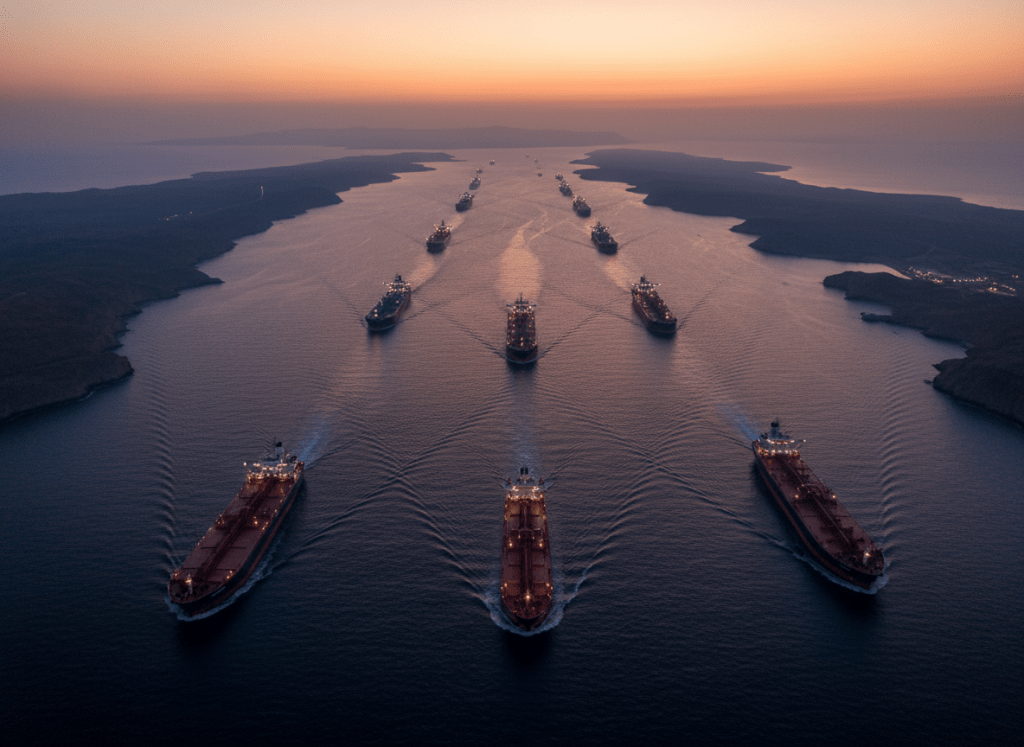
For Gulf states, the stakes are existential—not just geopolitical. The Strait of Hormuz carries roughly 20% of global energy supplies, making any disruption a threat to worldwide economic stability.
A Pattern of Gridlock
This is not the first attempt to address the crisis.
A previous Bahrain-led resolution on March 11, 2026, was adopted with overwhelming support (13–0), but notably, Russia and China abstained. That resolution condemned Iran’s actions but stopped short of proposing enforcement mechanisms.
The April 7 vote was meant to go further—and failed.
What Happens Next?
With no binding UN mandate in place, the path forward is increasingly fragmented:
- Coalitions of willing nations may coordinate naval escorts independently
- Regional tensions between Iran and the Gulf states are likely to intensify
- Global energy markets remain vulnerable to disruption
In essence, the international community faces a familiar dilemma: broad agreement on the problem, but no consensus on the solution.
Final Take
The failed resolution is more than a procedural setback—it is a stark reminder of the limits of multilateral diplomacy in an era of great power rivalry. As ships continue to navigate the narrow waters of the Strait of Hormuz, the world watches not just for conflict at sea, but for clarity on land—inside the chambers of global governance.
“When consensus collapses, the cost is not diplomatic—it’s global.”
 CitiTimes