
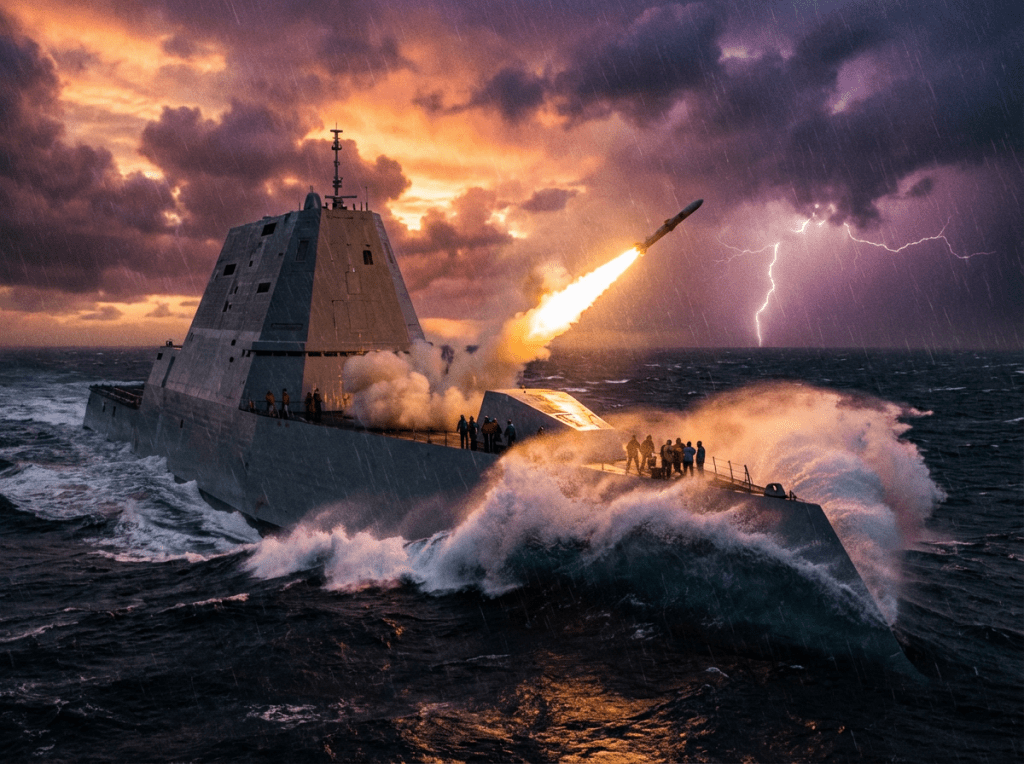
INS Taragiri: A New Era in India’s Naval Power
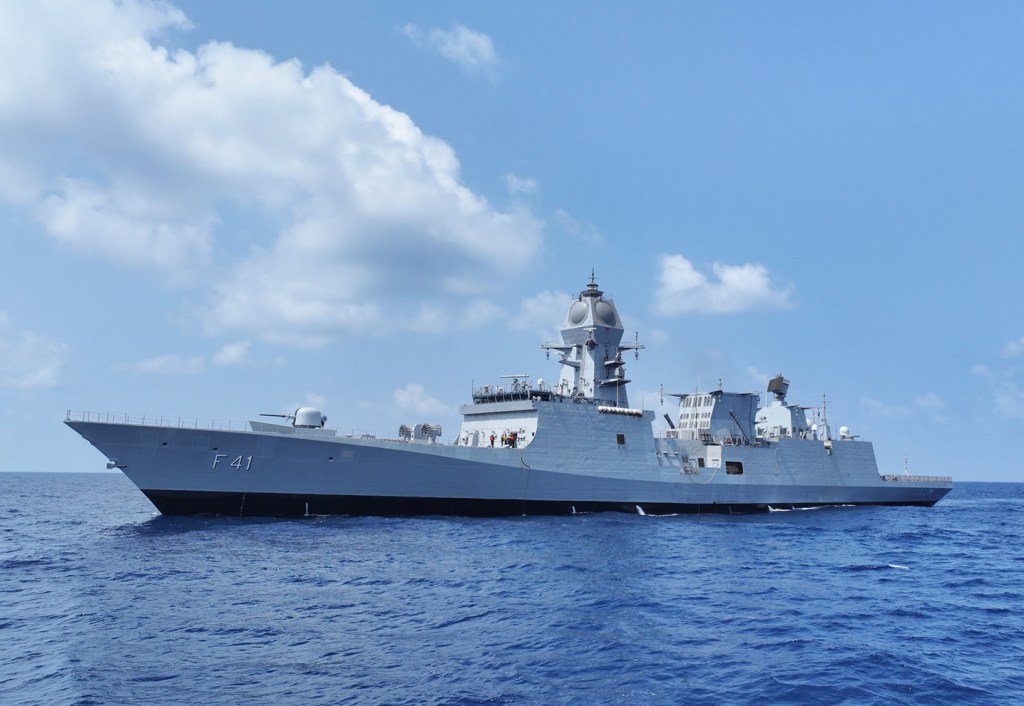
Commissioning of INS Taragiri
On April 3, 2026, the Indian Navy proudly commissioned INS Taragiri, the fourth stealth frigate under Project 17A, at Visakhapatnam in the presence of Raksha Mantri Shri Rajnath Singh. This milestone marks a significant leap in India’s naval capabilities and showcases the nation’s growing prowess in indigenous shipbuilding.
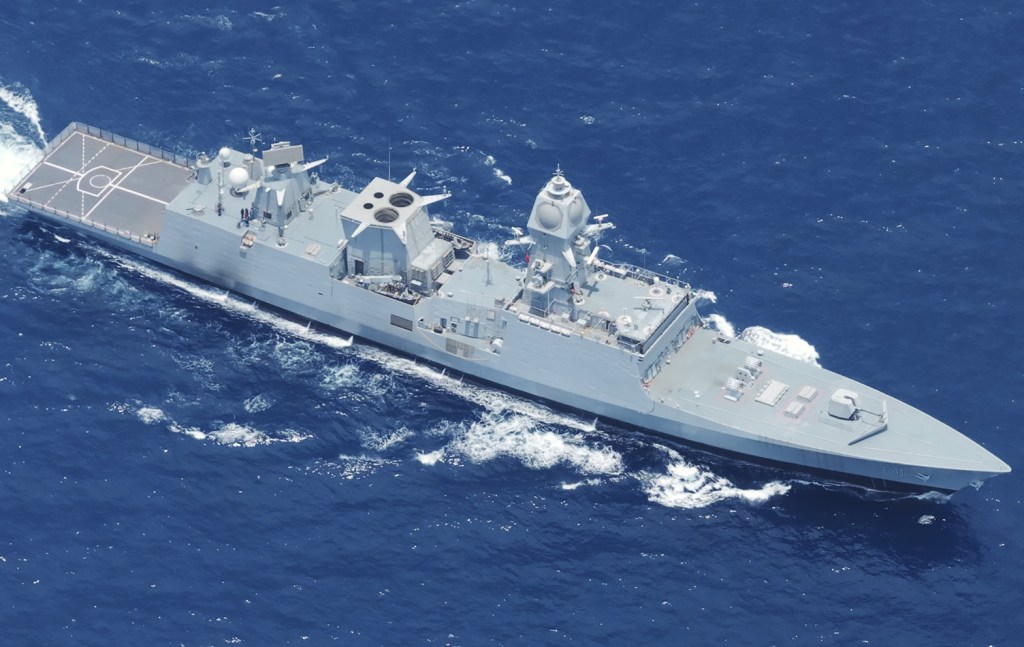
A Masterclass in Modern Shipbuilding
INS Taragiri, with a displacement of approximately 6,670 tonnes, has been designed by the Warship Design Bureau and built by Mazagon Dock Shipbuilders Limited, with extensive support from MSMEs. The frigate employs advanced stealth technology, reducing its radar signature and enhancing its combat effectiveness in contested environments.
With over 75% indigenous content and built-in reduced timelines, the ship exemplifies India’s commitment to self-reliance and innovation in defense manufacturing. Shri Rajnath Singh emphasized that INS Taragiri is not just a warship but a symbol of India’s technological strength and maritime power.
Capabilities and Features
INS Taragiri is equipped with state-of-the-art radar, sonar, and missile systems, including BrahMos supersonic missiles and surface-to-air missiles. Its versatility allows it to perform a wide range of missions:
- High-intensity combat
- Maritime security
- Anti-piracy operations
- Coastal surveillance
- Humanitarian assistance and disaster relief
The ship’s propulsion system, a Combined Diesel or Gas engine, is managed by an Integrated Platform Management System, ensuring efficiency and adaptability across diverse missions.
Strategic Significance
India’s coastline stretches over 11,000 kilometers, with 95% of trade conducted via maritime routes. Raksha Mantri highlighted the Navy’s critical role in safeguarding trade, energy security, and undersea digital infrastructure. INS Taragiri strengthens India’s ability to secure sea lanes, choke points, and undersea cables, reinforcing its position as a responsible maritime power.
Legacy and Future Vision
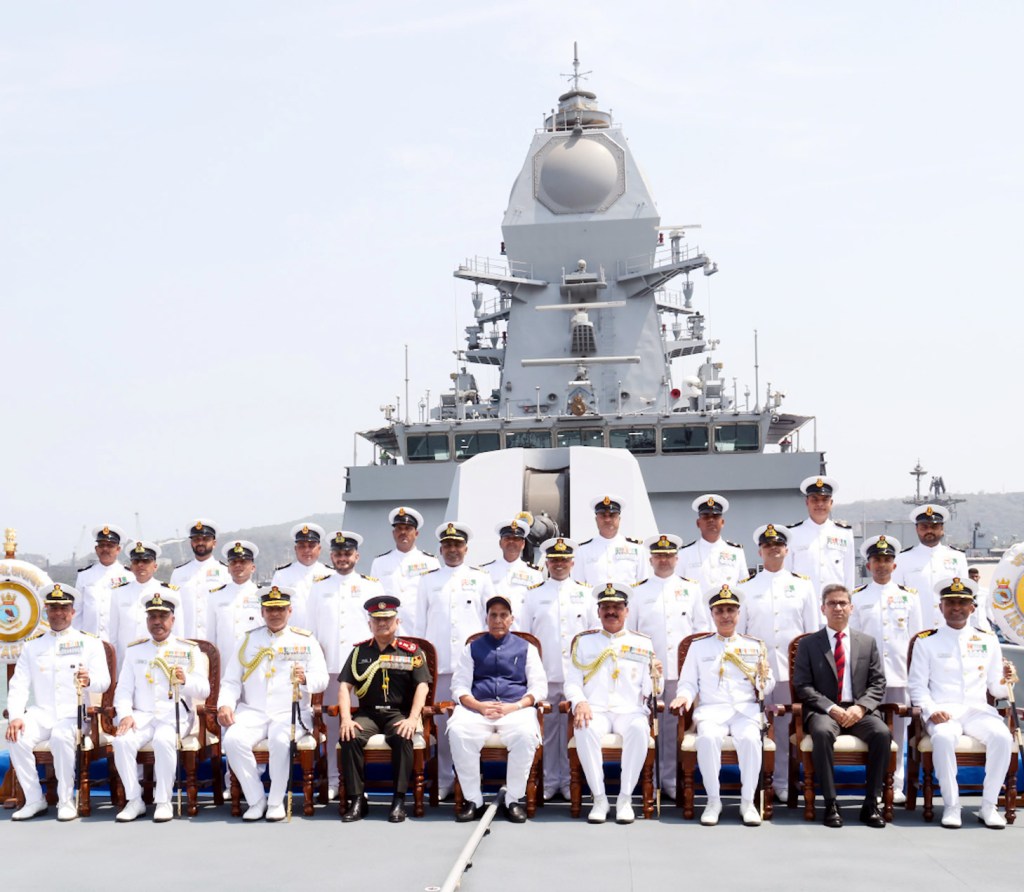
Chief of Naval Staff Admiral Dinesh K Tripathi recalled the legacy of the earlier INS Taragiri, commissioned in 1980, which advanced India’s anti-submarine warfare capabilities. The new Taragiri builds upon this heritage, embodying the Navy’s commitment to remain combat-ready, credible, cohesive, and future-ready.
The commissioning ceremony featured the ceremonial breaking of the Commissioning Pennant and the maiden hoisting of the National Flag on the ship, attended by senior defense officials and dignitaries.
Conclusion
INS Taragiri represents a generational leap in India’s naval shipbuilding, with indigenous innovation and advanced technology at its core. As part of the Eastern Fleet, it will play a pivotal role in safeguarding India’s maritime interests and contributing to regional stability under the vision of MAHASAGAR. The commissioning of INS Taragiri sends a clear message: India’s oceans are guarded by ships designed, built, and operated by Indians.
 CitiTimes