
India Steps Into a Global Coalition to Reopen the Strait of Hormuz
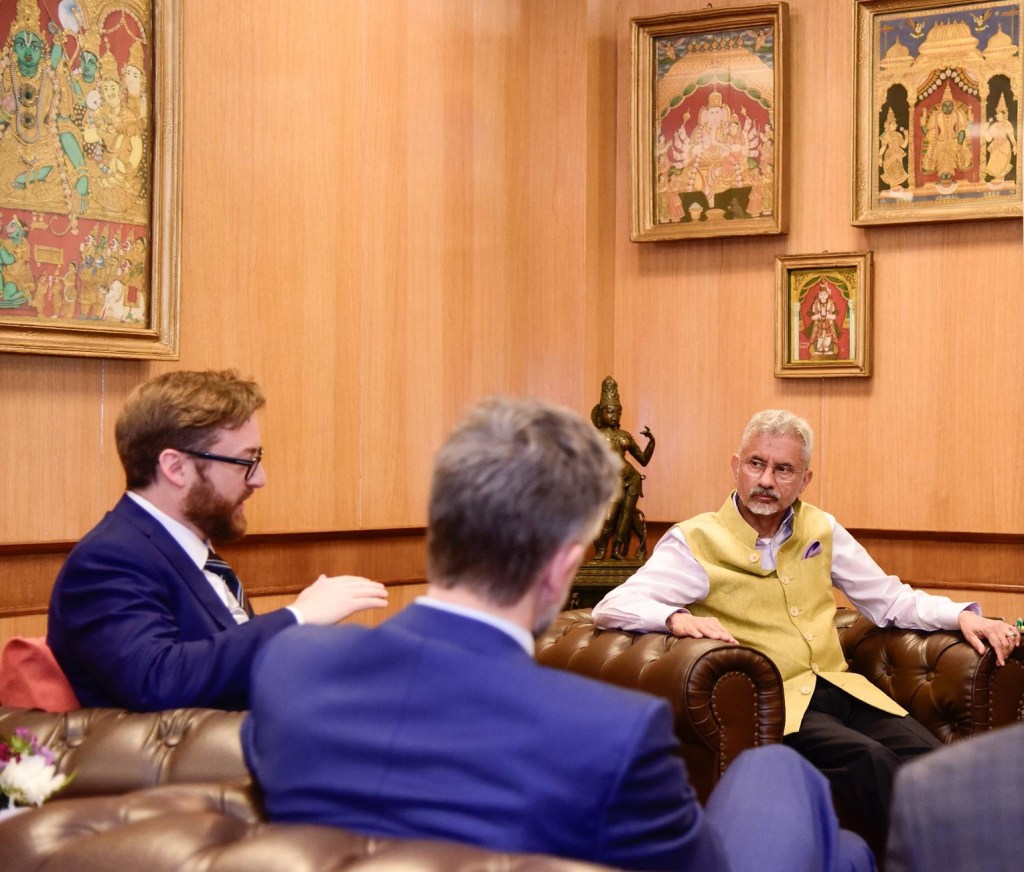
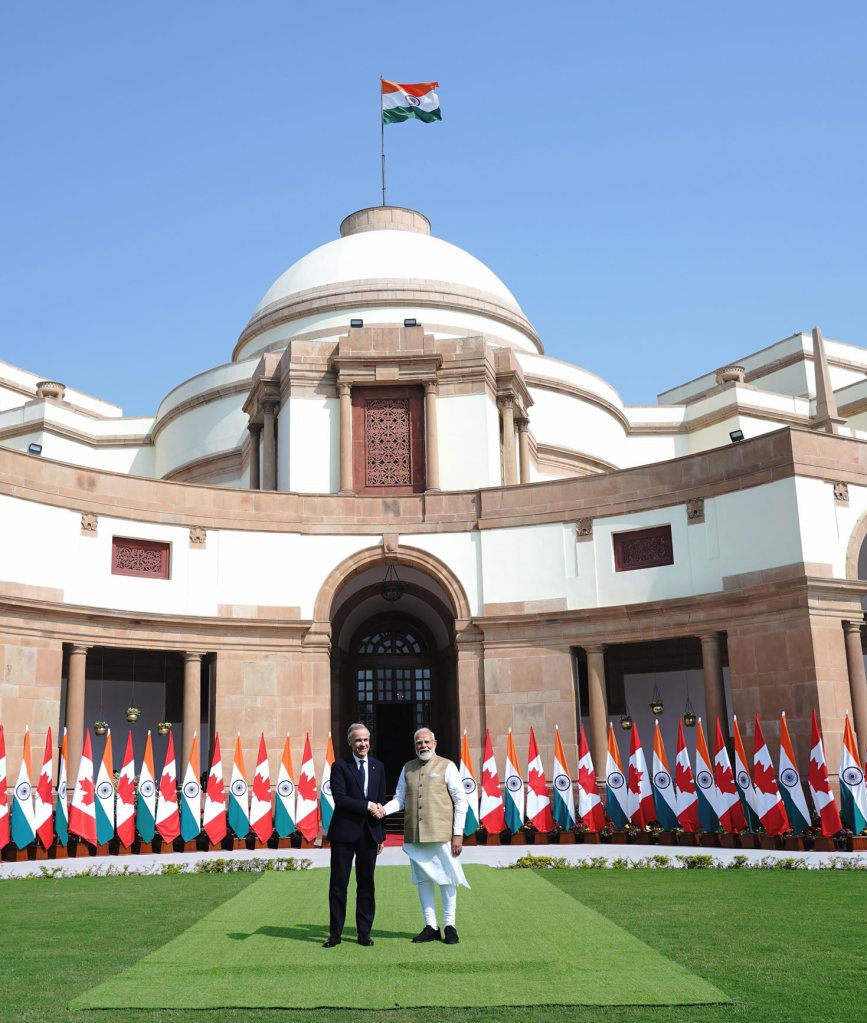
In a moment that underscores both urgency and interdependence, India has joined more than 60 countries in a coordinated diplomatic push to reopen one of the world’s most vital energy arteries—the Strait of Hormuz.
Convened at the invitation of the United Kingdom and chaired by Foreign Secretary Yvette Cooper, the high-level virtual meeting signals a rare convergence of global concern. At stake is not merely a shipping route, but the stability of the global energy system itself.
A Chokepoint That Powers the World
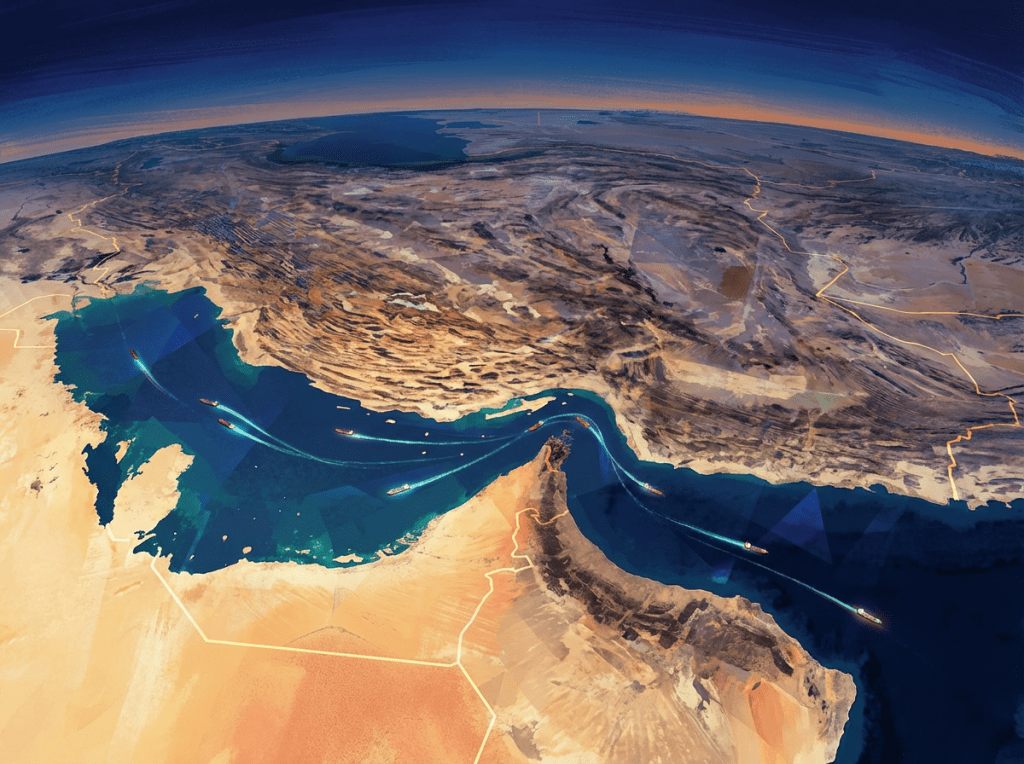
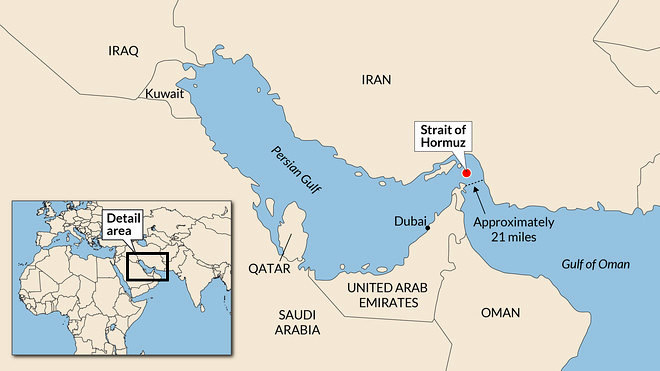
The Strait of Hormuz is no ordinary maritime passage. Roughly 20% of the world’s oil supply and vast volumes of liquefied natural gas (LNG) pass through this narrow corridor connecting the Persian Gulf to global markets.
Its disruption—now stretching over weeks amid the escalating US-Israel-Iran conflict 2026—has already sent shockwaves through global supply chains. Tankers have been delayed or rerouted, insurance premiums have surged, and oil prices have climbed sharply.
For countries like India, which depend heavily on energy imports from the Gulf, the stakes are immediate and profound.
India’s Strategic Intervention
Representing India at the meeting, Foreign Secretary Vikram Misri articulated a position that blends principle with pragmatism.
India’s key messages were clear:
- Freedom of navigation is non-negotiable in international waters
- The crisis poses a direct threat to India’s energy security
- Indian seafarers have already paid the highest human cost in recent attacks
- The path forward lies in de-escalation, diplomacy, and dialogue
The Ministry of External Affairs, through spokesperson Randhir Jaiswal, confirmed India’s participation and emphasized ongoing diplomatic engagement with regional stakeholders, including Iran.
Crisis in Motion: Ships, Security, and Strategy

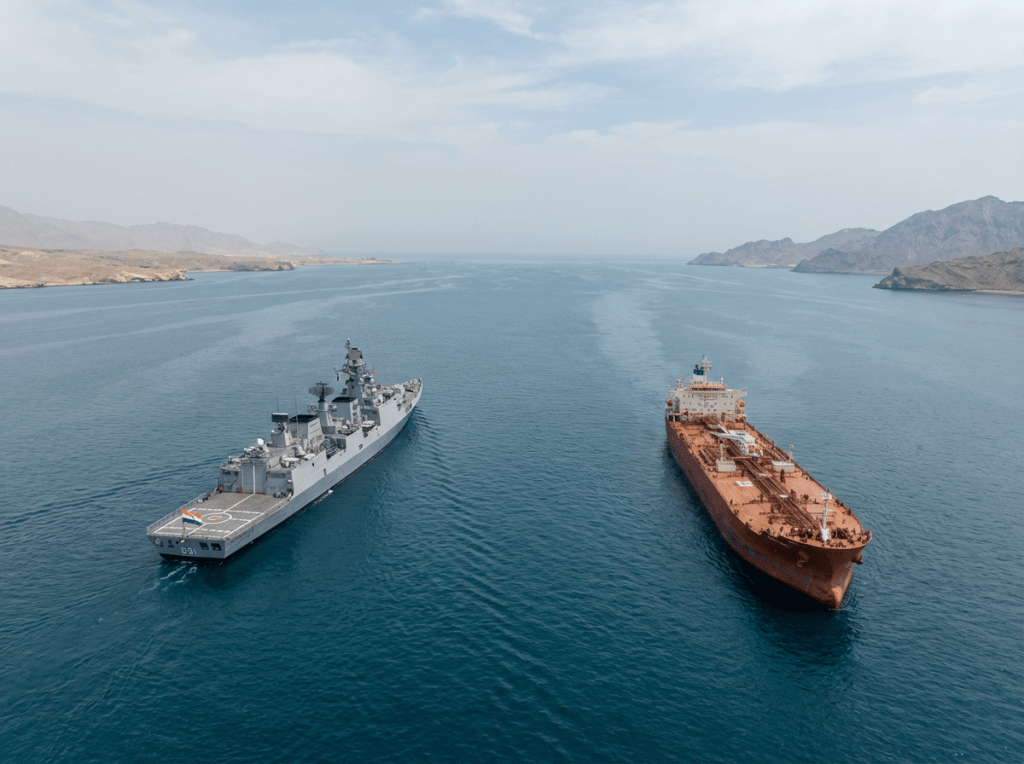
Despite the restrictions, India has managed limited success in navigating the Strait of Hormuz. At least six Indian vessels have transited the strait, aided by diplomatic channels and naval protection under Operation Urja Suraksha.
Yet, these are exceptions—not the norm. Thousands of ships remain stranded or delayed, and selective passage—often contingent on political alignment—has replaced predictable maritime flow.
This fragmentation of access has effectively turned a global commons into a contested corridor.
The Economic Domino Effect
The implications extend far beyond oil markets:
- Fuel prices are rising globally, feeding inflation
- Fertilizer supply chains—dependent on energy inputs—are under strain
- Shipping costs and insurance premiums are surging
- Emerging economies face heightened vulnerability
For India, the ripple effects touch everything from transport costs to agricultural productivity.
Diplomacy Over Deterrence
Notably, the April 2 meeting avoided overt military framing. Instead, it focused on collective diplomatic pressure to restore normalcy and uphold international maritime norms.
This reflects a broader recognition: reopening the Strait of Hormuz is not merely a logistical challenge—it is a geopolitical negotiation.
India’s role here is particularly nuanced. It maintains strategic ties with Iran while aligning with global calls for open sea lanes. This dual engagement positions New Delhi as both a stakeholder and a potential bridge-builder.
What Comes Next?
Even under optimistic scenarios, a full reopening of the Strait may take weeks or months. Security risks, insurance recalibrations, and disrupted supply chains will take time to stabilize.
But the April 2 initiative marks a critical step: a unified acknowledgment that the status quo is untenable.
The Big Picture
In joining this coalition, India is not just safeguarding its own energy interests—it is asserting its place in shaping global economic stability.
The Strait of Hormuz crisis is a stark reminder: in an interconnected world, a narrow stretch of water can hold the fate of entire economies.
And in moments like these, diplomacy becomes the most powerful vessel of all.
 CitiTimes