
Bridging Justice with Technology: Inside India’s Tele-Law Transformation
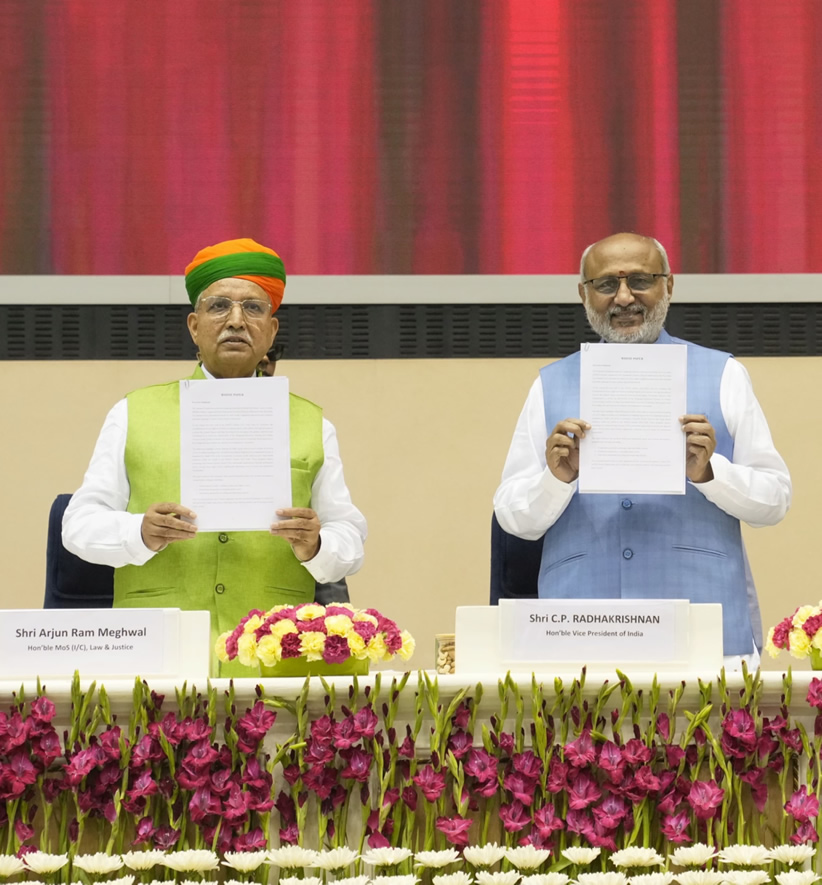
New Delhi | March 29, 2026
In a rapidly digitising India, the promise of justice is no longer confined to courtrooms—it is increasingly being delivered through screens, voices, and intelligent systems. At the National Consultation 2026 on the Tele-Law initiative, India’s Vice President, C. P. Radhakrishnan, laid out a compelling vision: justice that is accessible, affordable, and truly universal.
Justice as a Democratic Imperative
Addressing stakeholders at the consultation organised under the DISHA scheme by the Ministry of Law and Justice, the Vice President underscored a foundational truth—access to justice is not a privilege, but a democratic right.
The consultation itself, he noted, reflects a collective national resolve to ensure that no citizen is excluded from the legal system due to geography, language, or economic barriers.
A Shift Toward Citizen-Centric Laws
One of the most significant themes of the address was India’s ongoing legal transformation. The Vice President highlighted the transition to new criminal laws as a “historic shift,” aimed at simplifying procedures and making the justice system more responsive to citizens.
This evolution signals a broader move away from complexity toward clarity—an effort to make the law not just enforceable, but understandable.
Tele-Law: Justice at Your Fingertips
At the heart of the discussion was the Tele-Law initiative, positioned as a powerful equaliser in India’s justice ecosystem. By enabling pre-litigation legal advice, the platform helps citizens resolve disputes early—reducing both the burden on courts and the emotional and financial toll of prolonged litigation.
Drawing parallels with initiatives like Direct Benefit Transfer and telemedicine, the Vice President described Tele-Law as part of a larger governance revolution—where technology is not just a tool, but a bridge to equity.
Language, Inclusion, and Last-Mile Delivery
A particularly striking emphasis was placed on linguistic inclusion. The call to provide legal consultations in regional languages reflects a deeper understanding: justice must be delivered in the language people live in.
The focus on last-mile delivery—especially for women, rural populations, and marginalised communities—reinforces the idea that accessibility is not achieved until it reaches the most underserved.
Recognising Grassroots Champions
The success of Tele-Law, as acknowledged during the event, rests heavily on a network of grassroots actors—para-legal volunteers, Common Service Centres, and panel lawyers—who act as the human interface of this digital initiative.
Their role exemplifies a hybrid model where technology and community engagement work hand in hand.
Innovation Meets Impact: New Launches
The consultation also served as a launchpad for several forward-looking initiatives:
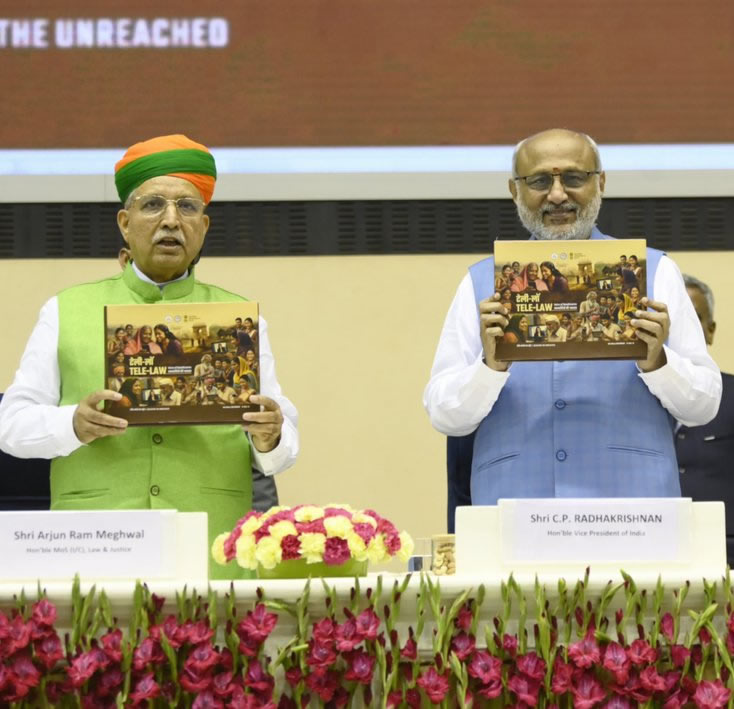
- “Voice of Beneficiaries” Booklet (2025–26): A collection of real-life stories showcasing the transformative impact of Tele-Law services.
- Nyaya Setu: An AI-powered chatbot designed to act as a digital bridge between citizens and legal assistance.
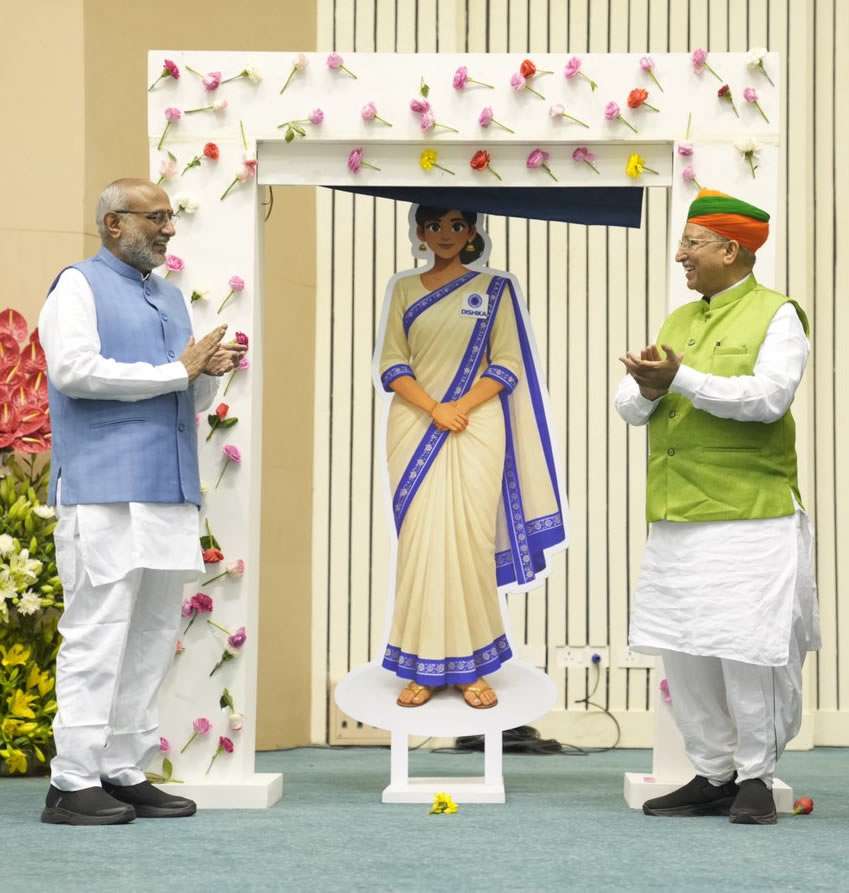
- Nyaya Setu Mascot: A relatable symbol aimed at enhancing outreach, particularly in rural and digitally underserved areas.
- Legal Awareness Comic Books: Developed in collaboration with National Law University, Delhi, these aim to simplify legal literacy for wider audiences.
A Collaborative Vision for Justice
Also present at the event were Arjun Ram Meghwal and other dignitaries, underscoring the collaborative nature of this mission.
The overarching message was clear: building an inclusive legal ecosystem requires not just policy, but participation—from institutions, technologists, and citizens alike.
The Road Ahead
India’s Tele-Law initiative represents more than a digital service—it signals a philosophical shift in how justice is conceived and delivered. By combining technology with inclusivity and grassroots engagement, the country is redefining access to justice in the 21st century.
If sustained and scaled effectively, this model could well become a global benchmark—where justice is not delayed, denied, or distant, but delivered—simply, swiftly, and for all.
“Justice must not remain a privilege for the few, but a right accessible to every citizen—enabled by technology, delivered with empathy.”
 CitiTimes