
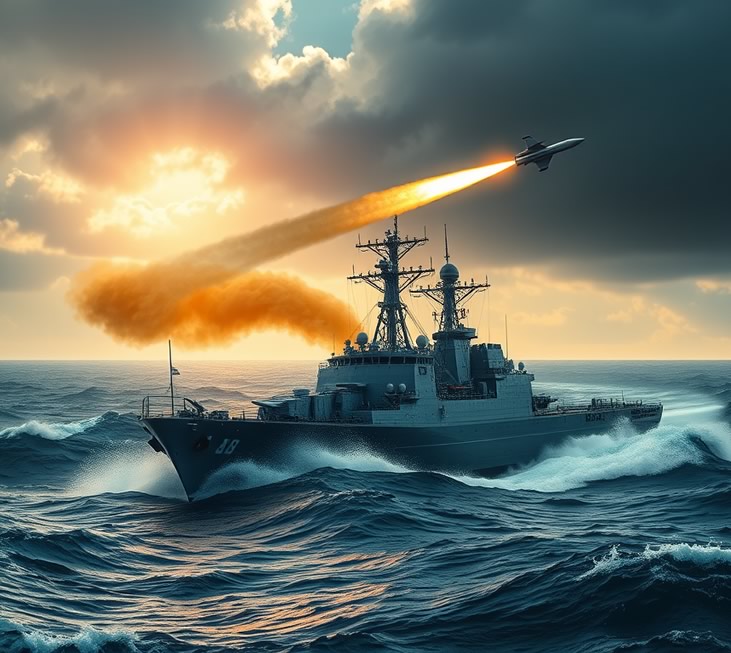
Strait of Hormuz on Edge: Trump’s Deadline Diplomacy Meets Iran’s Maritime Grip
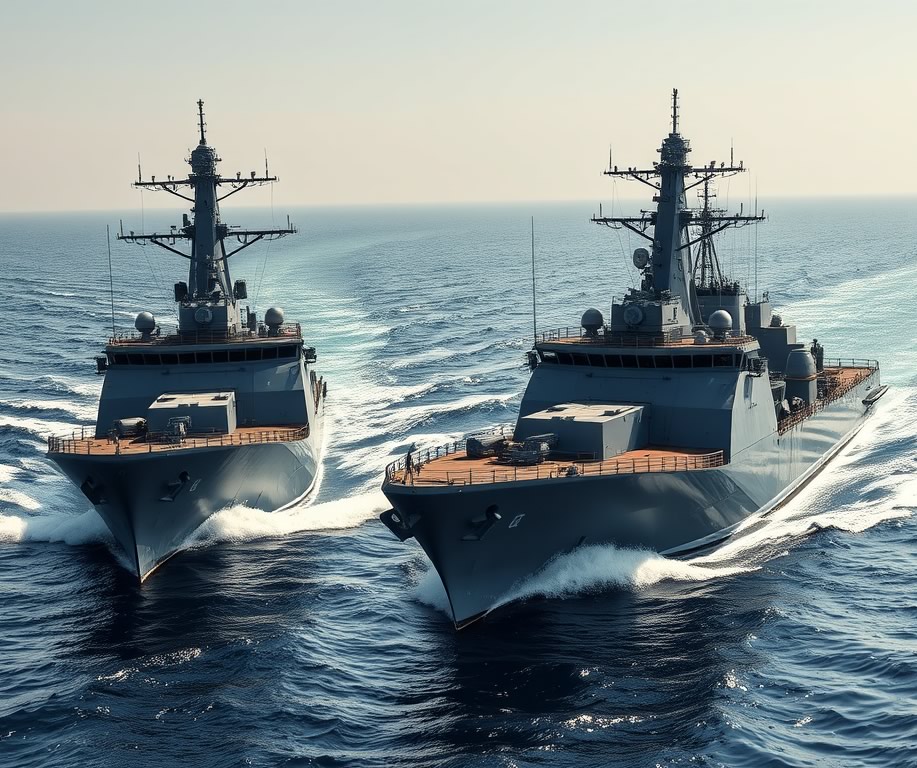
As the Iran–US–Israel conflict intensifies into one of the most consequential geopolitical crises of 2026, the Strait of Hormuz—the world’s most critical oil artery—has become both a battleground and a bargaining chip. Nearly a month into escalations that began in late February, the narrow passage now sits at the heart of a global economic shock, with energy markets, diplomacy, and military strategy colliding in real time.
A Chokepoint Under Pressure
The Strait of Hormuz, through which roughly 20–30% of global oil and LNG flows once moved freely, is no longer fully open. Instead, Iran has imposed a controlled, selective transit regime—stopping short of a declared blockade, but effectively reshaping maritime access.
Ships linked to the United States, Israel, or allied nations face restrictions, while limited “non-hostile” vessels are allowed passage under Iranian coordination. Gulf officials have gone as far as describing the situation as a “de facto toll system”, with accusations that Tehran is monetizing access in defiance of international maritime norms.
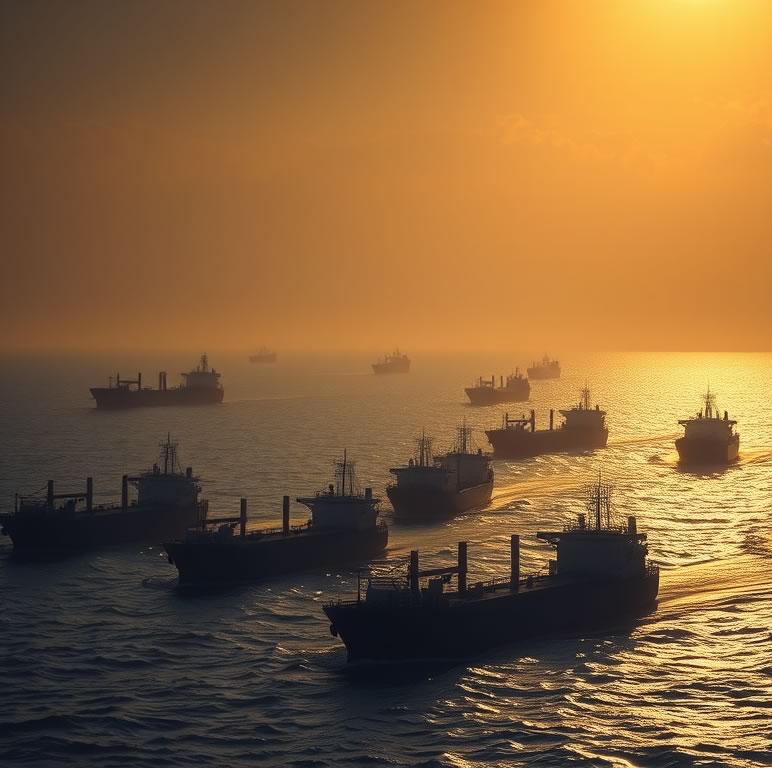
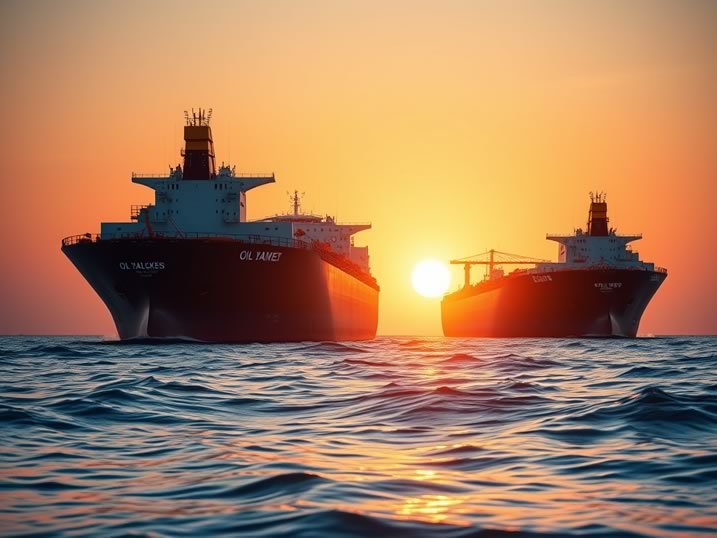
The result is visible even from space: clusters of idle tankers, delayed routes, and rising insurance premiums. Shipping firms are diverting or pausing operations altogether, wary of missile and drone threats that have already targeted commercial vessels.
Economic Shockwaves
The disruption has triggered immediate and far-reaching consequences:
- Oil prices have surged sharply, reflecting supply uncertainty
- Global stock markets have faltered, with major indices reacting to war-linked volatility
- The International Energy Agency has moved to release strategic reserves to stabilize supply
- Energy-importing economies—including India—are bracing for inflationary pressure on fuel and LPG
This is not merely a regional disruption; it is a systemic shock to the global economy.
Trump’s Strategy: Pressure, Pause, and Projection
At the center of the diplomatic theater is Donald Trump, who has made the reopening of the strait a non-negotiable objective—while simultaneously projecting confidence in America’s domestic energy resilience.
The Latest Moves (as of March 26–27, 2026)
- Ultimatum Extended: Trump has pushed his deadline for Iran by 10 days, now set for April 6, 2026, delaying threatened strikes on Iranian energy and power infrastructure.
- Signals of Progress: He claims “talks are going very well,” citing Iran’s recent allowance of 8–10 oil tankers through the strait as a goodwill gesture.
- Backchannel Diplomacy: A 15-point ceasefire proposal, reportedly routed via Pakistan, includes reopening the strait as a core condition alongside nuclear and missile restrictions.
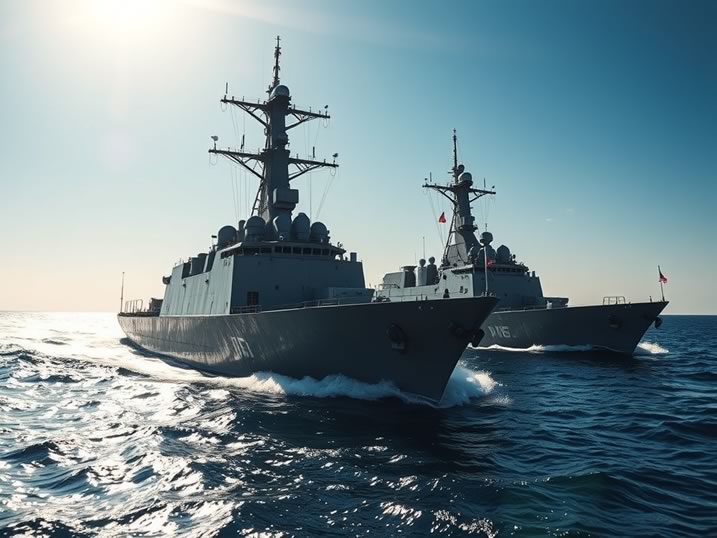
- Military Posturing: The US is reinforcing its regional presence and has floated the idea of a multinational naval effort—though allies remain cautious.
Trump’s approach blends brinkmanship with negotiation—threatening escalation while leaving the door open for a deal.
Iran’s Response: Sovereignty Over Submission
Tehran’s stance remains defiant.
Iran has rejected the US proposal and denies that formal negotiations are underway. Instead, it has issued its own framework for ending hostilities—one that includes:
- A complete halt to military aggression
- Reparations for damages
- Guarantees against future attacks
- Recognition of Iran’s sovereignty over the Strait of Hormuz
From Iran’s perspective, the current restrictions are not aggression, but leverage in what it calls an existential defensive war.
A Fragile Window Before April 6
With both sides entrenched, the situation remains precariously balanced between escalation and uneasy diplomacy.
Trump signals progress; Iran signals resistance. Tankers inch through contested waters as global markets watch anxiously. The April 6 deadline now looms as a decisive moment—one that could determine whether the strait reopens through negotiation or becomes the flashpoint for a broader military confrontation.
The Bigger Picture
The Strait of Hormuz crisis is no longer just about oil—it is about control, credibility, and the future of global order.
If the chokepoint remains constrained, the world may be entering a new era in which energy flows are no longer guaranteed by international norms but are negotiated under pressure.
For now, the world waits—watching the waters between Iran and Oman, where the next move could reshape not just a region, but the global economy itself.
“In the Strait of Hormuz, oil is no longer just a commodity—it is a weapon, a signal, and the world’s most fragile lifeline.”
 CitiTimes