
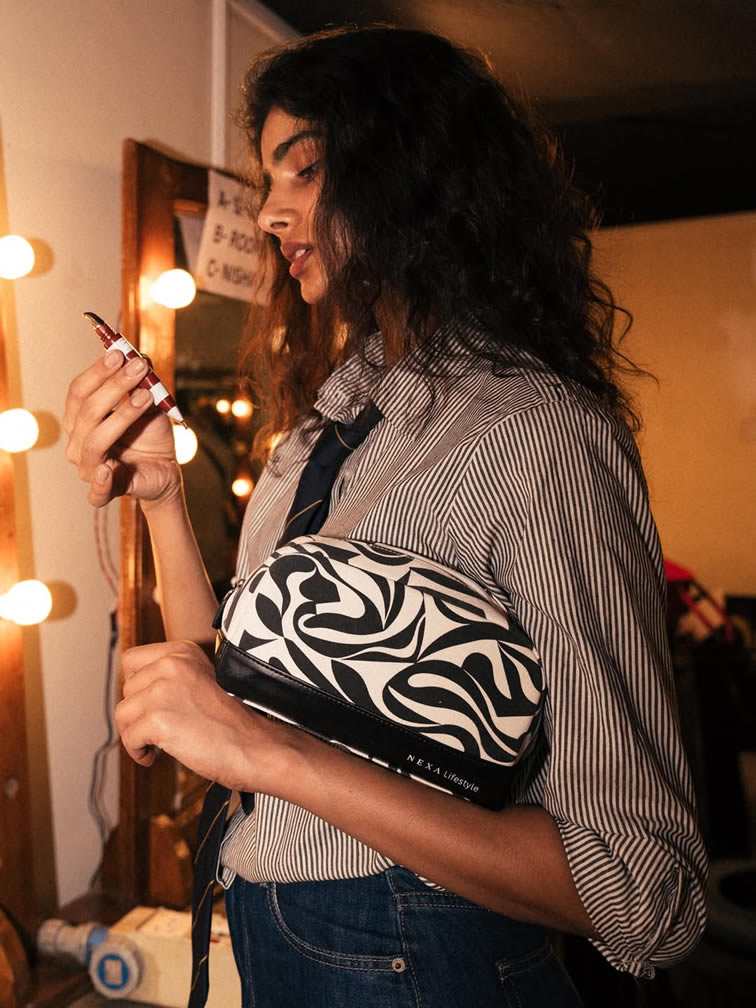
Lakmé Fashion Week x FDCI 2026: Where Craft Met the Future
By CitiTimes Editorial Desk
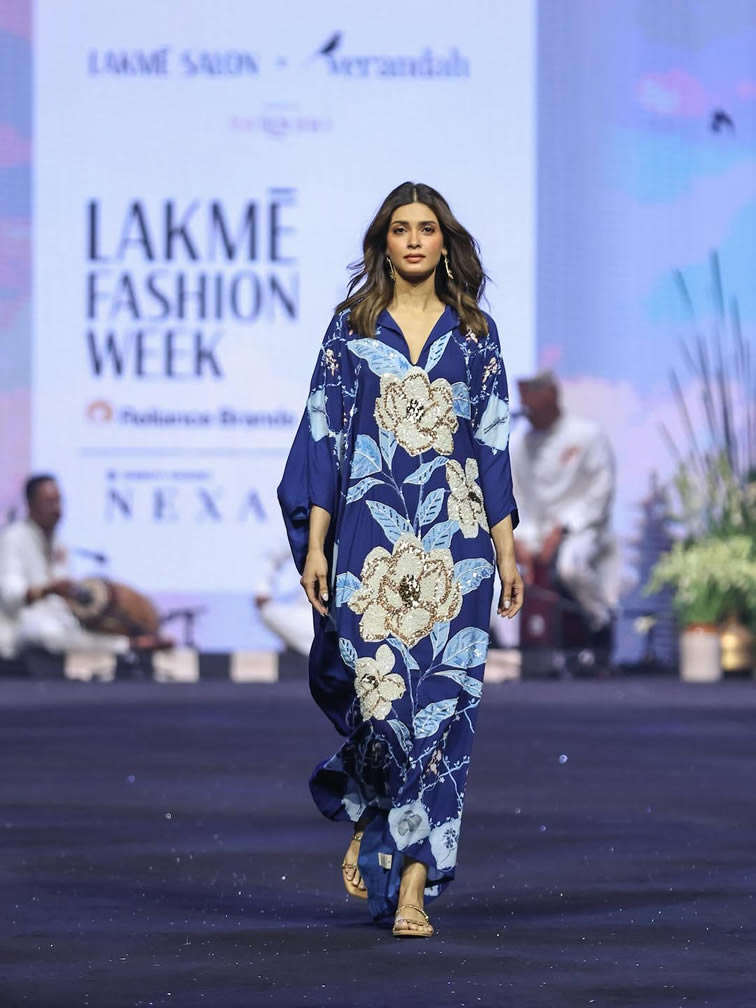
Lakmé Fashion Week x FDCI returned for its 26th edition from March 19–22, 2026, transforming Mumbai’s Jio World Convention Centre into a vibrant crossroads of innovation, heritage, and star power. Over four tightly curated days, more than 30 designers delivered Fall/Winter statements that felt both deeply Indian and unmistakably global.
This season wasn’t just about clothes—it was about direction. And the direction was clear: India’s fashion ecosystem is evolving fast, thinking big, and dressing even bolder.
The Rise of Menswear: India’s New Style Frontier
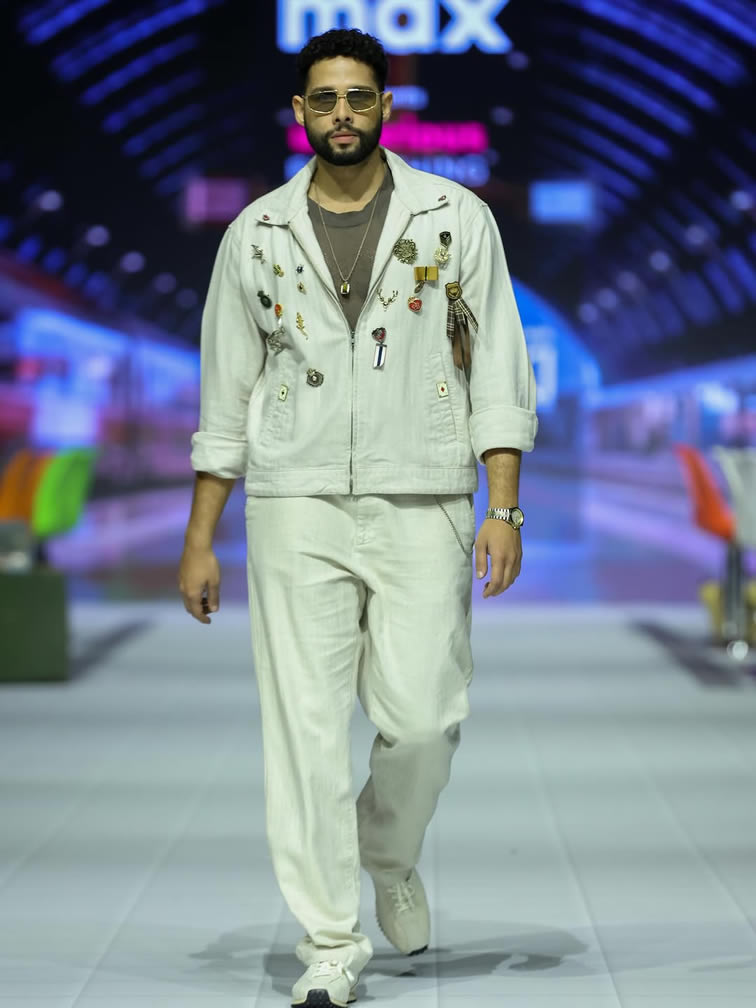
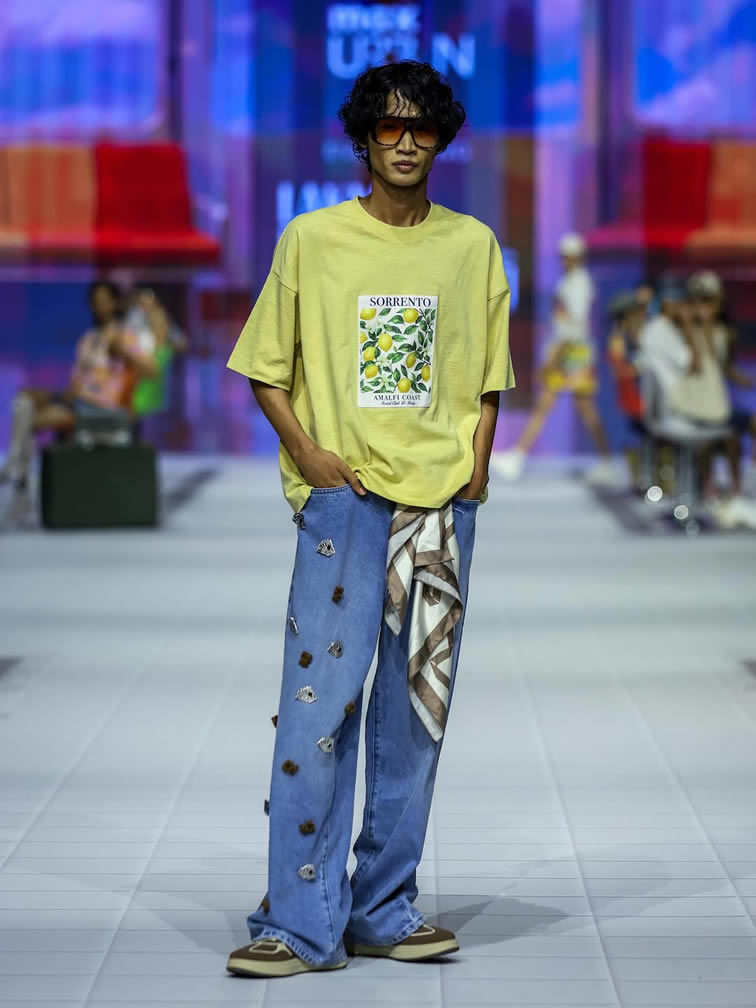
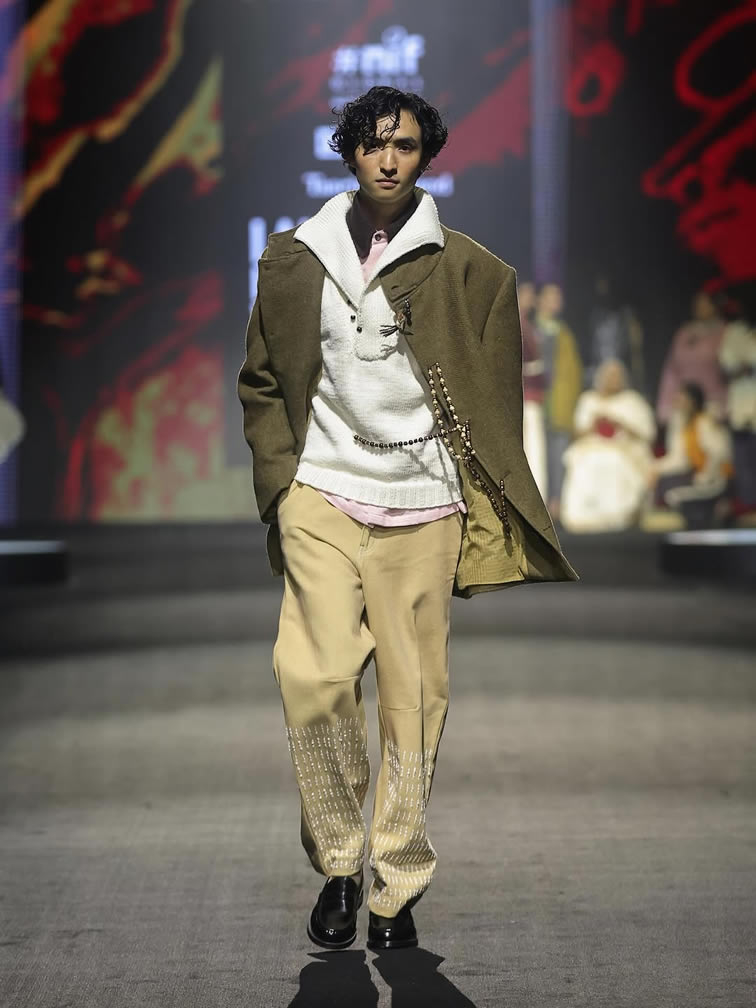
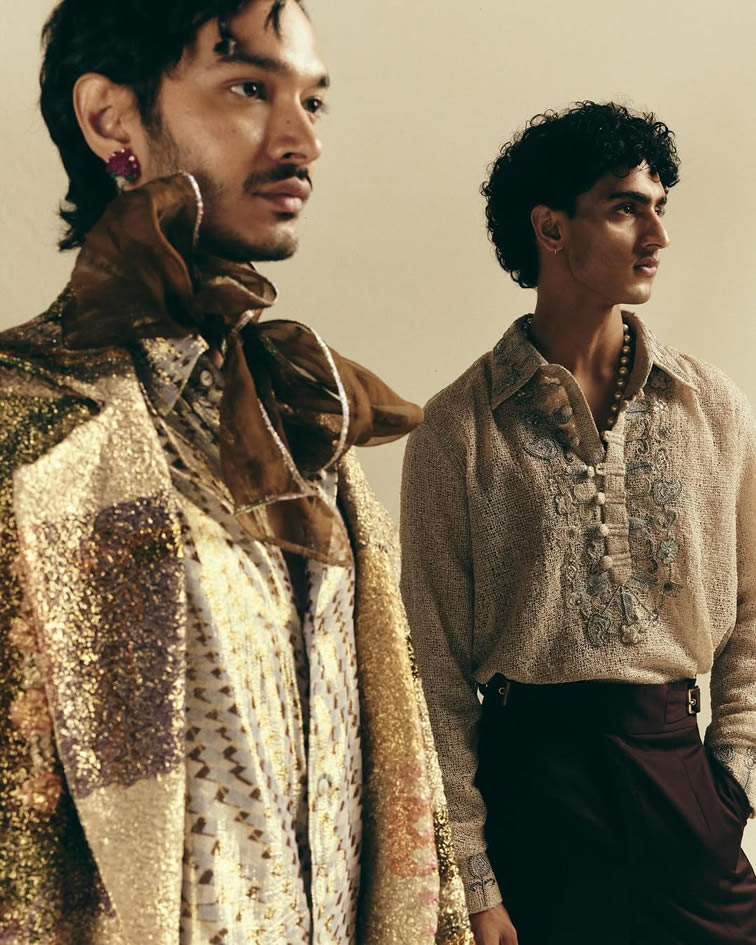
The week opened with FDCI’s “The Boy’s Club”, and what a statement it made. Menswear wasn’t a side note—it was the headline.
Designers like Countrymade, Dhruv Vaish, Sahil Aneja, and Vivek Karunakaran pushed boundaries with:
- Raw silks and tactile fabrics
- Kantha embroidery and appliqué
- Relaxed yet sharply constructed silhouettes
The message? Indian menswear has moved beyond occasion dressing into expressive, everyday luxury.
Labels like Anamika Khanna’s AK|OK and Triune added further depth, blending streetwear ease with travel-ready tailoring. The modern Indian man, it seems, is no longer dressing safe—he’s dressing with intent.
Glamour, Star Power & Runway Spectacle
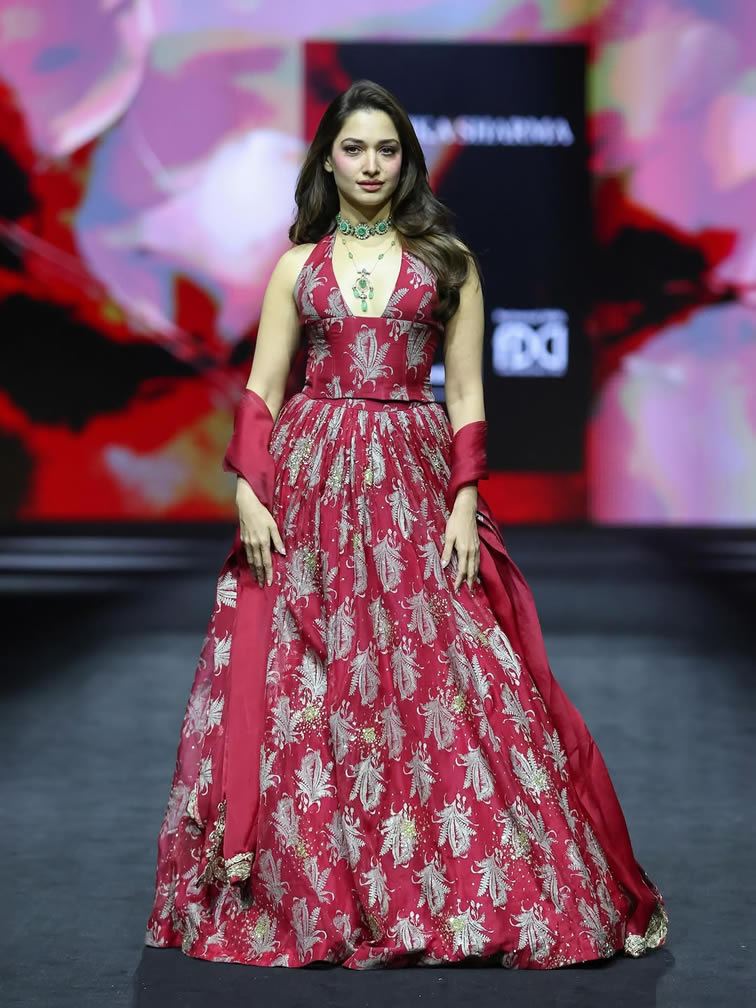
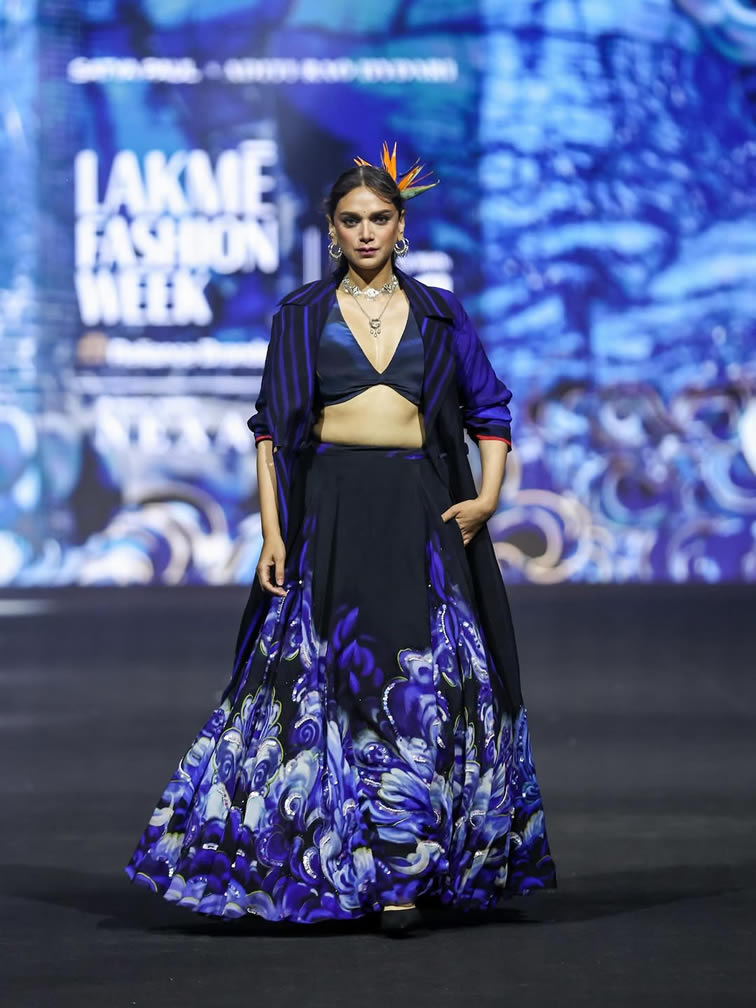
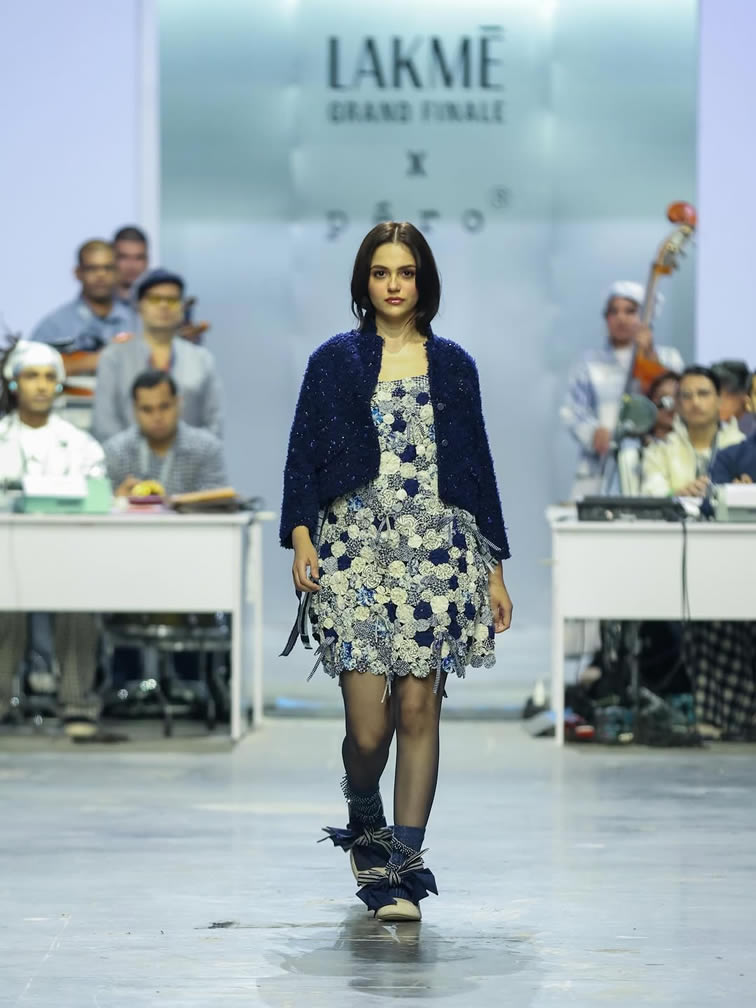
No Lakmé Fashion Week is complete without Bollywood brilliance—and 2026 delivered a full house.
Standout moments included:
- Disha Patani lighting up the runway for Amit Aggarwal’s “Orizon.”
- Tamannaah Bhatia embodying elegance for Bhumika Sharma’s “Afterglow.”
- Ananya Panday adding youthful edge to AK|OK
- Khushi Kapoor, Malavika Mohanan, and more elevating designer showcases
The Grand Finale was pure theatre:
- Aditi Rao Hydari debuted as co-creative director in a Satya Paul collaboration
- Aneet Padda walked for Péro, closing what many called the show of the season
- Siddhant Chaturvedi injected energy with a live dance performance
This wasn’t just fashion—it was performance, storytelling, and cinema rolled into one.
Where Innovation Meets Sustainability
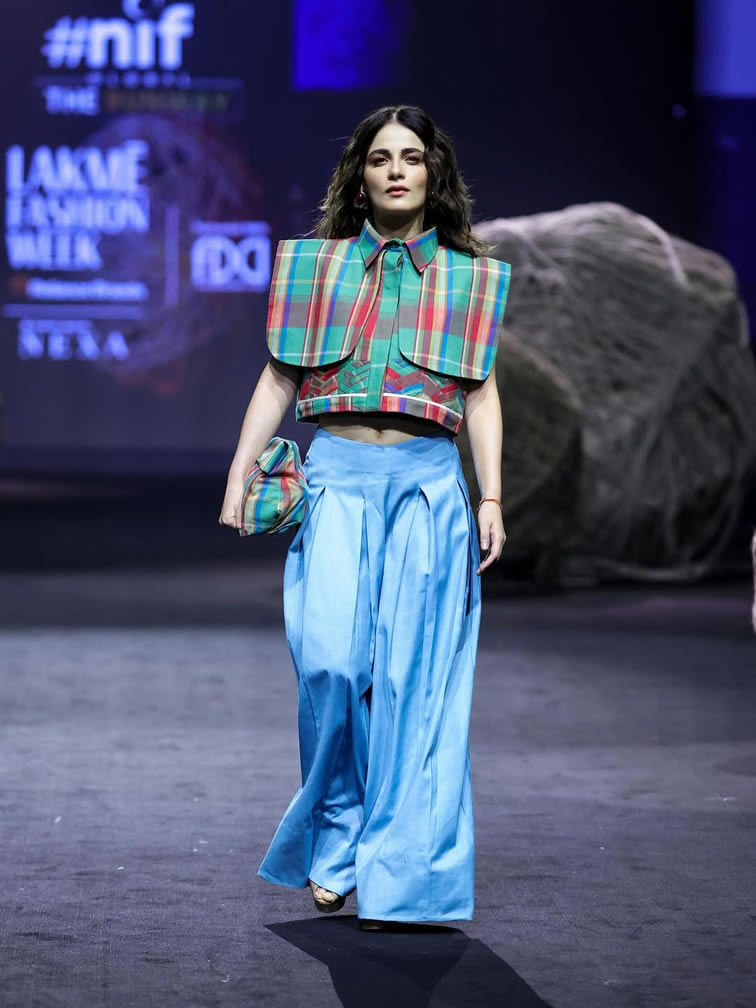
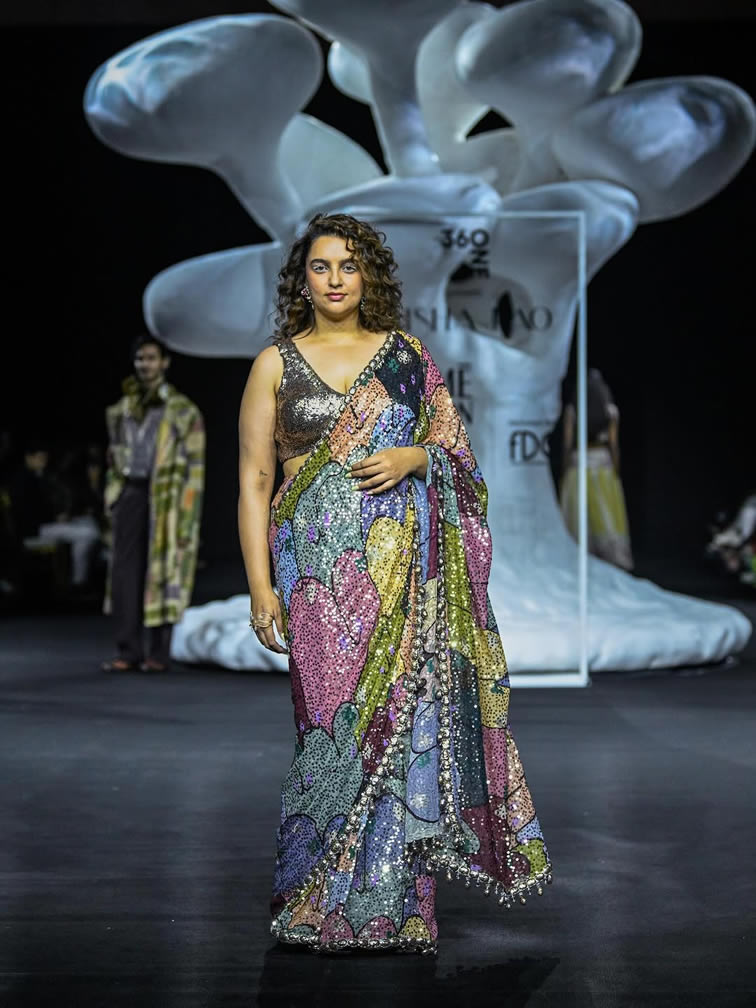
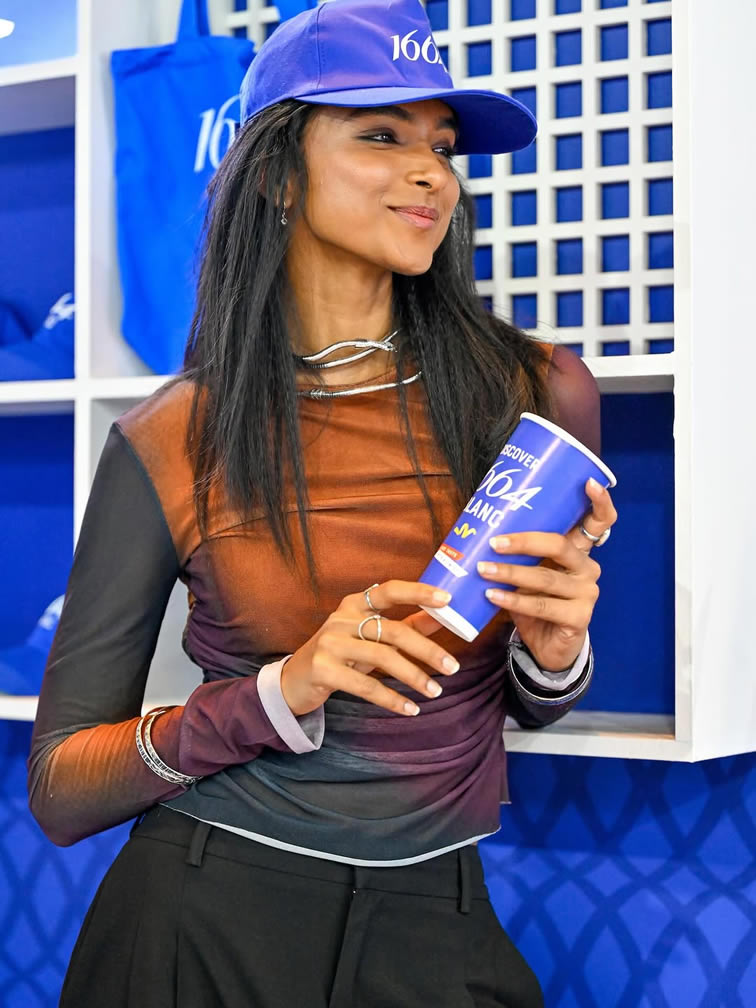
If one theme defined 2026, it was future-forward responsibility.
- Amit Aggarwal’s “Orizon” reimagined couture using upcycled polymers and metallic structures
- Anurag Gupta’s “The New Primitive” introduced plasma-technology textiles, merging organic inspiration with architectural form
- Payal Pratap focused on botanicals and performance fabrics, blending sustainability with wearability
- Rahul Mishra’s “White Gold” elevated handwoven textiles into sculptural, almost museum-worthy couture
The takeaway: sustainability is no longer a niche—it’s a design language.
Breakthrough Debuts & Global Collaborations
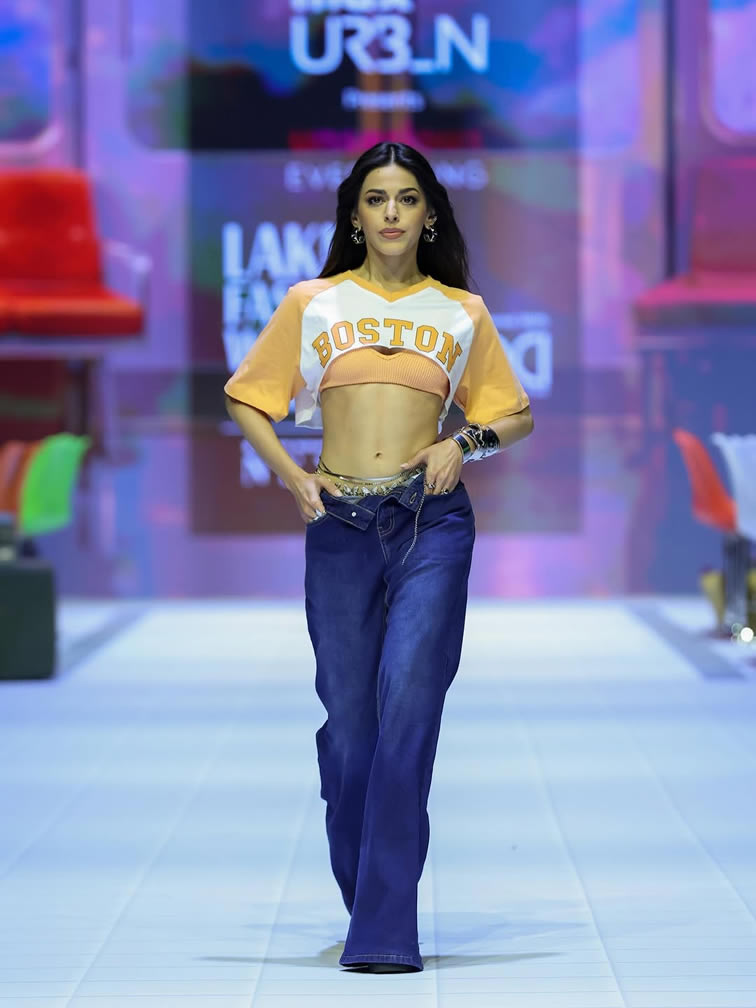
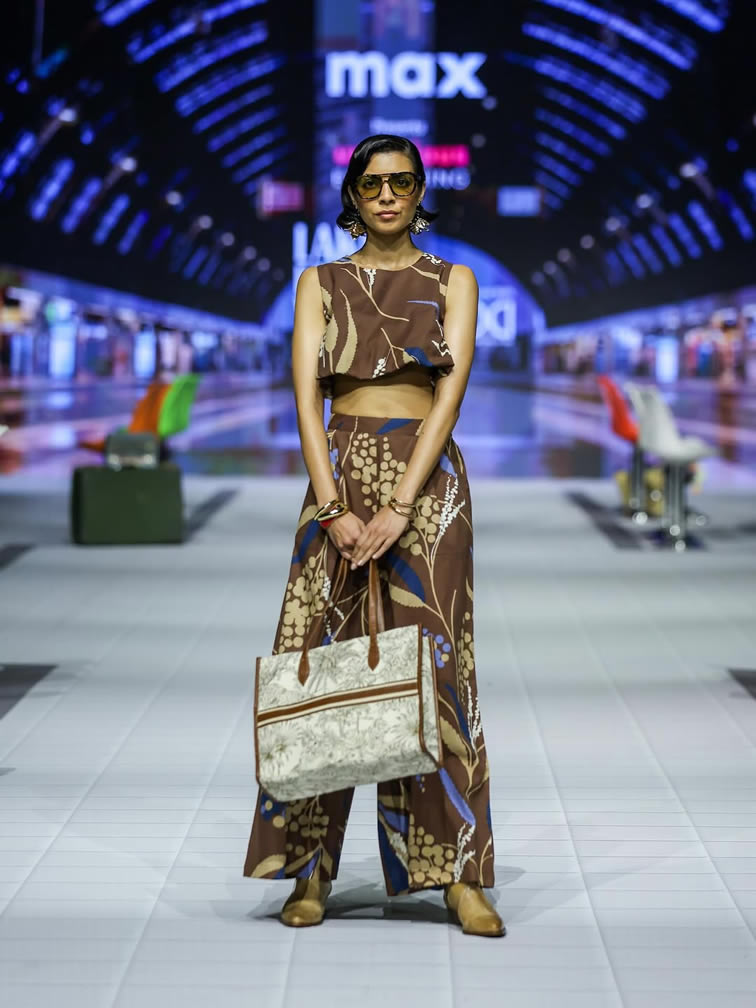
This season thrived on fresh energy and cross-border conversations.
- Kartik Research made a striking India runway debut
- L’Atelier 1664 x Abraham & Thakore fused French lifestyle with Indian craft sensibility
- Verandah showcased globally appealing resortwear rooted in Indian aesthetics
- Aditi Rao Hydari’s creative debut with Satya Paul signaled a growing trend: celebrity as creator, not just muse
The industry is no longer inward-looking—it’s export-ready and culturally fluent.
The Grand Narrative: Future-Modern India
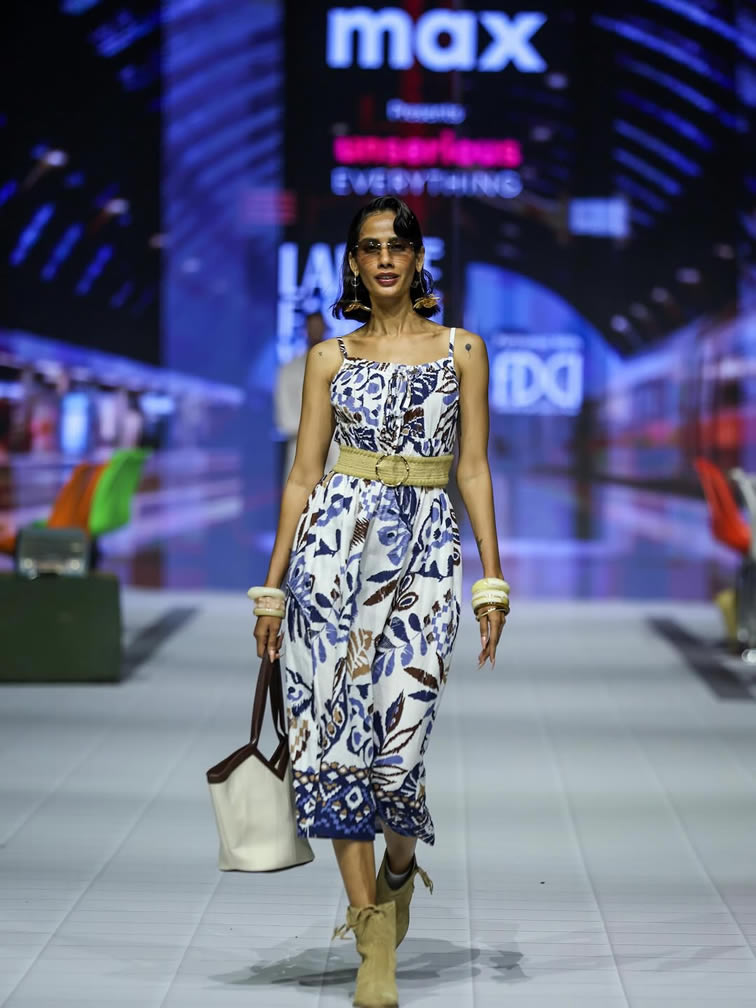
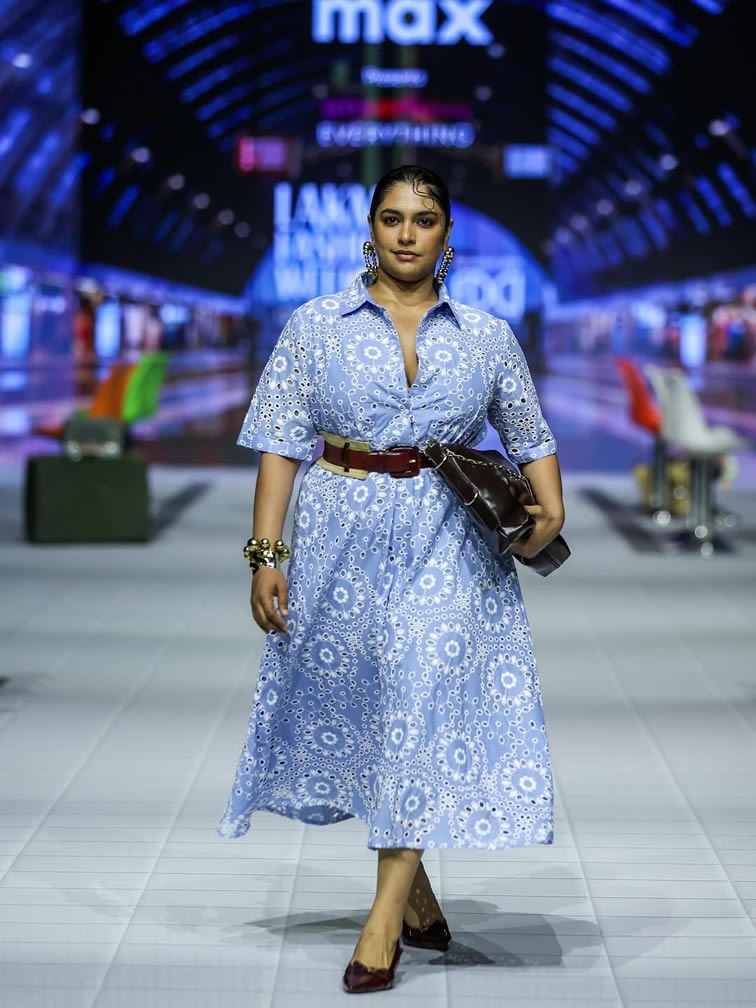
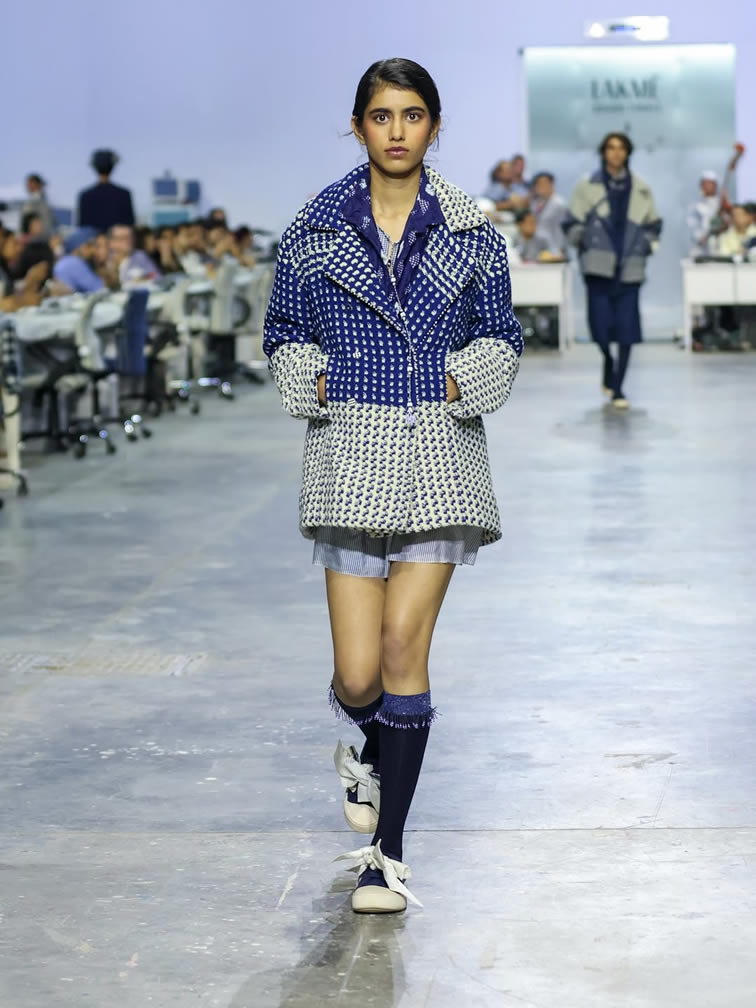
Beyond individual collections, Lakmé Fashion Week 2026 told a bigger story:
- A shift toward “Future-Modern” design thinking
- Growing appetite for investment fashion and luxury prêt
- Revival of craft traditions through contemporary lenses
- Integration of technology, movement, and AI-led creativity
- Expansion into global retail and markets
And then came Péro’s “Out of Office”—a 67-look spectacle that turned everyday workwear into a dreamscape of escapist luxury. It didn’t just close the week; it defined it.
Final Word
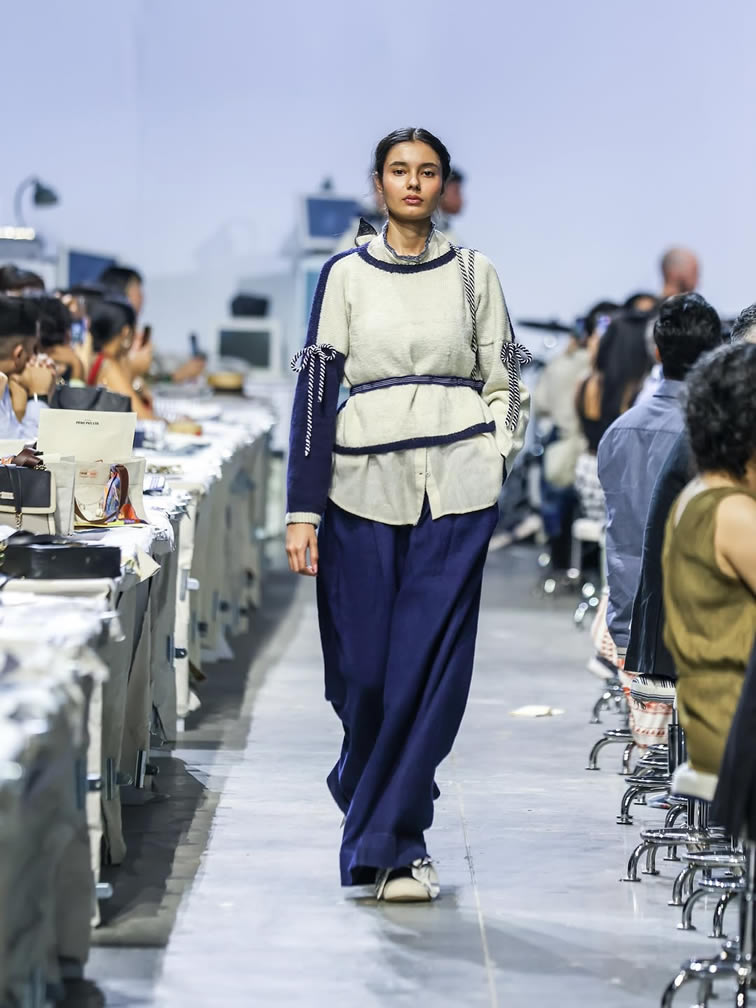
Lakmé Fashion Week x FDCI 2026 wasn’t just a showcase—it was a signal.
A signal that Indian fashion is:
- More confident
- More experimental
- More global than ever before
From bold menswear to tech-infused couture, from sustainability to spectacle, this edition proved one thing unmistakably:
India isn’t following trends anymore—it’s setting them.
“From handwoven heritage to high-tech couture, the runway became a blueprint for fashion’s future.”
 CitiTimes