
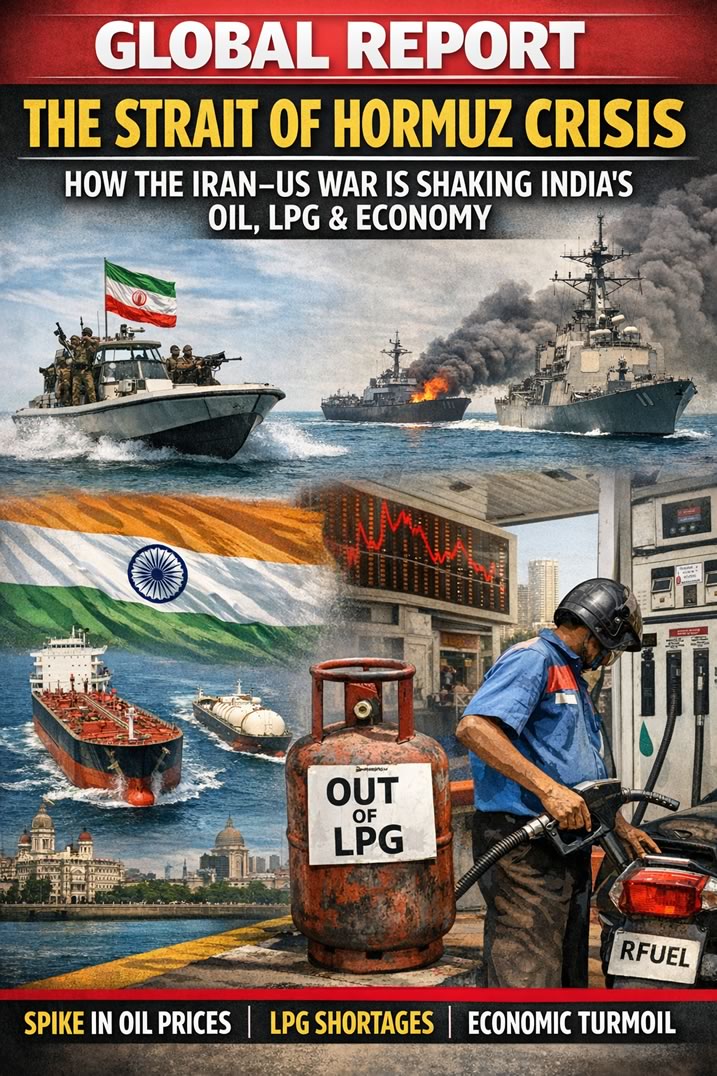
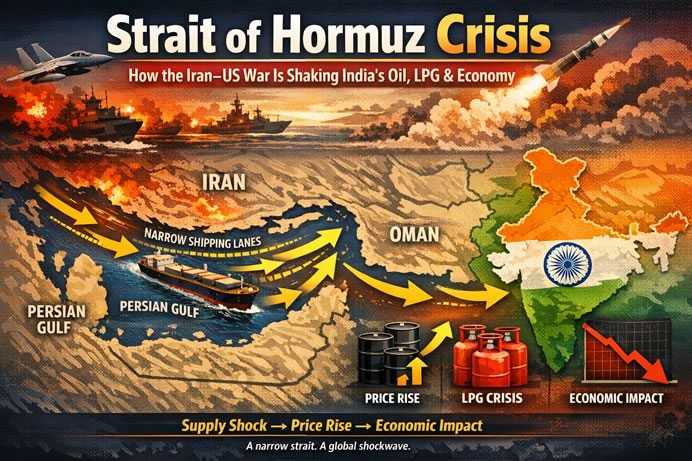
Strait of Hormuz Crisis: How the Iran–US War Is Shaking India’s Oil, LPG, and Economy
By CitiTimes Editorial Desk
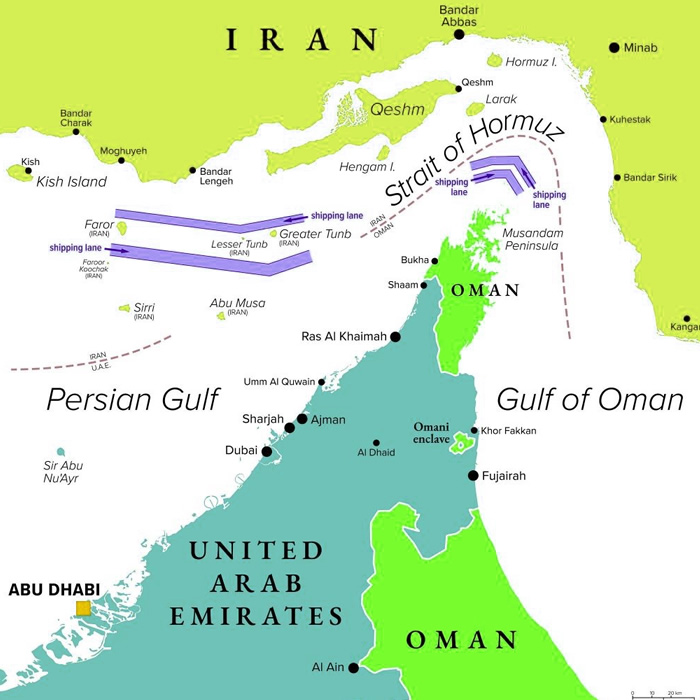
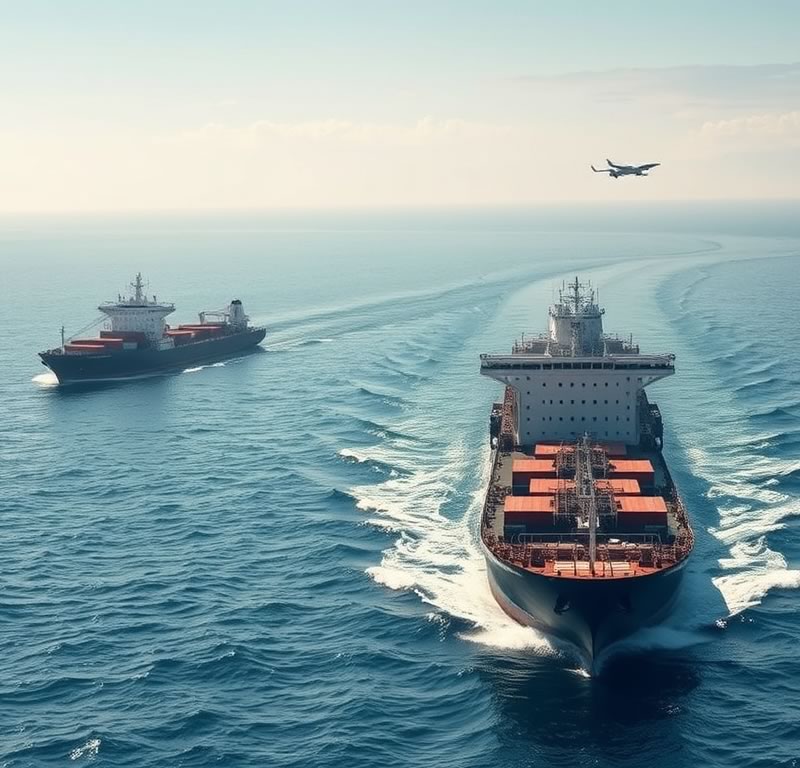
The Strait of Hormuz is one of the most strategically important maritime passages on Earth. Nestled between Iran (north) and Oman (south), it serves as the only sea route connecting the Persian Gulf to the open waters of the Arabian Sea.
Despite being just about 33–54 km wide at its narrowest, this passage handles an astonishing share of global energy flows. Roughly 20–21 million barrels of oil per day—about one-fifth of global consumption—moves through it. Additionally, nearly 20% of the world’s LNG (liquefied natural gas) passes via this route.
• In short, if Hormuz is blocked, the world feels it instantly.
The 2026 Iran–US Conflict: A Flashpoint Turns Global
In late February 2026, tensions escalated into open conflict involving the United States, Iran, and Israel. Within weeks, the situation spiralled into a major geopolitical crisis.
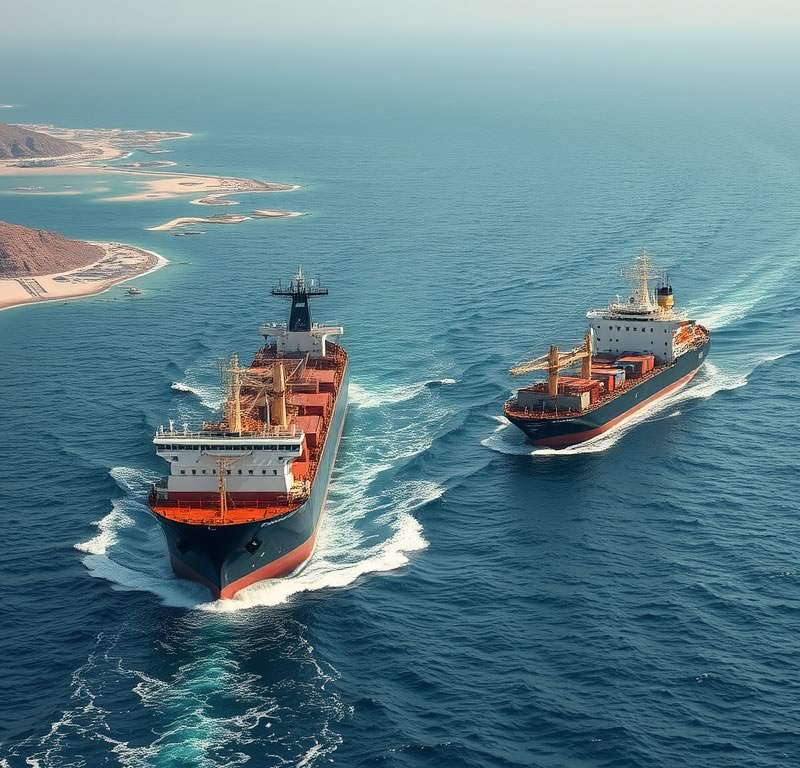
Iran responded to military strikes by effectively disrupting shipping in the Strait of Hormuz—through threats, naval activity, and attacks on vessels. Commercial traffic has dropped sharply, and insurers have pulled back from covering tankers in the region.
The result? A classic supply shock:
- Oil prices surged from ~$70–80 to $100–120+ per barrel
- Shipping costs skyrocketed
- Energy markets entered panic mode
Why India Is Especially Vulnerable
India’s growth story is deeply tied to imported energy—and that’s where the crisis hits hardest.
Oil: Expensive, But Not Immediately Scarce
India imports 85–90% of its crude oil, making it highly exposed to global price swings.
- Around 40–50% of India’s crude imports traditionally pass through Hormuz
- However, diversification (especially imports from Russia) now means ~70% of supplies come via alternative routes
- India also maintains strategic reserves (~50 days of supply)
Impact:
There’s no immediate shortage—but prices are rising fast. That means:
- Costlier petrol and diesel
- Higher transport and logistics costs
- Increased burden on industries like fertilisers and manufacturing
LPG Crisis: The Real Pressure Point
The most severe impact is being felt in cooking gas.
India:
- Imports ~60% of its LPG needs
- And ~90% of those imports come via Hormuz
With the route disrupted, the country is facing a full-blown LPG crunch:
What’s Happening on the Ground
- Cylinder prices have risen by ₹60 (household) and ₹115 (commercial)
- Consumption has dropped 17–26%
- Panic buying and supply shortages are reported
- Restaurants and small businesses are shifting to kerosene and coal
- Industries cutting back operations
The government has stepped in with emergency measures:
- Prioritising household LPG over industrial use
- Diverting refinery output toward cooking gas
- Sourcing LPG from countries like the US, Russia, Norway, and Canada
The Wider Economic Fallout
The ripple effects extend far beyond fuel.
Inflation Is Climbing
Fuel price increases feed directly into:
- Food prices
- Transport costs
- Everyday essentials
Experts estimate a 0.2–0.5% rise in inflation for every $10 increase in oil prices.
Growth Is Slowing
India’s GDP projections are being revised downward to around 6.5%, as higher input costs dampen demand and investment.
External Pressure Mounts
- Current Account Deficit (CAD) is widening
- The Indian Rupee faces depreciation pressure
- Government finances are strained due to rising subsidies
Can India Cushion the Blow?
India is not without options—but they are limited in the short term.
What’s Helping
- Diversified crude sourcing (especially Russia)
- Strategic petroleum reserves
- Emergency policy responses
What’s Not Easily Replaceable
- LPG supply chains are tied heavily to the Gulf
- Limited global spare capacity outside Hormuz routes
- Infrastructure constraints for rapid supply switching
The Bottom Line
The Strait of Hormuz is not just a narrow waterway—it’s a pressure valve for the global economy.
As the 2026 Iran–US conflict continues, India finds itself navigating a complex energy shock:
- Oil is becoming more expensive
- LPG is becoming scarce
- Inflation and fiscal pressures are rising
If the disruption persists, the impact will deepen—especially for ordinary households dependent on LPG for daily cooking.
For now, the situation remains fluid, and the world is watching one narrow stretch of water that holds outsized power over global stability.
 CitiTimes