
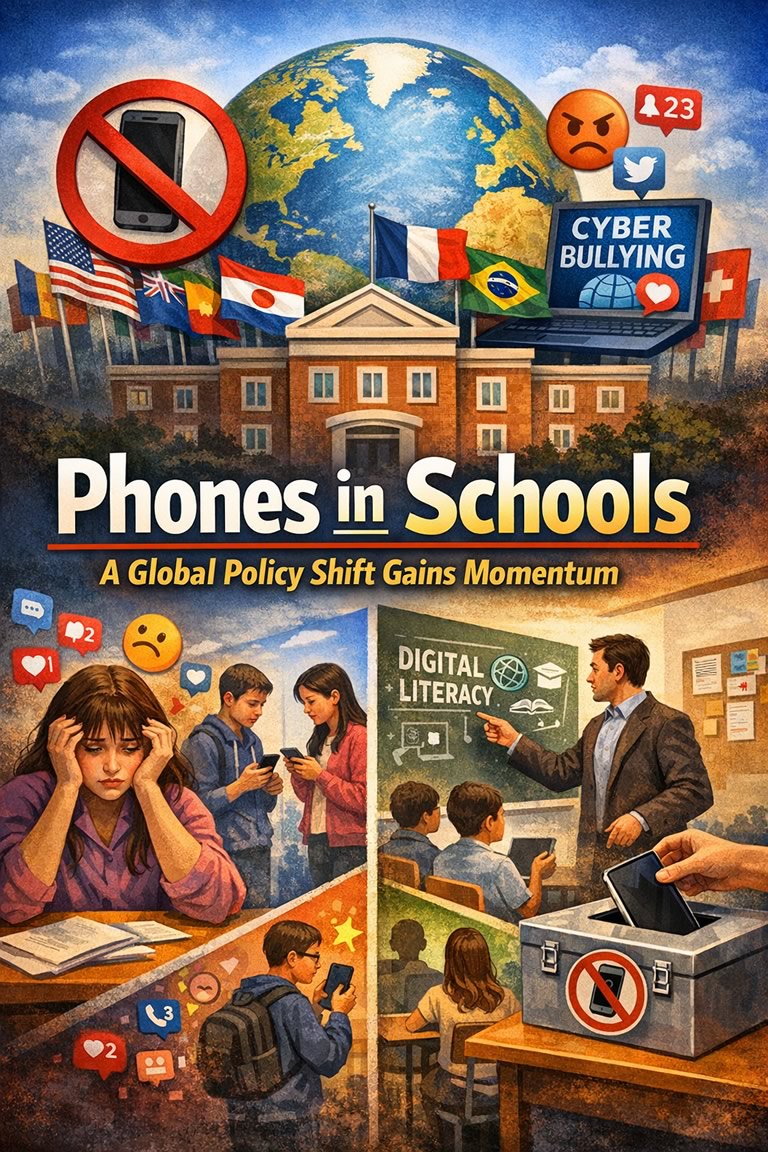
📱 Phones in Schools: A Global Policy Shift Gains Momentum
By CitiTimes Editorial Desk | March 23, 2026
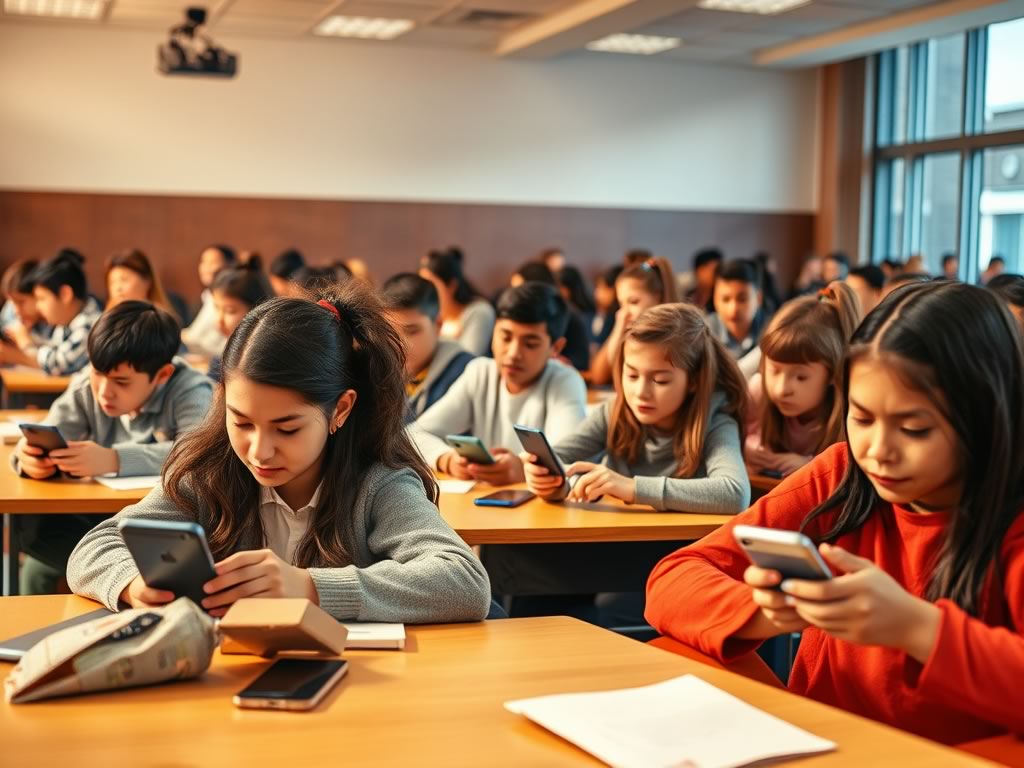
The debate over mobile phones in schools has moved from the margins to the mainstream. What began as scattered national initiatives has now become a sweeping global trend. According to UNESCO’s latest Global Education Monitoring (GEM) Report, 114 education systems worldwide—representing 58% of countries—have enacted national bans on mobile phones in schools. Just three years ago, that figure was only 24%.
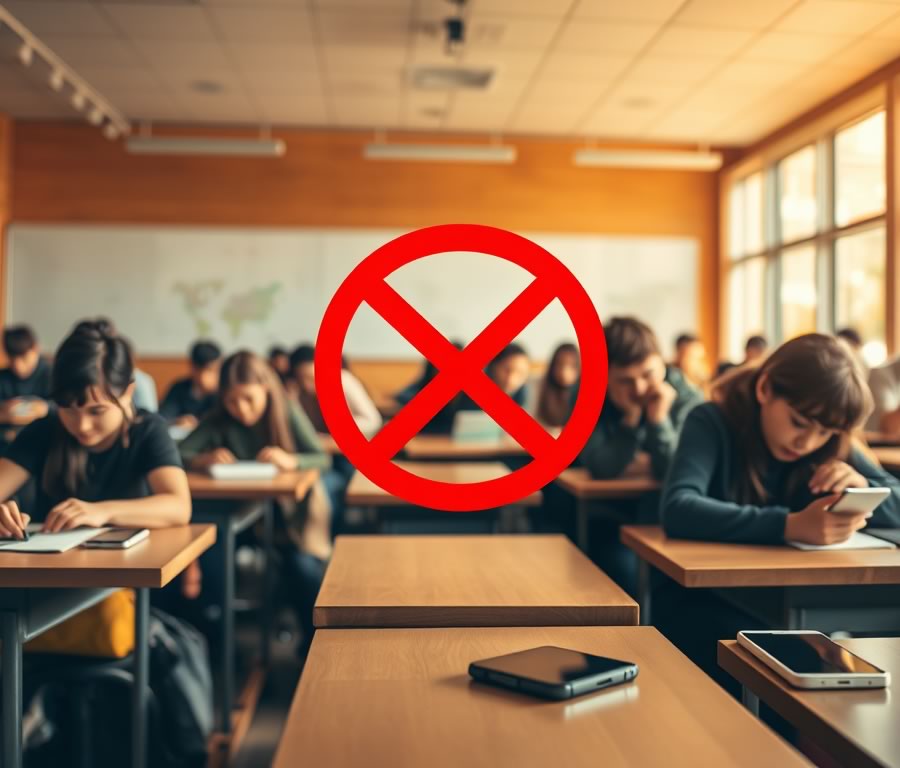
🚫 Why the Rapid Rise?
Governments are increasingly concerned about:
- Classroom distraction and declining attention spans.
- Cyberbullying and online harassment.
- The broader influence of social media environments on children’s well-being.
The evidence is sobering. UNESCO’s Tech on her terms report highlighted that girls are twice as likely as boys to suffer from eating disorders linked to social media. Facebook’s own research revealed that 32% of teenage girls felt worse about their bodies after using Instagram. TikTok’s algorithm, alarmingly, pushes body image content every 39 seconds and eating disorder-related content every eight minutes.
🌍 Different Paths, Same Concerns
While bans are spreading, approaches vary:
- Full national bans: Countries like Bolivia, Costa Rica, Croatia, Georgia, the Maldives, and Malta have recently joined the list.
- School-level autonomy: Nations such as Colombia, Estonia, Lithuania, and the UK require schools to restrict phone use but stop short of outright bans.
- Subnational action: In decentralized systems, local governments are leading. For example, Buenos Aires province in Argentina bans phones in primary schools, while several German Länder have tightened restrictions. In the U.S., 39 states now regulate phone use through statewide bans or district-level policies.
🇫🇷 France: A Case Study in Ongoing Debate
France was among the first to introduce a national ban in primary and lower secondary schools. Now, policymakers are considering further regulation, with a legislative proposal under review in parliament. The French case illustrates how bans are not static—they evolve as societies grapple with the broader digital landscape young people face.
Beyond Bans: The Digital Literacy Imperative
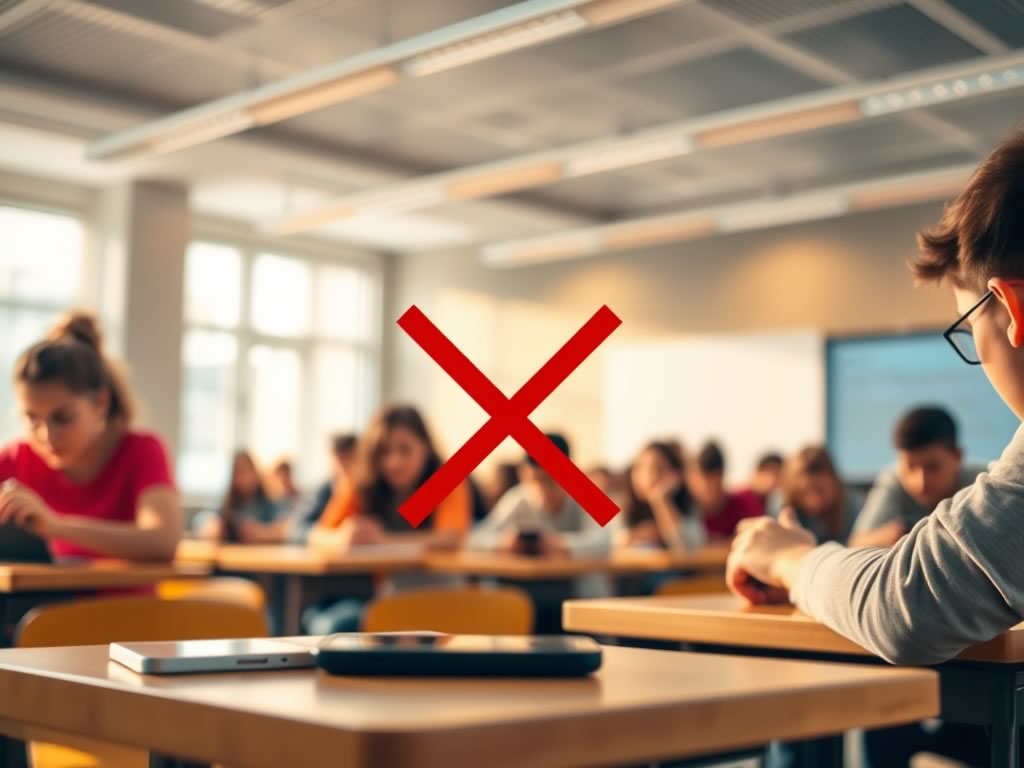
UNESCO cautions that bans alone cannot solve the digital challenge. Schools remain one of the few places where young people can learn:
- How to critically assess online information.
- How to manage screen time.
- How to understand risks associated with digital platforms.
The policy challenge is therefore twofold: protect learning time while also preparing students for a digital world.
📊 What’s Next?
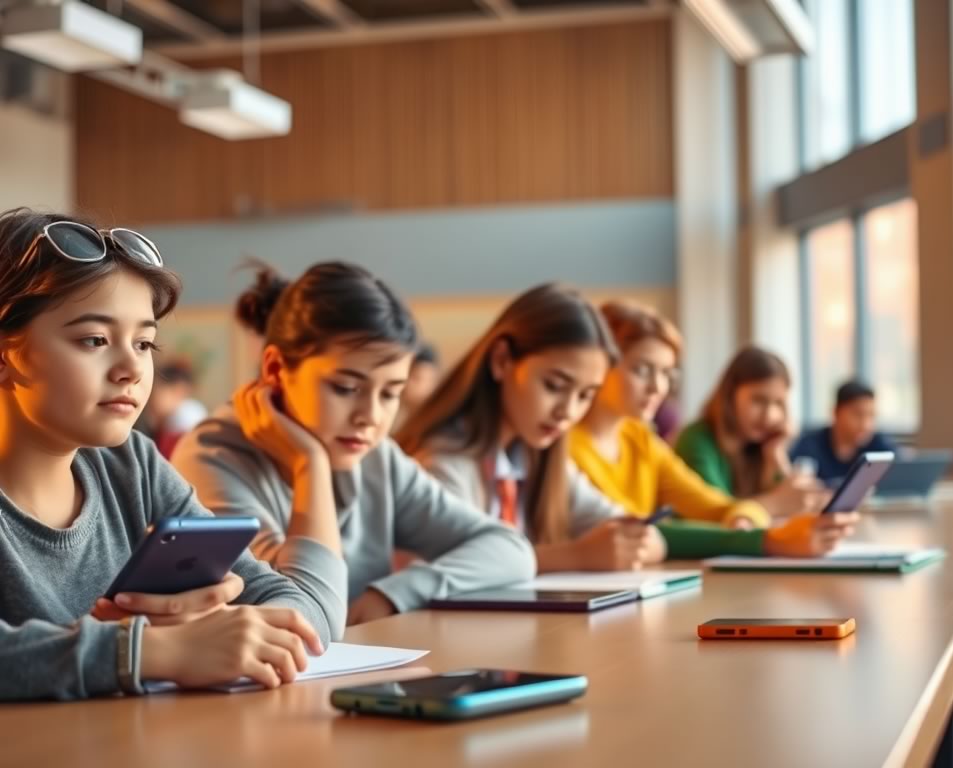
With more than half of the world’s education systems now restricting phone use, the issue has become a mainstream educational priority. Yet diversity in approaches shows countries are still searching for balance—between limiting distraction and teaching responsible technology use.
The upcoming GEM Report trilogy (Countdown to 2030) will continue to explore these themes, focusing on quality and learning (2027) and relevance (2028/9).

✨ Key Takeaway
The debate is no longer about whether phones belong in schools. It’s about how technology should be used—on the terms of educators and students, not algorithms or corporations.
 CitiTimes