
World Economic Forum 2026: Rekindling Global Trust Through a Spirit of Dialogue
By CitiTimes Editorial Desk
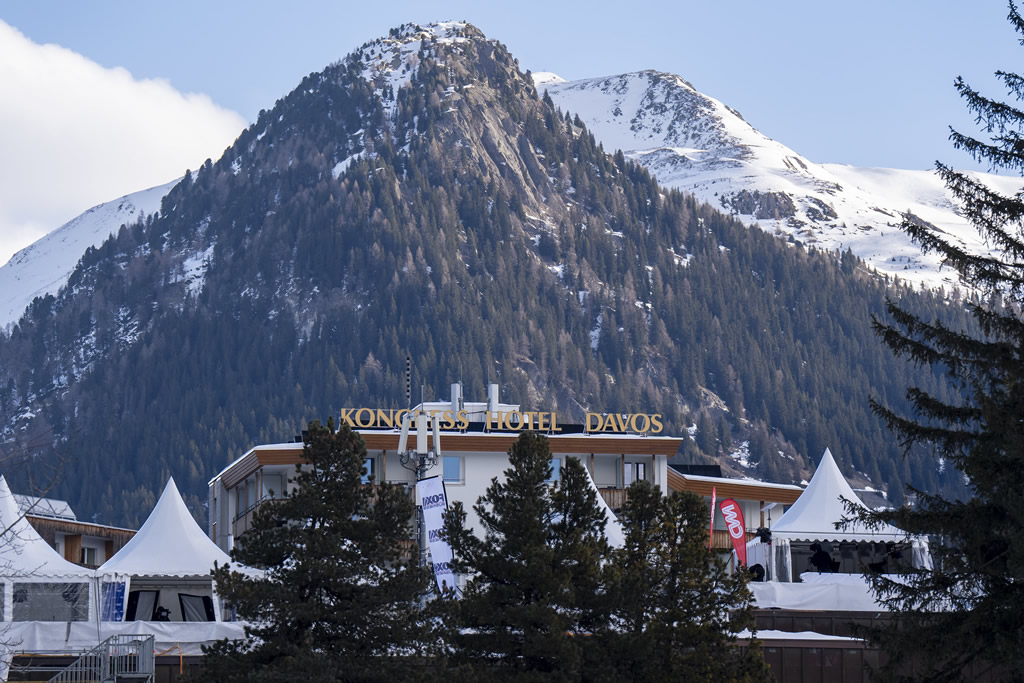
From January 19 to 23, 2026, the alpine town of Davos-Klosters in Switzerland will once again become the epicentre of global decision-making as the World Economic Forum convenes its 56th Annual Meeting. At a time marked by geopolitical tensions, economic fragmentation, climate urgency, and rapid technological disruption, the Forum’s theme—“A Spirit of Dialogue”—signals a deliberate return to conversation, cooperation, and consensus-building.
A Moment That Demands Conversation
The 2026 meeting arrives at a crucial juncture for global cooperation. As nations grapple with slowing growth, climate transitions, AI governance, supply-chain realignments, and widening social divides, Davos aims to move beyond rhetoric toward constructive engagement. The emphasis this year is not merely on debate, but on dialogue—listening across divides, rebuilding trust, and forging practical pathways forward.

An Unprecedented Global Gathering
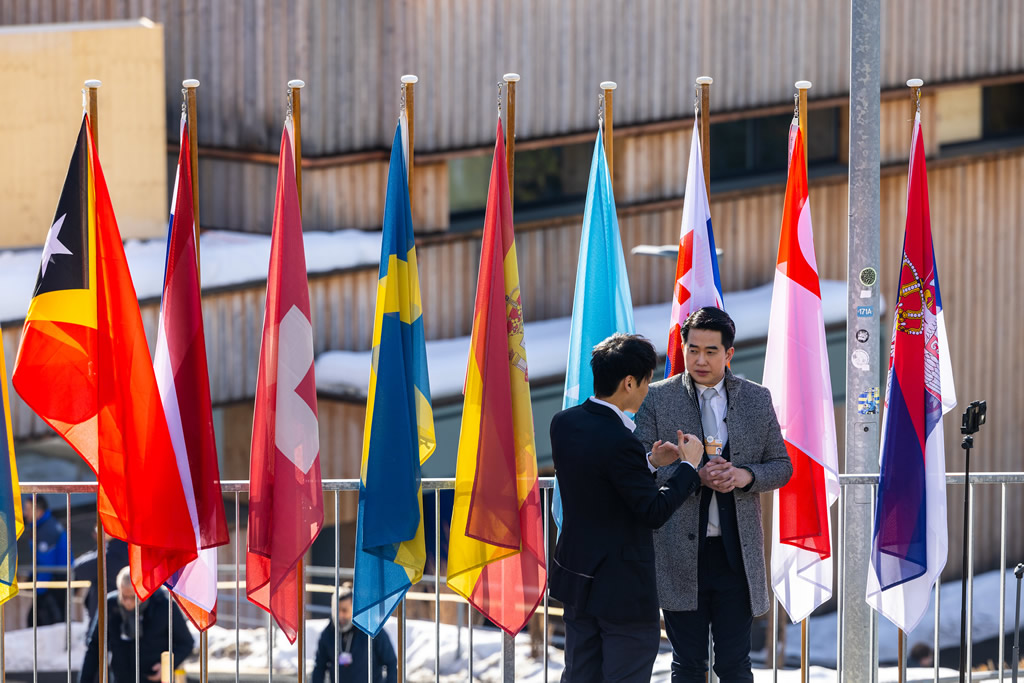
Reflecting the urgency of the moment, the World Economic Forum 2026 will host nearly 3,000 leaders from more than 130 countries, making it one of the most broadly representative Davos meetings to date.
- Government and Public Leadership:
A record 400 high-ranking political leaders are expected, including nearly 65 heads of state and government and six leaders from the G7 nations. Their presence underscores the Forum’s growing role as a neutral platform for diplomacy and multilateral coordination. - Business and Industry:
Around 850 of the world’s top CEOs and chairpersons will participate, representing sectors ranging from finance, energy, and manufacturing to healthcare, media, and advanced technologies. Their discussions will focus on navigating uncertainty while driving sustainable and inclusive growth. - Innovation and Technology:
Nearly 100 leading unicorns and technology pioneers are set to attend, highlighting Davos’ increasing focus on frontier technologies—artificial intelligence, quantum computing, clean tech, and biotechnology—and their governance at scale. - Civil Society and Academia:
Leaders from international organizations, non-profits, think tanks, and universities will contribute perspectives on equity, ethics, education, and the societal impact of global transformation.
Agenda Highlights: What Will Shape Davos 2026
The programme for the 56th Annual Meeting is expected to revolve around several interconnected priorities:
- Revitalising Multilateralism: Strengthening international institutions and cooperation frameworks in an era of strategic rivalry.
- Economic Resilience: Addressing debt, inflation, trade realignments, and inclusive growth in both developed and emerging economies.
- Climate and Energy Transition: Accelerating climate action while ensuring energy security and a just transition.
- Technology and Trust: Governing AI and digital platforms responsibly, balancing innovation with ethics and accountability.
- Human Capital and Social Cohesion: Investing in skills, jobs, and social systems to prevent widening inequality and fragmentation.

Davos as a Platform for Dialogue
Beyond formal sessions, Davos-Klosters will once again host hundreds of bilateral meetings, informal roundtables, and cross-sector conversations—often where breakthroughs quietly begin. In keeping with the theme, the Forum is positioning itself less as a stage for grand declarations and more as a listening space for competing viewpoints to converge.
Switzerland will host this year’s meeting, which is expected to draw 400 government leaders. This participation marks the highest level of government involvement in the Annual Meeting’s history. Among those attending will be nearly 65 heads of state and government, 55 ministers of economy and finance, 33 ministers of foreign affairs, 34 ministers of trade, commerce, and industry, and 11 governors of central banks. High-level representation is anticipated from all key regions, including six leaders from the G7 and heads of state from countries crucial to discussions on critical global issues, such as Ukraine, Gaza, and the broader Middle East, and beyond.
Top political leaders participating include:
- Donald Trump, President of the United States of America
- Mark Carney, Prime Minister of Canada
- Friedrich Merz, Federal Chancellor of Germany
- Ursula von der Leyen, President of the European Commission
- He Lifeng, Vice Premier of the People’s Republic of China
- Javier Milei, President of Argentina
- Prabowo Subianto, President of Indonesia
- Pedro Sánchez, Prime Minister of Spain
- Guy Parmelin, President of the Swiss Confederation (2026)
- Vahagn Khachaturyan, President of the Republic of Armenia
- Ilham Aliyev, President of the Republic of Azerbaijan
- Bart De Wever, Prime Minister of Belgium
- Gustavo Petro, President of Colombia
- Félix-Antoine Tshisekedi Tshilombo, President of the Democratic Republic of the Congo
- Daniel Noboa Azín, President of Ecuador
- Alexander Stubb, President of Finland
- Kyriakos Mitsotakis, Prime Minister of Greece
- Micheál Martin, Taoiseach of Ireland
- Aziz Akhannouch, Head of Government of the Kingdom of Morocco
- Daniel Francisco Chapo, President of Mozambique
- Dick Schoof, Prime Minister of the Netherlands
- Mian Muhammad Shehbaz Sharif, Prime Minister of Pakistan
- Mohammed Mustafa, Prime Minister of the Palestinian National Authority
- Karol Nawrocki, President of Poland
- Mohammed Bin Abdulrahman Al Thani, Prime Minister and Minister of Foreign Affairs of the State of Qatar
- Aleksandar Vučić, President of Serbia
- Tharman Shanmugaratnam, President of Singapore
- Isaac Herzog, President of the State of Israel
- Ahmad Al Sharaa, President of Syria
- Volodymyr Zelenskyy, President of Ukraine
The following international leaders will be participating:
- António Guterres, Secretary-General of the United Nations
- Ngozi Okonjo-Iweala, Director-General of the World Trade Organization
- Kristalina Georgieva, Managing Director of the International Monetary Fund
- Ajay S. Banga, President of the World Bank Group
- Mark Rutte, Secretary-General of the North Atlantic Treaty Organization
- Tedros Adhanom Ghebreyesus, Director-General of the World Health Organization
- Alexander De Croo, Administrator of the United Nations Development Programme
- Mathias Cormann, Secretary-General of the Organisation for Economic Cooperation and Development
- Doreen Bogdan-Martin, Secretary-General of the International Telecommunication Union
- Barham Salih, UN High Commissioner for Refugees
- Jasem Al Budaiwi, Secretary-General of the Gulf Cooperation Council
Approximately 1,700 business leaders will participate, including nearly 850 of the world’s top CEOs and chairpersons from the World Economic Forum’s members and partners. Additionally, almost 100 CEOs and chairpersons from unicorn companies and tech pioneers transforming industries and shaping the global future of technology will be in attendance.
Looking Ahead
As the world faces overlapping crises and opportunities, the World Economic Forum 2026 seeks to reaffirm a simple yet powerful idea: progress begins with dialogue. Whether it leads to renewed cooperation, pragmatic compromises, or bold collective action, Davos this year aims to remind global leaders that meaningful solutions are forged not in isolation but through sustained, respectful conversation.
“In a fractured world, Davos 2026 calls leaders back to the table—where dialogue becomes the first step toward global renewal.”
— CitiTimes Editorial Creator is a member of the World Economic Forum Network.
 CitiTimes