
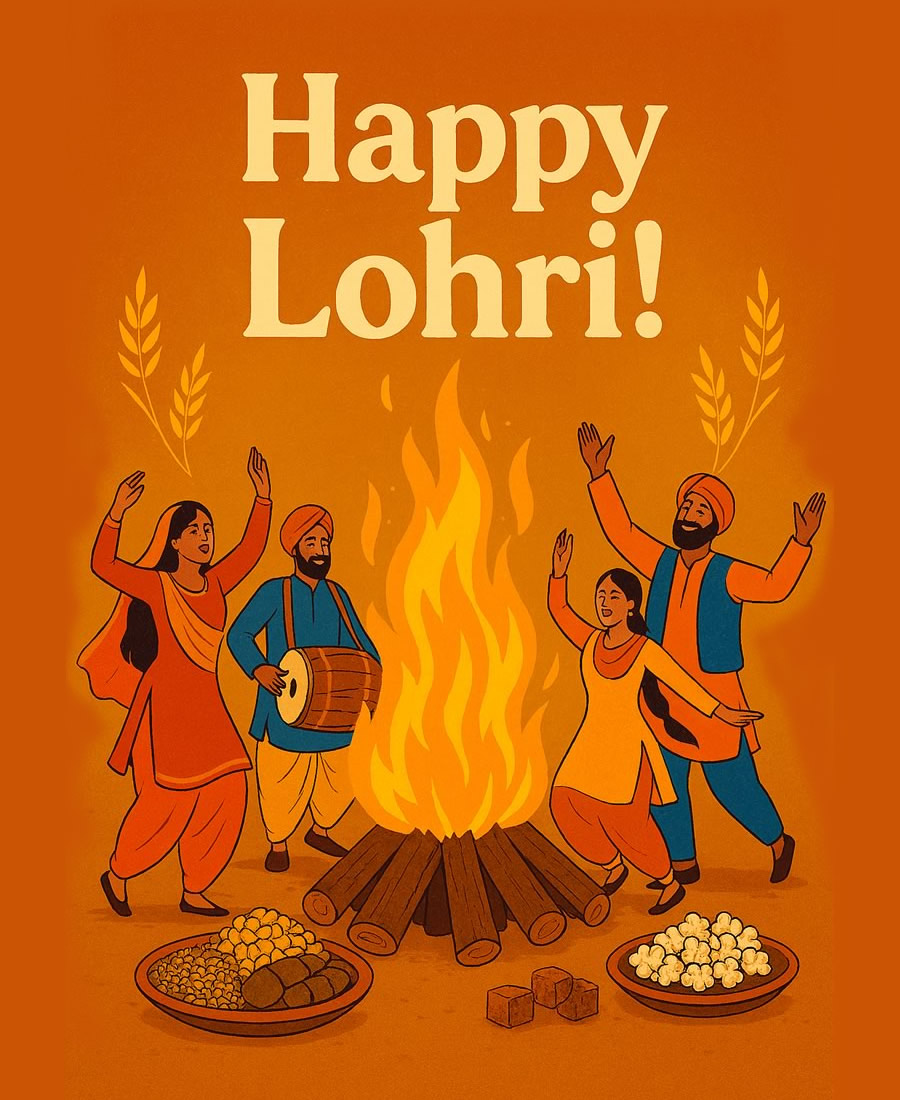
Discover Lohri: A Cultural Tapestry of Rural Punjab
By CitiTimes Editorial Desk
Lohri is one of Punjab’s most cherished festivals—a radiant celebration that arrives in the heart of winter, filling fields and courtyards with light, laughter, and song. Observed on January 13 each year, it marks not just the end of the cold season but the promise of longer, sun-filled days ahead.
For generations of rural and older Punjabis, Lohri has been more than a date on the calendar. It is the festival of the land—rooted in harvest, kinship, and the rhythms of village life. It carries the scent of sugarcane, the sound of crackling fires, and the stories of ancestors who lived by the soil and the seasons.
Roots in Agrarian Life and Generational Memory
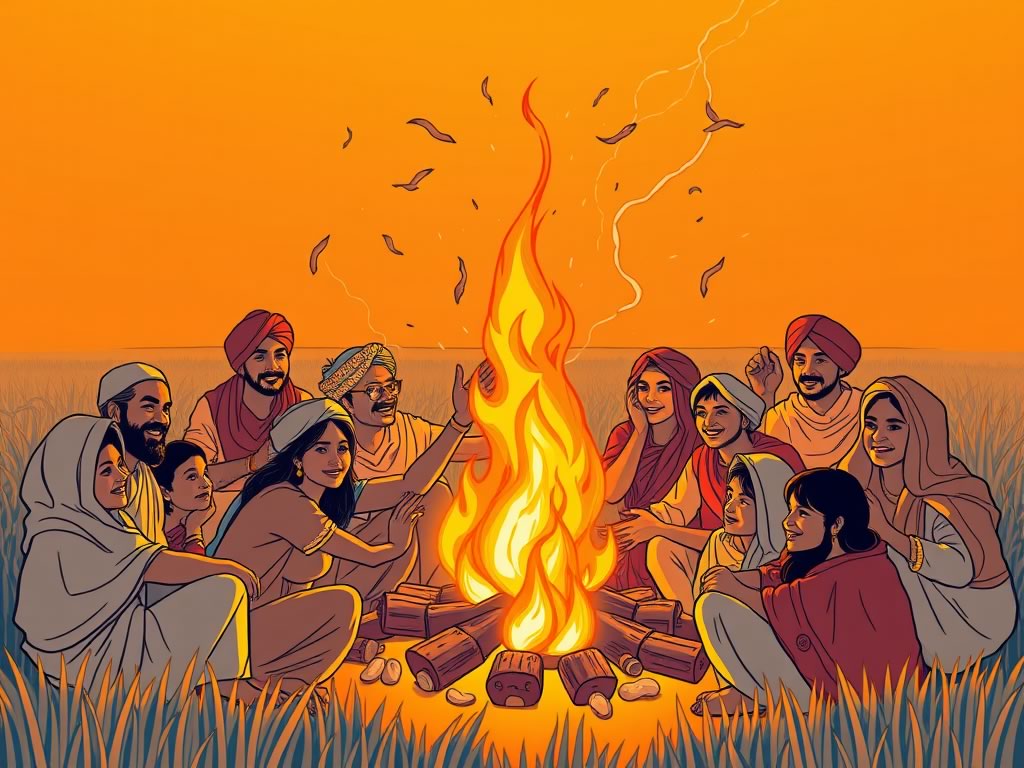
Lohri emerges from Punjab’s agrarian heart. It celebrates the harvest of rabi crops—especially sugarcane, wheat, and mustard—and expresses gratitude to nature for her gifts. For farming communities, the festival marks a sacred pause: fieldwork completed, the harvest gathered, and renewed hope for the year ahead.
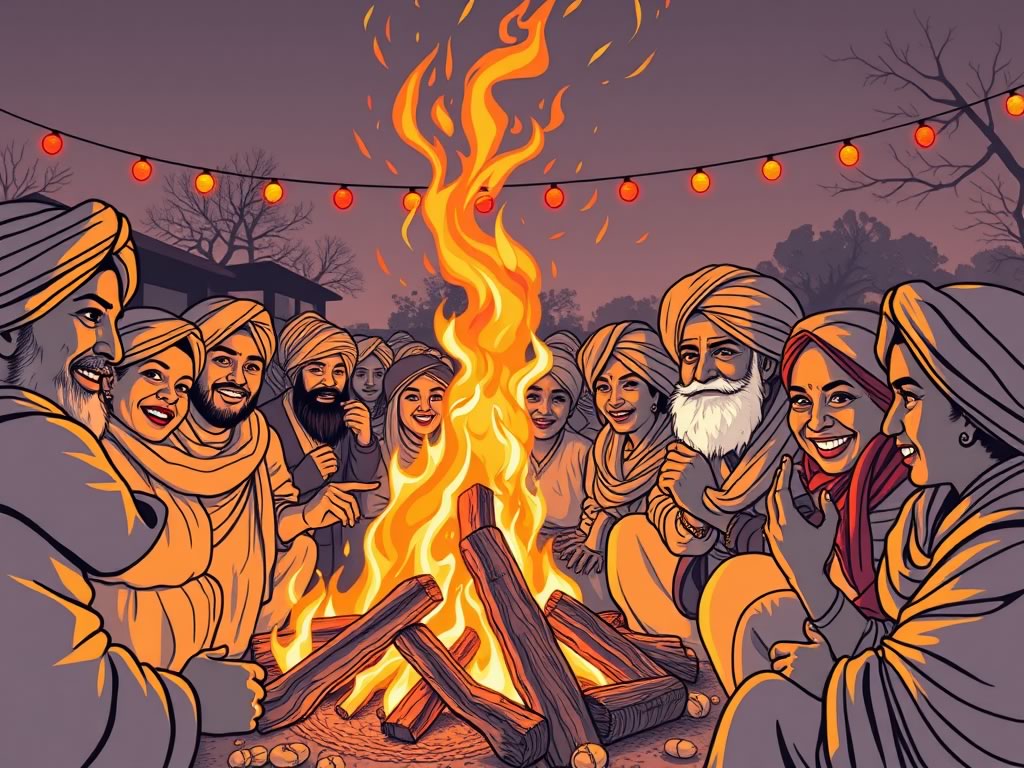
Among older Punjabis from rural backgrounds, Lohri stirs deep nostalgia. Their eyes light up when recalling evenings around the village bonfire—elders singing timeless songs, children circling the fire with rewri and peanuts in hand. For them, the festival embodies the warmth of a life lived close to the land, labor, and shared traditions.
The Bonfire: Where Hearts Gather
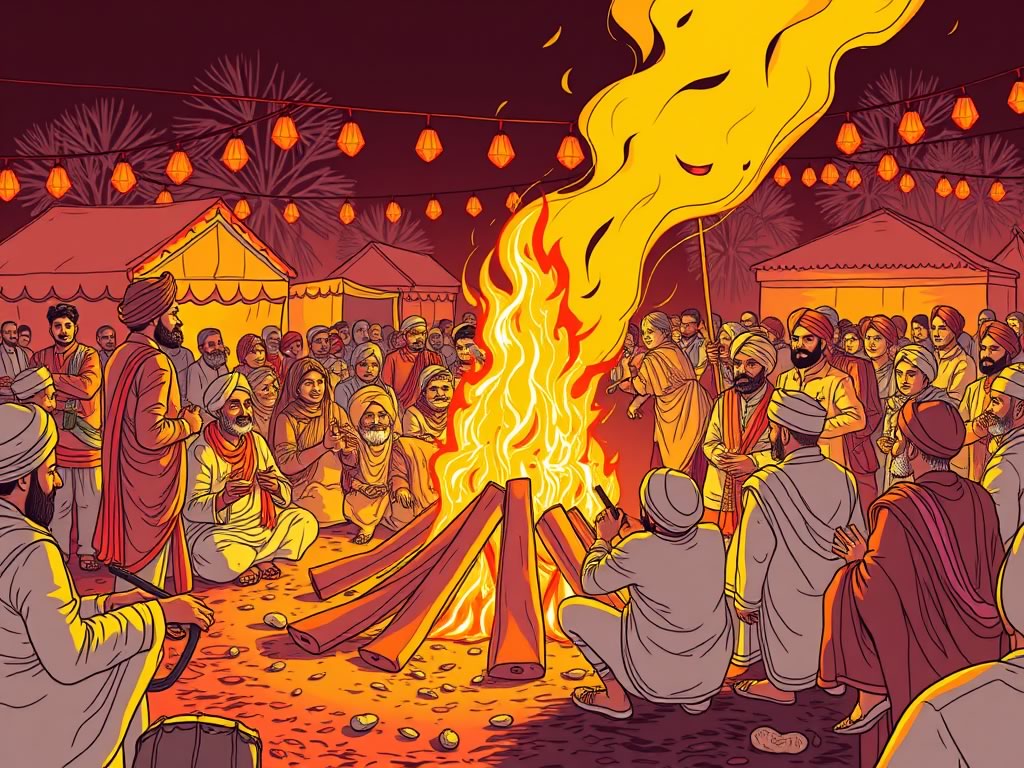
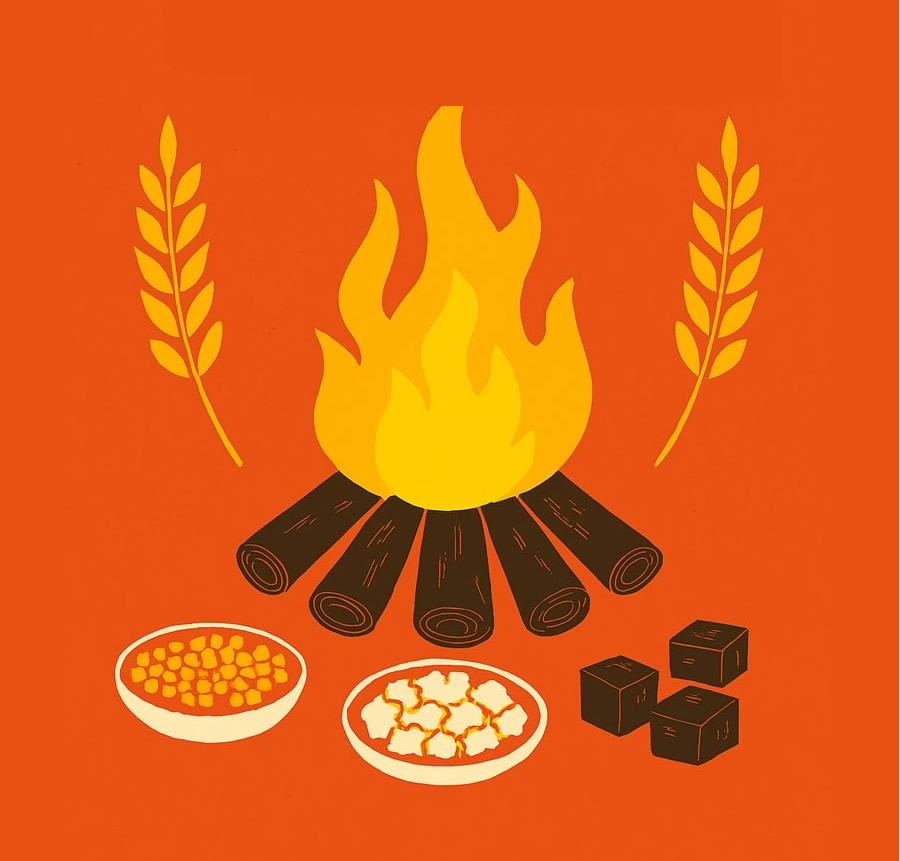
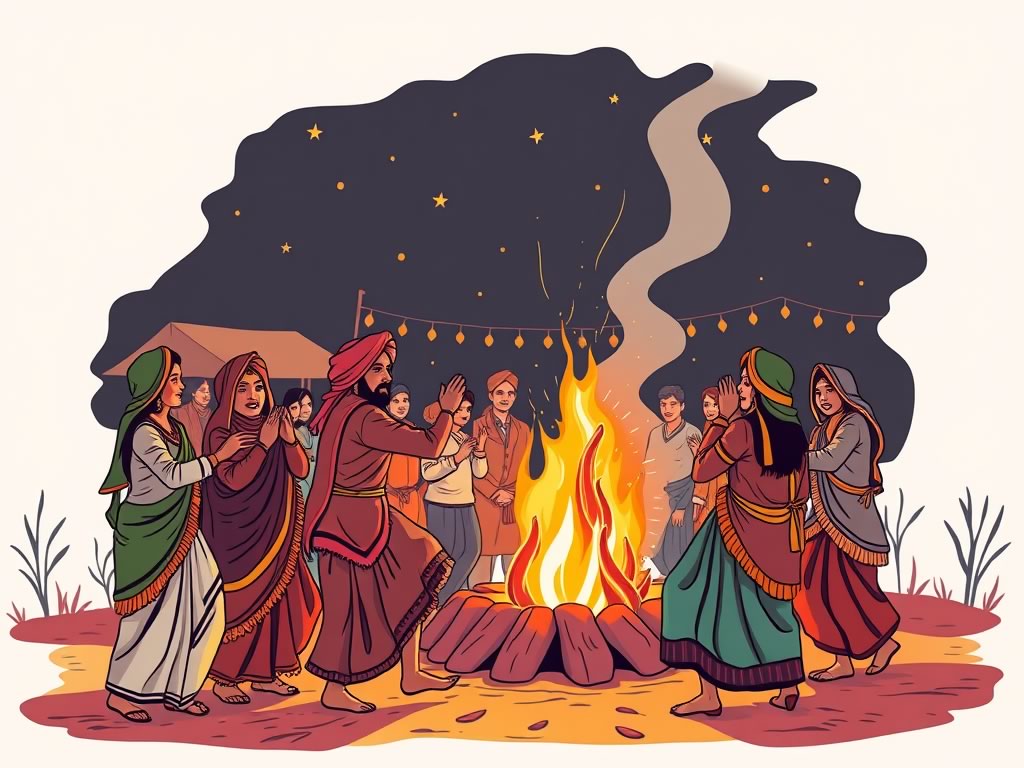
At the core of Lohri is the bonfire, a gathering point that draws old and young, family and neighbors. Flames rise into the winter sky as people gather to toss rewri, gajak, peanuts, popcorn, and sesame seeds into the fire—humble offerings symbolizing gratitude, purification, and renewal.
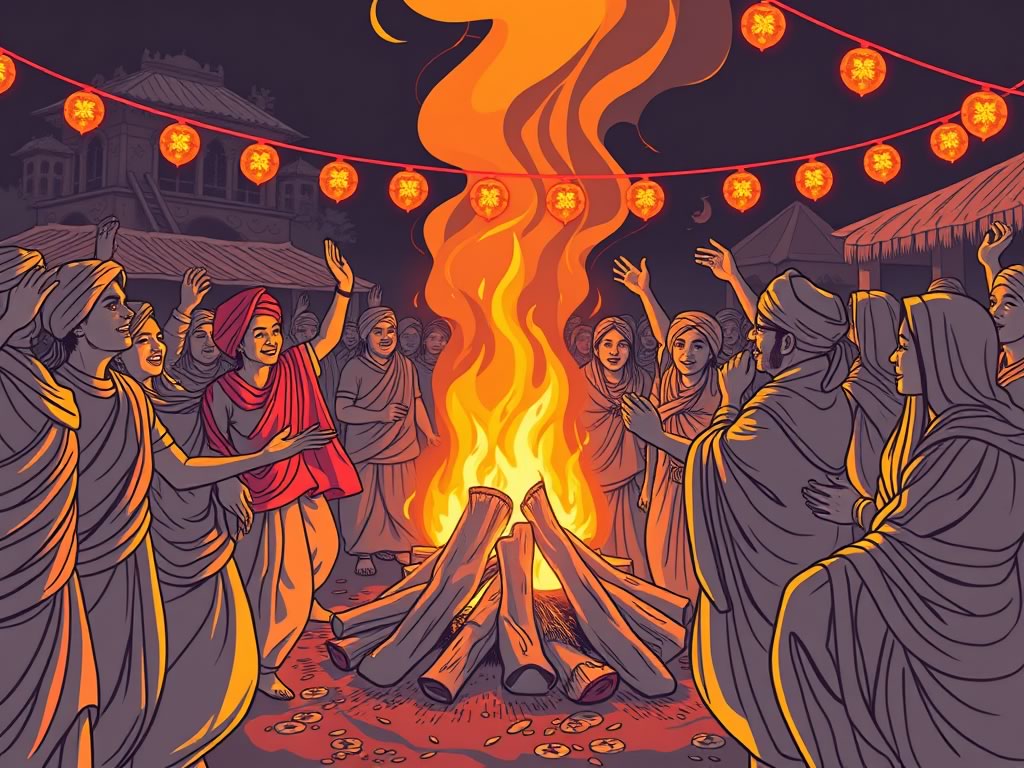
Around the blaze, songs of Dulla Bhatti, Punjab’s folk hero, resound in rhythmic unison. The light and heat of the fire mirror the spirit of resilience and togetherness—values older generations hold most dear.
Folk Rhythms and Rural Joy
The dhol’s beat reverberates across villages and towns, setting the pace for bhangra and giddha—dances that mirror the joy of harvest and community. In rural Punjab, these moments preserve an unbroken folk spirit: spontaneous, proud, and unpretentious.
Even as Lohri has found its way into urban celebrations and diaspora homes, its soul remains in the countryside, where every flame still feels like a thread binding the present to the past.
Folklore
Songs are often sung in praise of Dulla Bhatti, a local hero from the Mughal era known for rescuing girls from slavery and arranging their marriages.
First Lohri: The Circle of Blessing
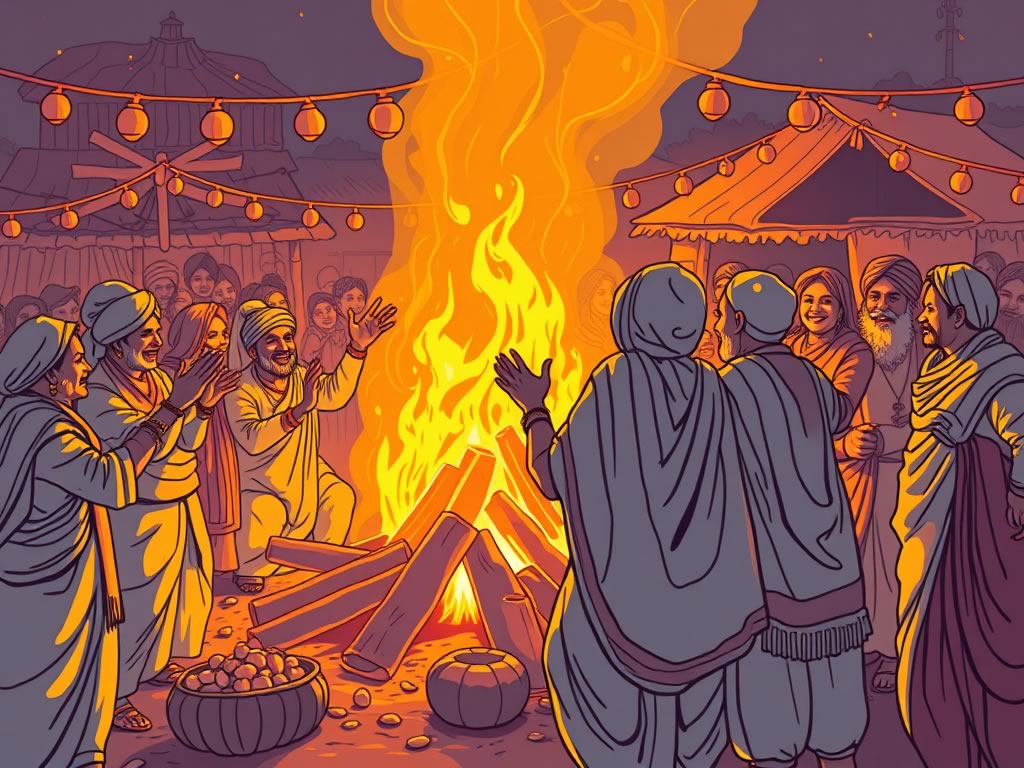
The first Lohri—whether for a newborn or a newlywed—is a highlight of Punjabi family and social life. Family members lead the prayers and songs, blessing the young with wishes for abundance and harmony. In these rituals, the festival renews its timeless purpose: to pass on joy and belonging.
Warmth, Food, and Belonging
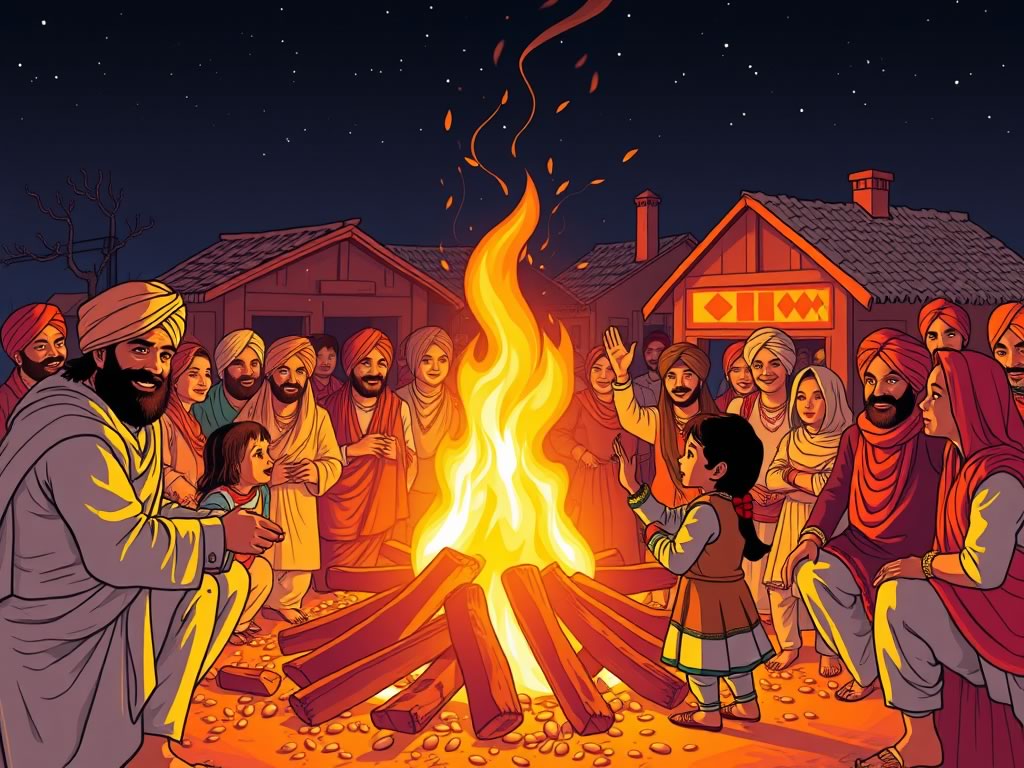
Hearty winter foods define the festival—sarson da saag, makki di roti, and an abundance of sweets made from sesame and jaggery. Shared meals at Lohri are more than feasts; they are acts of community, gestures of warmth amid the season’s chill.
A Festival That Endures
Though times have changed, Lohri remains the heartbeat of Punjab’s cultural memory. For rural, older Punjabis, it continues to embody the spirit of the land—its cycles of labor, gratitude, and celebration. The glow of the bonfire, the chorus of folk songs, and the taste of rewri remind them that even in winter’s cold, community and warmth never fade.
“For rural, older Punjabis, Lohri is not just a date on the calendar—it is a feeling of home, heritage, and hope, rekindled year after year.”
“Long before it reached city terraces, Lohri belonged to the fields—to farmers, elders, and the rhythm of the land itself.”
 CitiTimes