
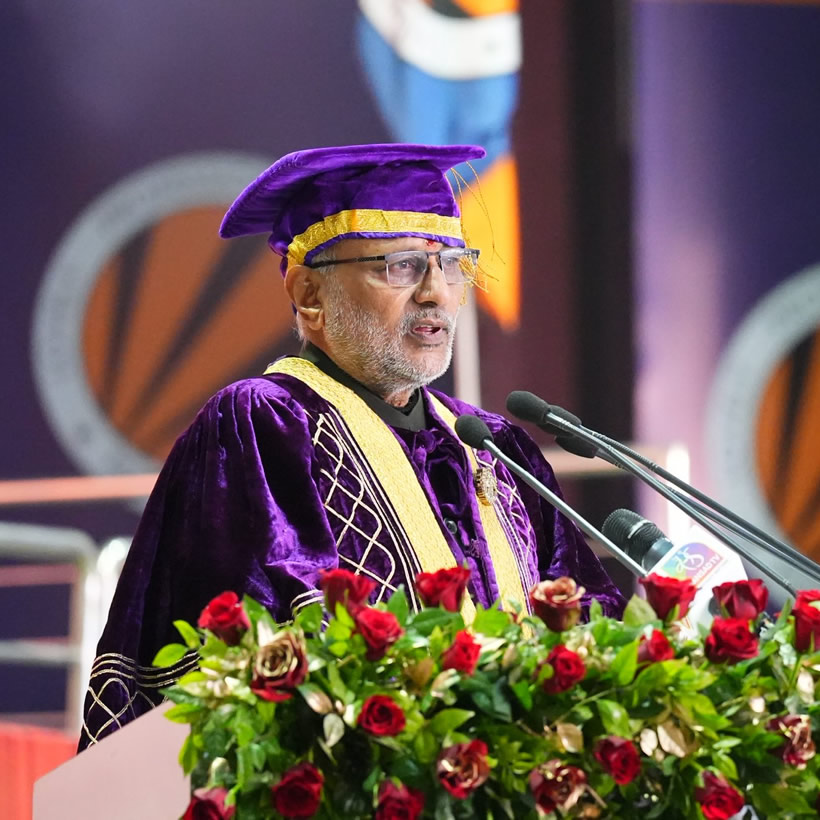


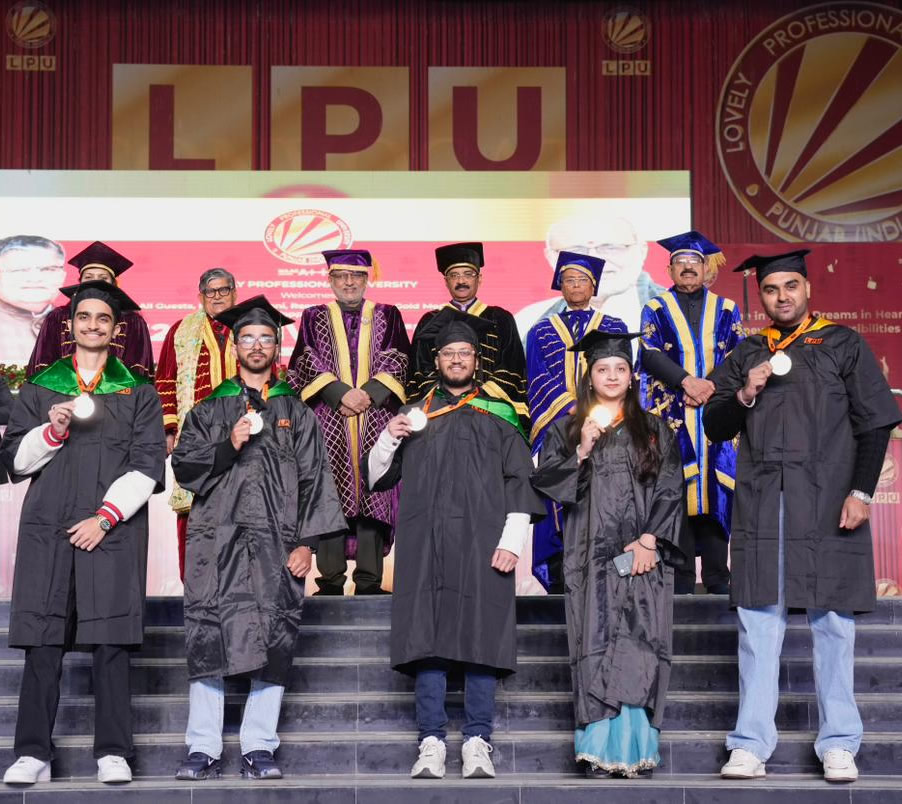
Photos: The Vice-President of India, Shri C. P. Radhakrishnan, addressed the Convocation Ceremony of Lovely Professional University (LPU) at Phagwara, Punjab, on January 9, 2026. Shri Gulab Chand Kataria, Governor of Punjab and Administrator of Chandigarh, also attended the ceremony.
A Snub in Plain Sight: Why the Vice President Chose Lovely Professional University Over Panjab University
By CitiTimes Editorial Desk
“A university that once commanded national respect now struggles to draw its own Chancellor’s presence.”
Phagwara, Punjab, India, January 9, 2026 —
Some gestures speak louder than any press release. When Vice President Shri C. P. Radhakrishnan declined to attend Panjab University’s convocation—after the institution had bent over backward to reschedule the event for him—it wasn’t just a diary clash. It was a statement. That statement crystallized when he appeared as the chief guest at Lovely Professional University’s convocation in Phagwara.
“When Panjab University made space for the nation’s elite, the elite found somewhere shinier to stand.”
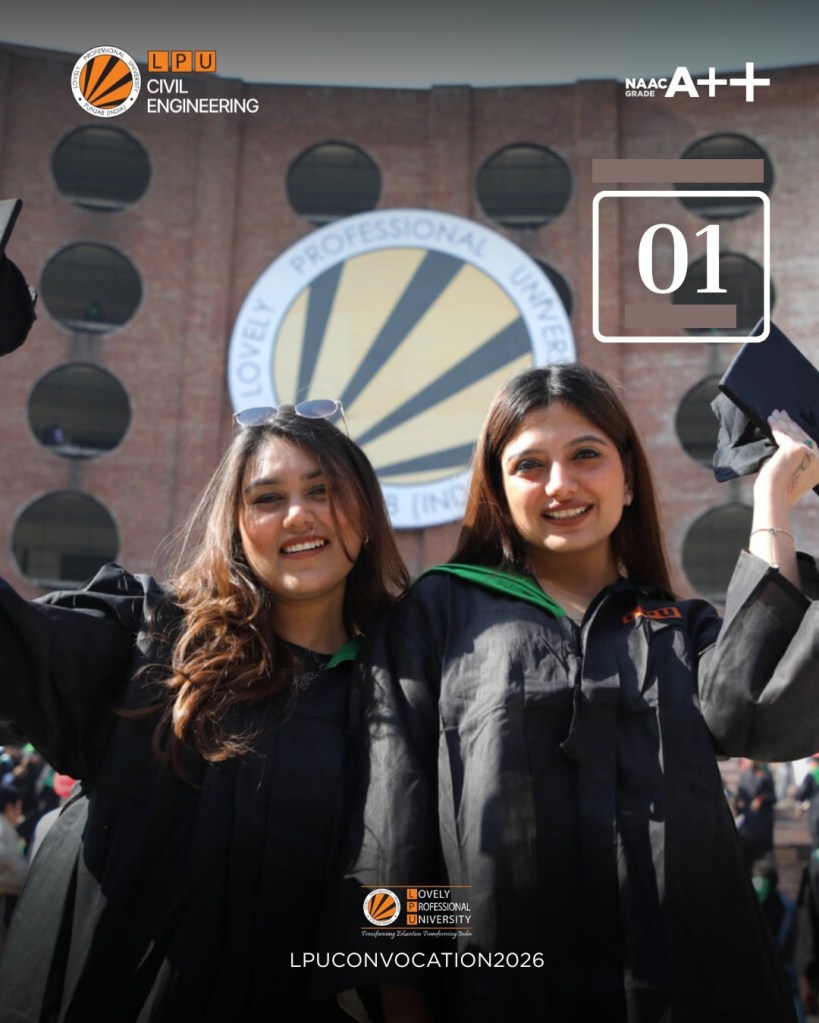
Let’s be clear: this wasn’t about convenience; it was about choice. The nation’s second-highest constitutional officeholder—who also happens to be Panjab University’s Chancellor—opted out of the capital of Punjab’s academic heritage in favour of a private university that has rapidly climbed the ranks of India’s higher-education hierarchy. With its NAAC A++ grade—the highest possible for institutional quality—and consistent placement above Panjab University in prominent global rankings, Lovely Professional University represents the new face of Indian academia: corporate efficiency, global branding, and aspirational polish.
“When the Chancellor skips his own university’s convocation, it’s not the calendar that’s out of order — it’s the priorities.”
In optics, however, the choice carries weight. For Panjab University—an institution once synonymous with intellectual gravitas—the Vice President’s absence landed like a public rebuke. Administrators reshuffled calendars, reoriented ceremonial plans, and extended every courtesy. What they received in return was silence—and a headline from Phagwara. The contrast is striking: while PU prepared the dais, power found a more modern stage.
“Skipping Panjab University for Lovely Professional wasn’t logistics—it was preference, plain and simple.”
The symbolism runs deeper than protocol. A constitutional head distancing himself from a historic public university reflects the shifting trajectory of India’s educational landscape. As private universities rise in global rankings, attract strategic investment, and gain political recognition, the country’s public campuses are beginning to look like relics of a bygone era—respected, yes, but receding in relevance. What passes for a “scheduling issue” is, in fact, a sign of ideological transition: from institutions of public purpose to engines of privatized prestige.
“Lovely Professional University may symbolize India’s academic ascent, but Panjab University’s exclusion reveals what’s being left behind.”
For students and alumni of Panjab University, this moment should sting—and stir. The university that once commanded attention from New Delhi now struggles to command the attention of its own Chancellor. Whether or not the Vice President intended it, his absence sent a message. It reads unmistakably: the seat of learning that once anchored the region’s pride has slipped from the national spotlight. The real question is whether Panjab University will absorb the snub—or turn it into a wake-up call to reclaim the dignity, ambition, and defiant intellectual spirit that once defined it.
“A double snub: The Vice President’s absence, even after dictating the date, casts a long shadow on Panjab University’s standing.”
“The Vice President’s absence was louder than any speech — and its silence echoed through Chandigarh.”
 CitiTimes