

Dakar Rally 2026: Into the Sands of Destiny

The desert wakes before dawn. Engines growl against the silence, headlights pierce the mist, and competitors steel themselves for another day in the Dakar Rally 2026—a race that is less about winning and more about surviving.
For nearly half a century, Dakar has been the crucible where human endurance and mechanical resilience are tested against the raw elements. It is not a race for the faint-hearted. It is a pilgrimage into the unknown, where dunes swallow tracks, mountains punish suspensions, and fatigue gnaws at even the strongest wills.
“It is a pilgrimage into the unknown, where dunes swallow tracks and mountains punish suspensions.”
A Legacy Written in Sand
The Dakar story began in 1979, when Thierry Sabine transformed his desert misadventure into a vision: a rally-raid across continents, where the journey mattered as much as the finish line. From the Sahara’s golden expanses to the Andes’ jagged peaks, Dakar has always been a moving epic.
Now, in Saudi Arabia, the rally has found a new stage—vast deserts echoing the spirit of its African origins. The 2026 edition promises routes that twist through canyons, sweep across endless dunes, and climb into rocky highlands, each stage a chapter in a saga of survival.
“Dakar is the crucible where human endurance and mechanical resilience are tested against the raw elements.”

Heroes of Dakar
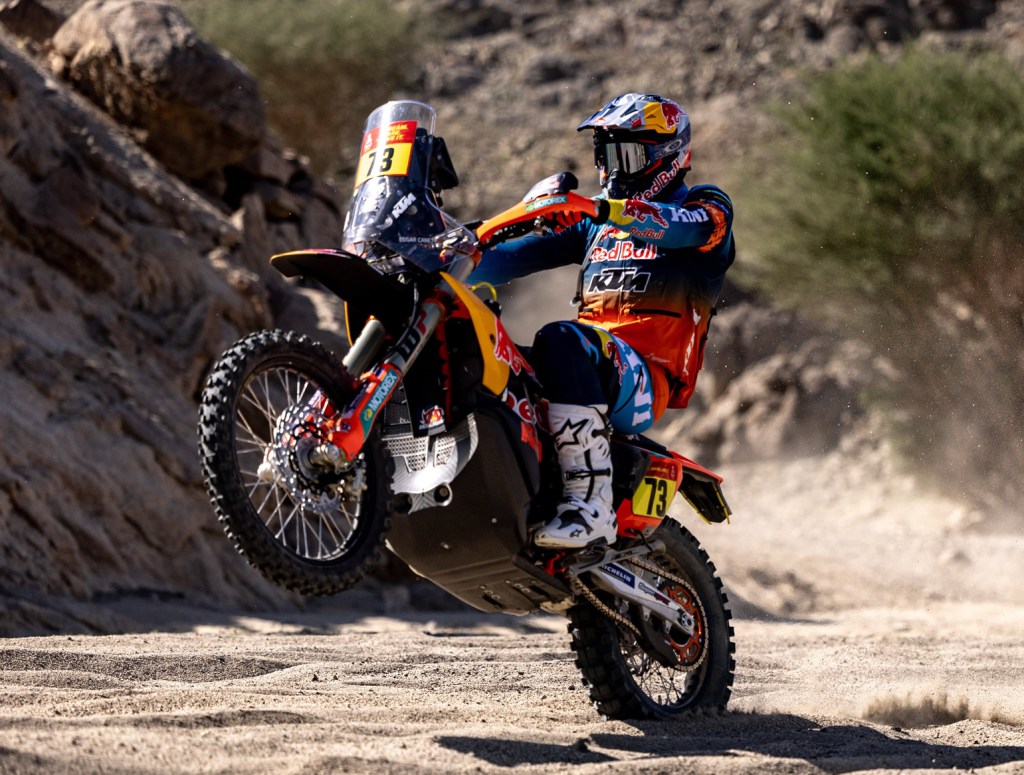
Every Dakar produces legends. Some are seasoned champions, others unexpected underdogs.
- Hubert Auriol, the “African,” etched his name as the first to conquer both bikes and cars.
- Carlos Sainz, the Spanish matador, proved that rally instincts translate into desert dominance.
- Nasser Al-Attiyah, the Qatari sharpshooter, became synonymous with precision and persistence.
- And in 2026, new names rise—like Sanjay Takale, whose podium finish in the Cars category signals Dakar’s growing global reach.
These competitors embody Dakar’s paradox: it is both a race and a relentless endurance trial, where glory is measured not just in trophies but in scars, grit, and stories told around campfires.
Machines Forged for the Impossible
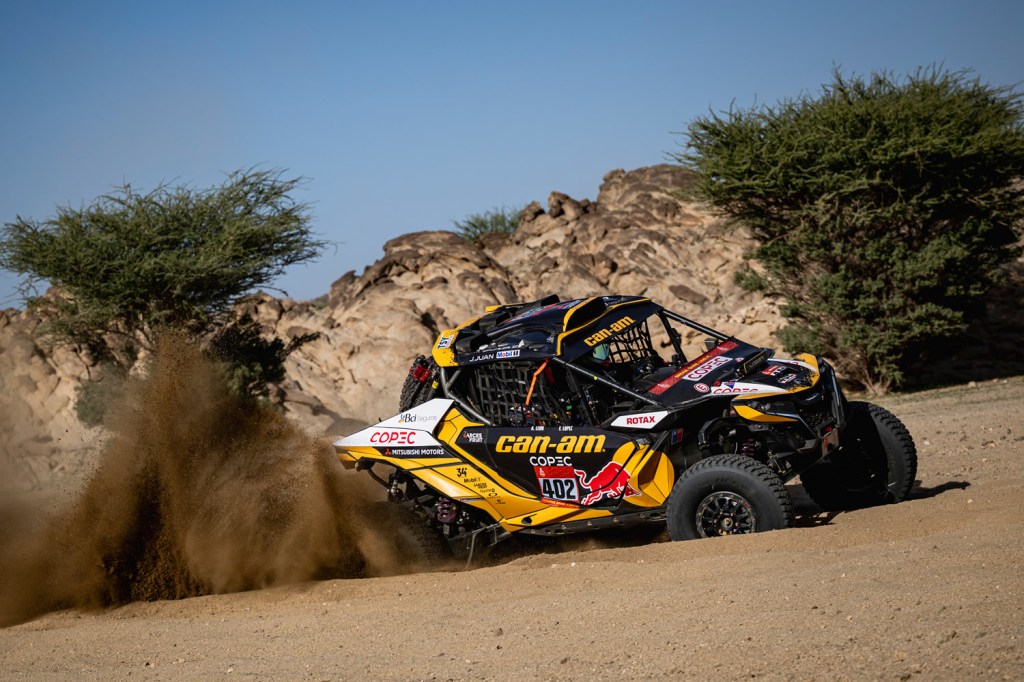
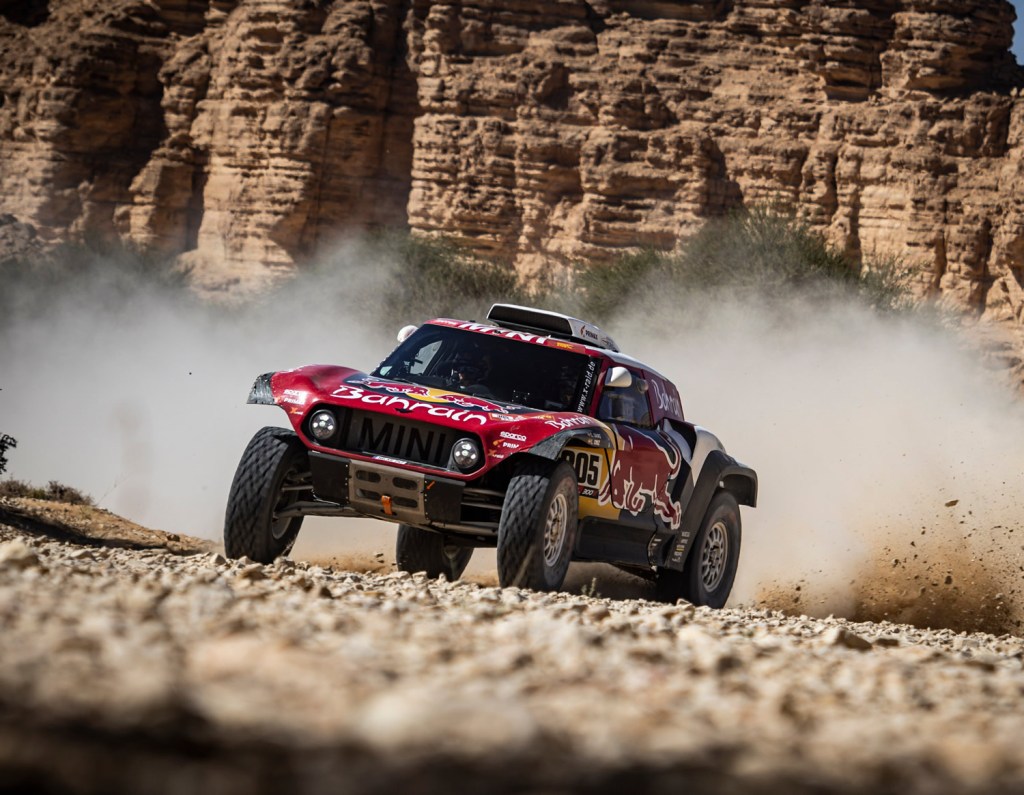
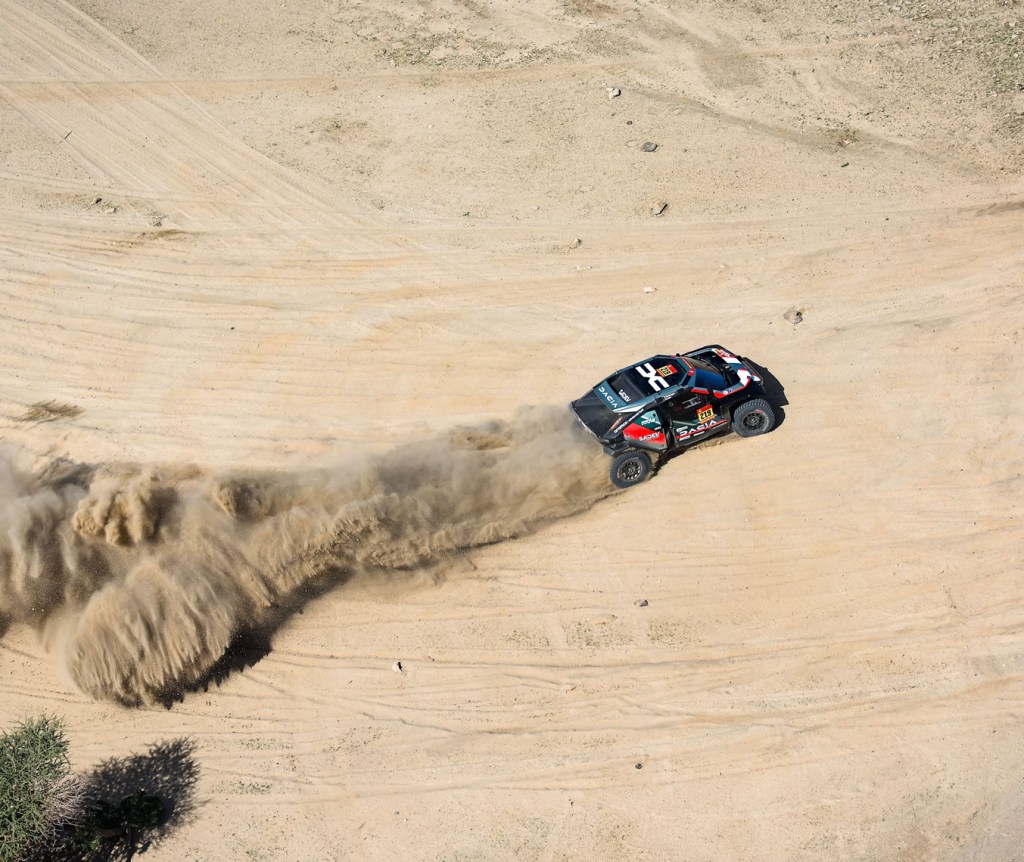
The vehicles of Dakar are not ordinary machines—they are desert warriors.
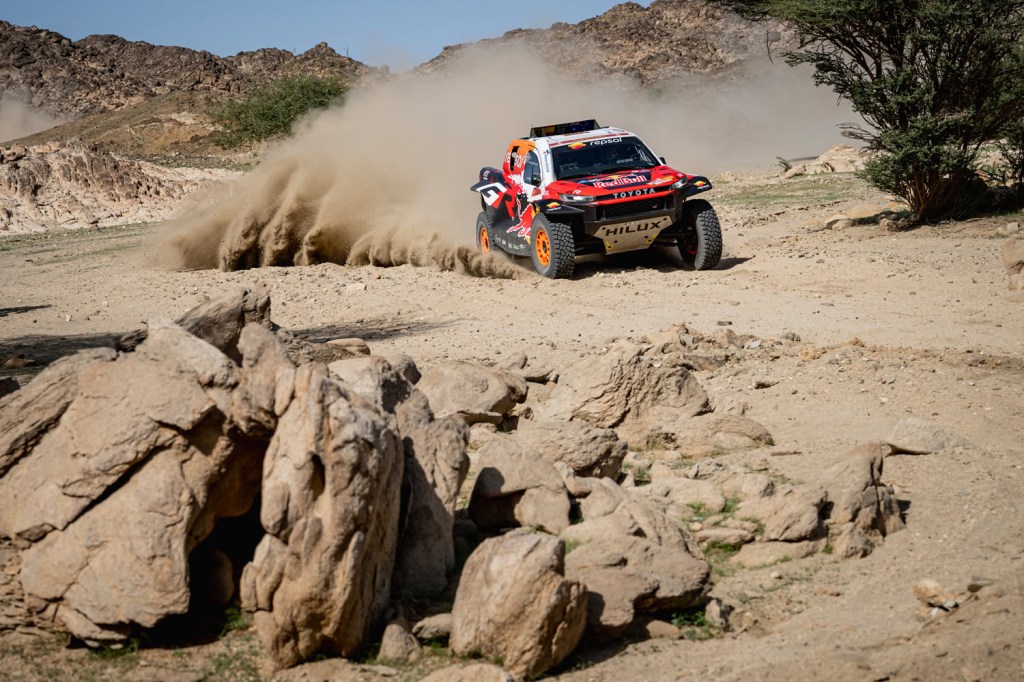
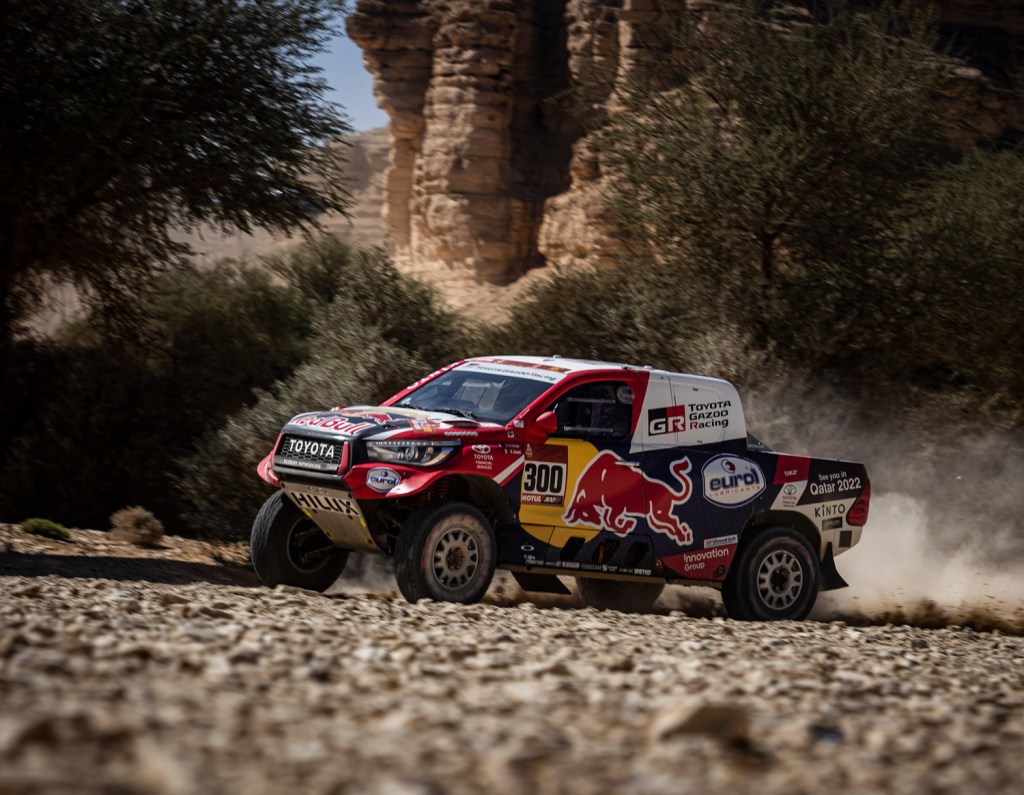
- Toyota Hilux DKR GR: A beast built for balance, speed, and durability.
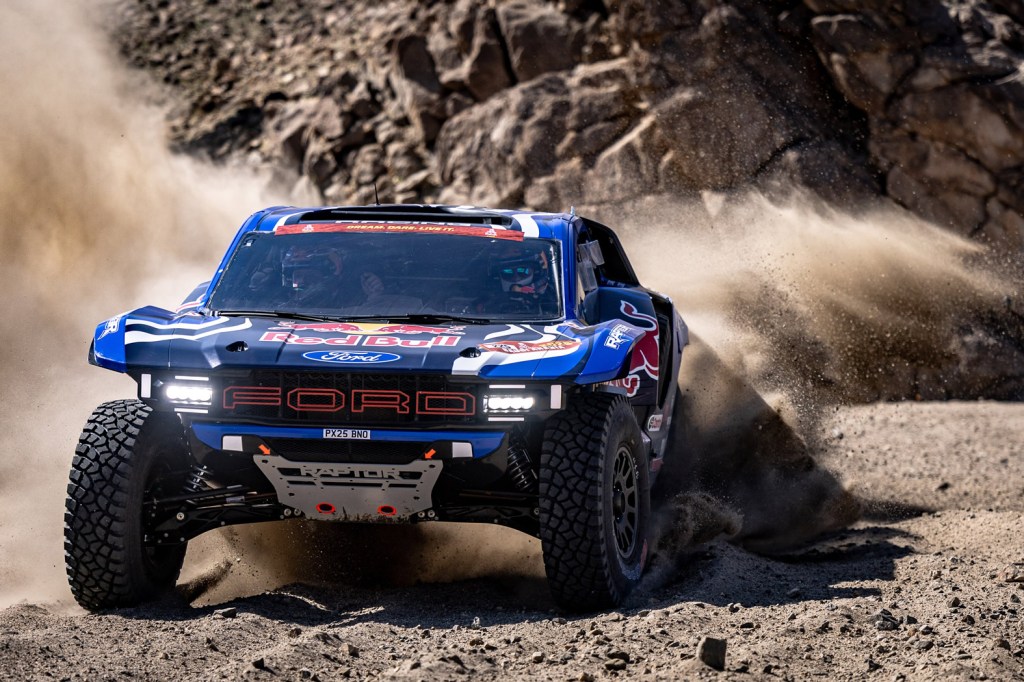
- Ford Raptor T1+: Muscular, relentless, engineered to devour dunes.
- IVECO Trucks with FPT Engines: Towering giants, carrying teams and dreams across punishing terrain.
Each is a marvel of engineering, designed to withstand blistering heat, shifting sands, and the punishing rhythm of thousands of kilometers. In Dakar, technology is not a luxury—it is a survival tool.
The Spirit of Dakar
What makes Dakar magnetic is not just the spectacle of machines tearing across deserts, but the human drama behind it. Competitors wrestle with exhaustion, navigate by instinct when GPS falters, and repair broken parts under starlit skies.
It is a race where victory is fragile, and survival itself is a triumph. For fans, Dakar is a reminder that adventure still exists in its rawest form—a place where courage, innovation, and endurance collide.
“A race that is less about winning and more about surviving.”
Looking Ahead
As the 2026 edition unfolds, the desert will write new stories. Some will be of heartbreak, others of triumph. But all will carry the essence of Dakar: a relentless pursuit of the horizon, where every grain of sand whispers the same truth—this is the ultimate test.
“The desert wakes before dawn. Engines growl against the silence, and headlights pierce the mist.”
 CitiTimes