

India Hosts the 20th Session of UNESCO’s ICH Committee: Inaugural Ceremony Sets the Stage in New Delhi
India marked a significant cultural milestone today as it hosted the inaugural ceremony of the 20th Session of UNESCO’s Intergovernmental Committee for the Safeguarding of Intangible Cultural Heritage (ICH) in New Delhi. The week-long Session brings together global cultural leaders, UNESCO officials, heritage experts, and representatives of communities whose living traditions enrich the world’s cultural tapestry.


A Vibrant Inaugural Ceremony in New Delhi
The opening event celebrated India’s diverse intangible cultural heritage through live performances, traditional music, folk expressions, and ceremonial welcomes. Dignitaries highlighted India’s long-standing commitment to preserving living heritage — from classical and folk performing arts, craftsmanship, and oral traditions to festivals, rituals, and knowledge systems linked to nature and the universe.
Key highlights of the inaugural event included:
- Address by senior Government of India officials, reaffirming India’s leadership in heritage preservation and cultural diplomacy.
- UNESCO representatives acknowledging India’s pivotal role in the global ICH framework, noting the country’s 14 elements currently inscribed on the UNESCO ICH List.
- Showcase of regional cultural expressions, demonstrating India’s cultural plurality.
- Emphasis on community participation, the bedrock of UNESCO’s ICH Convention.
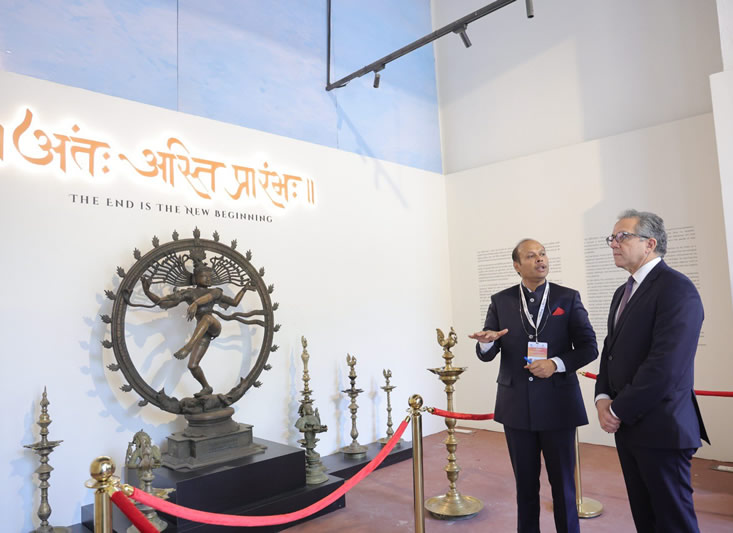
The Session commenced at the Red Fort in New Delhi, attended by Union Minister of External Affairs Mr. S. Jaishankar, Union Minister of Culture and Tourism Mr. Gajendra Singh Shekhawat, and Dr. Khaled El-Enany, Director General of UNESCO.
The ceremony set a celebratory tone, underscoring that intangible heritage is not just a legacy of the past but a powerful source of identity, continuity, and creativity.

Why the 20th Session Matters
The Intergovernmental Committee session is one of UNESCO’s most important annual cultural governance gatherings. The 20th Session is particularly significant for several reasons:
1. Decision-Making on New Inscriptions
The Committee will evaluate nominations submitted by countries for inscription on:
- The Representative List of the Intangible Cultural Heritage of Humanity,
- The List of Intangible Cultural Heritage in Need of Urgent Safeguarding, and
- The Register of Good Safeguarding Practices.
Countries hope these inscriptions will increase visibility, strengthen pride, and mobilize support for safeguarding their traditions.
2. Review of Global Safeguarding Efforts
Delegates will discuss:
- Implementation of the 2003 Convention,
- Progress on national safeguarding plans,
- Funding and international cooperation,
- How to strengthen community-led heritage protection.
This Session helps shape the next decade of global cultural-heritage policy.
3. India’s Leadership Moment
By hosting the 20th Session, India:
- Reinforces its position as a cultural-heritage torchbearer,
- Showcases its successful safeguarding models (e.g., the Kumbh Mela, Vedic chanting, traditional craft forms),
- Enhances its soft-power strategy through heritage diplomacy.
4. Focus on Youth, Sustainability, and Innovation
Recent sessions have highlighted the links between intangible heritage and:
- Climate resilience,
- Sustainable development,
- Youth engagement,
- Digital preservation.
The 20th Session continues these themes, offering fresh directions for how living traditions can empower communities in the 21st century.
Looking Ahead
India has nominated Chhath Mahaparva and Diwali for inclusion in UNESCO’s Intangible Cultural Heritage List. The UNESCO Intergovernmental Committee will discuss and vote on this during the upcoming Session.
Over the next few days in New Delhi, the Committee will deliberate, collaborate, and celebrate the world’s living heritage. For India, it is an opportunity to highlight its millennia-old cultural continuity while contributing meaningfully to global cultural governance.
The Session promises:
- Shared learning,
- Responsible heritage diplomacy,
- Expanded global awareness of intangible cultural treasures, and
- Renewed commitment to safeguarding traditions in a rapidly changing world.
As the meetings unfold, the world will watch how nations come together — not just to protect heritage, but to honour the living communities who sustain it.
“It is a matter of immense joy that the 20th Session of UNESCO’s Committee on Intangible Cultural Heritage has commenced in India. This forum has brought together delegates from over 150 nations with a vision to protect and popularise our shared living traditions. India is glad to host this gathering, and that too at the Red Fort. It also reflects our commitment to harnessing the power of culture to connect societies and generations.”
— Prime Minister Narendra Modi
 CitiTimes