
The Symbolic Significance of Absence: Panjab University’s Convocation Without Its Chancellor
By CitiTimes Editorial Desk

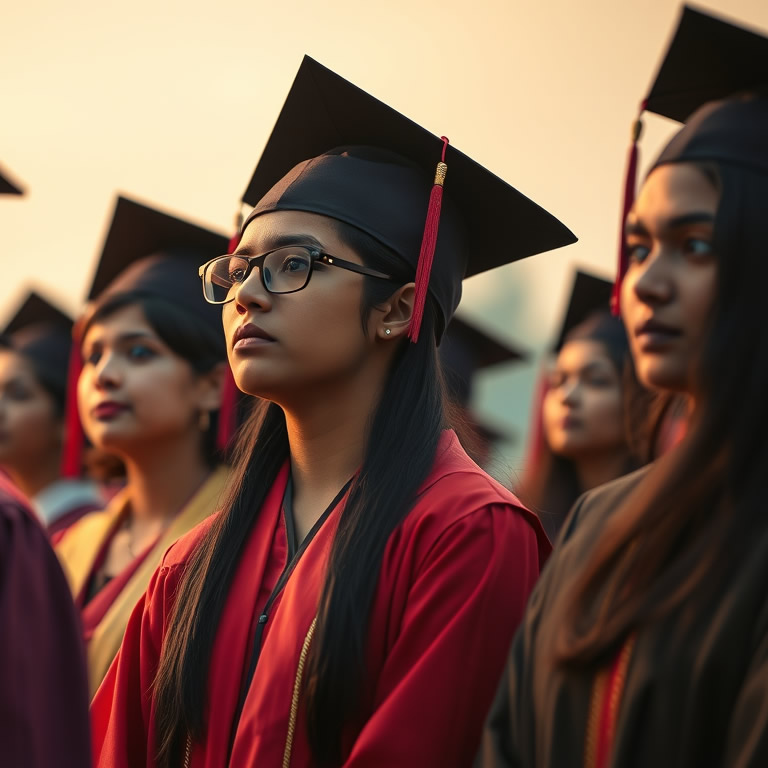
As Panjab University prepares for its convocation scheduled for December 2025, the anticipated absence of its Chancellor—the Vice President of India—significantly diminishes the occasion’s prominence. Convocations are not solely ceremonial events; they exemplify continuity, tradition, and the collective pursuit of knowledge. The absence of the Chancellor will inevitably impact the symbolic significance of this important gathering.
The 73rd annual convocation of Panjab University (PU) in Chandigarh was initially slated for December 13, 2025. Vice President of India C. P. Radhakrishnan, serving as the university’s ex officio Chancellor, was expected to attend and deliver an address during his inaugural official visit. However, recent updates indicate that the date has been rescheduled to December 12, 2025. Additionally, media reports state that Vice President Radhakrishnan will not attend the convocation, regardless of the new date.

A Tradition Interrupted
In accordance with established conventions, the Vice President of India, who serves as the Ex officio Chancellor, typically presides over the convocation ceremony. However, this year, he will be unable to attend due to scheduling conflicts. While practical reasons account for his absence, the symbolism of this situation is noteworthy: the university’s highest ceremonial representative will not be present to confer degrees and honor graduates’ achievements.
Context of Unrest
The upcoming convocation at Panjab University occurs during a period marked by significant challenges, including student protests, governance disputes, and ongoing deliberations regarding the restructuring of its Senate and Syndicate. These issues have already disrupted academic schedules and raised serious concerns about the institution’s stability. In this context, the Chancellor’s absence signifies more than logistical difficulties; it underscores the unsettled atmosphere that currently pervades the university.

Looking Ahead
The convocation at Panjab University will continue to honor the achievements of its students and faculty. Nonetheless, the Chancellor’s absence serves as a significant prompt for introspection. To ensure that future convocations are distinguished by presence rather than absence, the university must focus on restoring stability, reaffirming democratic governance, and rebuilding trust among stakeholders. These measures are essential for fostering a positive future for the institution.

Reading Between the Lines
The Vice President’s Secretariat has not issued any official statements expressing dissatisfaction with Panjab University; however, the current circumstances imply otherwise. The Vice President’s absence from what would have been his first convocation as Chancellor underscores the significant challenges facing the institution. Convocation ceremonies are more than just formal events; they reflect the university’s overall health, reputation, and governance. Regrettably, Panjab University’s current status in terms of health, reputation, and governance is concerning.

What it means for PU’s future
Chancellor’s absence highlights deeper issues. The optics are concerning—a prominent dignitary withdrawing amid campus turmoil conveys a broader message to stakeholders: that the university may be experiencing heightened risk or concern about its reputation.
 CitiTimes