
Lighting the World: India’s Bid to Immortalise Deepavali as UNESCO Intangible Cultural Heritage
By CitiTimes Editorial Desk
Deepawali: India’s Festival of Lights Steps Onto the UNESCO Stage
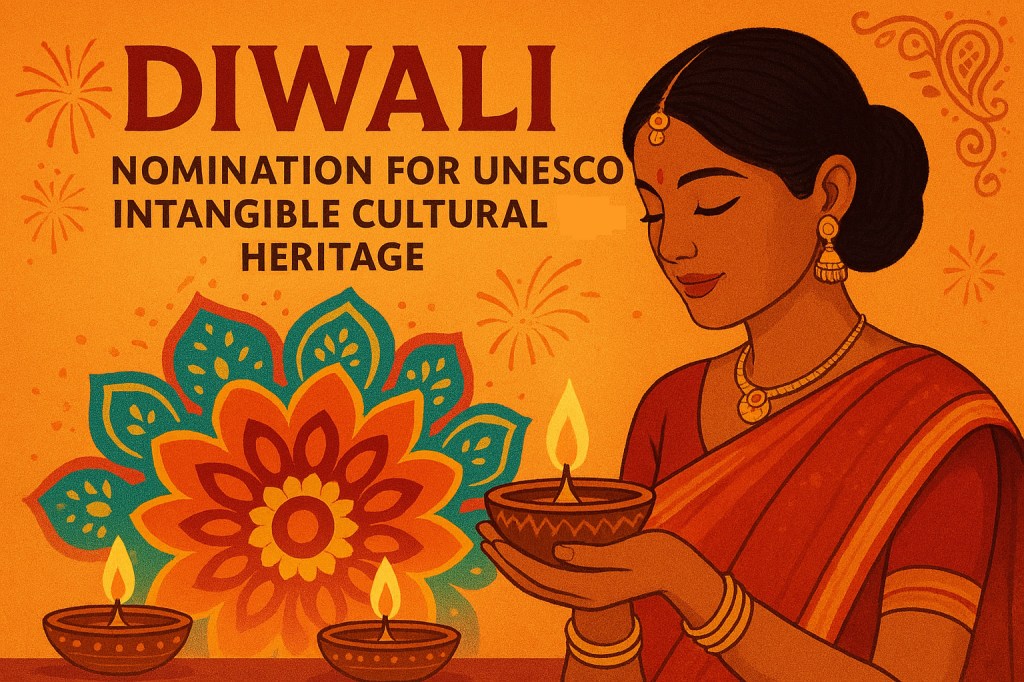
When earthen lamps flicker at dusk across homes in Chandigarh, when rangoli patterns bloom at doorsteps, and when families and neighbours gather to share sweets and stories, a living tradition is at work. In December 2025, India invites the world to notice that tradition—by nominating Deepavali for the UNESCO Representative List of the Intangible Cultural Heritage of Humanity, and simultaneously hosting the Committee session in New Delhi.
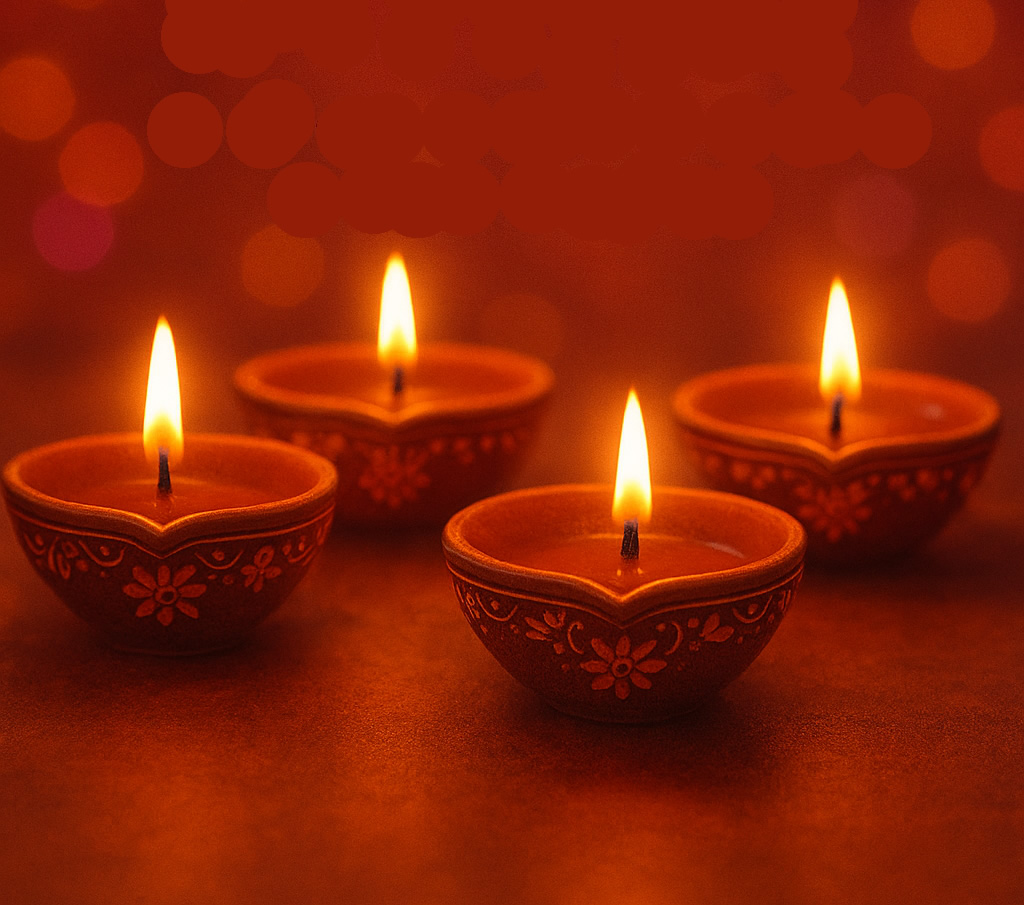
1. The Festival Beyond the Fireworks
Deepavali may be popularly remembered for its dazzling lights and fireworks. But at its heart, it is a festival of preparation, ritual, craft, and connection. The nomination dossier submitted by India emphasises this living dimension: the cleaning and decorating of homes, the lighting of diyas, the crafting of lanterns, the communal feasts, the exchange of sweets and gifts, and the shared joy of renewal.
In local neighbourhoods, the festival offers a stage for social bonds to be renewed. Children help place lamps, neighbours greet each other, elders pass on stories of Diwali legends—and through these, the festival remains more than a one-night spectacle.
2. Why UNESCO Recognition Matters
Intangible cultural heritage is, by definition, alive — and lives through people, practices, and communities. Unlike a monument you visit, these are traditions you enact. Recognition by UNESCO has several implications:
- It raises visibility, helping more people understand that festivals like Deepavali are heritage, not just a holiday.
- It supports safeguarding: transmission of craft techniques, encouraging younger generations, and preserving the artisan network.
- It underscores the link between culture and community economy: the lamp-makers, sweets-vendors, lantern-craftspeople, and local event organisers.
- It strengthens cultural diplomacy: India hosting the December 2025 Committee session and advancing this nomination signals both national pride and global cultural engagement.
3. Craft, Community & Transmission
The flair of Deepavali lies as much in the quiet craftsmanship as in the fireworks. Consider the diya-maker: months ahead of the festival, he prepares moulds, sources clay or brass, cleans and polishes, and readies lamps for sale. Or the rangoli-artist: picking up coloured powders, chalks, or flower petals; laying the motif at the threshold; children joining in. The act of preparing the home becomes part of the ritual.
When a festival is nominated for UNESCO recognition, these living practices—often undervalued—come into the spotlight. Transmission across generations becomes a safeguarding priority. The nomination dossier emphasises exactly that.
Moreover, in an era of mass manufacturing, ready-made plastic lamps and mass-produced decorations may overshadow the handmade. Recognition helps reinvigorate local craft and sustain community-based enterprise.
4. Challenges & The Way Forward
Nomination and inscription do not automatically guarantee the survival of a tradition. Here are some of the challenges Deepavali faces—and how they could be addressed:
- Commercialisation: The festival is increasingly commercial; the sweetness of community rituals can get overshadowed by shopping sprees and consumer frenzy.
- Environmental concerns: Fireworks, single-use plastic decorations, heavy lighting — these put pressure on sustainable practice. Safeguarding efforts must engage the eco dimension.
- Urban lifestyles & transmission gaps: In fast-moving cities, the time-honoured evening gatherings may shrink; younger generations may engage differently (online, hybrid), risking dilution of craft-based practice.
- Artisan livelihood pressure: The lamp-makers, lantern-makers, and craftspeople may face competition from mass-produced, cheaper goods; sustaining their role is crucial.
UNESCO inscription can catalyse action: training initiatives, craft-support schemes, eco-friendly festival guidelines, community workshops, and youth engagement programmes.
5. Global Reach: Heritage Without Borders
While rooted in Indian homes and communities, Deepavali has long travelled. Indian diaspora communities across the world—London, Singapore, New York, Johannesburg—celebrate the festival, adapt it culturally, yet retain its core of light, togetherness, and renewal. UNESCO recognition would not just honour India’s tradition—it would acknowledge a global cultural dimension, a heritage shared across borders.
Hosting the December 2025 Committee session in New Delhi adds another layer: as delegates from around the world gather, India’s festival culture takes centre stage, and dialogues around living heritage, global transmission, and community practice are amplified.
6. Looking Ahead: What to Watch
- Will Deepavali be inscribed at the December 2025 session? If yes, India will join the list of intangible elements recognized by UNESCO.
- Reflect on how your own Deepavali celebrations engage with tradition: Do you visit artisans? Do you involve family in the preparation? Do you think of sustainability as part of the ritual?
- Support local craft and community heritage: buy from traditional lamp-makers, participate in rangoli workshops, explore stories behind the sweets and lanterns.
- Use the nomination as an invitation: to think of Deepavali not just as one festive night, but as a living practice of renewal, togetherness, craft, and community.
Conclusion
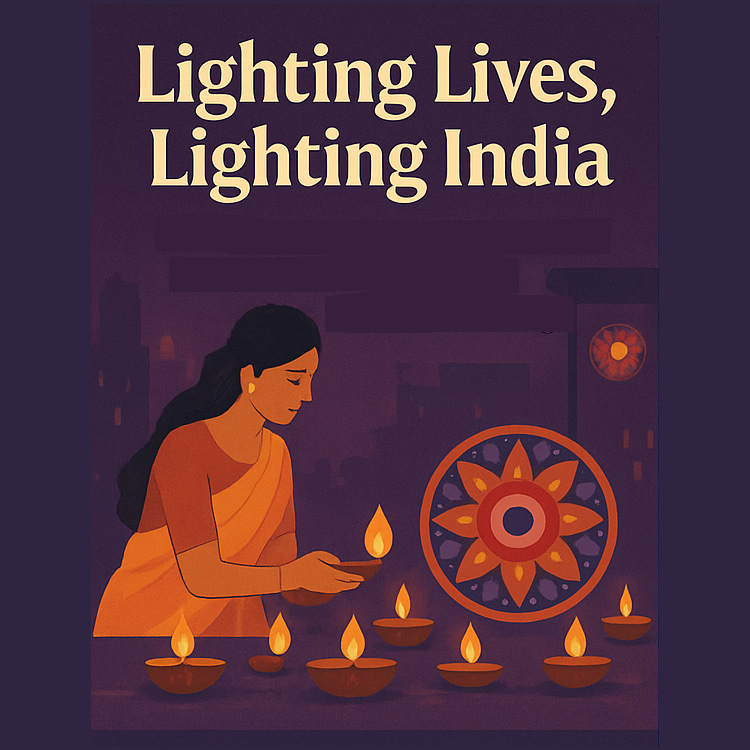
India’s nomination of Deepavali for inscription on the UNESCO Representative List of Intangible Cultural Heritage is more than cultural diplomacy—it is a recognition of something deeply lived, shared, crafted, and renewed. It is a tribute to the households, the artisans, the neighbourhoods, the sweets-makers, the lantern-designers, the children learning rangoli, and the elders telling stories.
Whether or not the inscription is secured in December 2025, the very act of nomination invites us to slow down, look around at the flicker of the diya, the gathering of neighbours, the craft-maker polishing lamps, and to realise that each light kindled is a thread in living heritage.
As the world watches, India lights its lamps—literally and symbolically—and invites us to reflect on the heritage that glows through the simple magic of light, craft, and community.
“When a diya is lit on Deepavali, it’s not just light. It’s a tradition, a craft, a gathering, a hope — and now, a nomination for humanity’s heritage.”
 CitiTimes