

UNESCO’s Samarkand Moment: A Global Conference at the Crossroads of Civilizations
By CitiTimes Editorial Desk
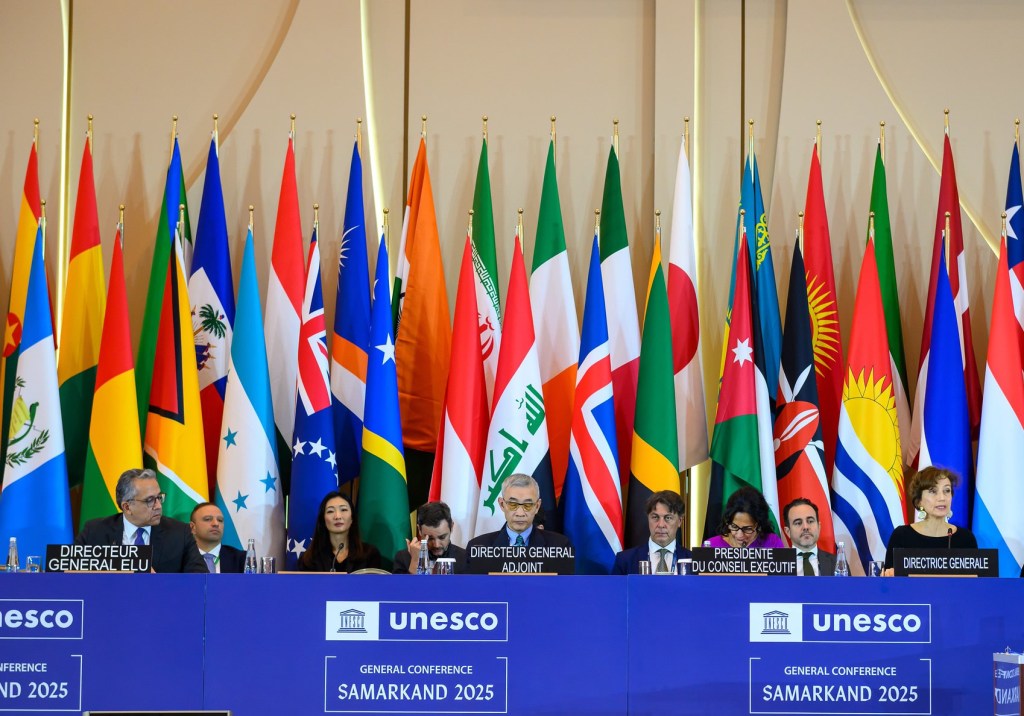
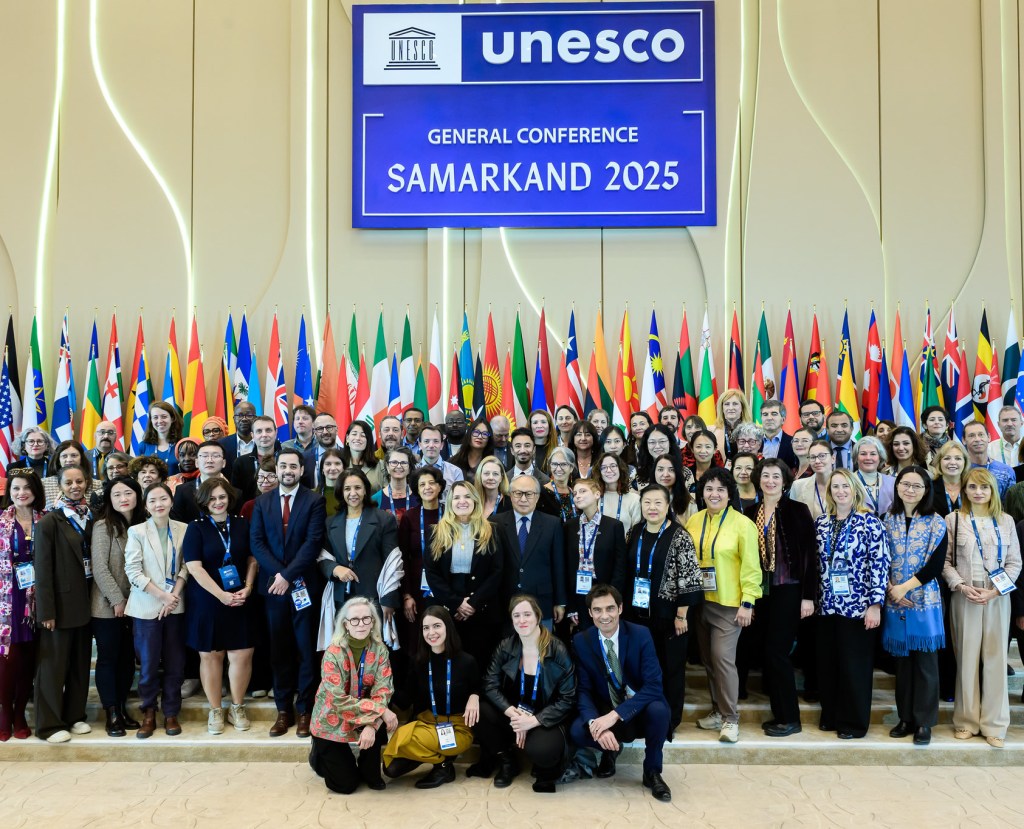
When UNESCO chose Samarkand, Uzbekistan, as the venue for its 43rd General Conference (October 30 – November 13, 2025), it wasn’t just a logistical decision—it was a symbolic one. For the first time in over four decades, the General Conference stepped outside Paris, reaffirming UNESCO’s mission to be truly global and inclusive. Samarkand, a city long celebrated as a crossroads of cultures and trade, became the stage for decisions that will shape the organization’s future.

Key Outcomes from the 43rd Session
- Historic Venue Shift
Samarkand’s hosting underscored UNESCO’s commitment to decentralization and cultural diversity, marking a milestone in the organization’s history. - Leadership Renewal
Elections on November 10, 2025, filled seats across UNESCO’s committees, commissions, and subsidiary organs, ensuring diverse representation in governance for the next cycle. - Global Solidarity
Delegates unanimously adopted an official resolution expressing gratitude to the people and Government of Uzbekistan, recognizing the country’s role in advancing cultural diplomacy and international cooperation. - Innovation and Culture
Uzbekistan showcased its growing influence as a hub for culture, trade, green energy, and creative industries—demonstrating how local initiatives can inspire global action. - Youth-Centered Agenda
With Uzbekistan’s young population highlighted, discussions emphasized science, creativity, and entrepreneurship as drivers of UNESCO’s future programs.
New Leadership & Institutional Renewal
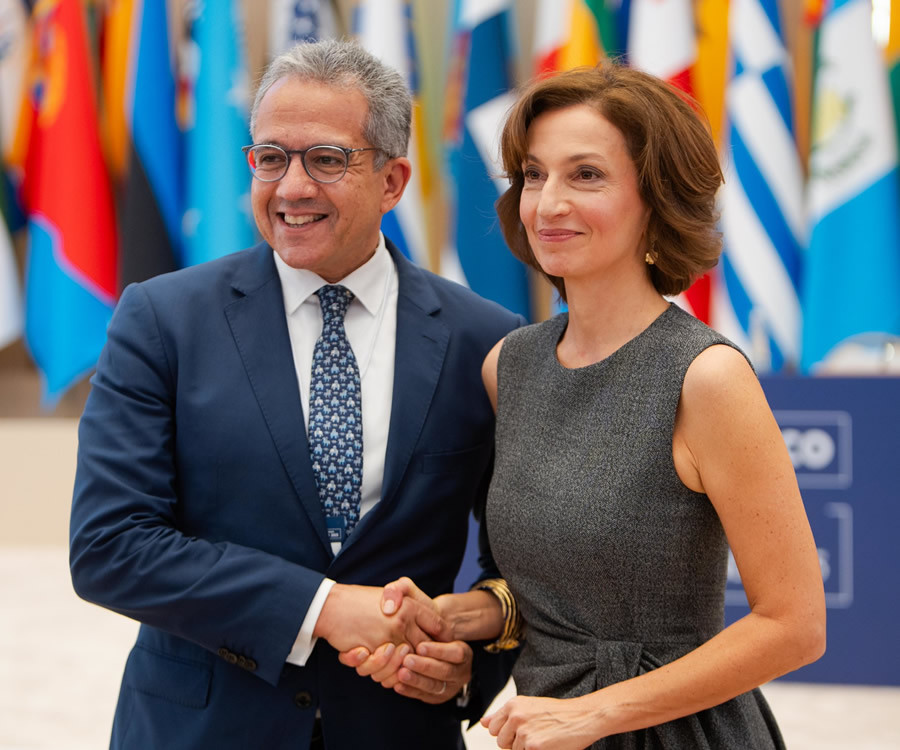
- The Conference formally appointed Khaled El‑Enany as Director-General of UNESCO, signalling a leadership transition.
- Elections were held for the Executive Board and other key bodies, with several Member States gaining seats in major committees.
- The Session reaffirmed UNESCO’s commitment to adapt its structure and mandate to emergent challenges — emphasising the need for agile governance, inclusive engagement, and cross-disciplinary cooperation.
Norm-setting in Emerging Technologies
- A primary outcome was the adoption of the Recommendation on the Ethics of Neurotechnology, marking the first global normative framework addressing how neurotechnologies should be governed to respect human dignity and rights.
- The Conference placed strong emphasis on the ethical governance of AI and related technologies (e.g., AI in museums, digital heritage, emerging tech in education) as an integral part of UNESCO’s science‐and‐technology agenda.
- It also launched or reinforced collaborative initiatives (e.g., a prize for AI ethics, museum + AI dialogues) that link technological innovation with cultural/heritage imperatives.

Education, Inclusion & Lifelong Learning
- Member States affirmed renewed commitment to “education for all” in more dynamic contexts: inclusive education (children with special needs), digital/AI-enabled learning environments, vocational education, and adaptability to labour-market shifts.
- Discussions at ministerial and youth forums addressed how to equip future generations with the skills and resilience needed in a rapidly changing world (automation, AI, digital disruption).
- Emphasis was placed on strengthening national education systems through international cooperation, capacity building, and leveraging UNESCO’s network of National Commissions.
Culture, Heritage & Communication / Information
- The Conference underscored the safeguarding of cultural heritage (both tangible and intangible) as a strategic pillar: digital heritage, heritage in crisis, cultural landscapes, the role of culture in peace and sustainable development.
- A landmark resolution expressed profound gratitude to the people and Government of Uzbekistan for hosting the Session — highlighting the symbolic and practical importance of convening outside Paris for the first time in over 40 years.
- In the communication/information domain, there was strong emphasis on media and information literacy, combating disinformation and strengthening freedom of expression, linked to the evolving digital environment.

New Thematic & Geographic Signals
- Hosting the Conference in Samarkand (Central Asia) after decades of location continuity in Paris signalled a shift: greater geographic diversity, recognition of emerging regional voices, and a push for UNESCO to be more globally inclusive.

Priorities & Forward Action
- The Conference set the tone for UNESCO’s next phase: emphasising 21st-century challenges such as technological transformation, climate change (linked to culture and heritage), digital inclusion, and strengthening global cooperation around science and culture.
- Member States committed to translating the normative frameworks and policy decisions into national action plans, reinforcing partnerships, and monitoring implementation through UNESCO’s mechanisms (commissions, conventions, national capacities).
- The “Spirit of Samarkand” — the idea of cross-civilisational dialogue, inclusivity, bridge-building between regions — was invoked as a guiding ethos for future UNESCO work.
Why This Session Matters
The Samarkand conference was more than a gathering of delegates—it was a turning point. By moving beyond Paris, UNESCO signaled its intent to embrace a broader global identity. The elections brought fresh voices to governance, while Uzbekistan’s hospitality and vision were formally recognized as a model of cultural diplomacy. Most importantly, the focus on youth, sustainability, and innovation aligned UNESCO’s agenda with the challenges of the 21st century.

Closing Reflection
Samarkand’s legacy as a Silk Road hub made it the perfect setting for UNESCO’s 43rd General Conference. Just as caravans once carried ideas and goods across continents, this Session carried forward a spirit of cooperation, renewal, and global unity. The decisions made here will have a lasting impact on education, culture, and science for years to come.
In many ways, the 43rd Session was not just about UNESCO—it was about the world reimagining how heritage, innovation, and youth can converge to build a more inclusive future.
 CitiTimes