
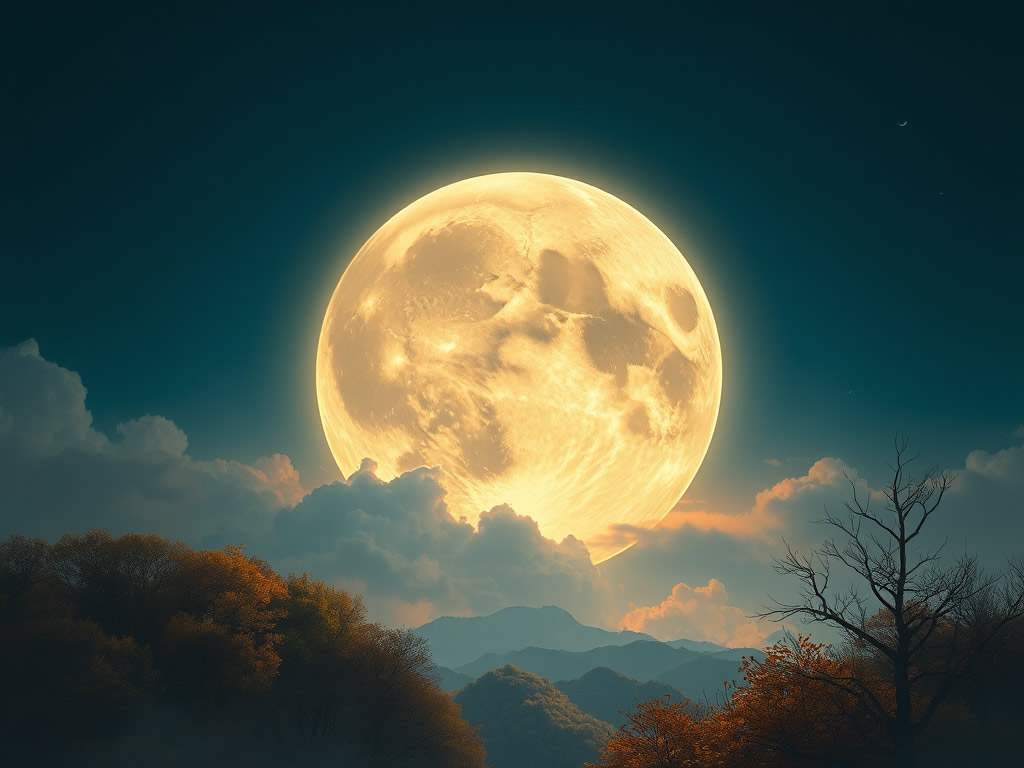
The Supermoon of November 2025: Nature’s Brightest Night

As autumn progresses and the air becomes crisp, the night sky is ready to showcase one of its most spectacular events of the year—the Supermoon, which will reach its peak during the night of November 5-6, 2025. It is not just any full moon; it is the largest and brightest Supermoon of the year. It also embodies centuries of folklore, seasonal significance, and celestial wonder.
What Makes It a Supermoon?
A Supermoon occurs when a full moon coincides with its closest approach to Earth in its elliptical orbit, known as perigee. On November 5, the moon will be just 357,000 kilometers away, making it appear:
- 14% larger than a typical full moon
- 30% brighter than the dimmest full moon of the year
This particular Supermoon is the second of four in a rare seasonal sequence, and it is expected to be the most visually striking of them all.
Why Is It Called the Beaver Moon in the USA?
The term “Beaver Moon” originates from Native American and colonial traditions. November was the time when beavers—large, semi-aquatic rodents native to North America—were most active in preparing their lodges for winter. It also represented the last opportunity for trappers to secure warm pelts before the rivers froze. The name signifies a deep connection between lunar cycles and seasonal rhythms, which we often overlook in our modern, electrically lit lives.
When and Where to Watch
USA
- Peak Illumination: November 5, 2025, at 13:19 UTC
- Best Viewing (North America): Evening of November 5 into the early morning of November 6
For the best experience, look to the east just after sunset or to the west just before sunrise. Urban viewers can capture the moon against iconic city skylines, while those in rural areas will appreciate its glow over tranquil landscapes.
India
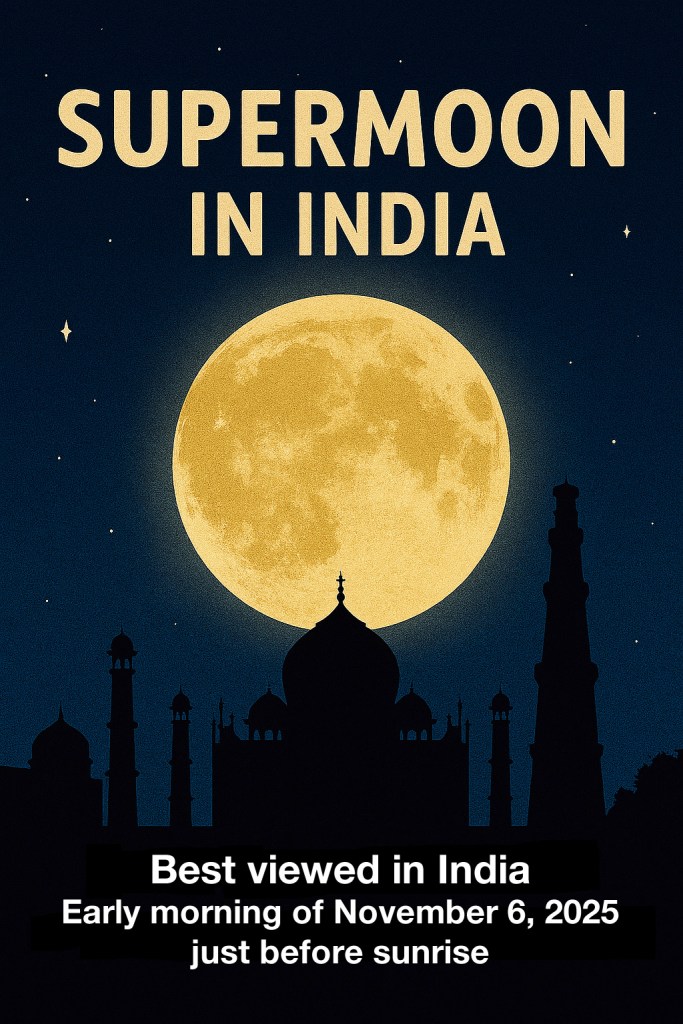
The November supermoon of 2025 will peak on the night of Wednesday, November 5, and will continue until the early hours of November 6, 2025, in India.
Best Viewing (India): Early morning of November 6, just before sunrise
Cultural and Spiritual Significance
Across various cultures and countries, including the USA, full moons have traditionally symbolized completion, reflection, and renewal. The Super Moon, which occurs just before winter, invites us to:
- Prepare and protect ourselves
- Reflect on the year’s harvest, both literally and metaphorically
- Embrace composure
Importance and Impact
- This will be the biggest supermoon since 2019, and the second of four supermoons spanning late 2025 into early 2026.
- It’s a prime opportunity for skywatchers and photographers, especially with iconic backdrops like city skylines or natural landscapes.
India Cultural Context
In India, the full moon in November, known as Kartik Purnima, is regarded as one of the holiest days of the year. This day coincides with the post-Diwali celebrations and marks the beginning of seasonal changes. This year, the Supermoon enhances the festive atmosphere, offering an excellent opportunity for photography and community engagement.
Kartik Purnima signifies the culmination of the holy month of Kartik. The festival represents the victory of light over darkness and good over evil, making it a time for spiritual renewal.
The day commemorates significant events in Hindu mythology, including Lord Shiva’s triumph over the demon Tripurasura. It is believed that the gods descend to Earth to celebrate Lord Shiva’s victory by lighting countless lamps along the river ghats. As a result, this day is also known as Dev Deepavali or the “Diwali of the Gods.”
In Southern India, Kartik Purnima is celebrated as the birthday of Lord Kartikeya, the God of War and the son of Lord Shiva.
Additionally, Guru Nanak’s birthday is observed on Kartik Purnima, a date determined by the lunar calendar.
Final Thoughts
The Supermoon is more than a visual marvel—it’s a reminder of our place in a larger, luminous cycle. So step outside, look up, and let the moonlight guide you into the season ahead.
 CitiTimes