
Cultural Ministers and delegations from around the world gathered in Barcelona for MONDIACULT, UNESCO’s largest World Conference on Cultural Policies.
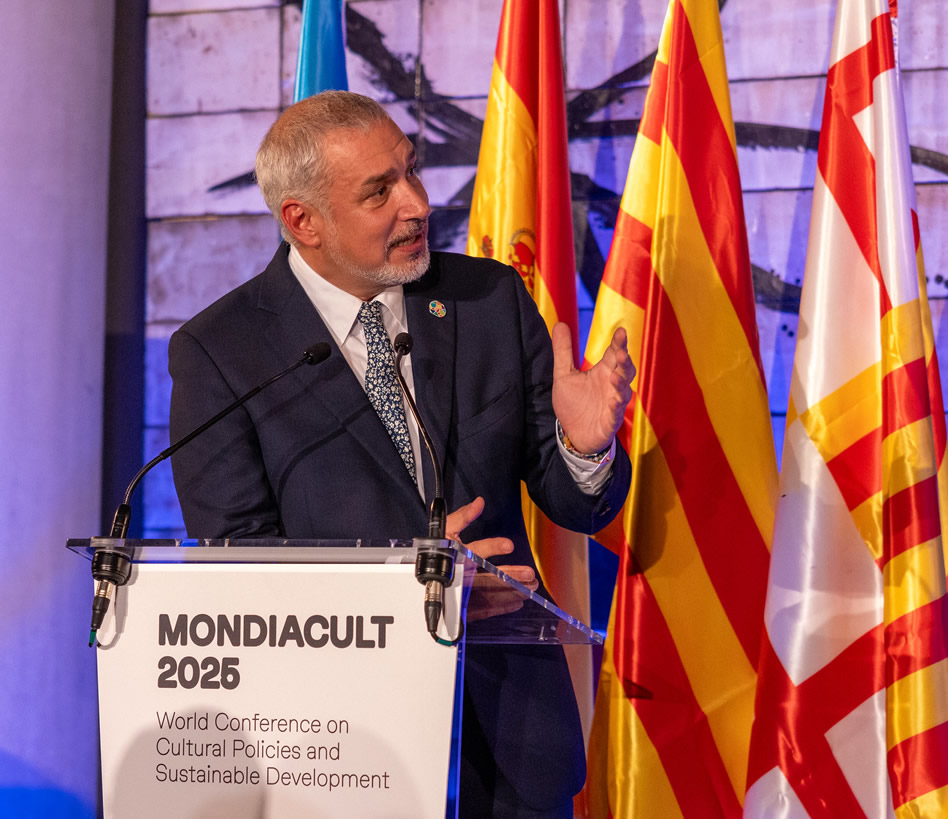
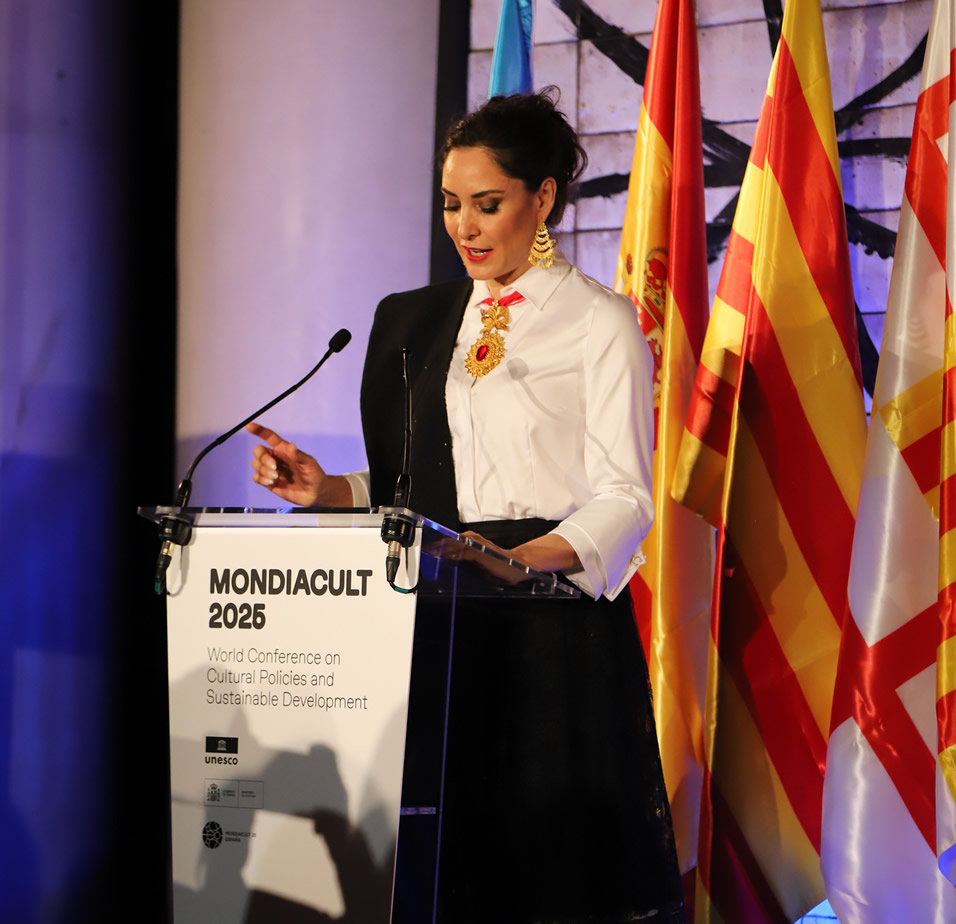
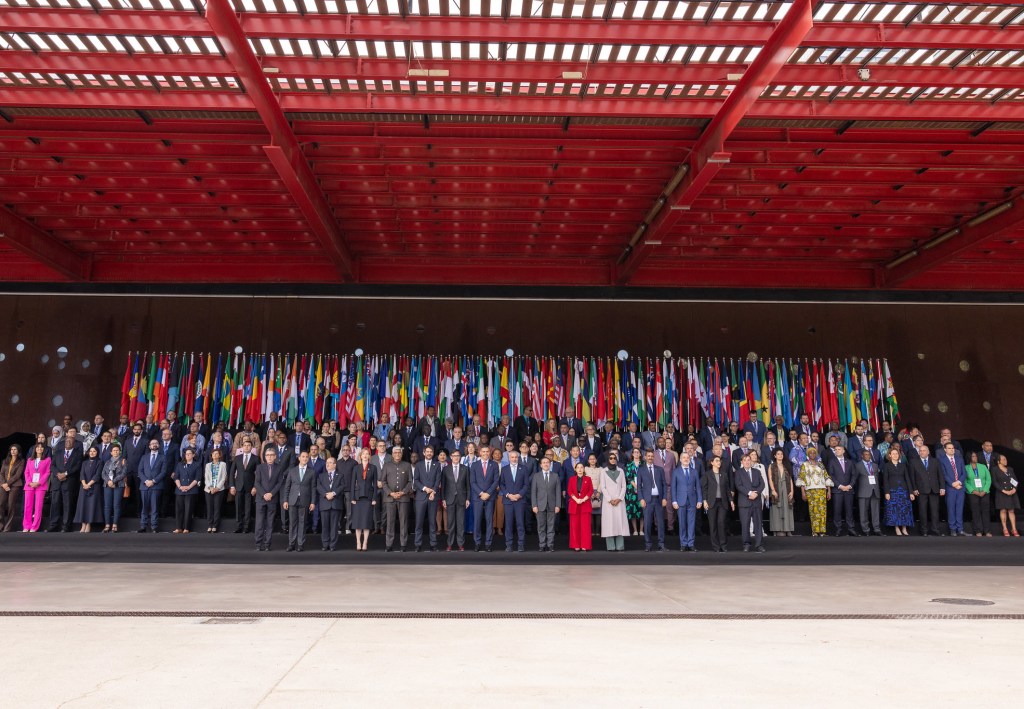
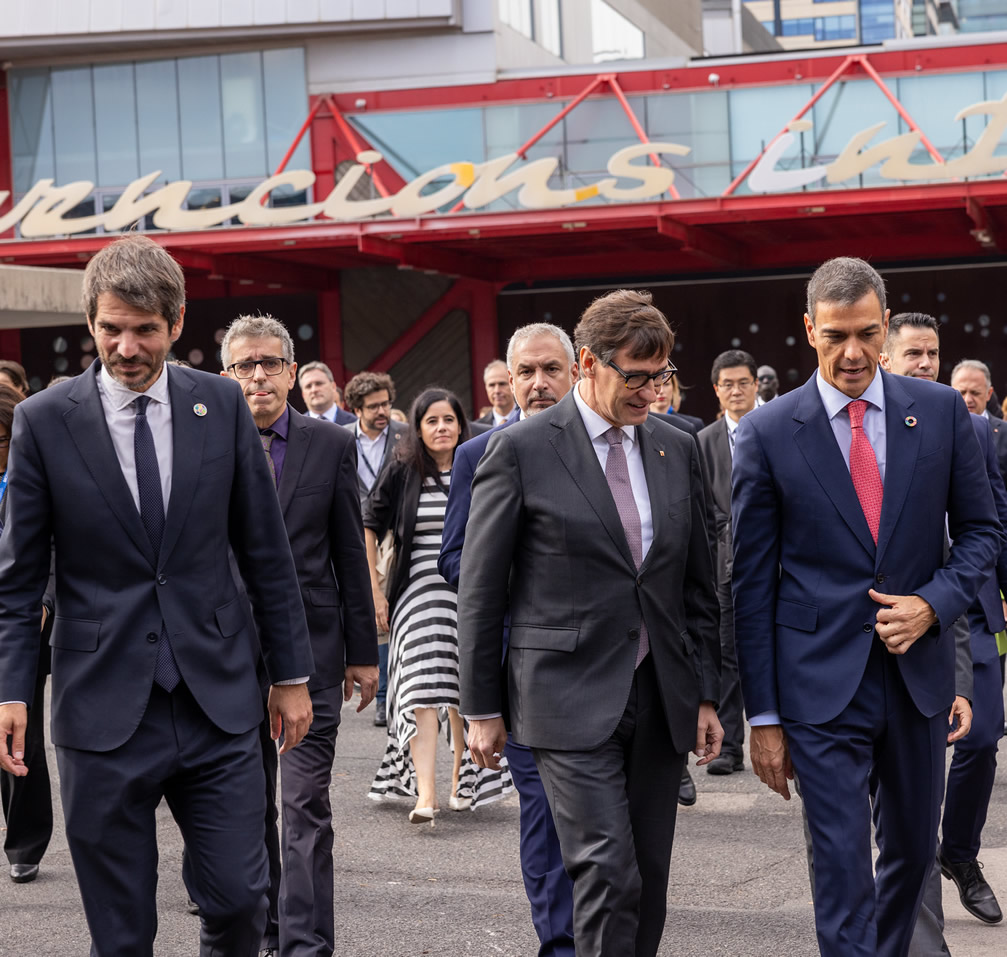
Barcelona, Spain, October 3, 2025 — Amidst a period of heightened geopolitical tensions and numerous crises, over 160 countries convened in Barcelona for MONDIACULT, UNESCO’s largest World Conference on Cultural Policies, organized in collaboration with the Spanish government. This edition highlights a significant goal: to prioritize culture in development and crisis response policies while ensuring sustainable funding for cultural initiatives.
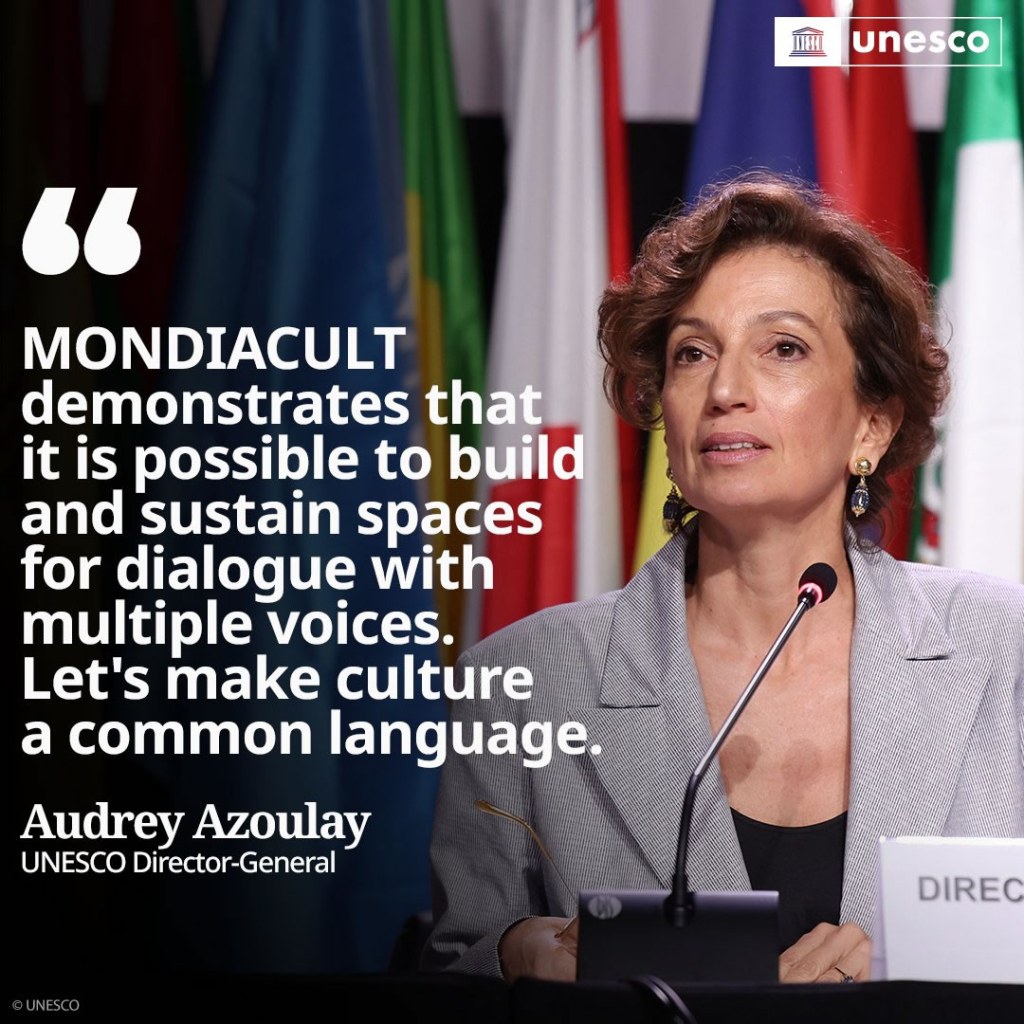
“MONDIACULT demonstrates that it is possible to build and sustain spaces for dialogue with multiple voices. Let’s make culture a common language. A language that enables us to build society, find consensus, and reasons for hope.”
— UNESCO Director-General Audrey Azoulay
UNESCO emphasizes the importance of prioritizing culture.
In 2022, Audrey Azoulay relaunched the MONDIACULT conference, which has since become a central event for shaping a global cultural agenda. Following the declaration of culture as a “global public good” at the previous edition, over 160 countries present this year reiterated their commitment to integrating culture into development and emergency response policies.

Stronger political and diplomatic recognition
Since 2018, UNESCO has been working to prioritize culture in multilateral dialogue, ensuring its recognition in forums such as the G20, G7, and the United Nations’ Pact for the Future.
This mobilization has been accompanied by a significant legal commitment from countries, with nearly 80 new ratifications of the Organization’s Culture Conventions. These ratifications demonstrate a political will to support and strengthen international standards for the protection of heritage, cultural diversity, and the fight against the illicit trafficking of cultural property.
Currently, this dynamic is also evident in the increasing number of joint nominations between countries: 51 transboundary sites are now recognized as World Heritage sites, along with 97 shared cultural practices acknowledged as intangible heritage.

More decisive action on the ground in response to growing needs
Recently, UNESCO has enhanced its field presence, intervening directly in crises and collaborating closely with cultural actors.
Since 2018, UNESCO has implemented over 350 initiatives in 118 countries, providing technical expertise, supporting site rehabilitation, and reducing the time required to deploy its teams.
A Virtual Museum to strengthen the fight against illicit trafficking
The launch of the Virtual Museum of Stolen Cultural Objects fulfills a commitment made at MONDIACULT 2022. Designed by architect Francis Kéré, this unique project is the first immersive platform dedicated to combating the illicit trafficking of cultural property. It has a strong educational goal: to raise awareness among the general public, particularly young people, about the consequences of such trafficking.
“This platform is unique in the world. For the first time, this virtual Museum brings the consequences of illicit trafficking in cultural goods to the attention of the general public. It will thus help to nourish memories and facilitate the return and restitution of illegally acquired works.”
— UNESCO Director-General Audrey Azoulay
The Museum showcases nearly 250 artifacts from 45 countries, along with stories and testimonials that emphasize the perspectives of the communities directly impacted by this loss. Developed in collaboration with INTERPOL and various technical and financial partners, it functions as a resource for policies focused on prevention, awareness, and cooperation.


A first Global Report and a forthcoming edition in 2029
In Barcelona, UNESCO unveiled its first Global Report on Cultural Policies. This report presents structural indicators detailing the current state of culture worldwide for the first time. These indicators will be crucial for monitoring sector developments and supporting public policy and the organization’s efforts in the years to come.
The initial findings are promising: a significant majority of countries now incorporate culture into their development policies, and cultural and creative industries currently represent 3.39% of global GDP. However, there are still considerable disparities; for instance, per capita cultural spending in high-income countries can be up to 2,000 times greater than in low-income countries.
Countries have planned the next edition of Mondiacult for 2029, which will be hosted by Saudi Arabia.
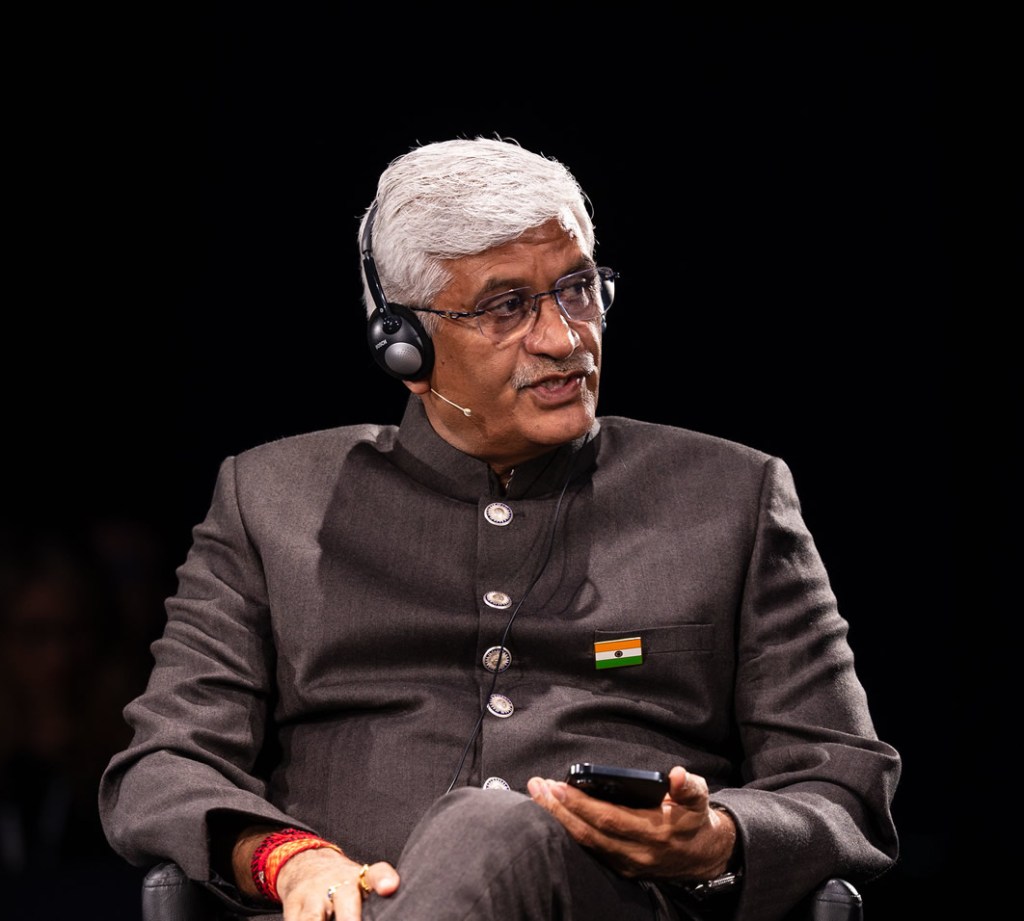

India’s Participation
India’s Minister of Culture, Mr. Gajendra Singh Shekhawat, led a delegation from the Ministry of Culture, Government of India, to attend MONDIACULT 2025. The team included Ms. Amita Prasad Sarbhai, Additional Secretary of the Ministry of Culture; Ms. Priyanka Chandra, Director of the Ministry of Culture; Mr. Vishal Gupta, Private Secretary to the Minister of Culture; and Mr. Deepak Sharma, Under Secretary representing the Ministry of External Affairs.
India’s Minister of Culture attended the Opening Ceremony and the Ministerial Plenary Session of MONDIACULT 2025 on September 29, 2025.
India’s Minister of Culture was among over 150 cultural ministers from around the world who took part in the world conference.

Closing Ceremony
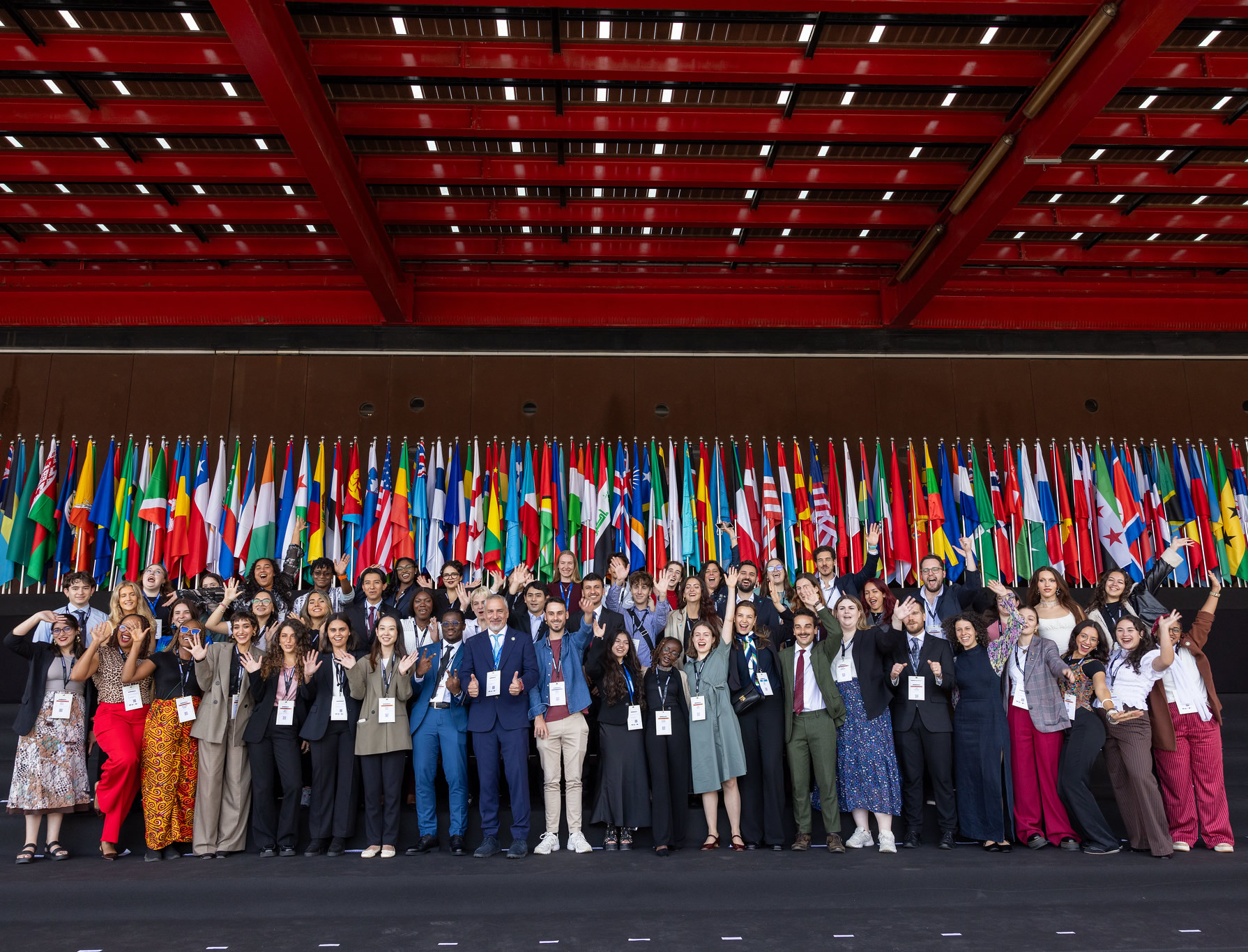
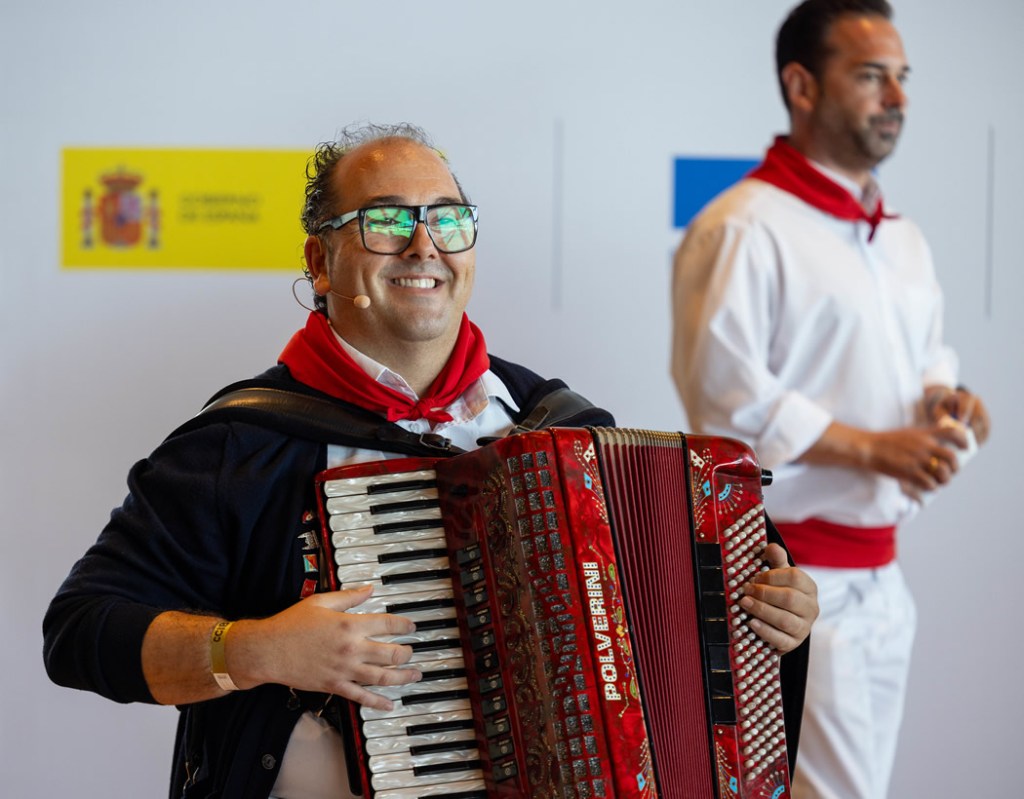
The Closing Ceremony of the UNESCO World Conference on Cultural Policies and Sustainable Development – Mondiacult 2025 – took place in Barcelona on October 1, 2025. The event included a cultural performance, followed by the presentation of the Youth Forum Conclusions, interventions from civil society, the adoption of the outcome document, an oral report on MONDIACULT 2025, and concluding remarks.
The Closing Ceremony successfully concluded MONDIACULT 2025, with Member States reaffirming culture as a global public good and adopting the outcome document that outlines a roadmap for enhancing cultural policies and international cultural cooperation.
With 194 Member States, the United Nations Educational, Scientific, and Cultural Organization promotes peace and security by facilitating multilateral cooperation in education, science, culture, communication, and information.
Sources: UNESCO; Ministry of Culture, Government of India
— CitiTimes Editor holds UNESCO-IIEP certification and helps promote the UNESCO Creative Cities Network.
India’s Collaboration with UNESCO
The Government of India collaborates with UNESCO through various ministries and agencies, focusing on specific areas of cooperation. The key ministries involved are:
Ministry of Education (MoE)
- This is the nodal ministry for India’s overall engagement with UNESCO.
- It hosts the Indian National Commission for Cooperation with UNESCO (INCCU), which coordinates all UNESCO-related activities in the country.
- The MoE handles cooperation in fields such as education, science, culture, communication, and information.
Ministry of Culture
- This ministry works closely with UNESCO on issues related to World Heritage Sites, intangible cultural heritage, museums, cultural preservation, and international cultural cooperation.
- It plays a leading role in nominating and managing Indian sites that are inscribed on the UNESCO World Heritage List.
Ministry of External Affairs (MEA)
- The MEA engages with UNESCO through India’s Permanent Delegation to UNESCO in Paris.
- It manages diplomatic representation, negotiations, and international agreements.
- Additionally, the MEA coordinates with other ministries to ensure that India’s positions are effectively represented at UNESCO meetings and General Conferences.
Other Line Ministries (as needed)
- For specific UNESCO programs, additional ministries may be involved, such as the Ministry of Environment, Forest, and Climate Change (MoEFCC) (e.g., for Biosphere Reserves and natural heritage), the Ministry of Information and Broadcasting, or the Ministry of Tourism.
Chandigarh
- The Chandigarh Administration is responsible for managing a UNESCO World Heritage site located in Chandigarh. In the event of any issues about this site, Chandigarh must report these matters to UNESCO through the Government of India, as it does not possess the authority to engage directly with UNESCO.
 CitiTimes