
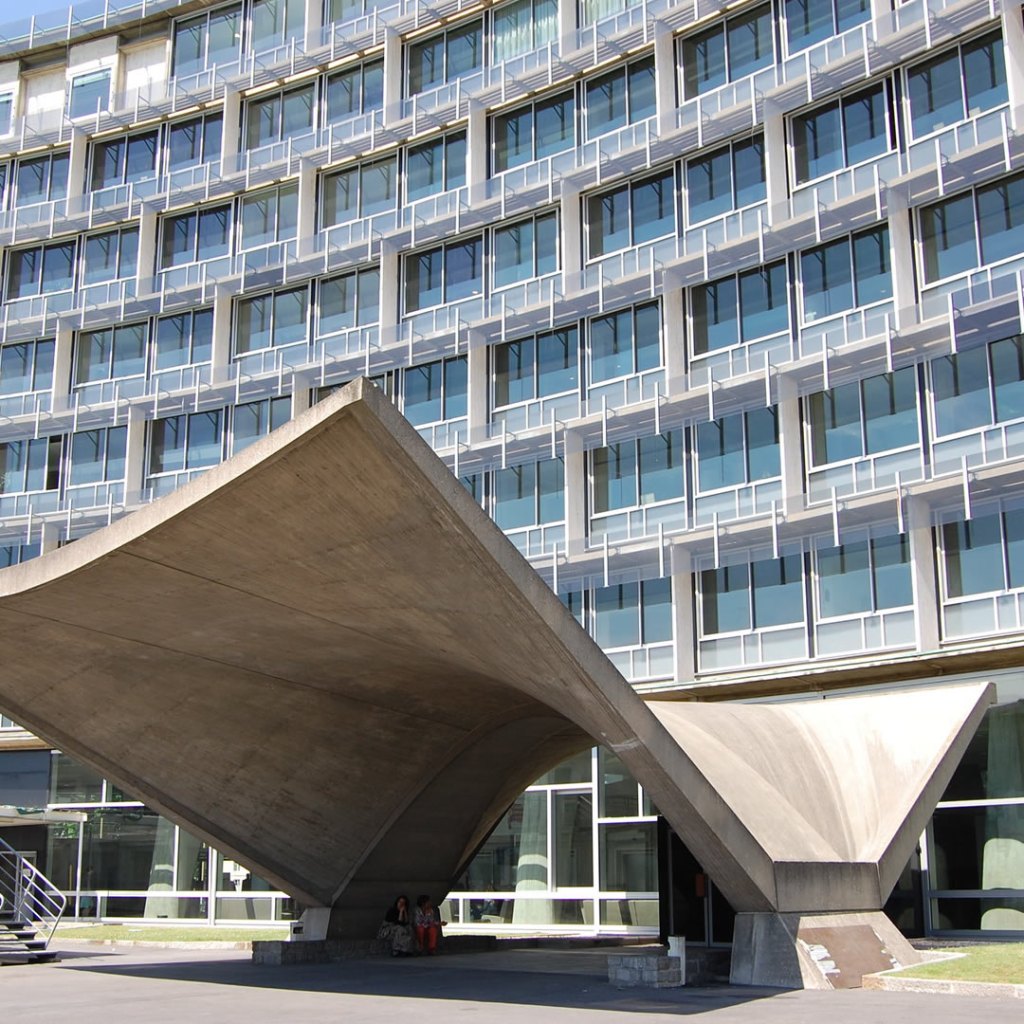
- Audrey Azoulay, the Director-General of UNESCO, released a statement regarding the United States’ withdrawal from UNESCO.

Paris, July 22, 2025 — Audrey Azoulay, Director-General of UNESCO, has issued the following statement regarding the withdrawal of the United States from UNESCO:
“I deeply regret President Donald Trump’s decision to withdraw the United States from UNESCO once again—a decision that will take effect at the end of December 2026.
“This choice contradicts the fundamental principles of multilateralism. It may primarily affect our many partners in the United States—communities seeking site inscription on the World Heritage List, Creative City status, and University Chairs.
“While this announcement is regrettable, it was anticipated, and UNESCO has prepared for it.
“In recent years, we have implemented significant structural reforms and diversified our funding sources. Thanks to the efforts made by the Organization since 2018, the decline in U.S. financial contributions has been offset, now representing 8% of the Organization’s total budget compared to 40% for some other United Nations entities. At the same time, UNESCO’s overall budget has steadily increased. Today, the Organization is better protected financially, with the steady support of numerous Member States and private contributors, whose voluntary contributions have doubled since 2018.
“At this stage, the Organization is not considering any layoffs.
“Despite President Trump’s initial withdrawal in 2017, UNESCO has intensified its efforts to contribute to peace and has demonstrated the essential nature of its mandate.
“The Organization completed the largest operation in its history with the reconstruction of the old city of Mosul, which began in 2018. It also adopted the first and only global standard-setting instrument on the ethics of artificial intelligence. It developed major programs to support culture and education in conflict settings, including those in Ukraine, Lebanon, and Yemen. Furthermore, it has intensified its efforts in biodiversity conservation, natural heritage preservation, and girls’ education.
“The reasons cited by the United States for withdrawing from the Organization are the same as those put forth seven years ago, despite the profound changes that have occurred since then. Political tensions have receded, and UNESCO today serves as a rare forum for consensus on concrete and action-oriented multilateralism.
“These claims also contradict the reality of UNESCO’s efforts, especially in the realm of Holocaust education and the fight against antisemitism.
“UNESCO is the only United Nations agency responsible for these issues, and its work has received unanimous acclaim from major specialized organizations, including the United States Holocaust Memorial Museum in Washington, D.C., the World Jewish Congress, its American Section, and the American Jewish Committee (AJC). UNESCO has assisted 85 countries in implementing tools and training teachers to educate students about the Holocaust and genocides, while combating Holocaust denial and hate speech.
“UNESCO will continue to carry out these missions, despite the inevitable reduction in resources.
“The purpose of UNESCO is to welcome all nations of the world, and the United States will always be welcome.
“We will continue to work closely with all our American partners in the private sector, academia, and non-profit organizations, and we will pursue political dialogue with the U.S. administration and Congress.”
- The United Nations Educational, Scientific and Cultural Organization (UNESCO), comprising 194 Member States, plays a crucial role in fostering peace and security around the globe. It achieves this by spearheading multilateral cooperation in various enriching fields, including education, science, culture, communication, and information.
- With its headquarters located in the vibrant city of Paris, UNESCO extends its impact through offices in 54 countries, employing a dedicated workforce of over 2,300 professionals from diverse backgrounds. This Organization is entrusted with the stewardship of more than 2,000 prestigious World Heritage sites, breathtaking Biosphere Reserves, and distinct Global Geoparks, preserving the world’s cultural and natural heritage for future generations.
- UNESCO also cultivates networks of Creative, Learning, Inclusive, and Sustainable Cities, promoting holistic urban development. Additionally, it supports a vast educational ecosystem, encompassing over 13,000 affiliated schools, esteemed university chairs, and numerous training and research institutions. Two hundred national commissions worldwide further strengthen this extensive network, each playing a vital role in fulfilling UNESCO’s mission. Leading these efforts is the current Director-General, Audrey Azoulay, whose vision guides the Organization in its commitment to fostering a more educated, culturally rich, and sustainable world.
Source: UNESCO
 CitiTimes