

- UGC India has issued Show-Cause Notices to Vice-Chancellors and Registrars of Non-Compliant Universities.
- The universities must comply within 30 days of receiving this notice; otherwise, they will lose their Grants and Recognition.
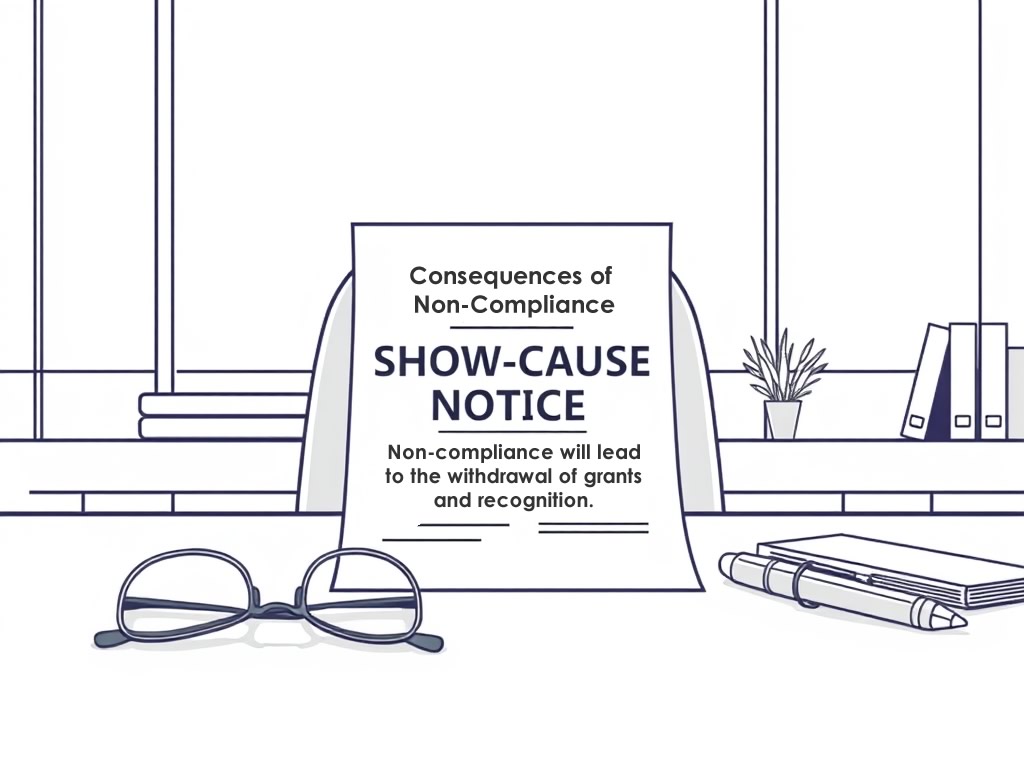
New Delhi, India, June 14, 2025 — The University Grants Commission (UGC) in India has issued Show-Cause Notices to Vice-Chancellors and Registrars of several universities for non-compliance with the UGC Anti-Ragging Regulations of 2009.
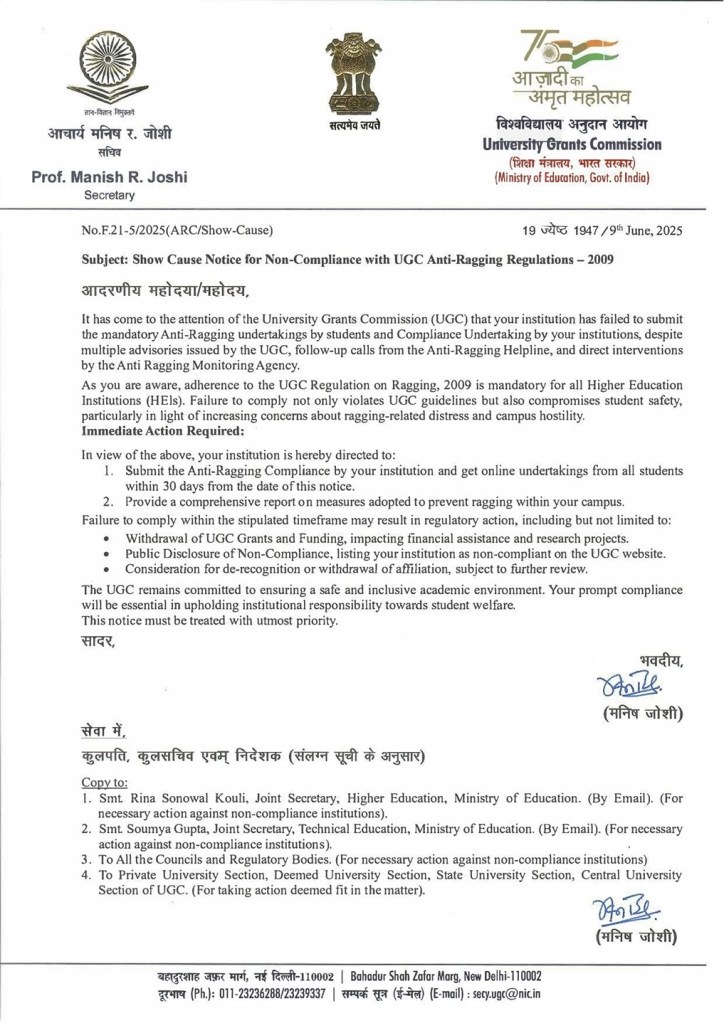
The University Grants Commission (UGC) has issued this notification to all non-compliant universities, highlighting its observation of their failure to submit the mandatory Anti-Ragging undertakings from students, as well as the Compliance Undertaking from the institution itself. This non-compliance is unacceptable and comes despite numerous advisories from the UGC, persistent follow-up communications from the Anti-Ragging Helpline, and direct interventions by the Anti-Ragging Monitoring Agency. Immediate corrective action is required.
- The Show-Cause Notices have been issued to the Vice-Chancellors and Registrars of all universities that are not compliant, including state universities, central universities, and private universities.
This communication makes it clear that all universities must strictly adhere to the UGC Regulation on Ragging, 2009. Non-compliance is unacceptable as it violates UGC guidelines and endangers student safety. Given the rising concerns about ragging-related distress and hostility on campus, universities must take immediate action to ensure a safe and respectful environment for all students.
The UGC mandates that these institutions submit their Anti-Ragging Compliance documents and secure online undertakings from all students within 30 days from the date of this notice. Furthermore, they are required to provide a detailed report on the measures enforced to combat ragging on their campuses. Compliance with these directives is non-negotiable.
Non-compliance within the specified timeframe will result in regulatory action, which may include, but is not limited to:
- Immediate termination of all grants and funding provided by the University Grants Commission (UGC).
- Public disclosure of non-compliance, including the institution’s prominent listing as non-compliant on the UGC website.
- There will be serious consideration of de-recognition or withdrawal of UGC affiliation, pending further evaluation.
The UGC has formally advised these institutions to treat this notice with the utmost priority.
Moreover, the University Grants Commission (UGC) has officially notified all councils and regulatory bodies, including the National Assessment and Accreditation Council (NAAC), regarding this notice. This action enables these entities to undertake appropriate measures against institutions that fail to comply with the established regulations.
Source: UGC
UPDATE — June 23, 2025
- Panjab University, located in Chandigarh, has issued an official circular mandating strict adherence to the anti-ragging regulations set forth by the University Grants Commission (UGC).

The university has guaranteed a safe and supportive environment for all students by promoting respect and integrity on campus. The circular outlines the measures and guidelines that the university administration will implement to prevent all forms of ragging, thereby ensuring the well-being and dignity of every individual within the university community.
- Panjab University, Chandigarh, has established an anti-ragging committee that includes the following officials: the Registrar, the Dean of University Instruction, the Dean of Student Welfare, the Dean of Student Welfare (Women), the Dean of International Students, the DSP South-West Chandigarh, and the Chief of University Security.
Source: Panjab University, Chandigarh
REVIEW OF COMPLIANCE STATUS
- The compliance deadline for the directives is July 9, 2025. After this date, the University Grants Commission (UGC) will review the compliance status of institutions that received show-cause notices. Non-compliant institutions may face penalties, including the withdrawal of grants and recognition.
 CitiTimes