

UNESCO is the final authority that examines, evaluates, inscribes, and designates properties as World Heritage Sites.

New Delhi, December 14, 2024 — In response to an inquiry presented in the Rajya Sabha, which is the upper house of the Parliament of India, Union Minister for Culture and Tourism, Mr. Gajendra Singh Shekhawat, provided pertinent information regarding India’s current status concerning UNESCO’s World Heritage Sites.
The World Heritage List is an ever-evolving catalog recognizing outstanding cultural and natural significance sites. India boasts an impressive total of 43 properties on this prestigious list. Among these, 35 are classified as cultural heritage sites, showcasing the country’s rich history and diverse traditions. Additionally, there are 7 Natural Heritage sites celebrated for their extraordinary natural beauty and ecological importance, along with one mixed site embodying cultural and natural value.
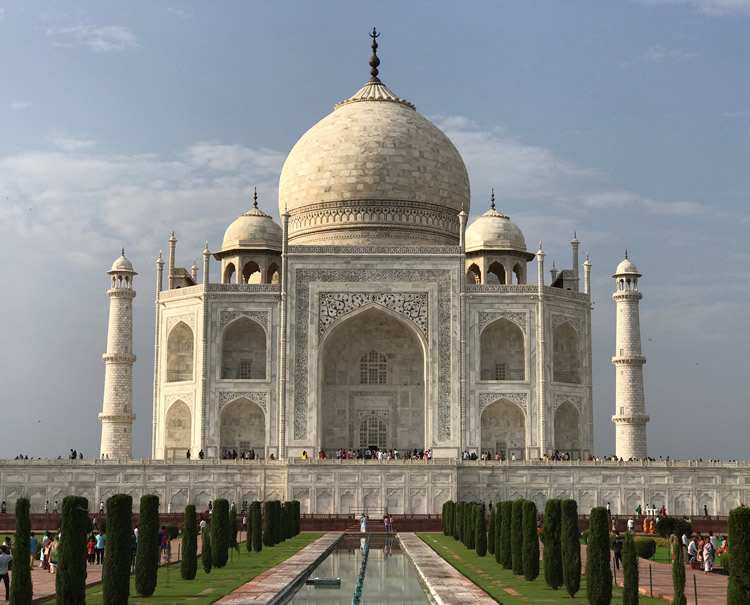
The Taj Mahal in Agra, India, was recognized as a UNESCO World Heritage Site in 1983. This designation underscores its significance as a cultural and architectural landmark of global importance.
UNESCO, the United Nations Educational, Scientific and Cultural Organization, acts as the authoritative body responsible for carefully examining and evaluating cultural and natural properties worldwide. Through a rigorous process, it inscribes and designates selected sites as World Heritage Sites, recognizing their exceptional value to humanity and ensuring their protection for future generations.
According to the Operational Guidelines established by UNESCO in 2023, only one property, categorized as either cultural, natural, or mixed, may be nominated for inclusion on the World Heritage List each year by a country. This regulation is designed to streamline the nomination process and to ensure that each potential candidate is evaluated thoroughly for its significance and contribution to global heritage.
A property must first be included on the Tentative List to be considered for UNESCO World Heritage Site status. Each country is allowed to nominate only one property per year. The nominated property must meet specific criteria for authenticity, integrity, and Outstanding Universal Value.

In 2016, UNESCO designated the Chandigarh Capitol Complex and sixteen other works by Le Corbusier as World Heritage Sites due to their significant contributions to the development of modernist architecture.
“Nominations for inclusion on the UNESCO World Heritage List are evaluated according to UNESCO’s operational guidelines. In preparation for the upcoming year, the ‘Maratha Military Landscape of India’ has been officially submitted for consideration in the inscription process for the 2024-25 period. This significant cultural and historical project aims to highlight the rich heritage and contributions of the Maratha military in shaping India’s history,” the Minister informed the Rajya Sabha.
Source: Ministry of Culture, Government of India
 CitiTimes